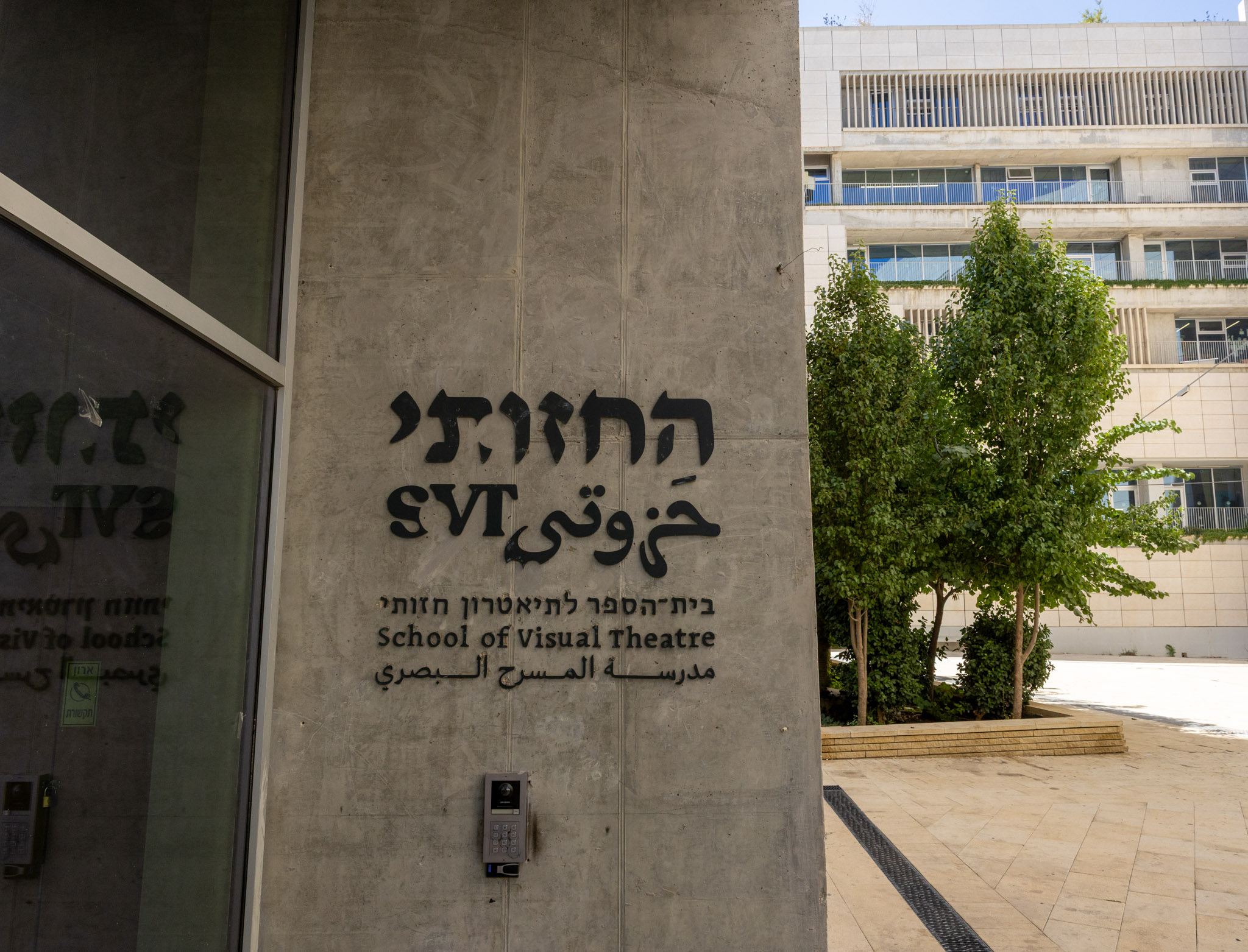
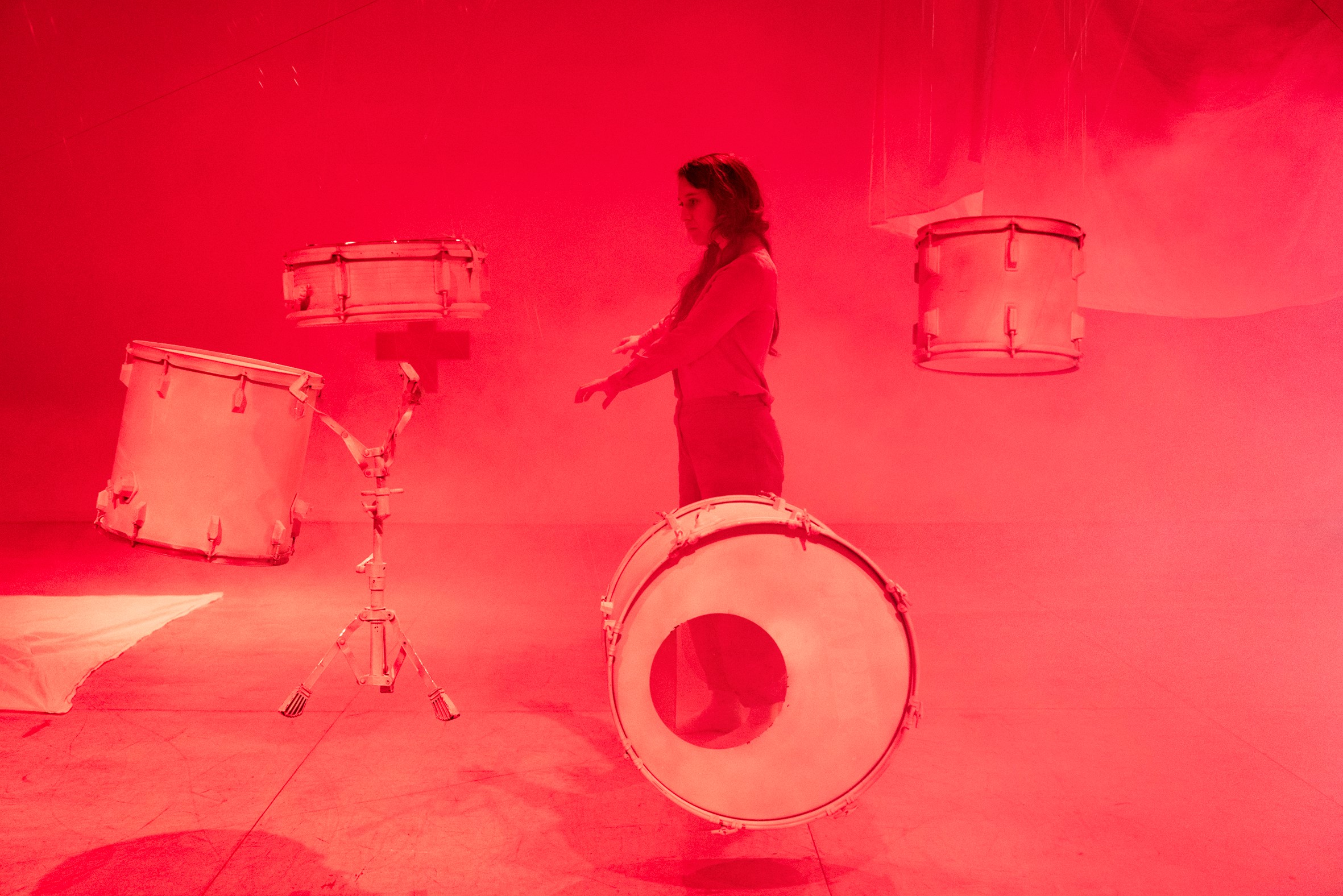
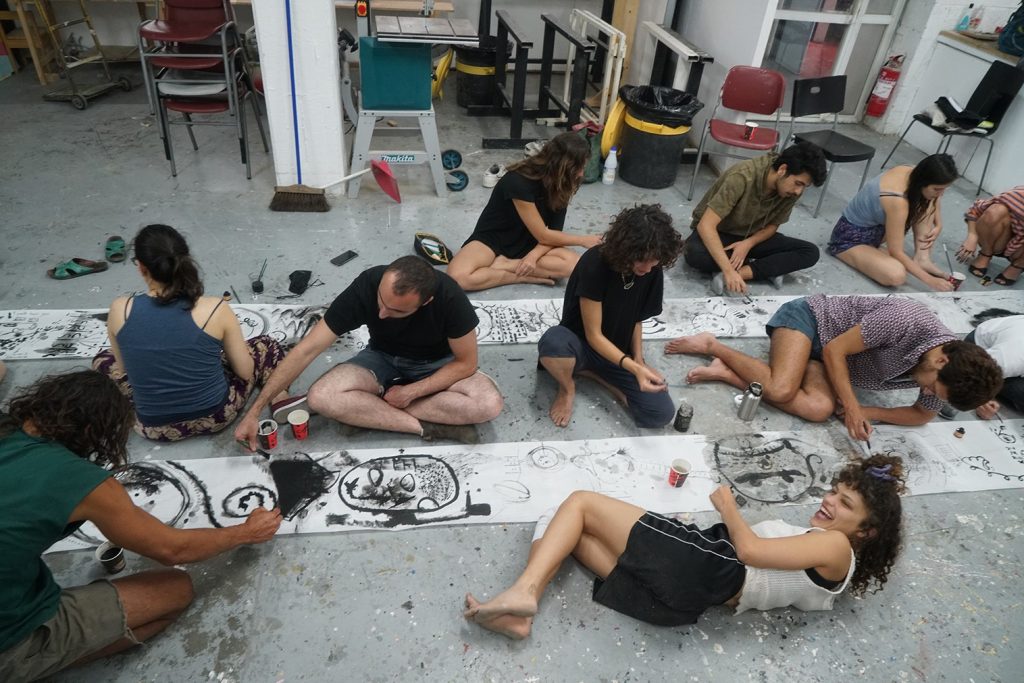
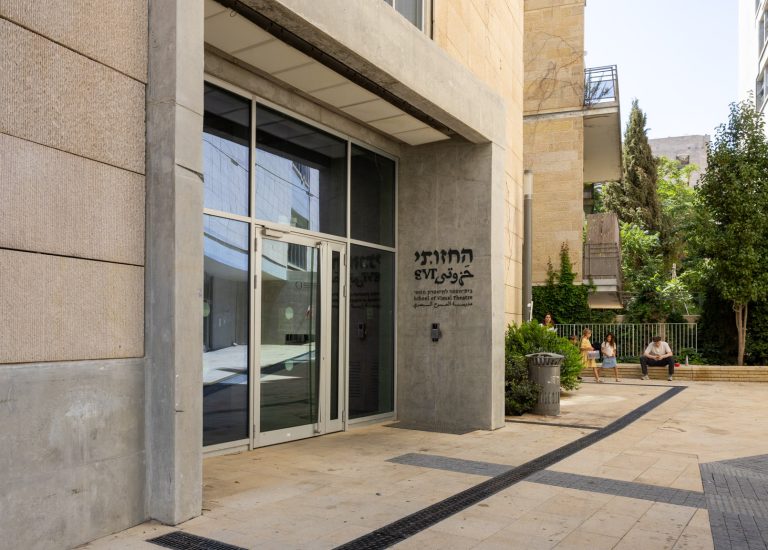
When Pablo Picasso began experimenting with fractured forms, bold colors, and unfamiliar perspectives, his work stood in sharp contrast to the refined impressionism that had dominated the art world only years earlier. What initially seemed unconventional would ultimately reshape the course of modern art. Picasso demonstrated that creative breakthroughs often emerge when artists question established frameworks and imagine new ways of seeing. The School of Visual Theater in Jerusalem was founded on a similar belief. With the support of the Jerusalem Foundation, the school was established in 1986 by artists associated with the experimental Train Theater, the school sought to create a place where visual imagination and live performance could meet in unexpected ways. Rather than focusing on traditional theater alone, its founders envisioned a program where movement, objects, imagery, and spatial design would become central elements of artistic expression.


 Back