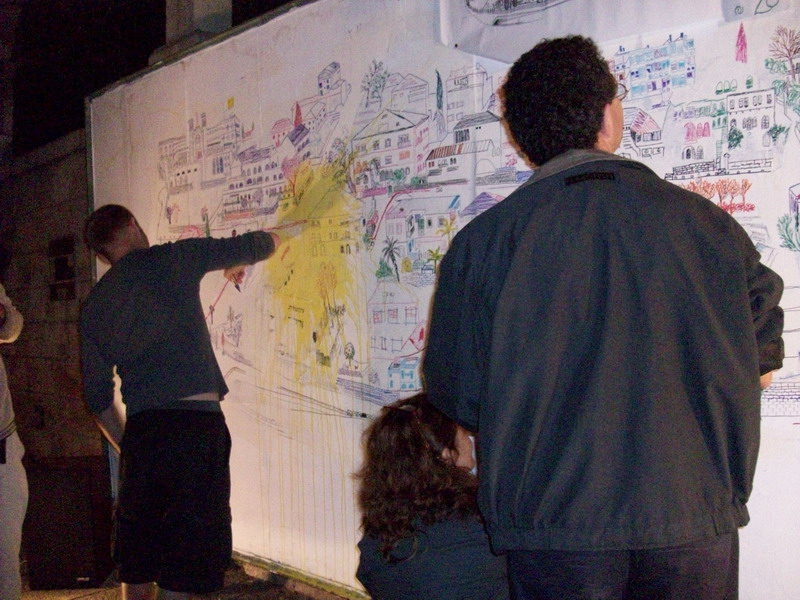
In the early 1980s a burned and neglected basement stood in the Musrara neighborhood of Jerusalem. Darkened by soot and largely forgotten, it seemed an unlikely place for the beginnings of an art school. Yet it was precisely there that a young photographer named Avi Sabag began to imagine a space for creativity. Musrara at the time was still marked by the legacy of the city’s former border and by the social tensions that had shaped the neighborhood for decades. Sabag believed that an art school could grow within this reality rather than apart from it. Instead of ignoring the surrounding history, the aim was to engage with it. From this idea the Musrara – Naggar School of Art and Society began to take shape.

a sense of belonging

The school was founded in 1986 by Sabag as an independent initiative centered on photography and on the relationship between artistic practice and civic engagement. The arrival of a small experimental art school in the neighborhood was not greeted with enthusiasm by many local residents. The neighborhood carried strong memories of inequality and protest, most notably through the Israeli Black Panthers movement that had emerged there in the early 1970s. Sabag responded by turning his camera toward the community itself. One of the school’s early projects documented the history of the Black Panthers and the lives of local residents. When the photographs were exhibited in the neighborhood many people felt, perhaps for the first time, that their experiences had been acknowledged and recorded. The project helped establish a dialogue between the school and its surroundings.

school for the arts

Photo by Michal Shachar

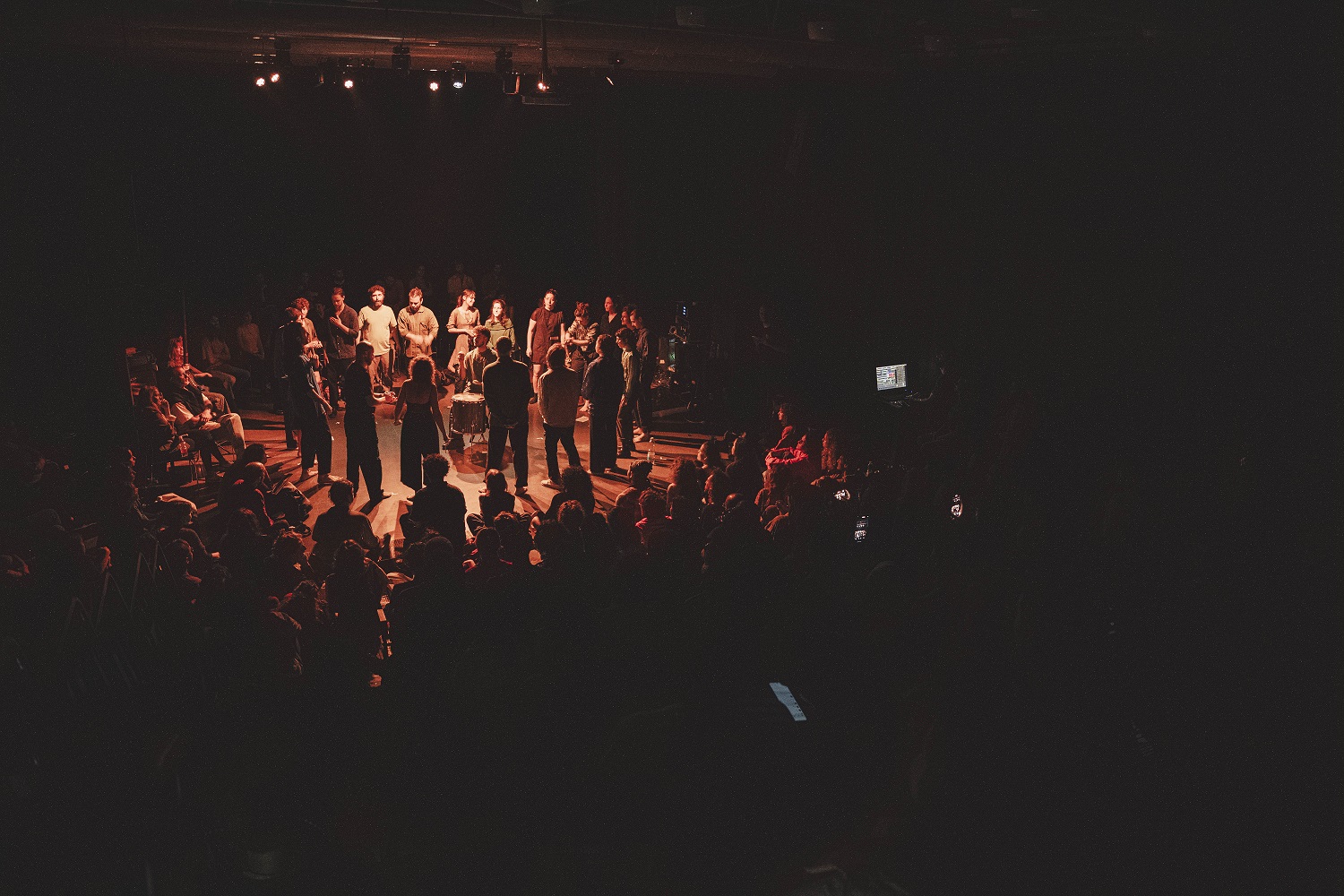
From these modest beginnings the school gradually developed into a multidisciplinary institution devoted to the relationship between art, media, and society. With support from the Jerusalem Foundation, the Naggar family helped provide the school with its permanent home, allowing it to grow into the institution it is today. While photography remains central to its identity, new areas of study were introduced over time. Today students can pursue programs in photography, art, visual communication, music, and phototherapy. The curriculum encourages students to explore the connections between artistic practice and the social environment in which it exists. Musrara has also gained recognition for its pioneering work in phototherapy, an approach that uses photography as a tool for emotional reflection and healing. This field, which later gained broader international attention, reflects the school’s belief that artistic expression can play a role in personal and social understanding.
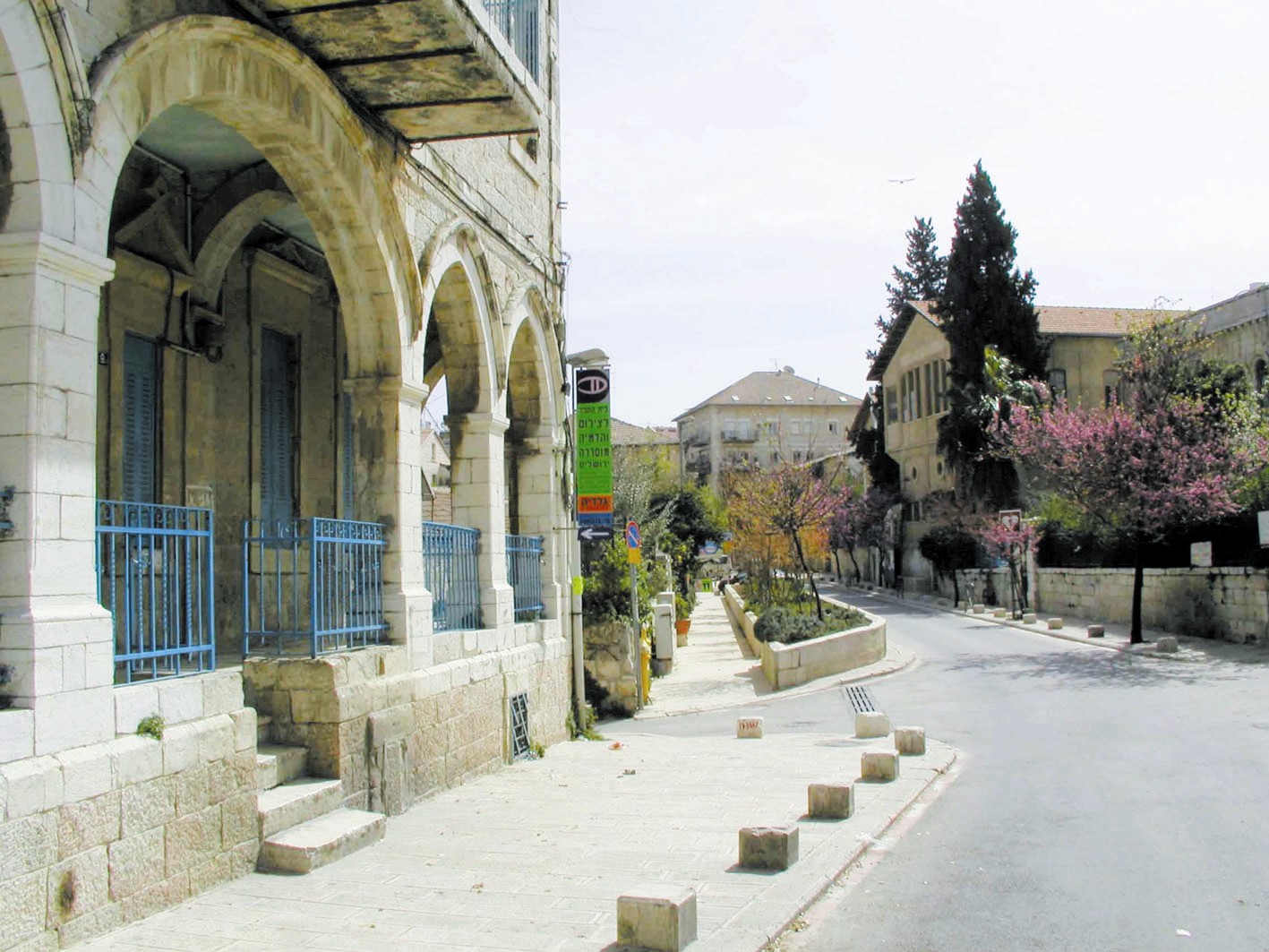
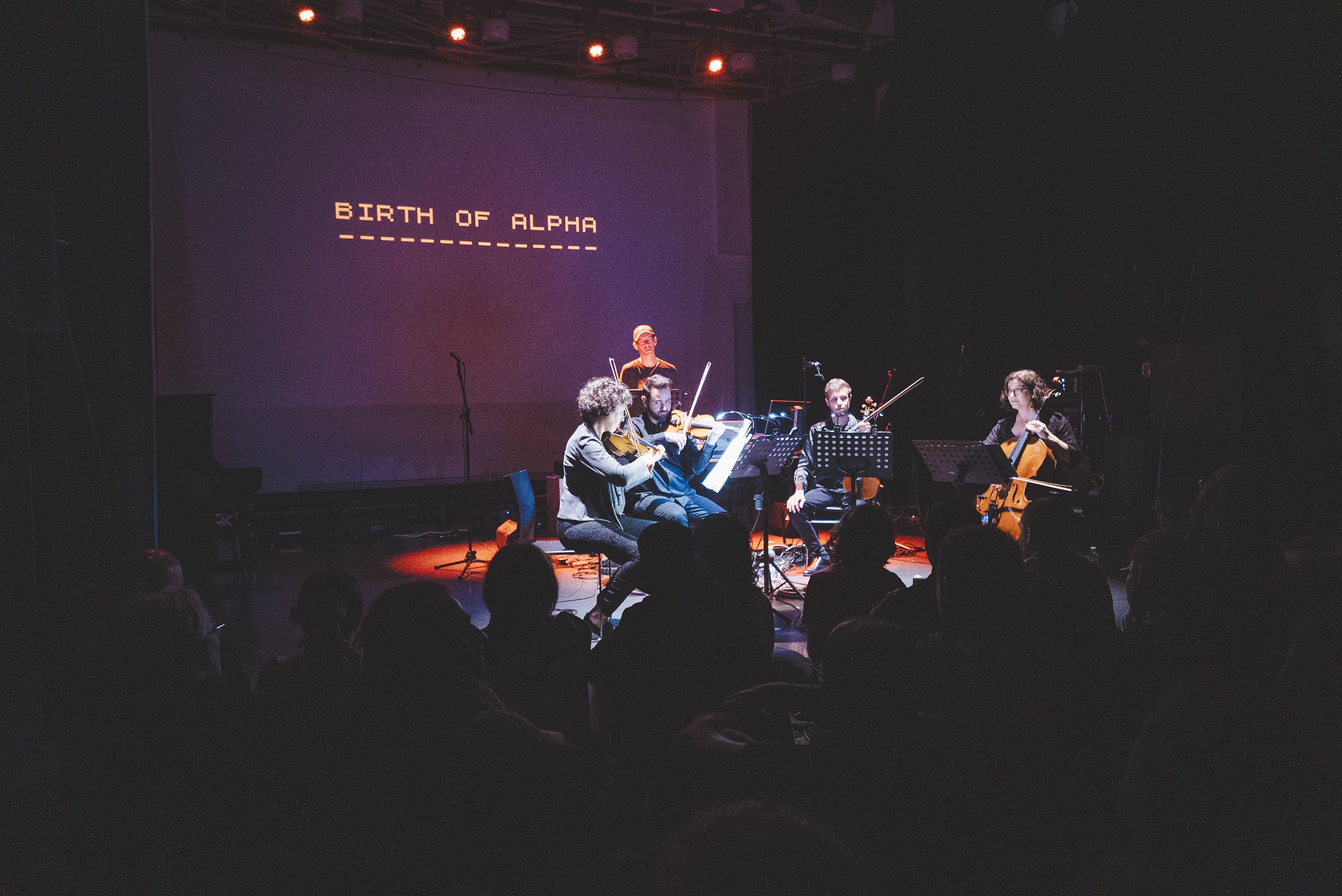
Photo courtesy of the Naggar Musrara School

Students at Musrara are encouraged to develop a strong individual voice while remaining attentive to the world around them. The school combines technical instruction with close mentorship and critical discussion. Workshops, exhibitions, and collaborative projects allow students to experiment with different forms of expression while presenting their work to the public. Many graduates continue to work in the fields of art, media, and cultural production, contributing to Israel’s broader creative landscape.

finding their voice

Over the years the school has expanded well beyond its original basement space. Additional studios and facilities have allowed the institution to grow while remaining rooted in the neighborhood where it began. Musrara itself has changed considerably during this time, gradually becoming one of Jerusalem’s most distinctive cultural districts. In recognition of his civic work and his role in establishing and leading the Musrara School, Avi Sabag was awarded the Teddy Kollek Prize for Public Service by the Jerusalem Foundation in 2007.

Photo by Michal Shachar

the heart of musrara

Currently, a major expansion supported by the Jerusalem Foundation is underway to create the Harary Campus for the Musrara-Naggar School, providing the institution with additional space for its growing programs and activities. Today the school stands as an integral part of Musrara itself. What began as a modest experiment in a forgotten basement has become a cultural landmark woven into the life of the neighborhood. In many ways the institution reflects Musrara’s past, shaped by memory and by the voices that emerged from its streets. Yet it has also become one of the forces shaping the neighborhood’s future, demonstrating how art can open space for dialogue, recognition, and, at times, quiet forms of healing.

Previous
Next
The Bastion of Time: A Journey Through Jerusalem at the Tower of David The Khan Theater 28 Community Centers Mitchell Park and Gardens – Hinnom Valley Jerusalem Music Center Mishkenot Natural History Museum Paley Center Hurva Synagogue Jerusalem Print Workshop Wohl Rose Park Artists’ Studios Merrill Hassenfeld Amphitheater, Sultan’s Pool Beit Tamar – Ilan Byer Home for the Aged Jerusalem Botanical Gardens Ein Yael Living Museum Naggar Musrara School of Photography – Art and Society Walter and Elise Haas Promenade and Richard and Rhoda Goldman Promenade The Sam Spiegel Film and Television School Simon Rothschild Ben-Yehuda School for Special Education Teddy Stadium Bloomfield Science Museum Safra Square Modi’in Scouts Club Museum on the Seam Via Dolorosa Restoration and Accessibility Al Jabsha Elderly Center in Christian Quarter The Max Rayne Hand in Hand School for Jewish-Arab Education Israel Asper Community Action Center in Ramot The Kangaroo Family Center Jerusalem Secular Yeshiva Restoration of Montefiore Windmill to working mill Canada House – Morasha Community HaMiffal Israel Gottesman Aquarium Jerusalem Arts Campus Hassenfeld Family Wadi Joz Youth Center Kayma, the George Pinto Jerusalem Doctoral Fellows Culture Series (Sidratarbut) Misgav LeKashish Elderly Day Center Shanti House Well Baby Centers – Renovations Shai Doron Leadership Fellows Beit Hanina Community Center and Pool
Jerusalem Gardens National Park ringing Old City Walls Harry Wilf Independence Park Mishkenot Sha’ananim Cultural Center and Guesthouse Jerusalem Conservatory Hassadna Liberty Bell Park Jerusalem Cinematheque Train Theater The Hattie Friedland School for the Deaf School of Visual Theater The Jacob & Hilda Blaustein Civic Center Beit Sherman – Beit Buria The Djanogly Visual Arts Centre Tisch Family Zoological Gardens Joseph Meyerhoff Youth Center for Advanced Science Studies Jack, Joseph and Morton Mandel Gazelle Valley Urban Wildlife Park Jerusalem Scholarship Fund for Higher Education Jerusalem Resilience Center – Shaare Nefesh
The Bastion of Time: A Journey Through Jerusalem at the Tower of David 1970 Jerusalem Gardens National Park ringing Old City Walls 1970 The Khan Theater 1972 Harry Wilf Independence Park 1972 28 Community Centers 1972 Mitchell Park and Gardens – Hinnom Valley 1973 Mishkenot Sha’ananim Cultural Center and Guesthouse 1973 Jerusalem Music Center Mishkenot 1973 Jerusalem Conservatory Hassadna 1973 Natural History Museum 1976 Paley Center 1977 Hurva Synagogue 1978 Liberty Bell Park 1978 Jerusalem Print Workshop 1978 Wohl Rose Park 1981 Jerusalem Cinematheque 1981 Artists’ Studios 1981 Train Theater 1981 Merrill Hassenfeld Amphitheater, Sultan’s Pool 1981 The Hattie Friedland School for the Deaf 1981 Beit Tamar – Ilan 1982 Byer Home for the Aged 1983 Jerusalem Botanical Gardens 1985 Ein Yael Living Museum 1986 School of Visual Theater 1986 Naggar Musrara School of Photography – Art and Society 1986 Walter and Elise Haas Promenade and Richard and Rhoda Goldman Promenade 1987 The Jacob & Hilda Blaustein Civic Center 1987 The Sam Spiegel Film and Television School 1989 Beit Sherman – Beit Buria 1989 Simon Rothschild Ben-Yehuda School for Special Education 1990 Teddy Stadium 1991 The Djanogly Visual Arts Centre 1991 Bloomfield Science Museum 1992 Safra Square 1993 Tisch Family Zoological Gardens 1993 Modi’in Scouts Club 1997 Museum on the Seam 1999 Via Dolorosa Restoration and Accessibility 2000 Joseph Meyerhoff Youth Center for Advanced Science Studies 2000 Al Jabsha Elderly Center in Christian Quarter 2000 The Max Rayne Hand in Hand School for Jewish-Arab Education 2007 Israel Asper Community Action Center in Ramot 2008 The Kangaroo Family Center 2010 Jerusalem Secular Yeshiva 2011 Restoration of Montefiore Windmill to working mill 2012 Canada House – Morasha Community 2013 HaMiffal 2015 Jack, Joseph and Morton Mandel Gazelle Valley Urban Wildlife Park 2015 Israel Gottesman Aquarium 2017 Jerusalem Scholarship Fund for Higher Education 2017 Jerusalem Arts Campus 2018 Hassenfeld Family Wadi Joz Youth Center 2019 Kayma, the George Pinto Jerusalem Doctoral Fellows 2020 Culture Series (Sidratarbut) 2021 Misgav LeKashish Elderly Day Center 2023 Shanti House 2024 Jerusalem Resilience Center – Shaare Nefesh 2024 Well Baby Centers – Renovations 2024 Shai Doron Leadership Fellows 2025 Beit Hanina Community Center and Pool 2026