Hidden among the terraces of the Repha’im Valley, Ein Ya’el transforms an extraordinary archaeological discovery into a living landscape of learning, healing, and connection. Through decades of support from the Jerusalem Foundation, the site has grown beyond preservation alone, inviting visitors to experience Jerusalem’s ancient heritage while harnessing the restorative power of nature to strengthen lives in the present.

an ancient discovery

On a beautiful hill in Jerusalem’s Repha’im Valley, overlooking a landscape that has sustained life for millennia, an ancient farmstead was brought back to life. In 1977, archaeologist Gershon Edelstein uncovered what would prove to be one of the most complete and carefully planned agricultural communities in the Jerusalem area. Spread across some 40 acres at the site known as Ein Ya’el, “Mountain Goat Spring,” the excavation revealed an intricate irrigation system, agricultural terraces, and the remains of a Roman villa adorned with remarkable frescoes, including what was, at the time of its discovery, the only complete fresco found in Israel. The find was astonishing in both its scope and preservation. Yet for years, this extraordinary window into ancient daily life remained largely inaccessible to the public.

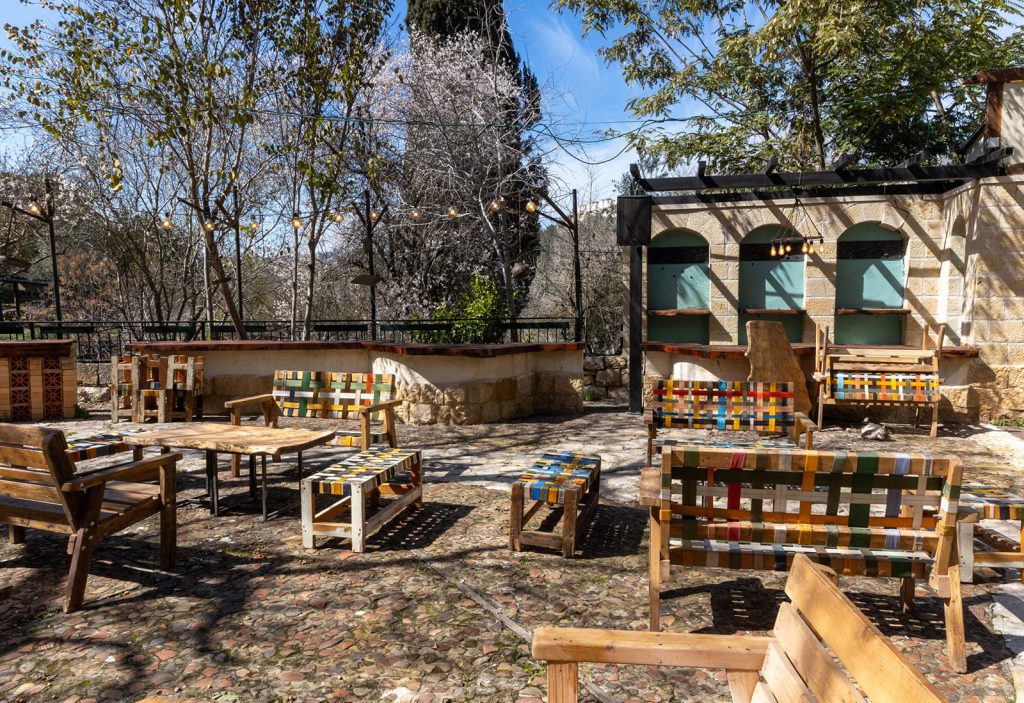
Photo by Dana Bar Siman Tov

Recognizing both the historical importance of the site and the need to share it with the broader community, the Jerusalem Foundation established the Ein Ya’el Living Museum in 1986. The Foundation initially supported continued archaeological excavations and careful reconstructions, enabling the site to open to visitors in 1989. Over the years, it has continued to invest in the site’s growth and preservation. In 1990, the Roman villa’s frescoes were restored. An ancient olive and wine press discovered during nearby highway construction was relocated to the museum grounds. A comprehensive renovation and expansion program in 2005 restored the Roman walkway—the museum’s main artery dating back to Roman times—renovated the central plaza, and added a reconstructed Israelite dwelling, a new pottery workshop, and the evocative Song of Songs Garden.

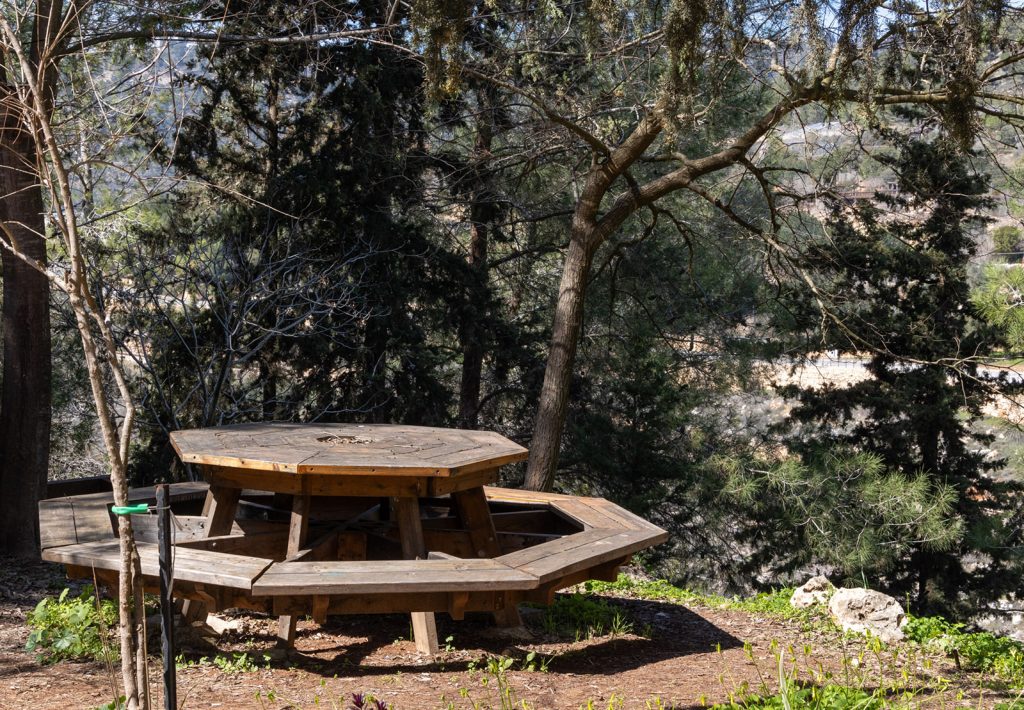
Photos by Dana Bar Siman Tov

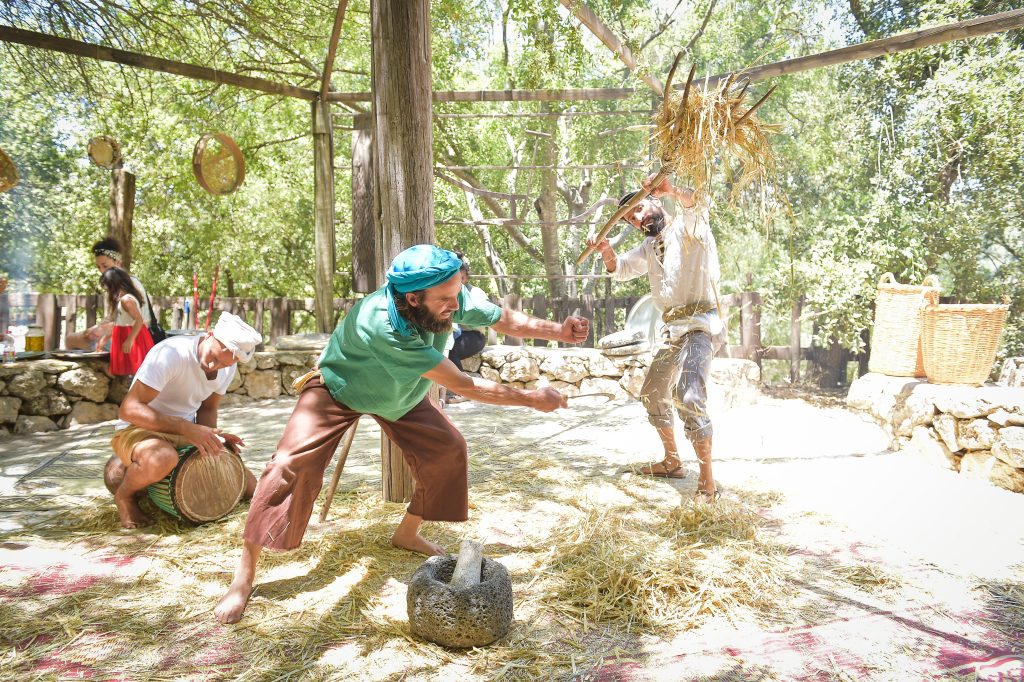
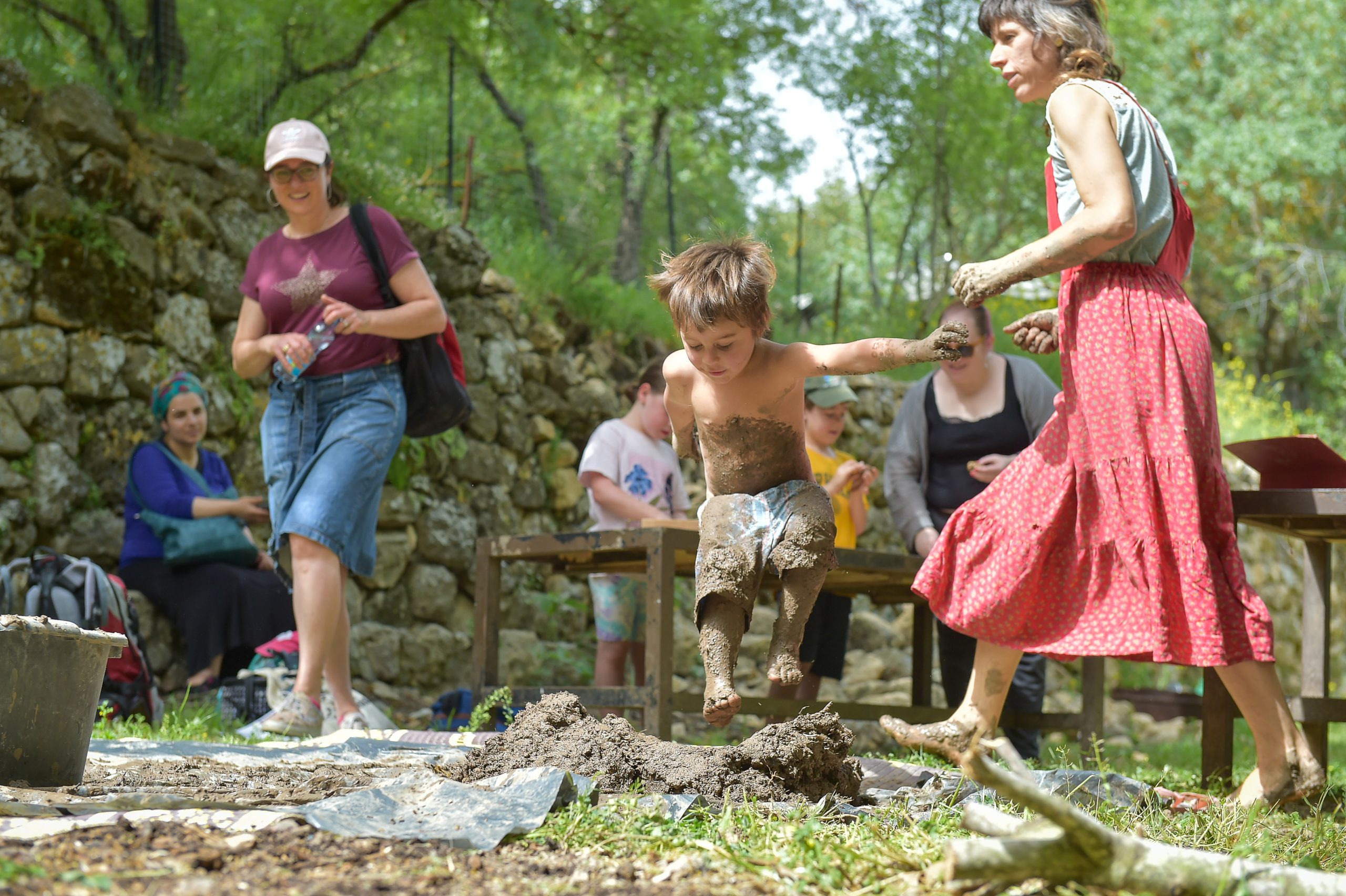
Today, Ein Ya’el is an experiential, outdoor living museum dedicated to farming, crafts, and everyday life in ancient times. Rather than presenting history behind glass, the museum seeks to bring the past into the present through direct, hands-on engagement. Its mission is to connect visitors of all ages to the land, to traditional crafts, and to the shared cultural heritage of the region by recreating ancient technologies and ways of life. Through experiential learning, Ein Ya’el fosters curiosity, creativity, environmental awareness, and a sense of belonging rooted in the deep history of Jerusalem.

a living museum

Photos courtesy of Ein Yael

a place of healing

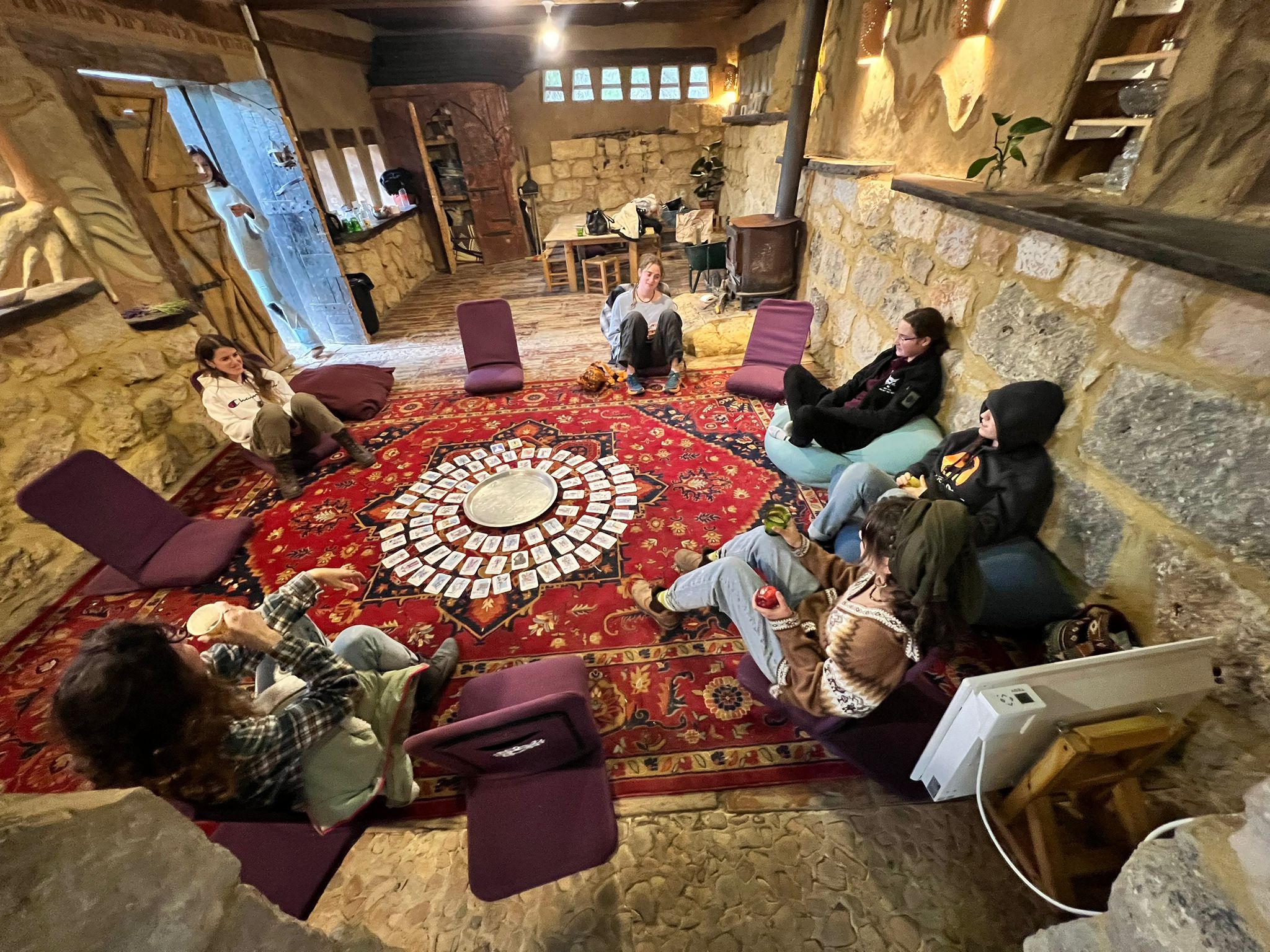
In addition to serving the broader public, Ein Ya’el also carries out the more sensitive work of healing and emotional support through the Yaelim Center, a nature-based therapeutic center rooted in the site’s landscape and rhythms. Yaelim works with children, youth, families, and adults facing trauma, distress, or social and emotional challenges, using the natural environment as part of the therapeutic process. Its programs combine professional support with time outdoors, agricultural work, encounters with animals, and creative activity, offering participants a setting in which to regain confidence, stability, and connection. Since October 7, this work has taken on added significance, as the center has supported survivors of the Nova Festival and adapted its therapeutic model for soldiers coping with trauma and the families that support them.
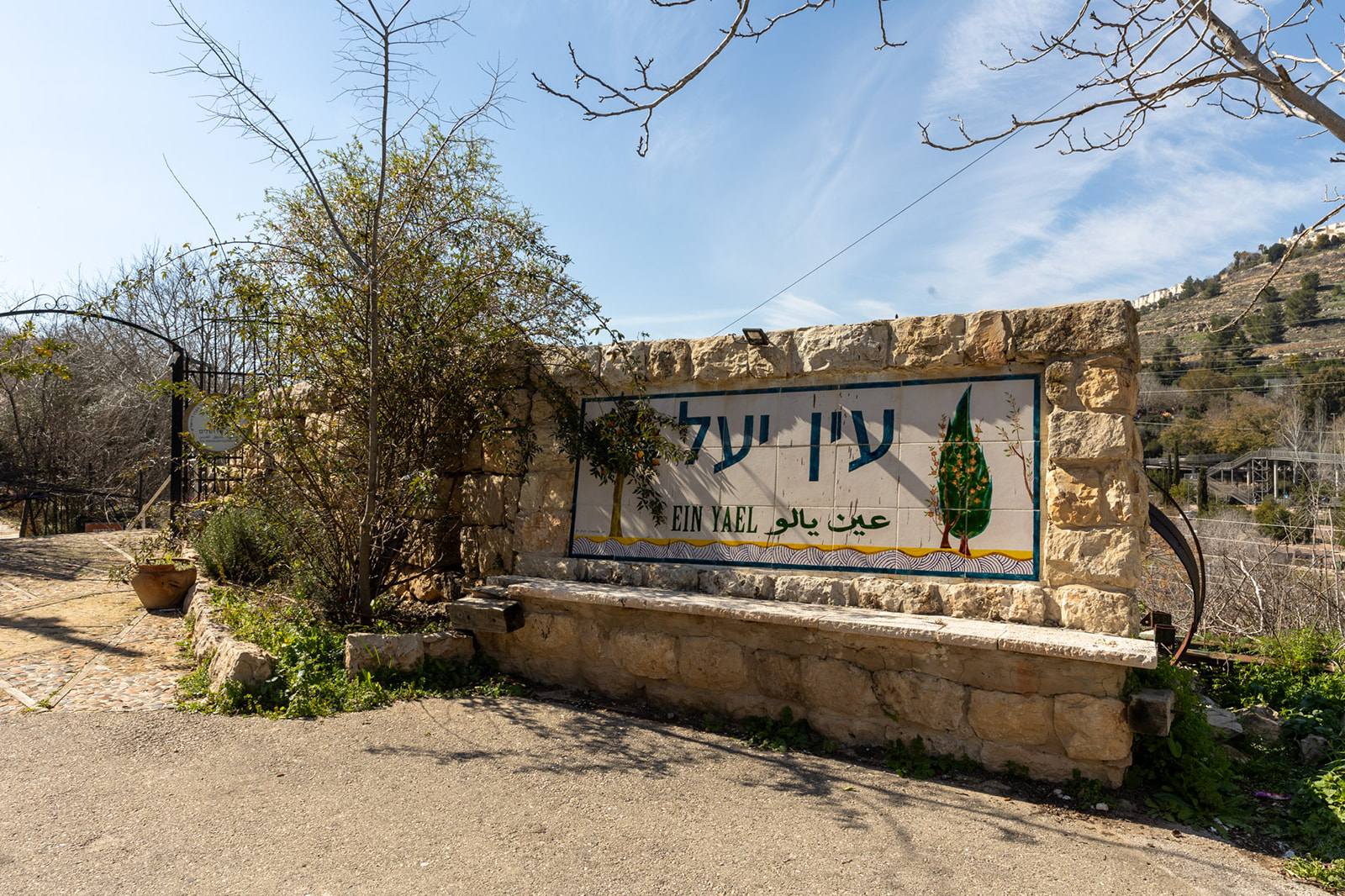
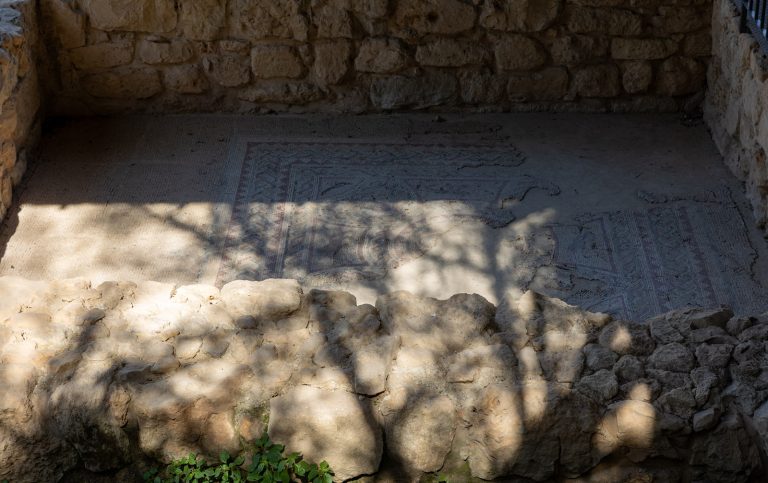
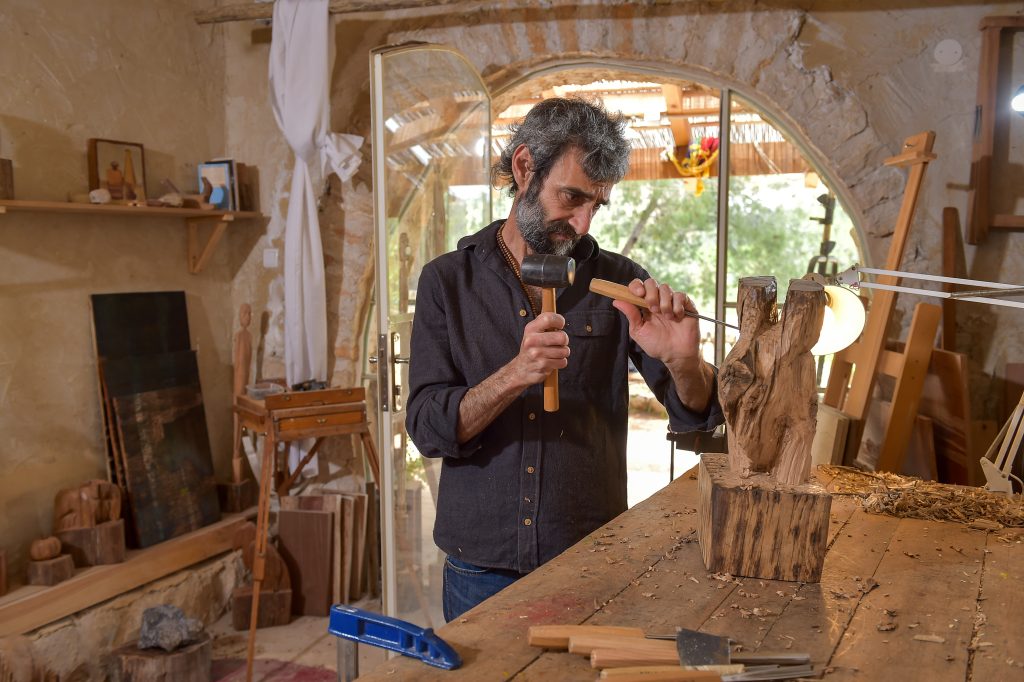
Photo courtesy of EIn Yael

experiencing history

Today, Ein Ya’el is far more than an archaeological site or even a museum—it is a living testament to Jerusalem’s past, a place where history is not only observed but experienced. Sustained over decades through the vision and ongoing support of the Jerusalem Foundation, the site has grown into a dynamic center of education and heritage. Visitors do not simply read about ancient life; they walk its paths, press olives, shape clay, draw water from its channels, and stand in the landscape that sustained communities thousands of years ago. The scents of earth and herbs, the texture of stone and soil, and the rhythm of traditional crafts create an immersive encounter with daily life in antiquity.

Photo courtesy of EIn Yael
Previous
Next