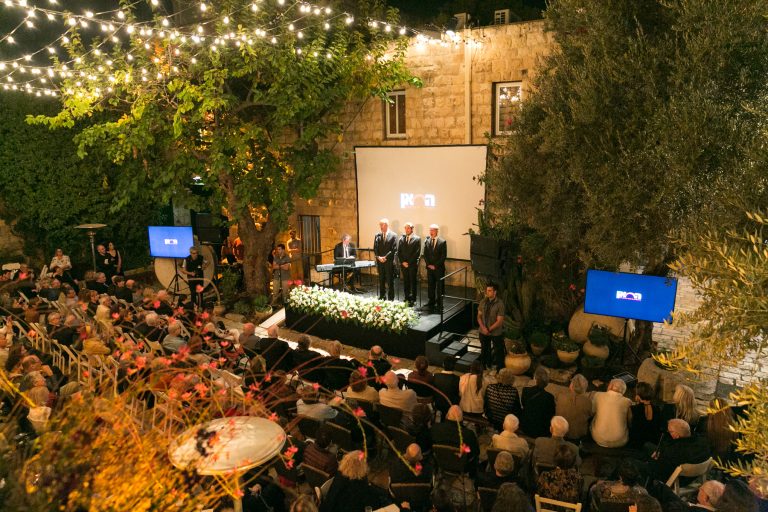
From an ancient Ottoman inn to a major creative repertory theatre, the Khan Theatre is a local Jerusalem gem offering visitors unique cultural experiences within a historic landmark building in the heart of the city. Set just outside the Old City walls, the Khan is more than a performance venue; it is a living space where centuries of history and contemporary artistic creation meet.

a crusader inn

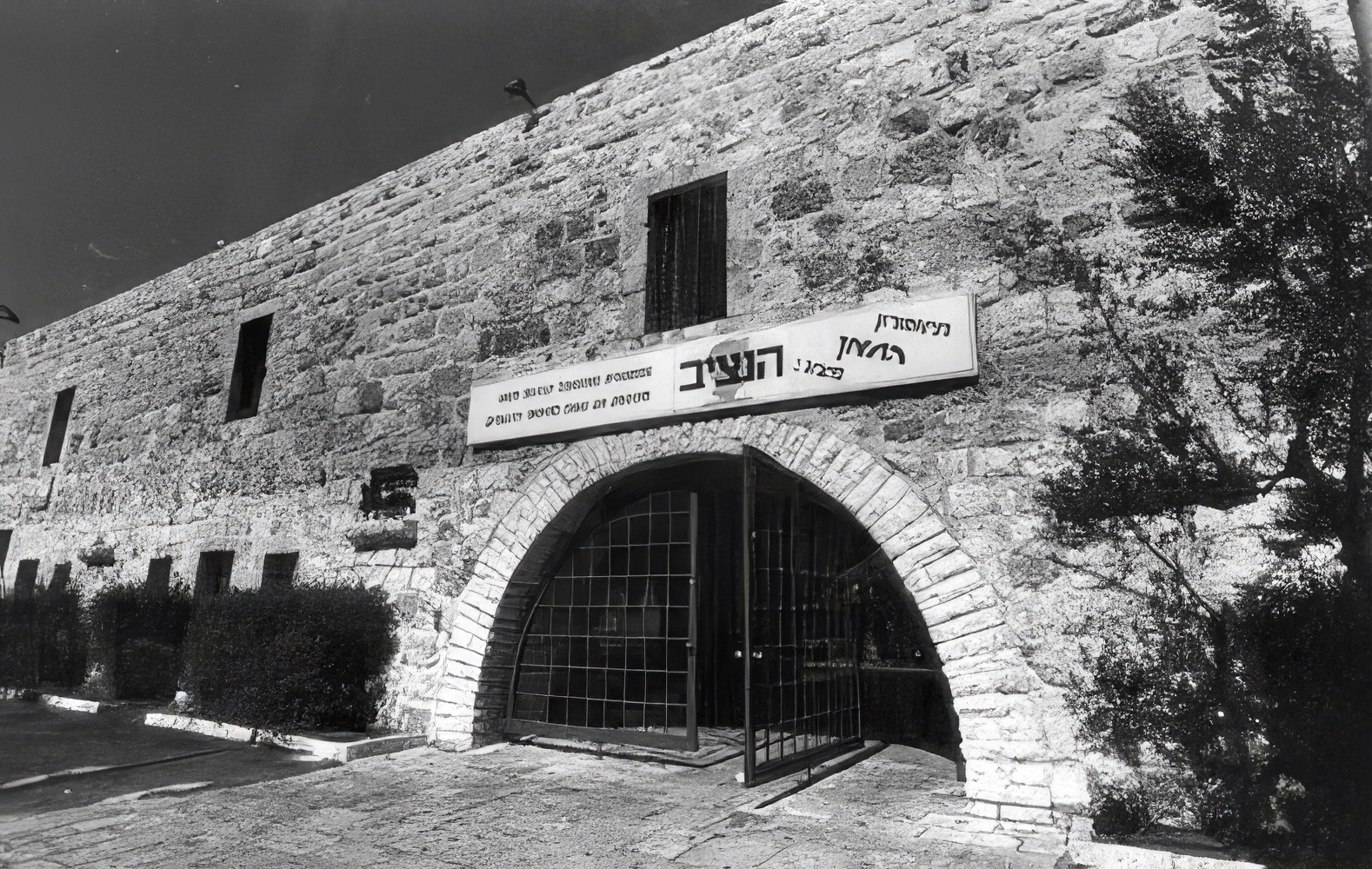
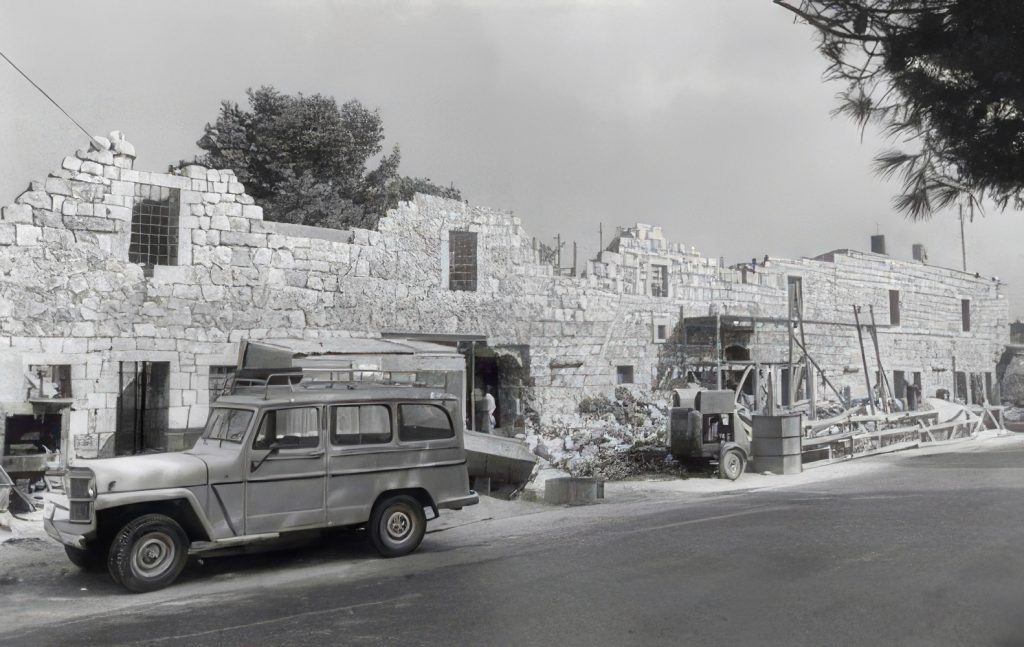
The first visitors to the site date back as far as the Crusader period, when the location served as an inn for travelers approaching Jerusalem. In the 19th century, during Ottoman rule, the structure was rebuilt on the remains of the earlier Crusader inn and officially established as a khan—a roadside inn where merchants, pilgrims, and travelers could rest, eat, and spend the night after the gates of the Old City had closed. Situated above the Hinnom Valley and not far from the Old City itself, it functioned as both a strategic and welcoming gateway to Jerusalem. For generations, it offered shelter and respite to those on their journeys to and from the city. 

Photo courtesy of the Jerusalem Foundation Archive

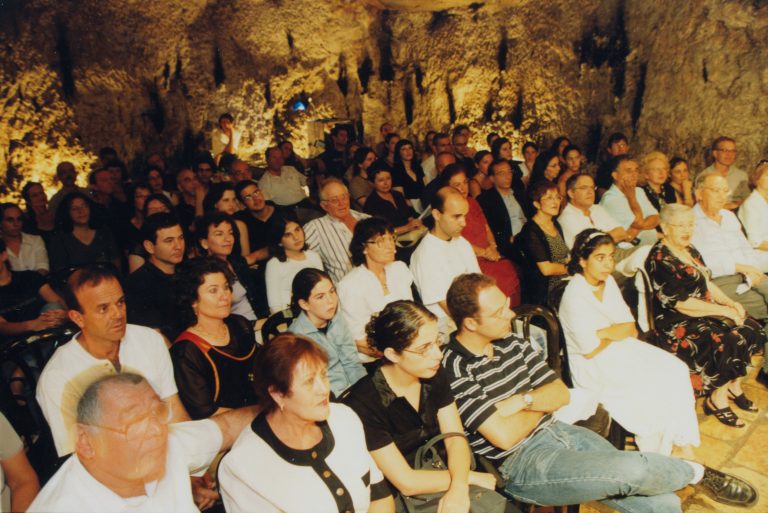
In 1967, the historic building faced the threat of demolition. Jerusalem’s mayor at the time, Teddy Kollek recognized its cultural and architectural value and championed its preservation. Rather than allowing the structure to disappear, he advocated for its transformation into a cultural center. He also found philanthropic partners to make this possible. The Gestetner family in the UK became one of the earliest supporters of the Jerusalem Foundation with a major gift that made possible the establishment of the Jerusalem Khan Theatre in 1972. It quickly became one of Israel’s leading repertory theatres, welcoming thousands of visitors each year—once again offering them a place to pause, gather, and experience something meaningful on their journey through Jerusalem. 

preserving history and culture

Photo courtesy of the Jerusalem Foundation Archive

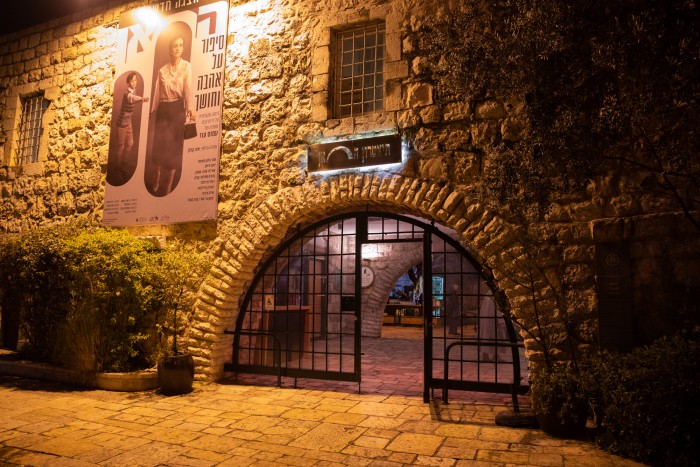
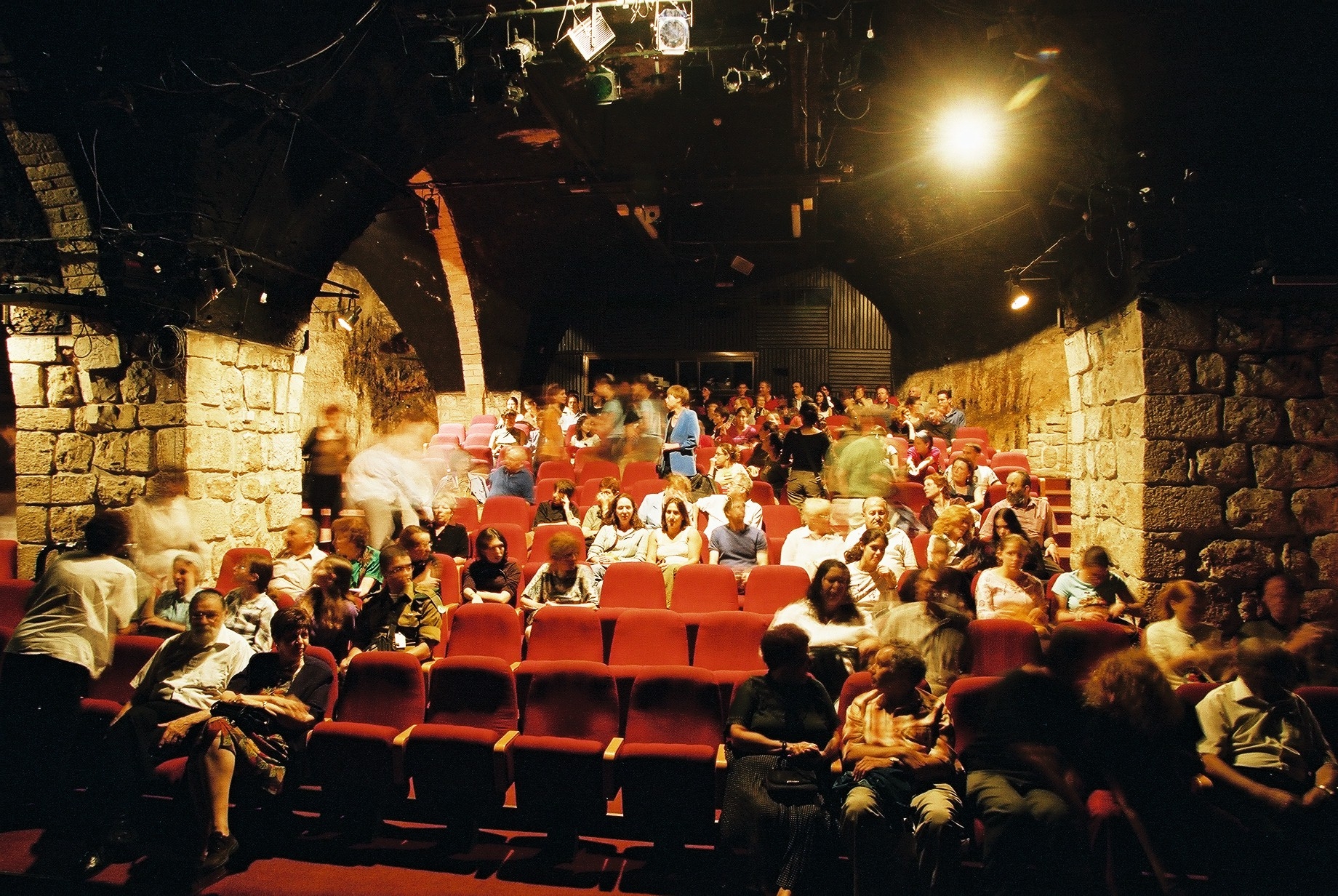
Visitors enter the striking architectural gem through the famous stone arch that has become synonymous with the theatre, passing into a complex of courtyards framed by sweeping arches and thick limestone walls. These historic features have been carefully preserved, creating an atmosphere that is both intimate and majestic. The theatre complex includes the Sylvia Shine Auditorium, the main hall with seating for approximately 320 people, and the Little Theater, an intimate space accommodating around 100 guests and the Alma Birk Rehearsal Room . Both performance spaces invite audiences to experience theatre up close, where the connection between performer and viewer feels immediate and personal.

Photos courtesy of the Jerusalem Foundation Archive

an innovative force

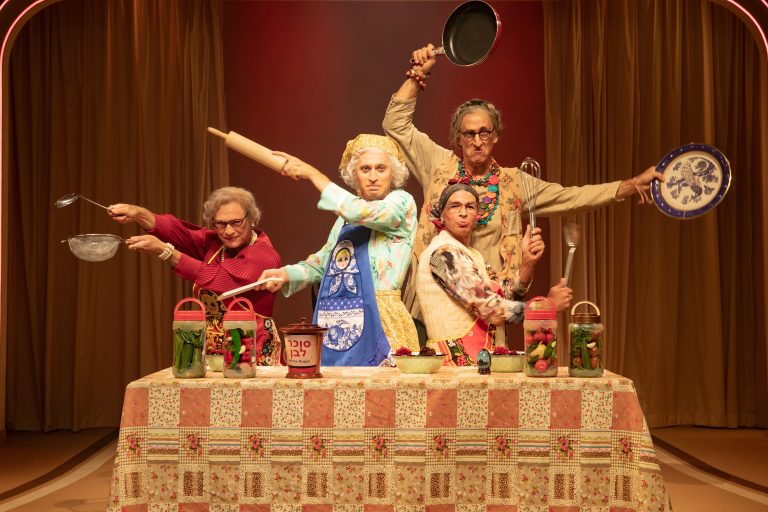
As one of Israel’s foremost repertory theatres, the Khan maintains a permanent company of actors and produces several new works each season alongside an active repertoire of ongoing productions. Its programming spans original Israeli plays as well as classical and modern works from the European and American canon. Known for its artistic rigor and distinctive creative voice, the theatre has earned widespread critical acclaim and numerous prestigious awards, and is widely regarded as one of the most innovative forces in Israeli theatre today.

'Grannies' by Shirili Desheat the Khan Theater, 2021; Photo by Yael Ilan

The theatre’s impact extends far beyond artistic production. Rooted in the belief that the arts are not a luxury but a vital human bridge, the Khan brings communities together through shared stories and imagination. In Jerusalem’s complex and diverse landscape, it presents Jewish-Arab productions that foster dialogue, offers subsidized performances for underprivileged audiences, the elderly, and people with disabilities, and leads educational outreach programs that inspire the next generation. At its core is a simple conviction: art belongs to everyone.

art for everyone

Photo by Yael Ilan

welcoming visitors

The Khan Theatre stands today as an innovative, beautiful cultural and historical landmark. It offers unique artistic experiences to thousands of visitors annually while creating meaningful opportunities for local actors, writers, directors, and artists to develop and present their craft. Within its ancient walls and beneath its sweeping arches, visitors can leave their daily concerns at the door and be transported for an evening. Safe inside the stone courtyards of the Khan, they become part of a long continuum of guests who have passed through its gates over centuries—travelers once seeking rest from the road, and today, audiences seeking reflection, imagination, and respite.
Previous
Next