Perched at the threshold of the Old City, where the timeless stones of the Armenian Quarter meet the modern pulse of Jaffa Gate, stands the Tower of David. This monumental citadel, a sentinel that has watched over the holy city for more than 2,500 years, is far more than a defensive relic; it is the physical manifestation of Jerusalem’s complex, layered identity. Today, as the Tower of David Jerusalem City Museum, it serves as a portal through which visitors can navigate four millennia of human history, culture, and relentless transformation.
paragraph title

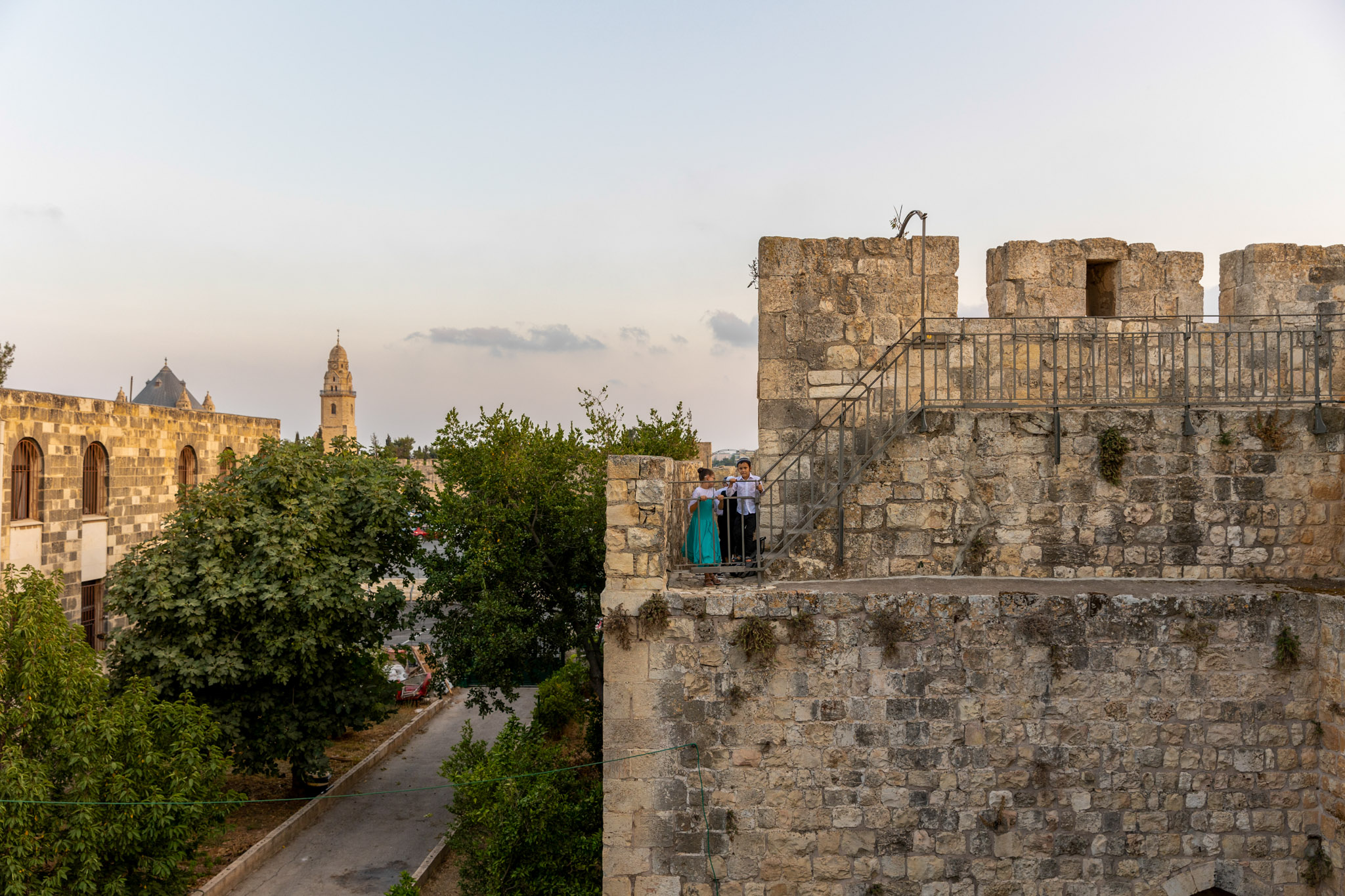
Jerusalem’s Old City occupies less than a square kilometer, yet it houses the historical and spiritual center of the city. Within its narrow streets stand some of the most revered sites in the world, sacred to Jews, Christians, and Muslims alike, and for centuries pilgrims and travelers from across continents have passed through its gates. Surrounding this dense urban landscape are the limestone walls built in the sixteenth century by the Ottoman sultan Suleiman the Magnificent. With their towers, gates, and commanding height, the walls form one of Jerusalem’s most recognizable landmarks. They mark the threshold between two Jerusalems: the ancient city within and the modern metropolis that has gradually grown around it.

Photo by Dana Bar Siman Tov

PARAGRAPH TITLE

The relationship between these two Jerusalems changed dramatically in 1967. During the Six-Day War, Israel captured East Jerusalem from Jordan, bringing the Old City under Israeli control for the first time since 1948. With the city newly unified, attention turned to the fragile historic core and to the land immediately surrounding it. The Old City’s walls remained intact, but the terrain beyond them faced mounting pressure from urban development. If left unchecked, new construction could easily have crept up to the fortifications, obscuring their scale and eroding the dramatic encounter between the ancient skyline and the landscape that frames it.

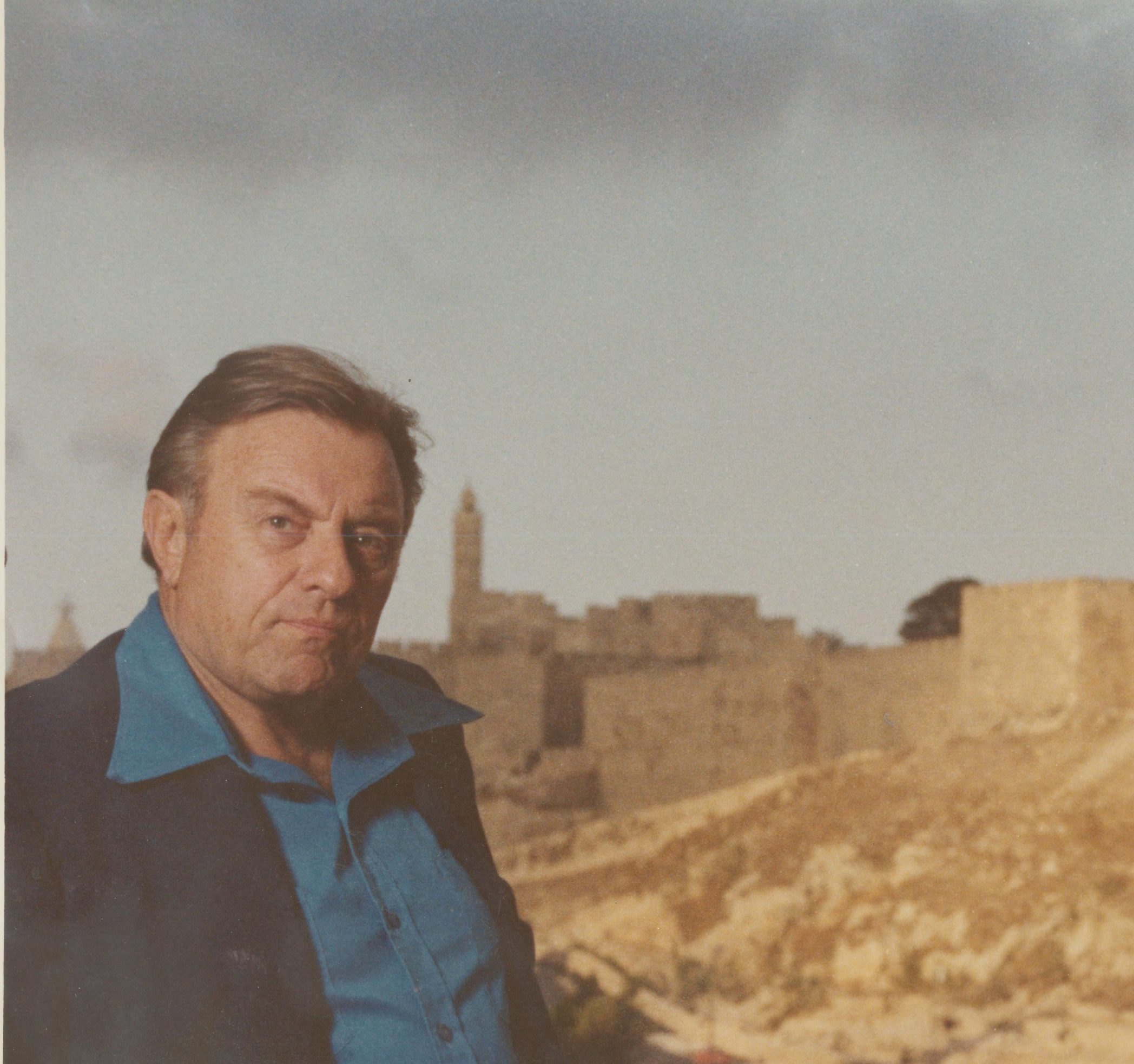
Teddy Kollek at the Jerusalem Old City Walls National Park, 1977. Photo courtesy of the Jerusalem Foundation archive

The solution that emerged was the creation of the Jerusalem Walls National Park, shaped in large part by Mayor Teddy Kollek’s vision for preserving open green areas around the Old City. Among the Jerusalem Foundation’s earliest projects, the park was designed in the years following 1967 as a continuous green belt surrounding much of the historic core. Rather than allowing development to press against the ancient ramparts, this open landscape preserved the slopes, valleys, and archaeological terrain beyond them. In doing so, the park protects not only individual sites, but also the broader setting that gives Jerusalem’s historic skyline its dramatic presence.

paragraph title

PARAGRAPH TITLE

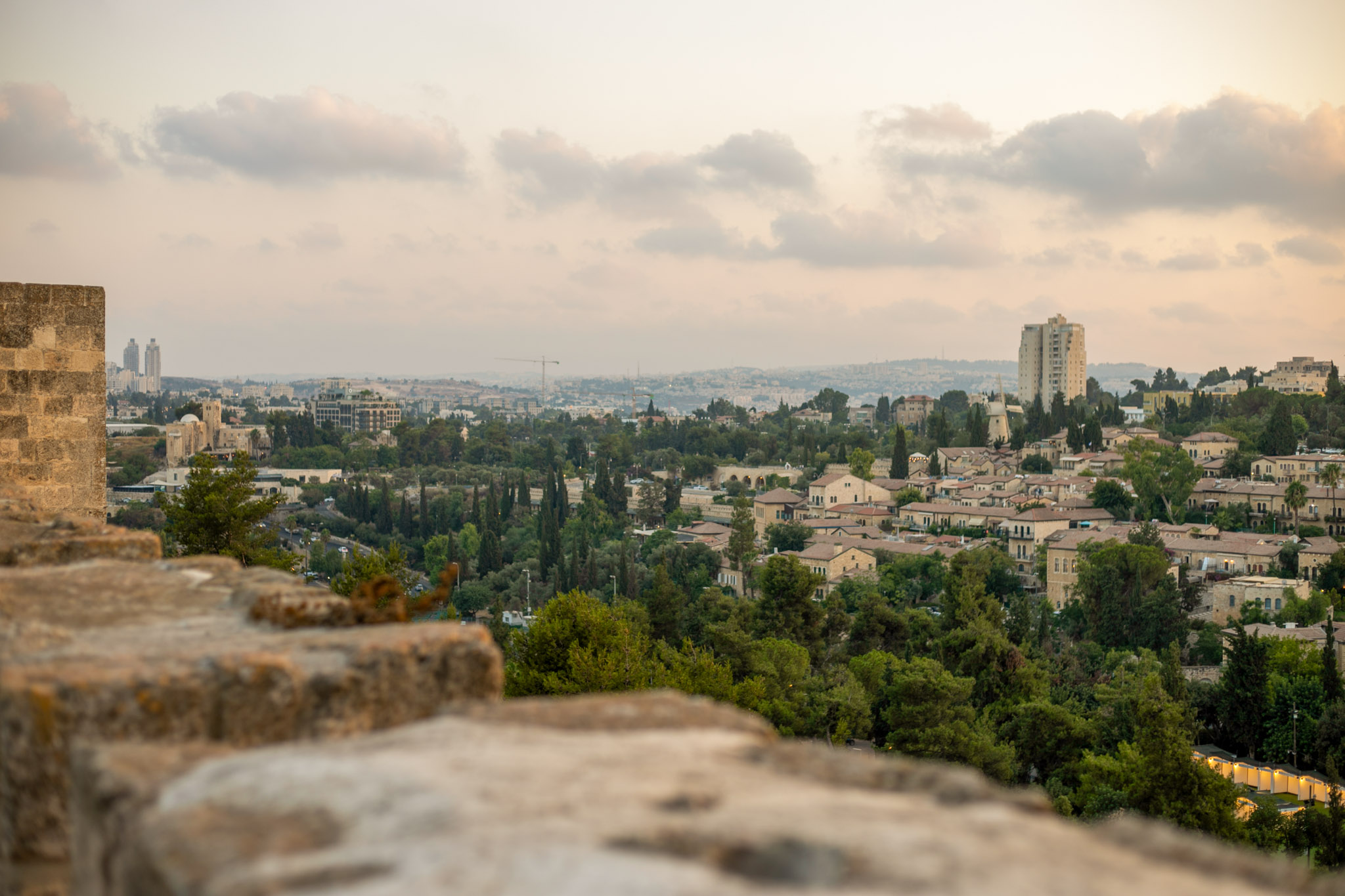
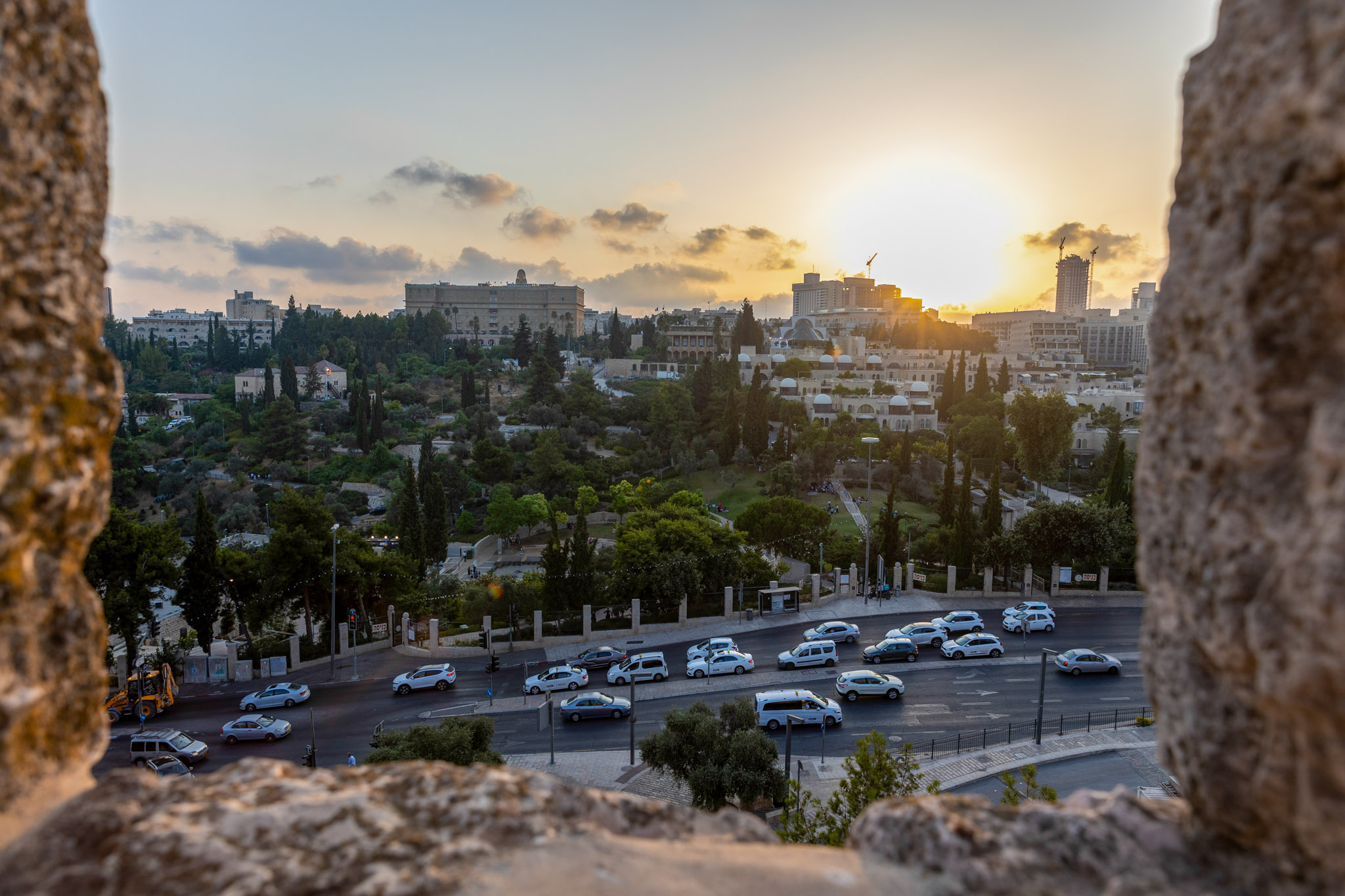
The park does not include the walls themselves; instead, it encompasses the landscape outside them. This distinction reflects an important principle—historic monuments are best understood within their environment. The fortifications of Jerusalem were built to rise above open ground, visible from a distance and approached across hills and valleys. By preserving that surrounding terrain, the national park ensures that the walls can still be experienced in something close to their original setting.

Photo by Dana Bar Siman Tov

PARAGRAPH TITLE

Stretching around much of the Old City, the park links together several historically significant areas. At its southern end lies the City of David, where excavations have uncovered ancient water systems, fortifications, and structures dating back thousands of years. From this ridge the park continues along the slopes of the Kidron Valley, Gehenna and Tzedekiah’s Cave. Together these areas form a broad archaeological and natural corridor surrounding Jerusalem’s historic center.

Today, the Jerusalem Walls National Park serves not only as a protected landscape but also as a vital public space. Paths wind along the valleys and hillsides, offering sweeping views of the Old City’s towers, gates, and domes. Residents use the trails for walking and recreation, while visitors often encounter the park as a quieter counterpoint to the crowded alleys inside the walls. The open spaces have also hosted cultural events, including outdoor concerts, film screenings and culinary events that take advantage of the dramatic backdrop.

paragraph title

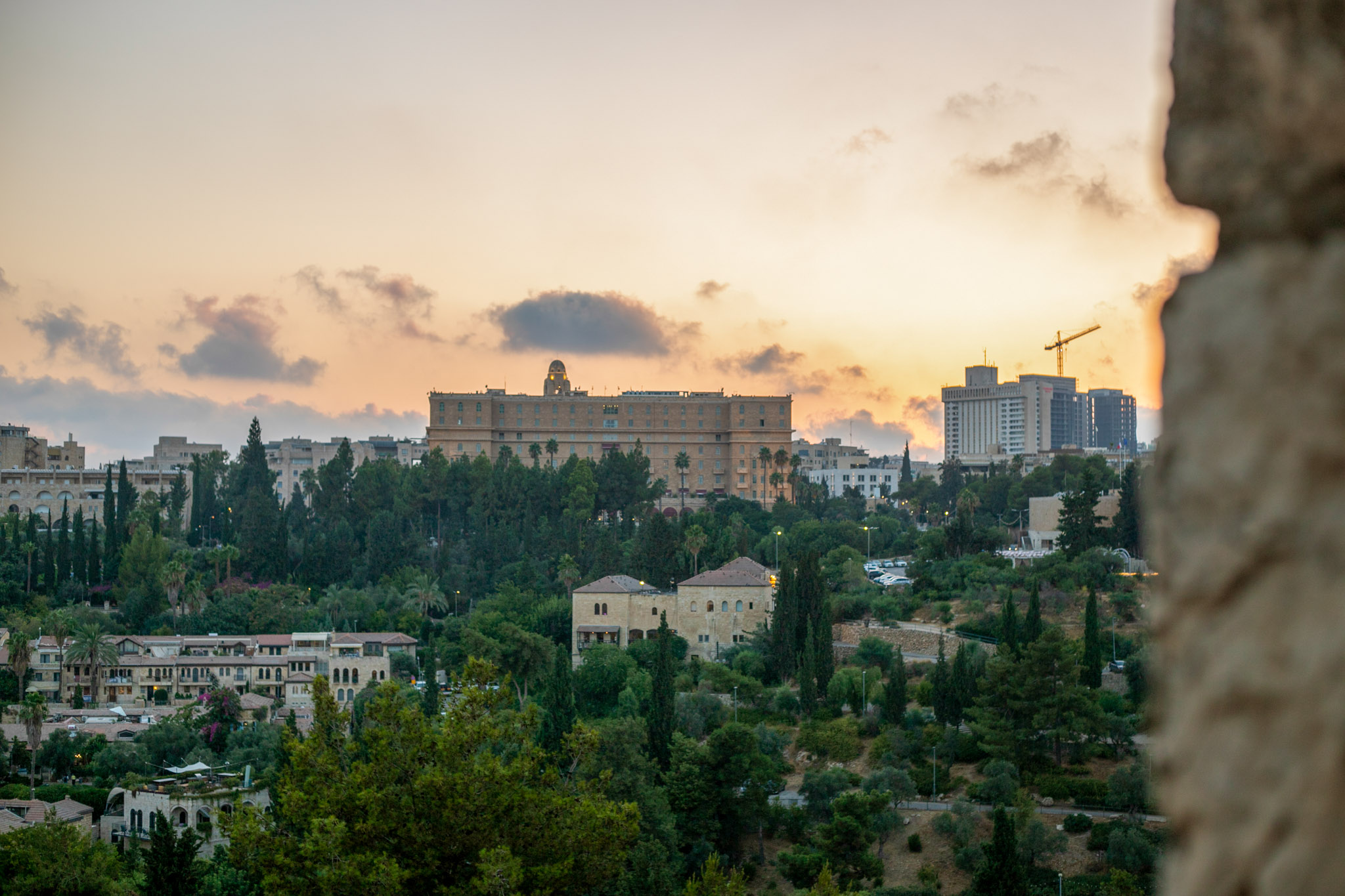
Photo by Dana Bar Siman Tov

PARAGRAPH TITLE

More than a conservation project, the park allows the Old City to be seen in its full grandeur. It preserves a green belt or buffer zone between old and new, offering a moment of pause within a busy and layered city. Tourists and Jerusalemites alike come here to step back, breathe, and look again at the skyline that has defined the city for centuries. From these slopes and overlooks, the ancient walls rise clearly above the landscape—allowing their scale, beauty, and history to be seen in full.

Previous
Next
The Bastion of Time: A Journey Through Jerusalem at the Tower of David The Khan Theater 28 Community Centers Mitchell Park and Gardens – Hinnom Valley Jerusalem Music Center Mishkenot Natural History Museum Paley Center Hurva Synagogue Jerusalem Print Workshop Wohl Rose Park Artists’ Studios Merrill Hassenfeld Amphitheater, Sultan’s Pool Beit Tamar – Ilan Byer Home for the Aged Jerusalem Botanical Gardens Ein Yael Living Museum Naggar Musrara School of Photography – Art and Society Walter and Elise Haas Promenade and Richard and Rhoda Goldman Promenade The Sam Spiegel Film and Television School Simon Rothschild Ben-Yehuda School for Special Education Teddy Stadium Bloomfield Science Museum Safra Square Modi’in Scouts Club Museum on the Seam Via Dolorosa Restoration and Accessibility Al Jabsha Elderly Center in Christian Quarter The Max Rayne Hand in Hand School for Jewish-Arab Education Israel Asper Community Action Center in Ramot The Kangaroo Family Center Jerusalem Secular Yeshiva Restoration of Montefiore Windmill to working mill Canada House – Morasha Community HaMiffal Israel Gottesman Aquarium Jerusalem Arts Campus Hassenfeld Family Wadi Joz Youth Center Kayma, the George Pinto Jerusalem Doctoral Fellows Culture Series (Sidratarbut) Misgav LeKashish Elderly Day Center Shanti House Well Baby Centers – Renovations Shai Doron Leadership Fellows Beit Hanina Community Center and Pool
Jerusalem Gardens National Park ringing Old City Walls Harry Wilf Independence Park Mishkenot Sha’ananim Cultural Center and Guesthouse Jerusalem Conservatory Hassadna Liberty Bell Park Jerusalem Cinematheque Train Theater The Hattie Friedland School for the Deaf School of Visual Theater The Jacob & Hilda Blaustein Civic Center Beit Sherman – Beit Buria The Djanogly Visual Arts Centre Tisch Family Zoological Gardens Joseph Meyerhoff Youth Center for Advanced Science Studies Jack, Joseph and Morton Mandel Gazelle Valley Urban Wildlife Park Jerusalem Scholarship Fund for Higher Education Jerusalem Resilience Center – Shaare Nefesh
The Bastion of Time: A Journey Through Jerusalem at the Tower of David 1970 Jerusalem Gardens National Park ringing Old City Walls 1970 The Khan Theater 1972 Harry Wilf Independence Park 1972 28 Community Centers 1972 Mitchell Park and Gardens – Hinnom Valley 1973 Mishkenot Sha’ananim Cultural Center and Guesthouse 1973 Jerusalem Music Center Mishkenot 1973 Jerusalem Conservatory Hassadna 1973 Natural History Museum 1976 Paley Center 1977 Hurva Synagogue 1978 Liberty Bell Park 1978 Jerusalem Print Workshop 1978 Wohl Rose Park 1981 Jerusalem Cinematheque 1981 Artists’ Studios 1981 Train Theater 1981 Merrill Hassenfeld Amphitheater, Sultan’s Pool 1981 The Hattie Friedland School for the Deaf 1981 Beit Tamar – Ilan 1982 Byer Home for the Aged 1983 Jerusalem Botanical Gardens 1985 Ein Yael Living Museum 1986 School of Visual Theater 1986 Naggar Musrara School of Photography – Art and Society 1986 Walter and Elise Haas Promenade and Richard and Rhoda Goldman Promenade 1987 The Jacob & Hilda Blaustein Civic Center 1987 The Sam Spiegel Film and Television School 1989 Beit Sherman – Beit Buria 1989 Simon Rothschild Ben-Yehuda School for Special Education 1990 Teddy Stadium 1991 The Djanogly Visual Arts Centre 1991 Bloomfield Science Museum 1992 Safra Square 1993 Tisch Family Zoological Gardens 1993 Modi’in Scouts Club 1997 Museum on the Seam 1999 Via Dolorosa Restoration and Accessibility 2000 Joseph Meyerhoff Youth Center for Advanced Science Studies 2000 Al Jabsha Elderly Center in Christian Quarter 2000 The Max Rayne Hand in Hand School for Jewish-Arab Education 2007 Israel Asper Community Action Center in Ramot 2008 The Kangaroo Family Center 2010 Jerusalem Secular Yeshiva 2011 Restoration of Montefiore Windmill to working mill 2012 Canada House – Morasha Community 2013 HaMiffal 2015 Jack, Joseph and Morton Mandel Gazelle Valley Urban Wildlife Park 2015 Israel Gottesman Aquarium 2017 Jerusalem Scholarship Fund for Higher Education 2017 Jerusalem Arts Campus 2018 Hassenfeld Family Wadi Joz Youth Center 2019 Kayma, the George Pinto Jerusalem Doctoral Fellows 2020 Culture Series (Sidratarbut) 2021 Misgav LeKashish Elderly Day Center 2023 Shanti House 2024 Jerusalem Resilience Center – Shaare Nefesh 2024 Well Baby Centers – Renovations 2024 Shai Doron Leadership Fellows 2025 Beit Hanina Community Center and Pool 2026