In 1948 the State of Israel declared its independence, and Jerusalem, newly designated as the country’s capital, began to expand at a remarkable pace. New neighborhoods rose across the western hills, government institutions took shape, and development steadily filled the spaces between the city’s older quarters. Yet one prominent hilltop, located between the busy streets of downtown Jerusalem and the Old City walls, remained open. Rather than becoming another construction site, the land was set aside as a public green space. In the rapidly growing capital, this central hill would become Independence Park.
a place of respite

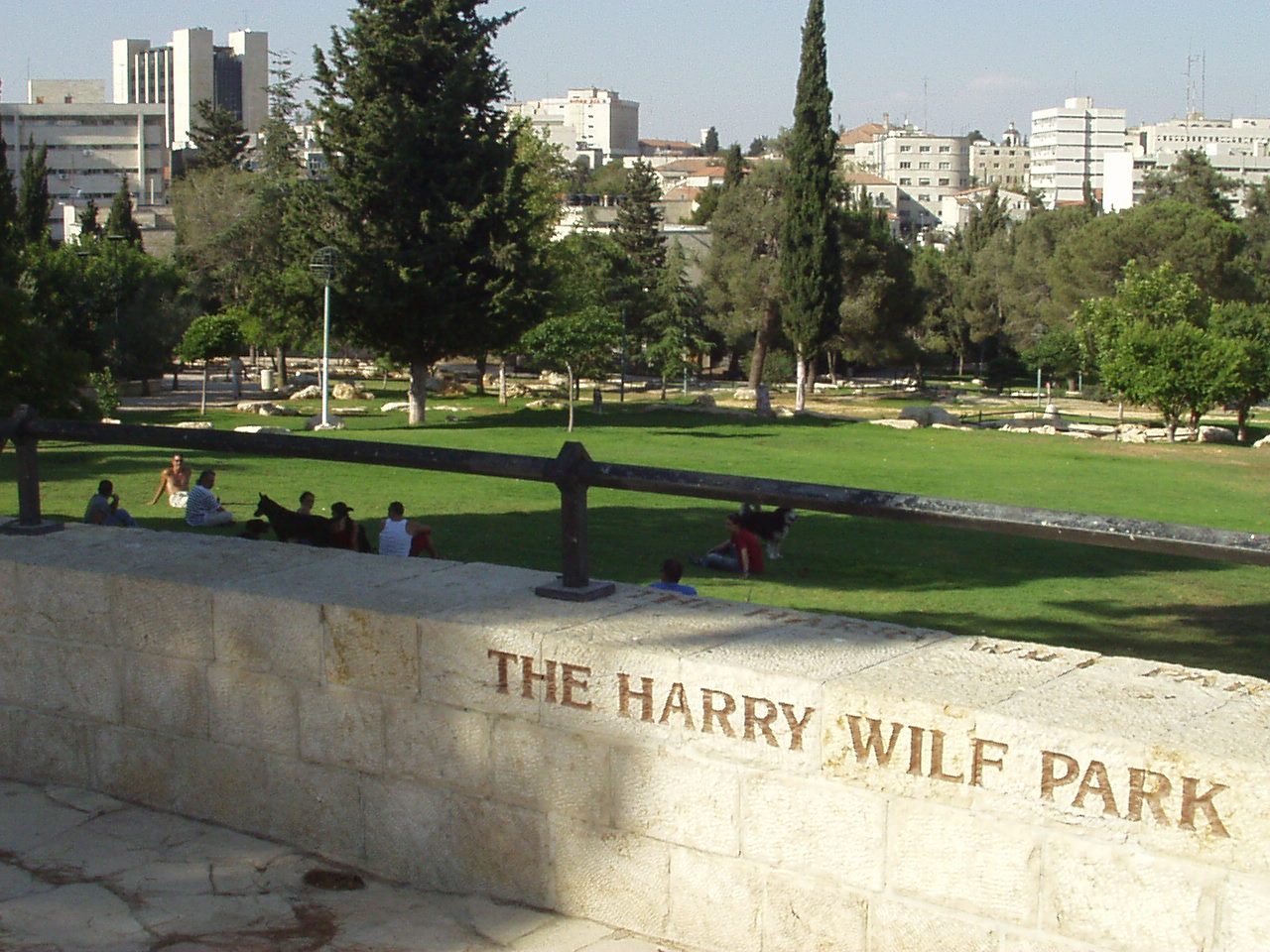
The park was established in 1958 with the support of the South African Zionist Federation to commemorate the tenth anniversary of Israel’s independence. At the time, the creation of a large urban park in such a central location carried both symbolic and practical significance. It marked the young state’s first decade while also providing Jerusalem residents with a place of respite within the dense city center.

Photo courtesy of the Jerusalem Foundation Archive

From its early years Independence Park was envisioned not only as a green space but also as a setting for public art. The Jerusalem Foundation helped shape this dimension by introducing several sculptures throughout the grounds. In 1972 the abstract bronze sculpture The Loop by the American artist Robert Engman was installed on a natural rock shelf within the park. That same year the work Skedion by Stephanie Scuris was added nearby. In 1983 the minimalist sculpture Tremor by Israeli artist Michael Gross was placed on a hill at the park’s edge. Nearly a decade later the stone sculpture Sheep by Israeli sculptor Pesach Flit was erected in the park after being created at the Jerusalem Stone Sculpture Workshop. Together these works introduced moments of artistic presence into the natural landscape.

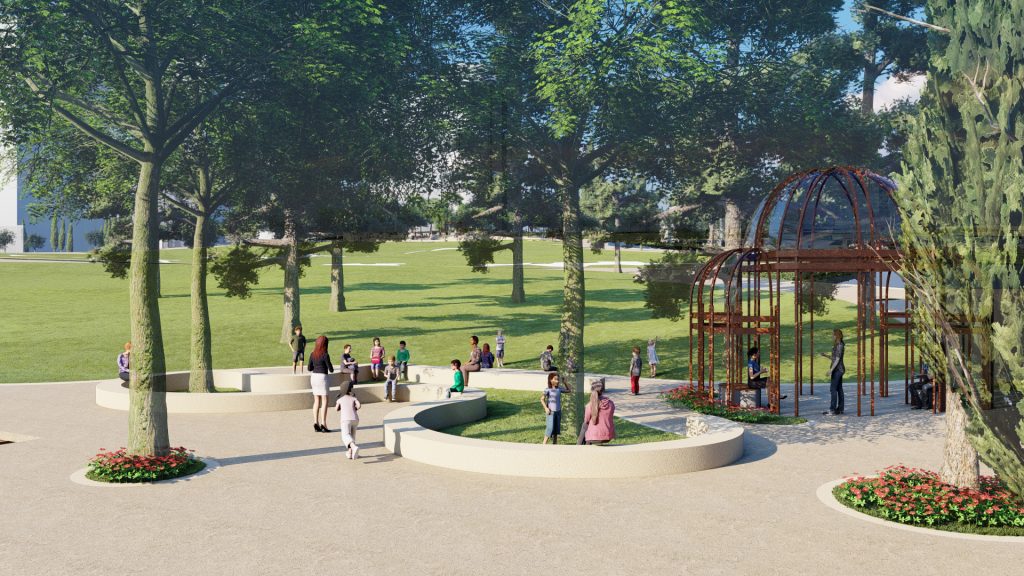
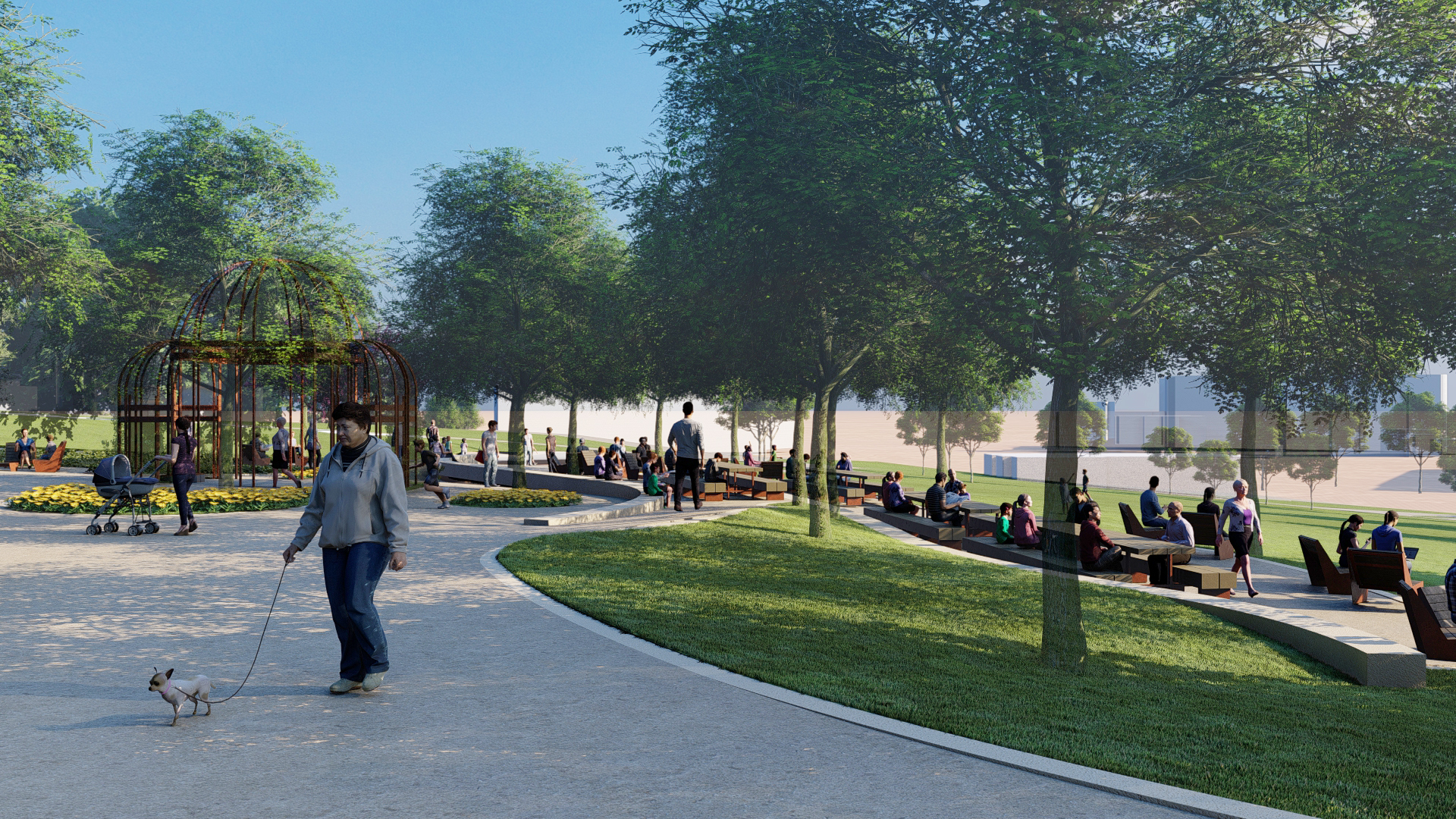
Despite its exceptional location, the park gradually fell into neglect in the following decades. By the early 1990s the grounds had deteriorated and the space was no longer serving the central role it once promised. In 1996 the Jerusalem Foundation led a major renovation that restored the park and rededicated it as the Harry Wilf Independence Park. The renewal, funded by Lenny Wilf and the Wilf Family Foundation in honor of his father Harry Wilf, was designed by landscape architect Shlomo Aronson, to reshape the terrain and reconnect the park with the surrounding city. Today, with the generous support from the Wilf Family Foundation, with matching funding from the Jerusalem Municipality, the park is undergoing further renovation and expansion, to be carried out by the Jerusalem Foundation.

Architectural visualization by Shlomo Aronson Architects

renewing the park

a gateway to jerusalem

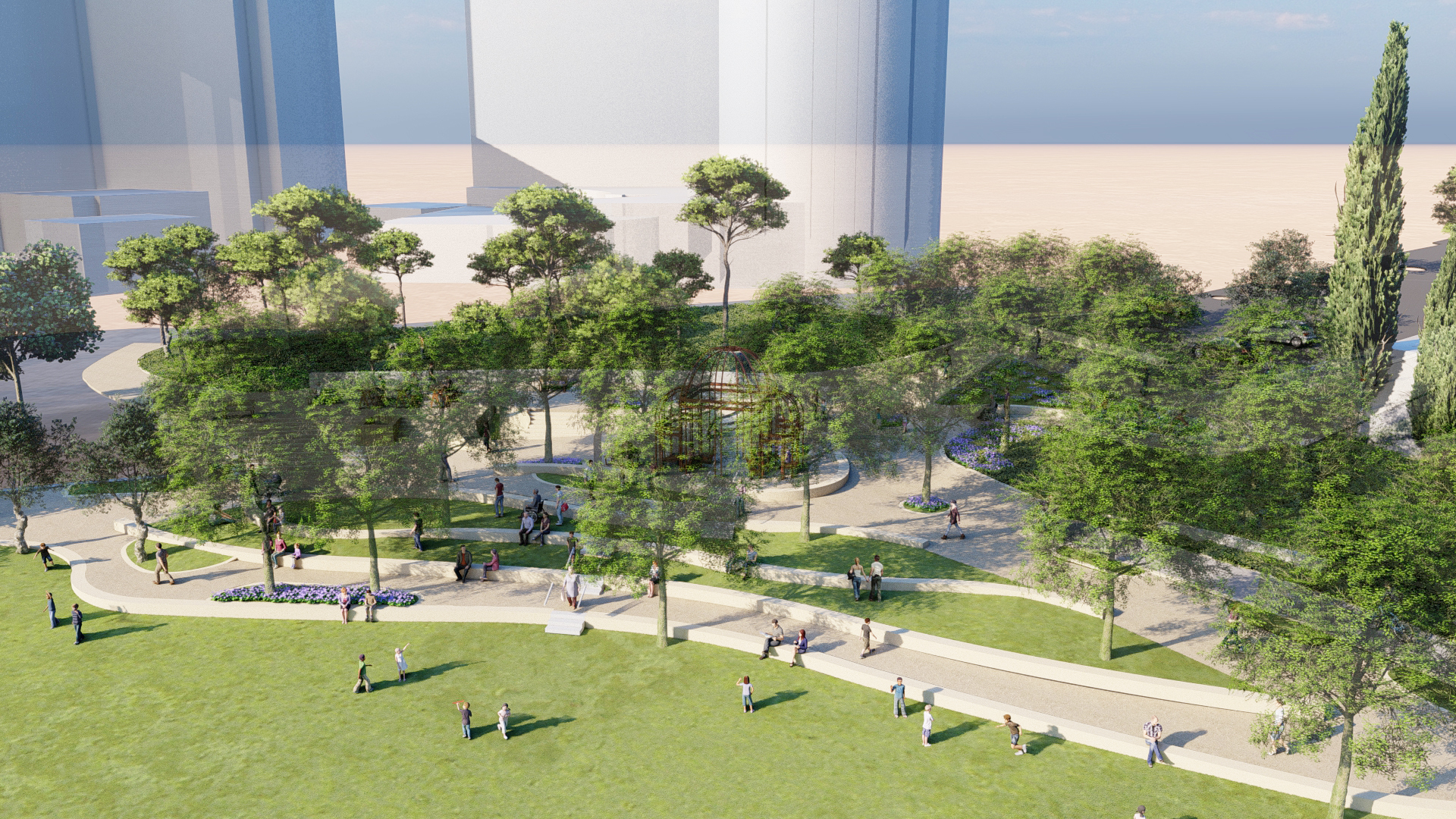
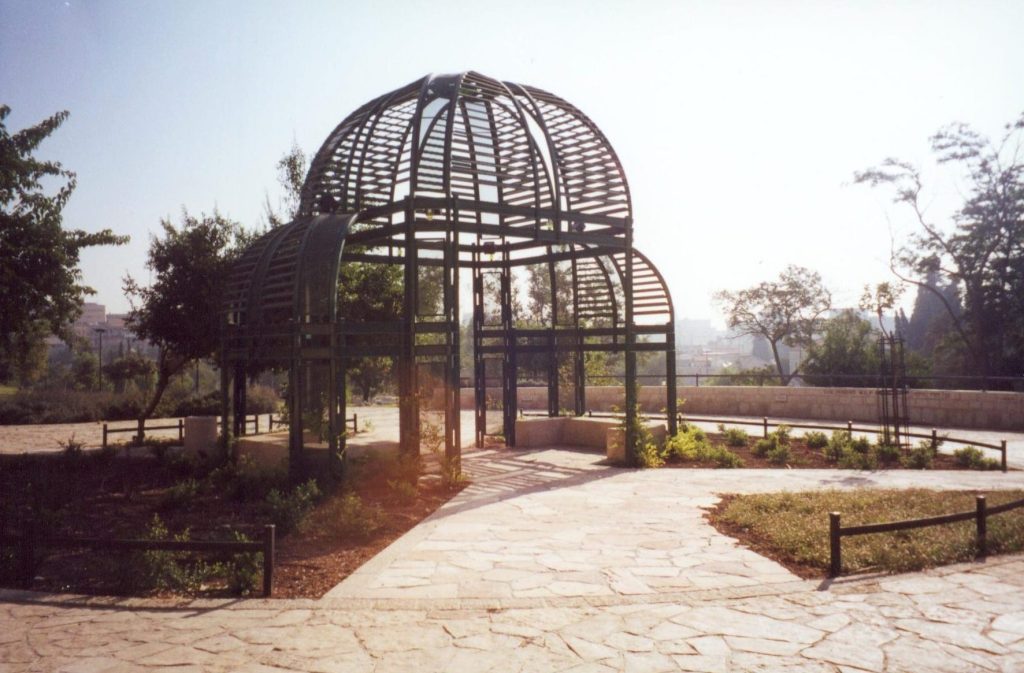
Aronson’s design introduced broad grassy slopes that rise and fall gently through the center of the park, creating an open landscape suited to relaxation and recreation. Water channels were incorporated into the design and guide visitors down the hillside toward Mamilla Pool, an ancient reservoir known since Roman times that once formed part of Jerusalem’s historic water system. The redesign also strengthened the park’s connection to the surrounding neighborhoods. A series of entrances were created to open the landscape toward the city, including the Terra Sancta Gate, Park Gate, City Gate, and Nachalat Shiva Gate. These gateways invite visitors to move easily between the streets of downtown Jerusalem and the quiet greenery of the park.

Architectural visualization by Shlomo Aronson Architects

breath of fresh air

Today Wilf Independence Park is one of the city’s most central and frequently used public spaces. Located between the Old City and the commercial heart of modern Jerusalem, it offers residents and visitors a welcome stretch of greenery within a dense urban setting. From its elevated slopes the park offers wide views toward Jerusalem’s skyline. The lawns regularly host informal gatherings as well as community events and festivals throughout the year. More than six decades after its establishment, Independence Park continues to fulfill the purpose envisioned at its founding. In the center of Jerusalem it provides an open space where the city can pause, gather, and enjoy the simple freedom of being outdoors.

Previous
Next