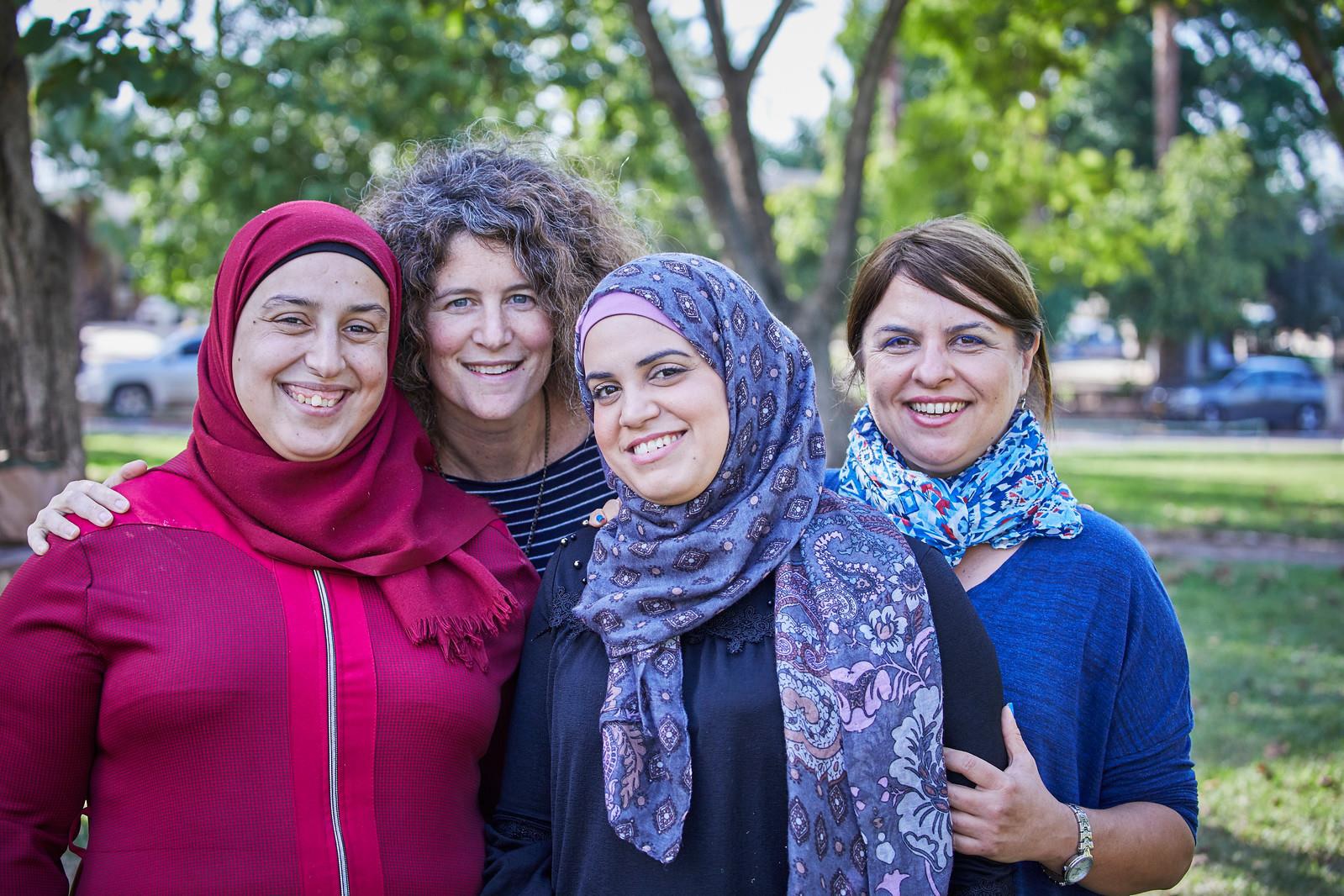
Within the hills and neighborhoods of Jerusalem live Jewish, Muslim, and Christian communities whose histories, traditions, and languages have shaped the city for centuries. Yet despite this remarkable proximity, daily life often unfolds along separate paths. Many children grow up studying in different school systems, speaking different languages, and rarely encountering one another in meaningful ways. Over time, this separation can deepen mistrust and reinforce a sense of distance between communities that share the same city. It was precisely this challenge that led to the creation of the Hand in Hand Center for Jewish-Arab Education.

learning hand in hand

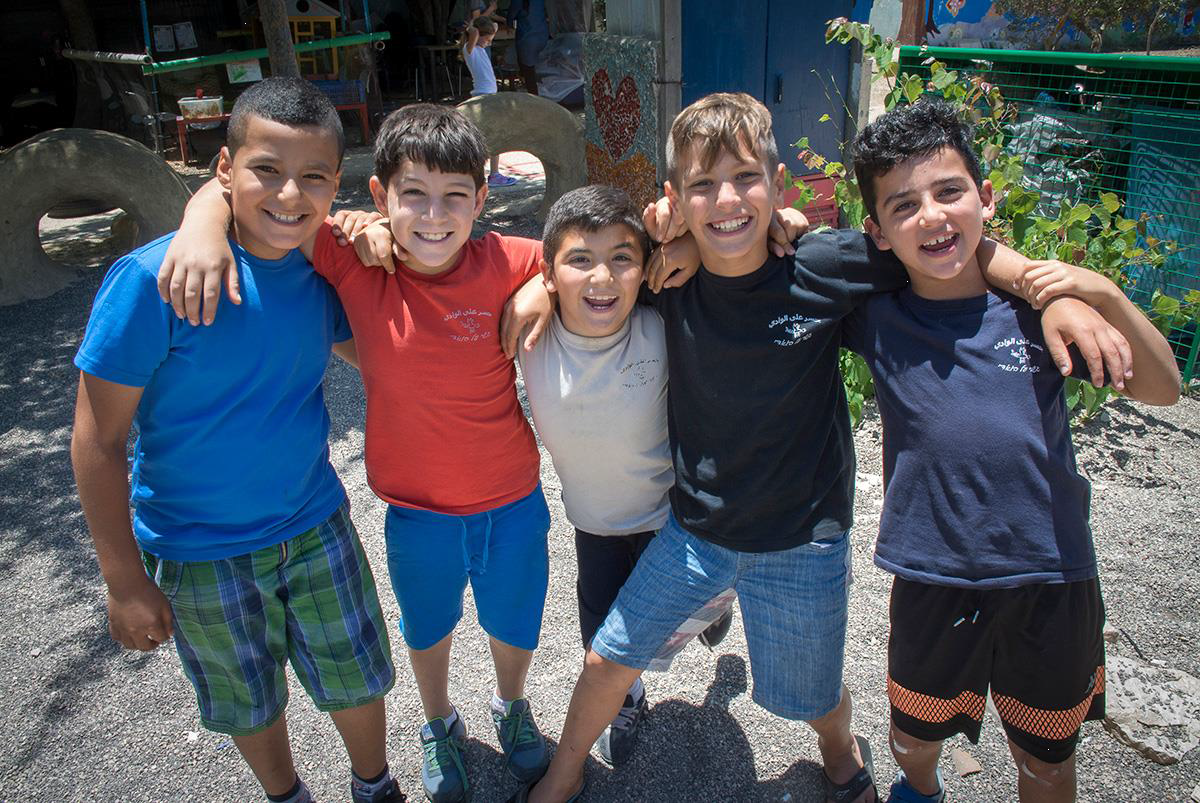
Founded in 1997 by Arab educator Amin Khalaf and Israeli educator Lee Gordon, the Hand in Hand Center for Jewish-Arab Education set out to build a new model of schooling in Israel. Their vision was both simple and deeply ambitious, to create schools where Jewish and Arab children would learn together as equals, studying in both Hebrew and Arabic while developing a shared civic culture rooted in respect and understanding. In a society where Jewish and Arab children are almost always educated separately, the creation of such schools represents one of the most ambitious and hopeful educational experiments in Israel today.

Photo by Nir Shaanani

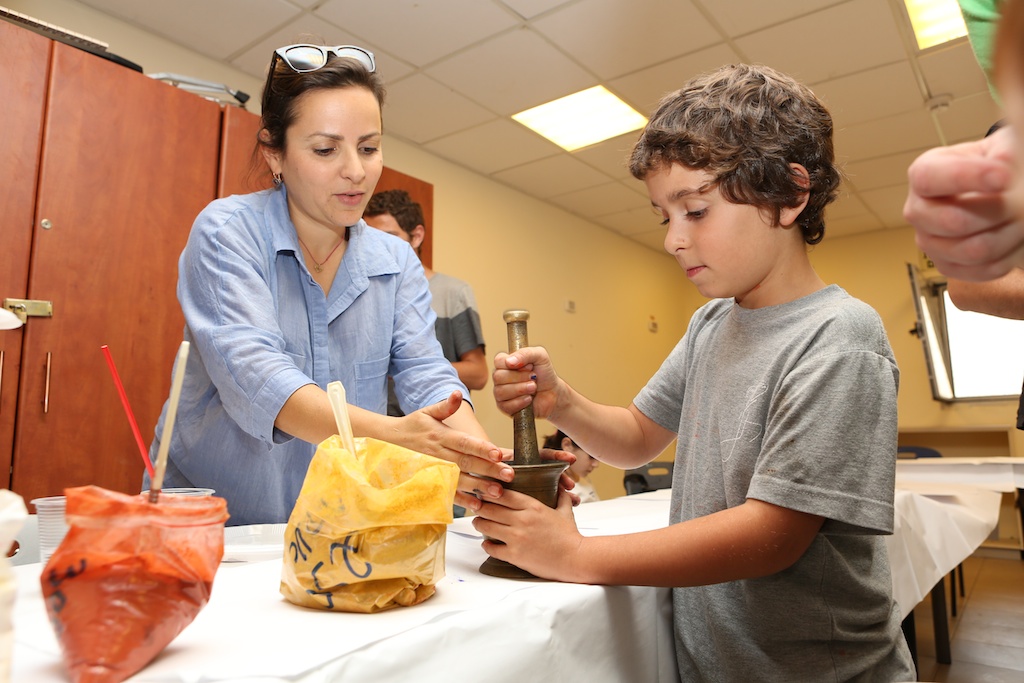
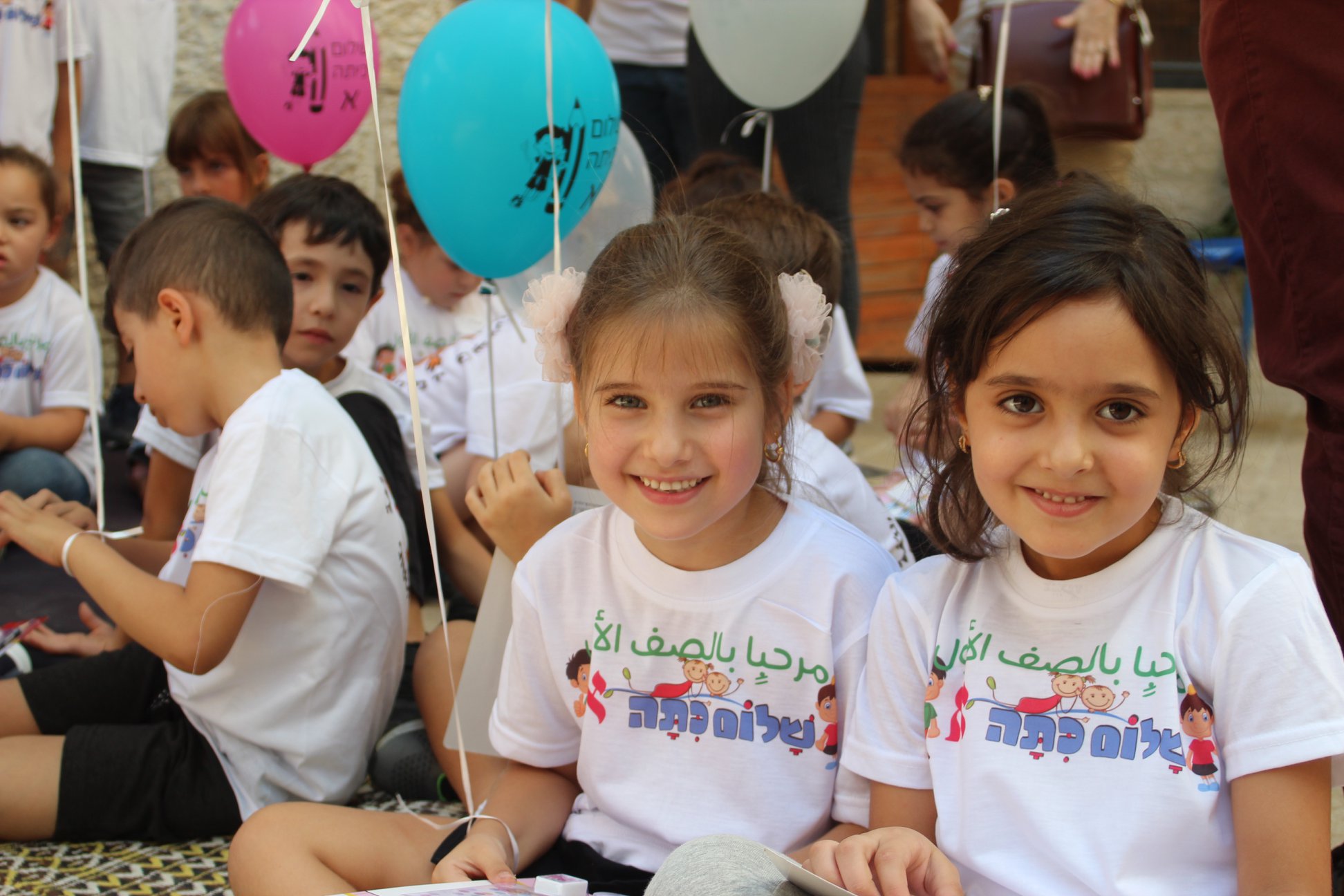
Jerusalem soon became one of the movement’s most important homes. In a city where the divisions of language, identity, and history are especially visible, the establishment of a bilingual school offered a powerful alternative. The Jerusalem Foundation was among the earliest supporters of Hand in Hand and played a central role in building the organization’s first school in Jerusalem, with major support led by the Rayne Family Foundation alongside donors from around the world. The Max Rayne Bilingual School was created as a place where Jewish and Arab students could grow up learning not only about one another, but with one another. The school’s educational model reflects this commitment to equality at every level. Each classroom includes an equal number of Jewish and Arab students and is led by two teachers, one Hebrew-speaking and one Arabic-speaking. Both languages are used throughout the school day, allowing students to become fluent in the language of the other community while strengthening their own cultural identity. In this environment, language becomes not a boundary but a bridge, opening the door to curiosity, dialogue, and mutual recognition.
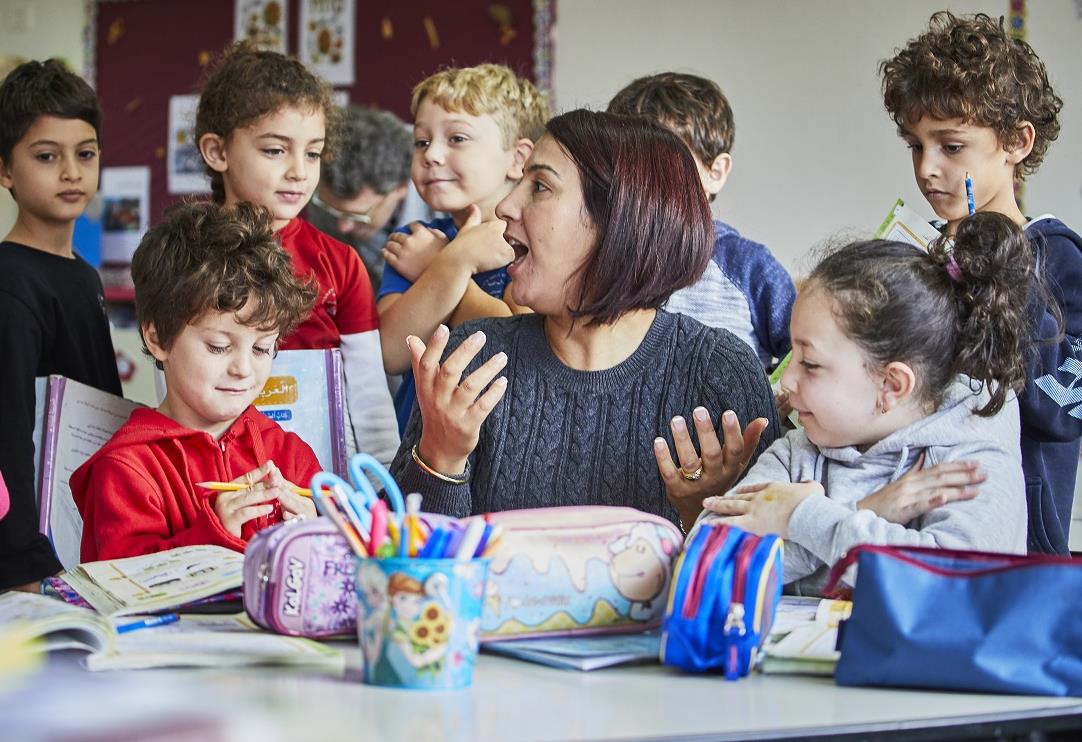
Photo by Nir Shaanani

Equally important is the school’s cultural approach. Jewish, Muslim, and Christian holidays are acknowledged and explored in ways that encourage discussion and learning. Students encounter multiple historical narratives and traditions, developing the tools to engage with complexity rather than avoid it. Parents are active participants in the life of the school, reinforcing the sense that the community being built within its walls extends far beyond the classroom.

multicultural encounters

Photos courtesy of the Max Rayne Hand in Hand School

a permanent home

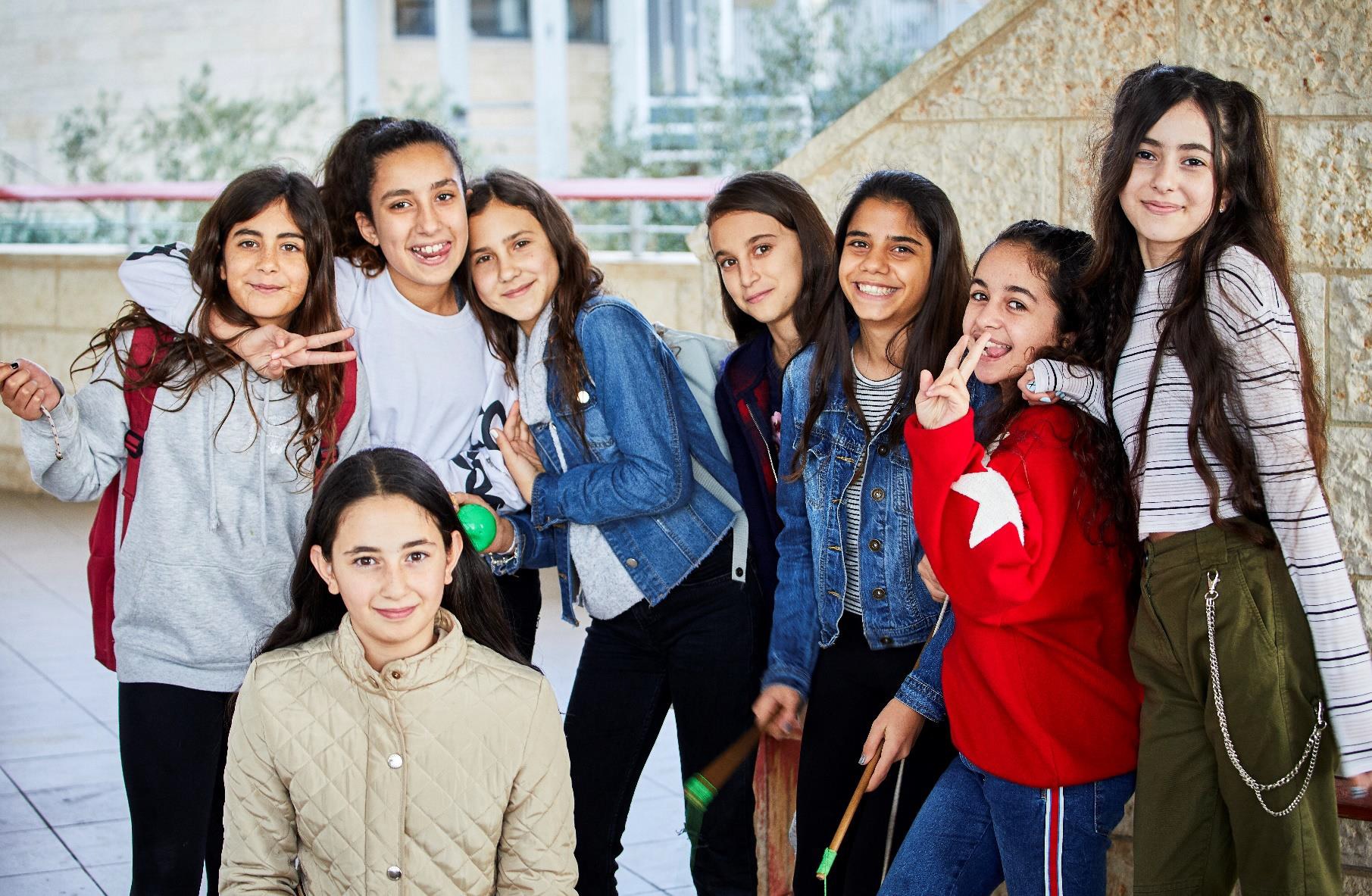
The school’s permanent campus, completed in 2007, was built by the Jerusalem Foundation, which led the fundraising efforts for the project. Designed by architect Zeev Druckman and situated between the Patt and Beit Safafa neighborhoods, the campus was intentionally located at a meeting point between Jewish and Arab Jerusalem. The building includes 26 classrooms along with art and science laboratories, computer rooms, and a music and movement studio, as well as a central library and landscaped gardens that support bilingual learning and shared activities across the campus. The campus also includes a kindergarten program, allowing children to begin this shared educational journey from the earliest years and culminates in a high school building, which was added at a later stage.

Photo courtesy of the Max Rayne Hand in Hand School

investing in shared society

What takes place inside the classrooms of the Hand in Hand school is more than education. It is a quiet but profound effort to imagine a different future for Jerusalem itself. By learning together from the earliest years, speaking one another’s language, and coming to understand one another’s cultures, these students are building relationships that challenge the divisions of the past. In doing so, they offer a powerful reminder that a shared society grows through the daily experience of learning, speaking, and living together, hand in hand.

Photo courtesy of the Max Rayne Hand in Hand School
Previous
Next