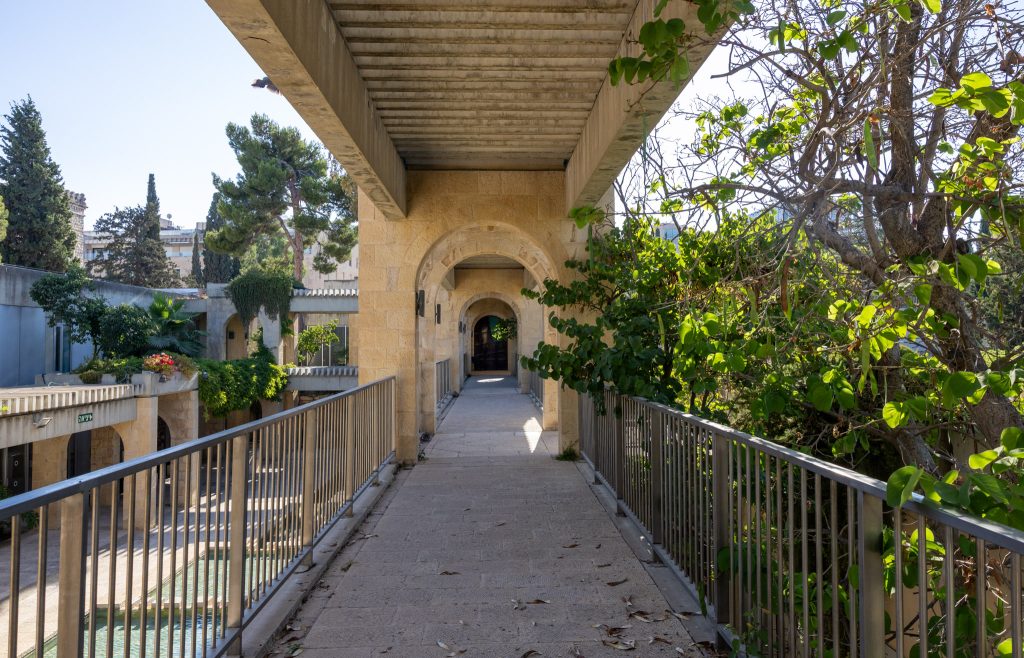
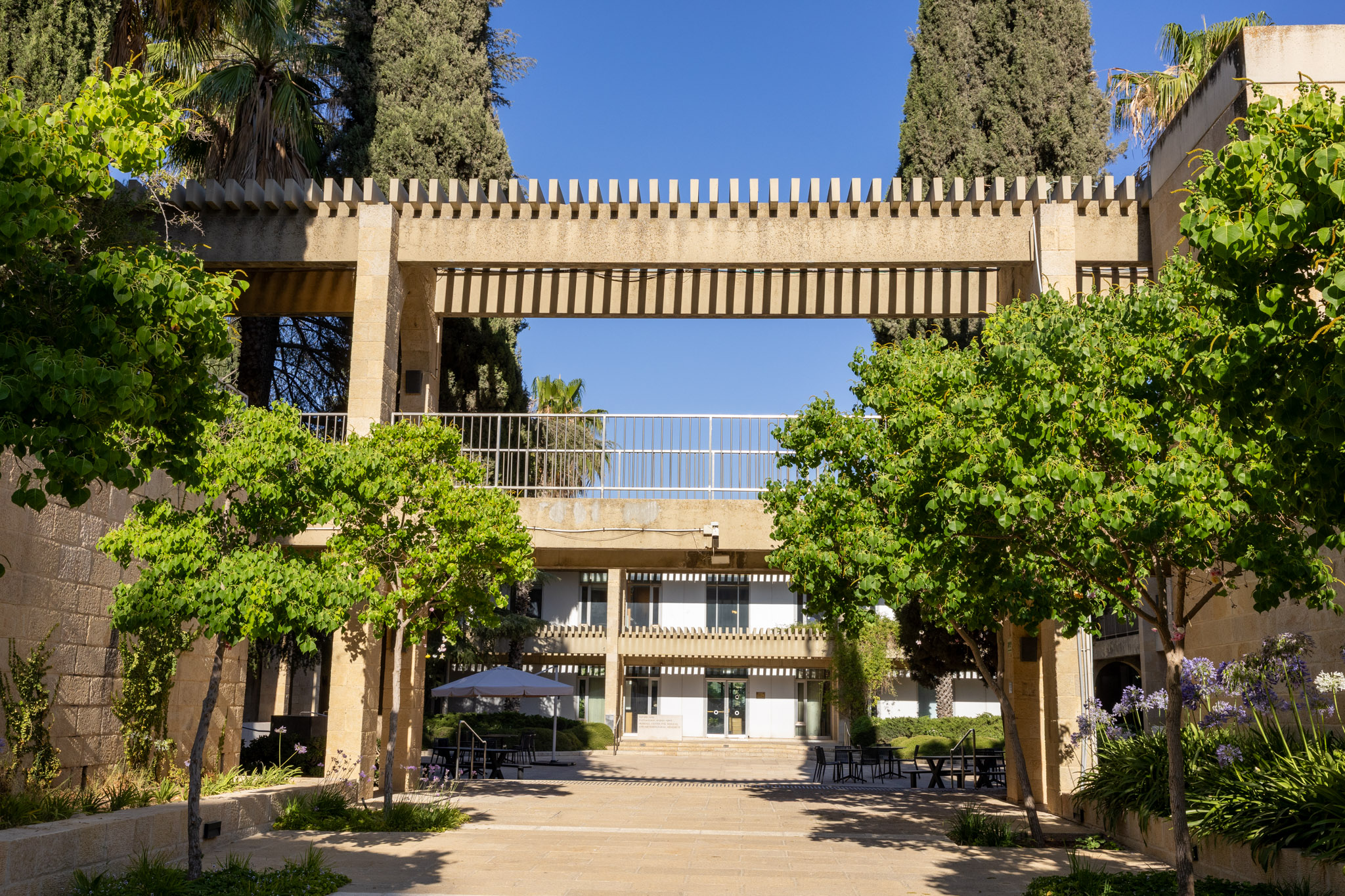
In the center of Jerusalem stands a building whose history contains an unlikely convergence of stories. The same halls that once hosted the trial of Adolf Eichmann have also welcomed the Vertigo Dance Company, lectures of the Popular University, Hebrew classes for new immigrants, children’s performances, and community gatherings of every kind. For generations of Jerusalem residents the building has been known simply as Beit Ha’am, the People’s House. Today it forms the heart of the Jacob and Hilda Blaustein Civic Center, one of the city’s most active cultural complexes.

the people’s house

The idea behind a “people’s house” in Jerusalem predates the building that stands today. Already in the early decades of the twentieth century, residents sought a place where the public could gather to hear lectures, attend performances, and discuss the events shaping the young society around them. For many years Beit Ha’am functioned as a cultural center without a permanent home, hosting public lectures, concerts, and debates in borrowed halls across the city. The aspiration was simple. To create a house that belonged to the public, open to all.

on trial

In 1951 the cornerstone was laid for Beit Ha’am’s first dedicated building in the center of Jerusalem. A decade later, in 1961, the new structure was completed, providing the city with a large modern auditorium designed to host the cultural life that had long animated the institution. Yet the building’s first major role proved entirely unexpected. That same year, when Israel prepared to hold the trial of Adolf Eichmann, officials searched for a venue capable of accommodating hundreds of journalists and observers from around the world. The newly completed Beit Ha’am, with its large hall and central location, became the setting for one of the twentieth century’s most consequential trials. For months the proceedings unfolded within its walls, transforming a civic auditorium into the setting for one of the twentieth century’s most consequential legal moments.
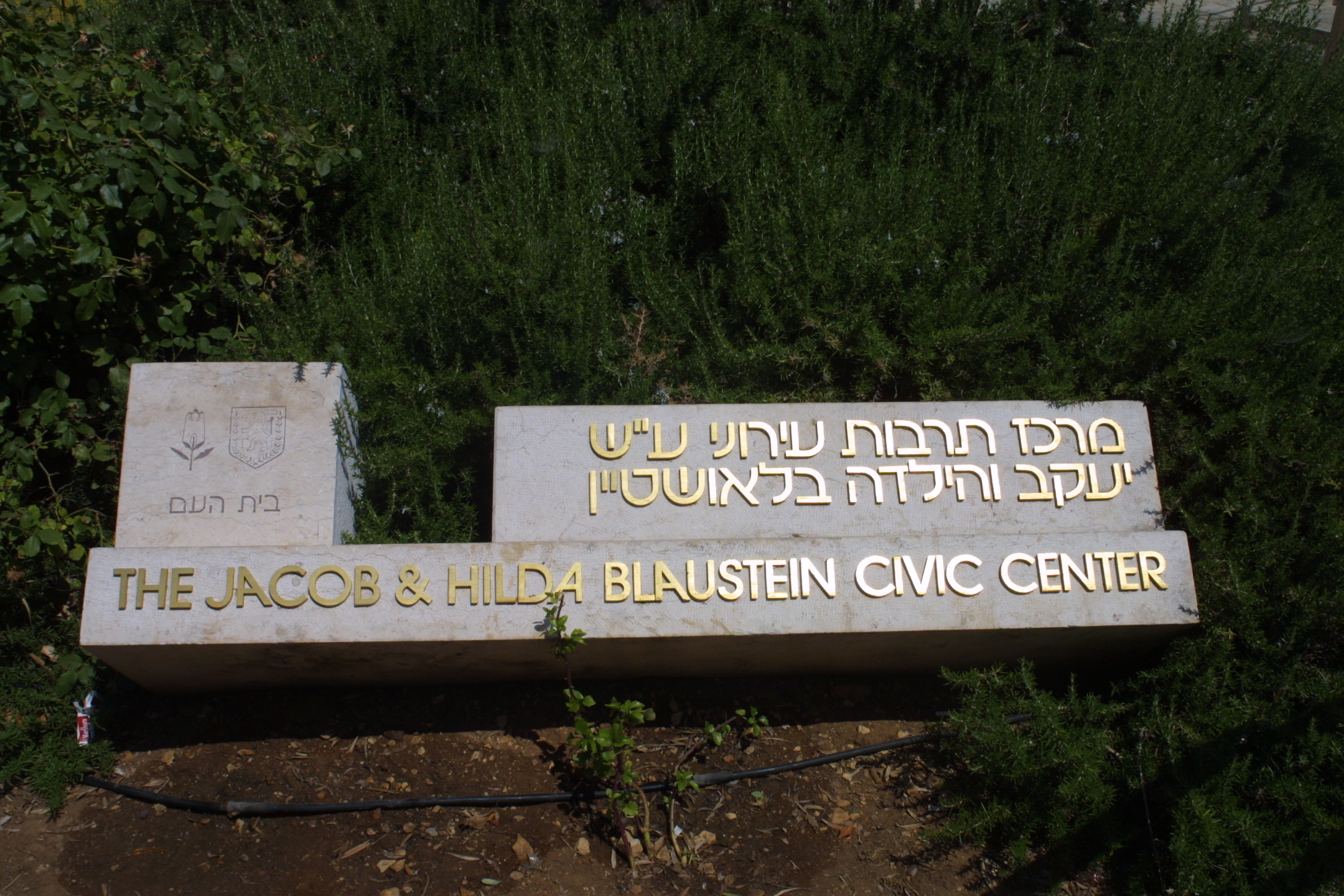
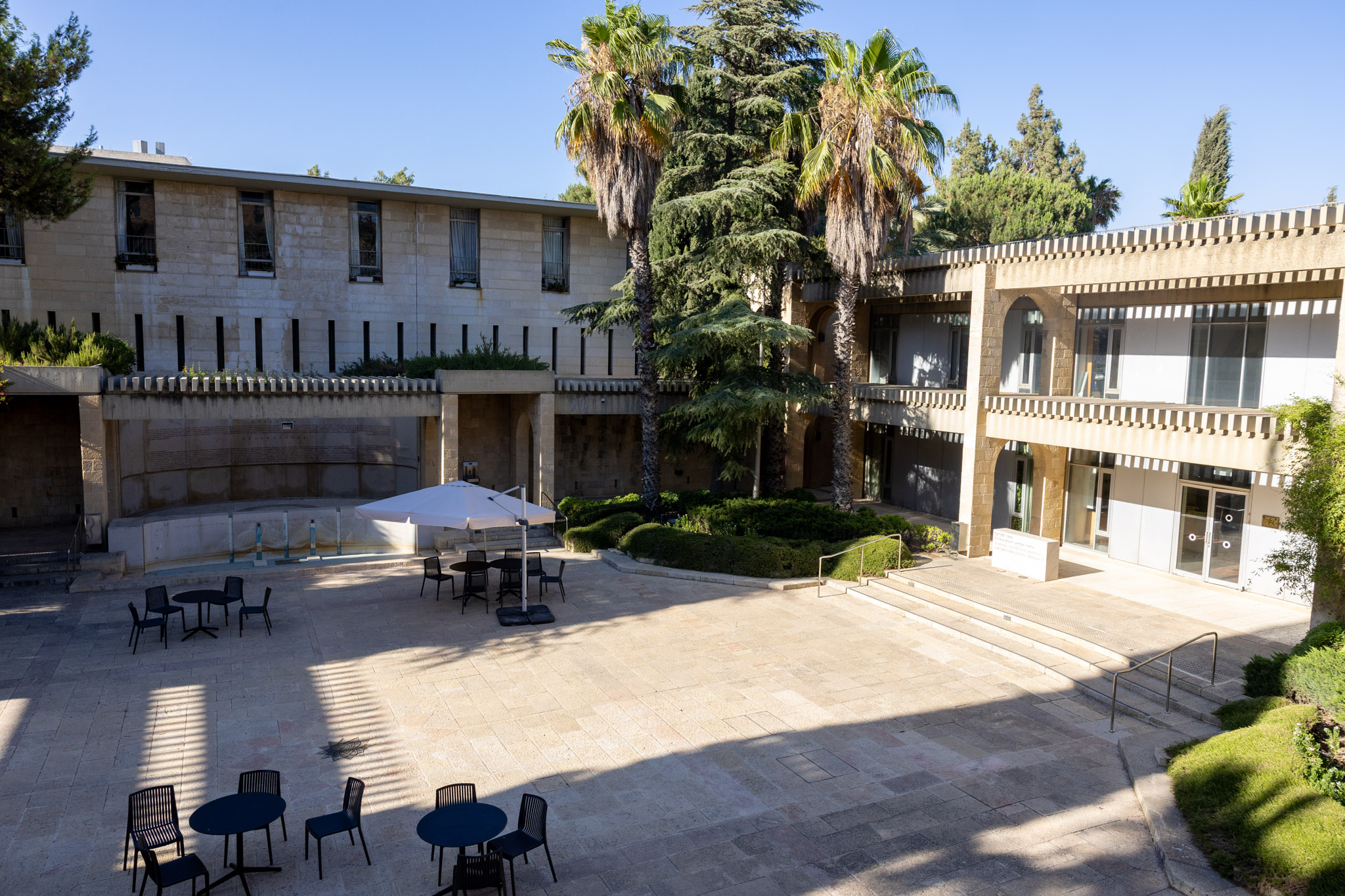
Photo by Dana Bar Siman Tov

After the trial concluded, the building returned to its original purpose as a place of lectures, performances, and public gatherings. Over time the complex expanded to include additional cultural and educational institutions, among them the Central City Library, an ulpan for Hebrew language study, and the Popular University, an adult education framework offering courses in subjects ranging from literature to science.

a cultural institution

Photo by Dana Bar Siman Tov

A major transformation came in 1987, when the Jerusalem Foundation supported an extensive renovation that unified these institutions into the Jacob and Hilda Blaustein Civic Center. The project incorporated Beit Ha’am together with the adjacent Leo Model Hall and the Gerard Behar Center, creating a centrally located civic complex. Continued support from the Jerusalem Foundation strengthened the center in the years that followed, including improvements to classrooms and reading rooms, the expansion of the Central City Library, and the creation of language learning facilities.

Today the center remains one of Jerusalem’s most active public cultural spaces. Its theaters host a steady stream of performances that range from drama and comedy to concerts and children’s productions. Audiences gather for cultural lecture series and literary events, while festivals and special programs bring artists from Israel and abroad to the stage. Dance companies rehearse and premiere new works in its studios, and the halls regularly welcome conferences, exhibitions, and public gatherings. Nearby, the ulpan continues to teach Hebrew to new immigrants and visitors, while the Central City Library and the Popular University offer learning opportunities that carry forward the center’s long tradition of civic education.

Photo by Dana Bar Siman Tov

the enduring spirit

After decades of activity and a surprising political past, the spirit of Beit Ha’am endures. It remains what its founders imagined from the beginning, over a century ago — a house for the people of Jerusalem.

Previous
Next