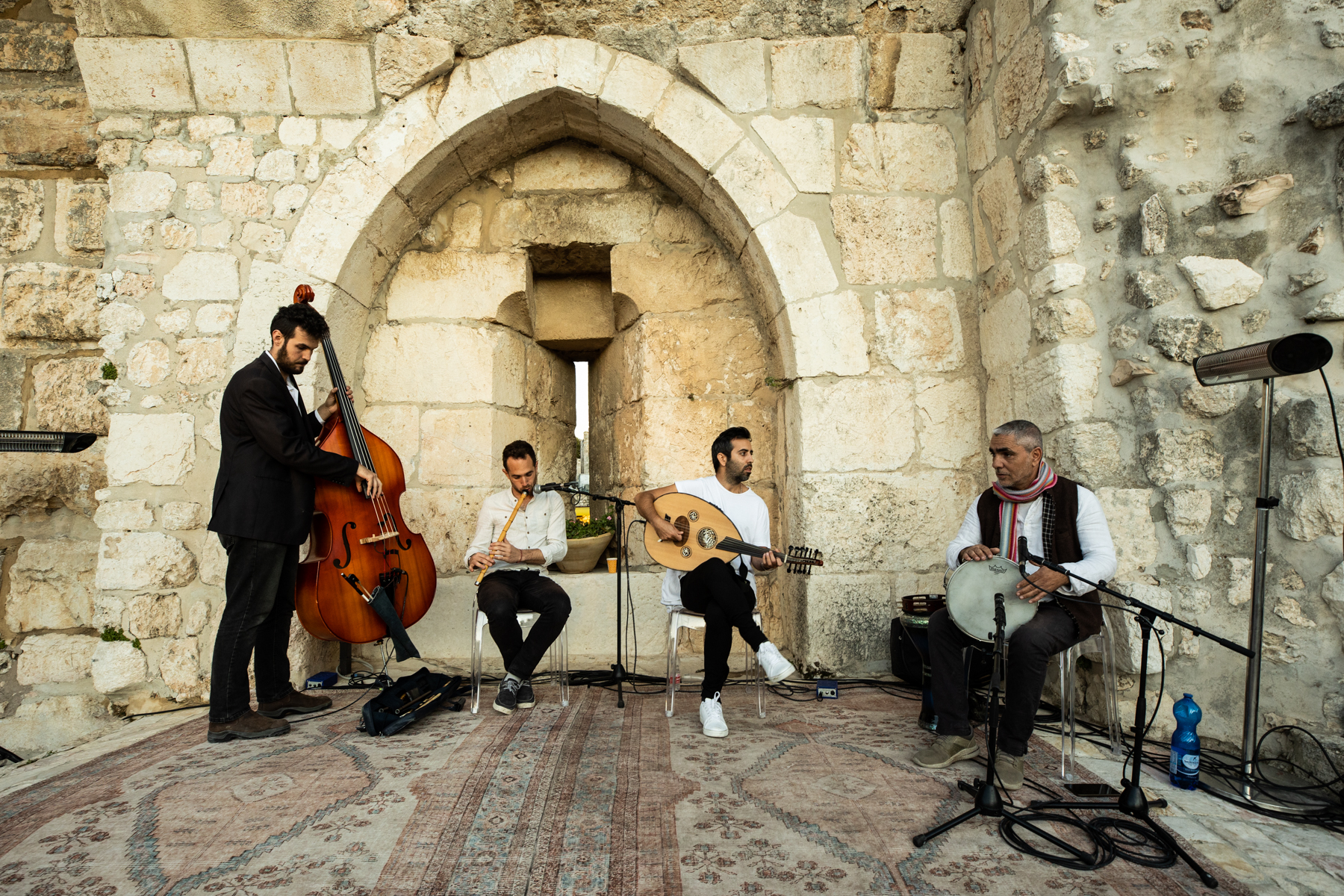
Photo by Oded Antman
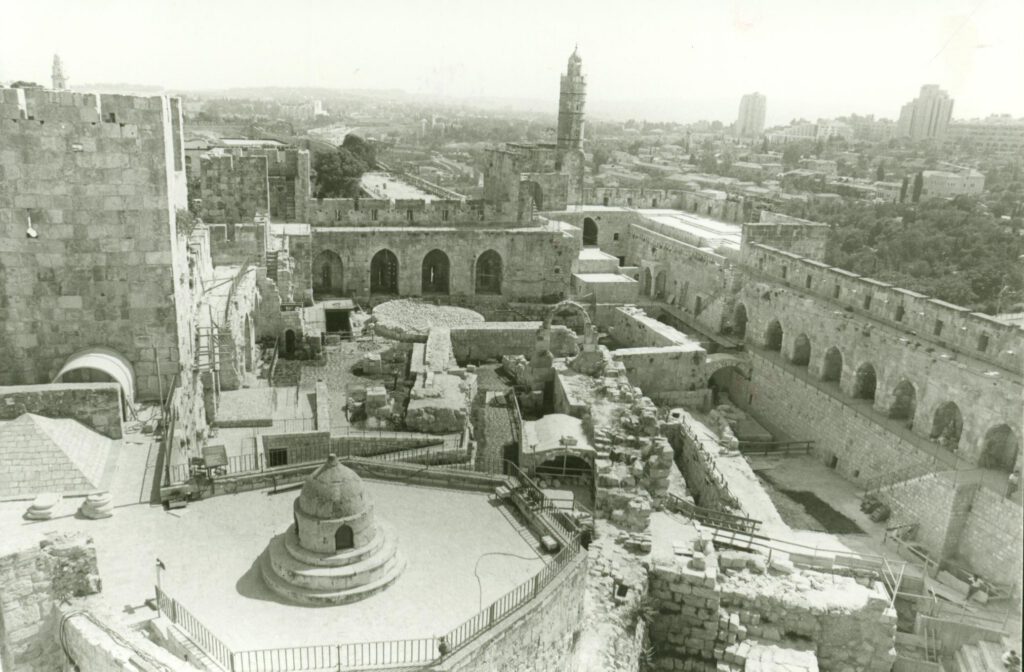
1970
For nearly three millennia, the Tower of David has stood at one of Jerusalem’s most important crossroads, shaped and reshaped by the civilizations that passed through the city. Today, following an ambitious renewal supported by the Jerusalem Foundation, the Clore Israel Foundation, and Dame Vivien Duffield, the ancient citadel has been transformed into a modern, accessible museum that brings Jerusalem’s layered history to life while preserving the very stones through which that history unfolded.
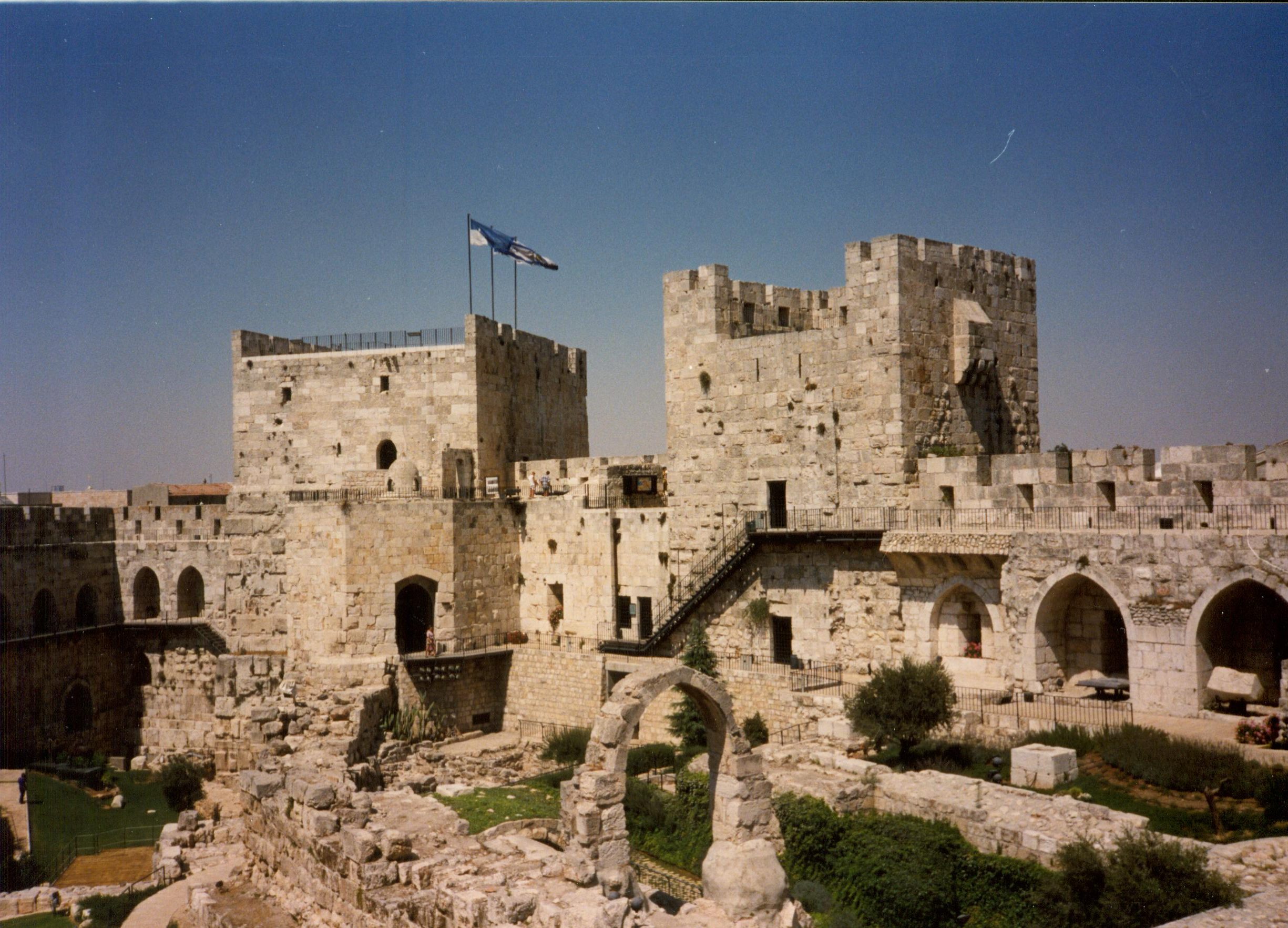
At the entrance to Jerusalem’s Old City, beside the bustle of Jaffa Gate, the Tower of David rises from foundations that reach back nearly three thousand years. Built upon fortifications from the First Temple period and strengthened during the reign of Herod in the Second Temple era, reshaped by Mamluk rulers and crowned with an Ottoman minaret that still defines the skyline, the citadel embodies the succession of civilizations that formed Jerusalem. More than a monument, it stands at the precise point where visitors cross from the contemporary city into its ancient heart, offering in one sweeping architectural composition, a condensed history of Jerusalem itself.
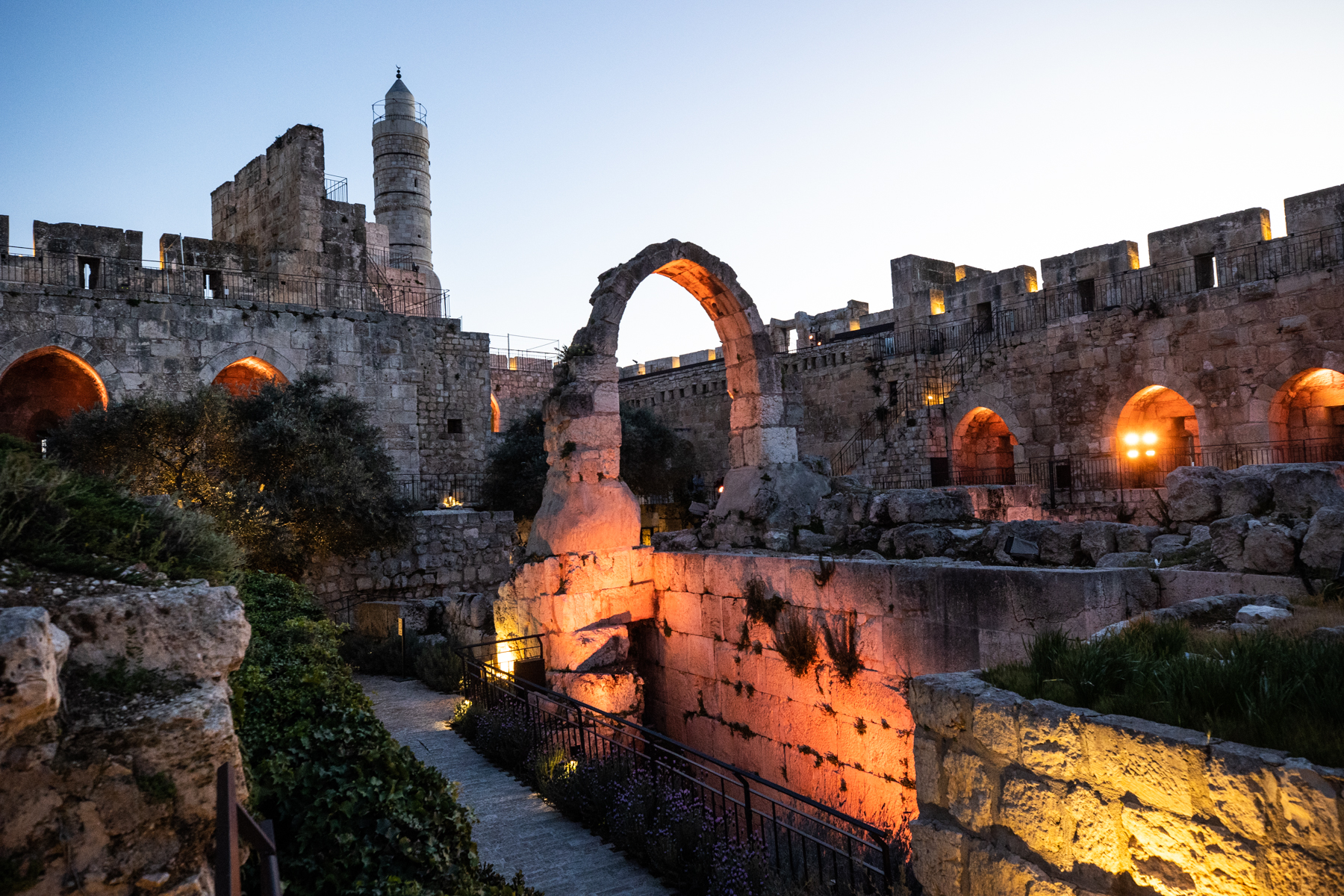
Archaeological excavations within the citadel reveal that the oldest remains on the site date back nearly 2,700 years, to the end of the First Temple period, when Jerusalem’s western hill was first fortified. In the Second Temple Period, Herod the Great constructed massive towers and defensive walls here to protect his palace complex. Though the Romans later destroyed much of the city in 70 CE, fragments of these Herodian foundations remain visible today, anchoring the site in the dramatic events of antiquity. Subsequent centuries saw Crusaders fortify the complex, Ayyubids rebuild it, and Mamluks expand and reinforce it. The structure that stands today owes much to the Mamluk period (13th–16th centuries), while the slender minaret, often mistakenly identified as the biblical “Tower of David,” was added under Ottoman rule in the 17th century. Each era left its mark, creating a rare architectural palimpsest in stone.
In 1977, The Jerusalem Foundation worked to establish the famous tower as a museum dedicated to the history of Jerusalem, integrating the physical site into the storytelling itself. It served as a place where visitors could move through ancient guardrooms and vaulted halls while tracing the city’s political, religious, and cultural evolution. The setting was not merely a backdrop; it was an active participant in the narrative. Thanks to the involvement of the Clore Israel Foundation and Dame Vivien Duffield, continuing her father, Sir Charles Clore’s legacy, the new Museum opened its doors in 1983.
After decades of operation as a leading historical museum, the Tower of David underwent an ambitious, multi-year renewal project, reopening in 2023 as a fully reimagined Jerusalem City Museum. This was possible only thanks to the continued engagement of the Clore Israel Foundation and the major support and leadership of Dame Vivien Duffield. The project combined meticulous conservation of the ancient structure with the creation of a state-of-the-art museum experience. Advanced climate-control systems were installed to protect archaeological remains; new galleries were carved into previously inaccessible spaces; and cutting-edge multimedia installations were integrated seamlessly into the historic fabric of the citadel. A central component of the renewal was accessibility. Historic fortresses are often breathtaking, but notoriously difficult to navigate. The reconstruction addressed this directly, incorporating elevators, accessible pathways, and thoughtfully designed circulation routes throughout the complex. Tactile models, audio guides, multilingual interpretation, and accommodations for visitors with visual, auditory, and mobility needs ensure that the story of Jerusalem can be experienced by all. The museum’s commitment to accessibility reflects a deeper belief—that the story of Jerusalem should be open, navigable, and accessible to all.
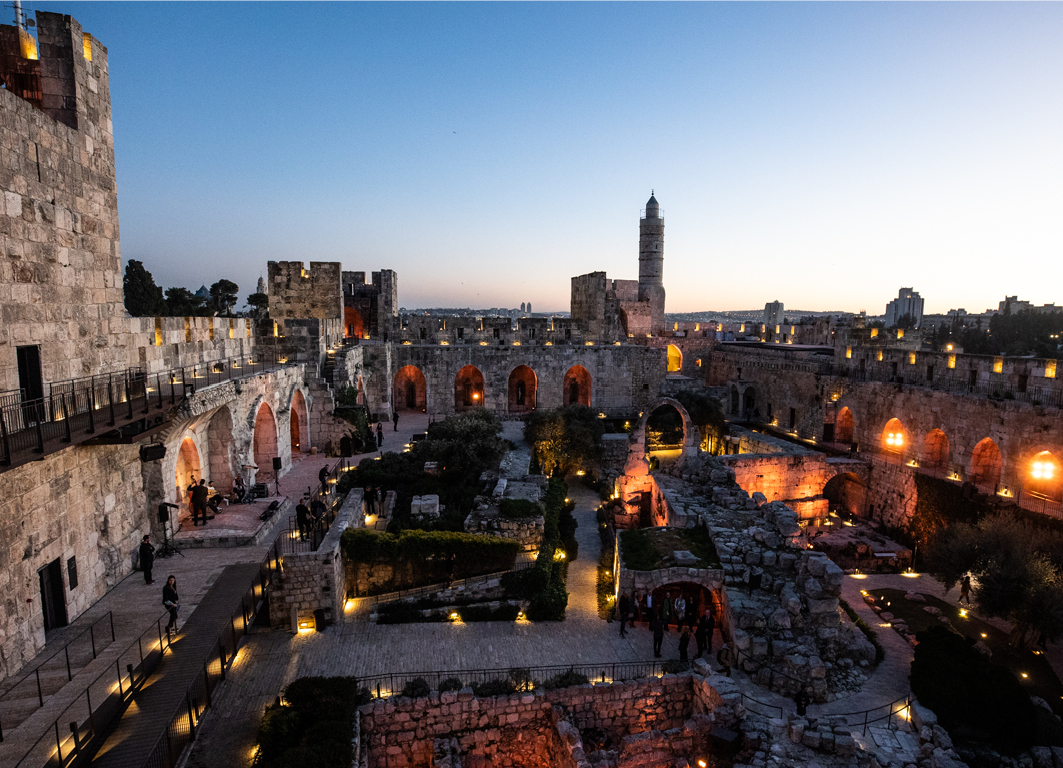
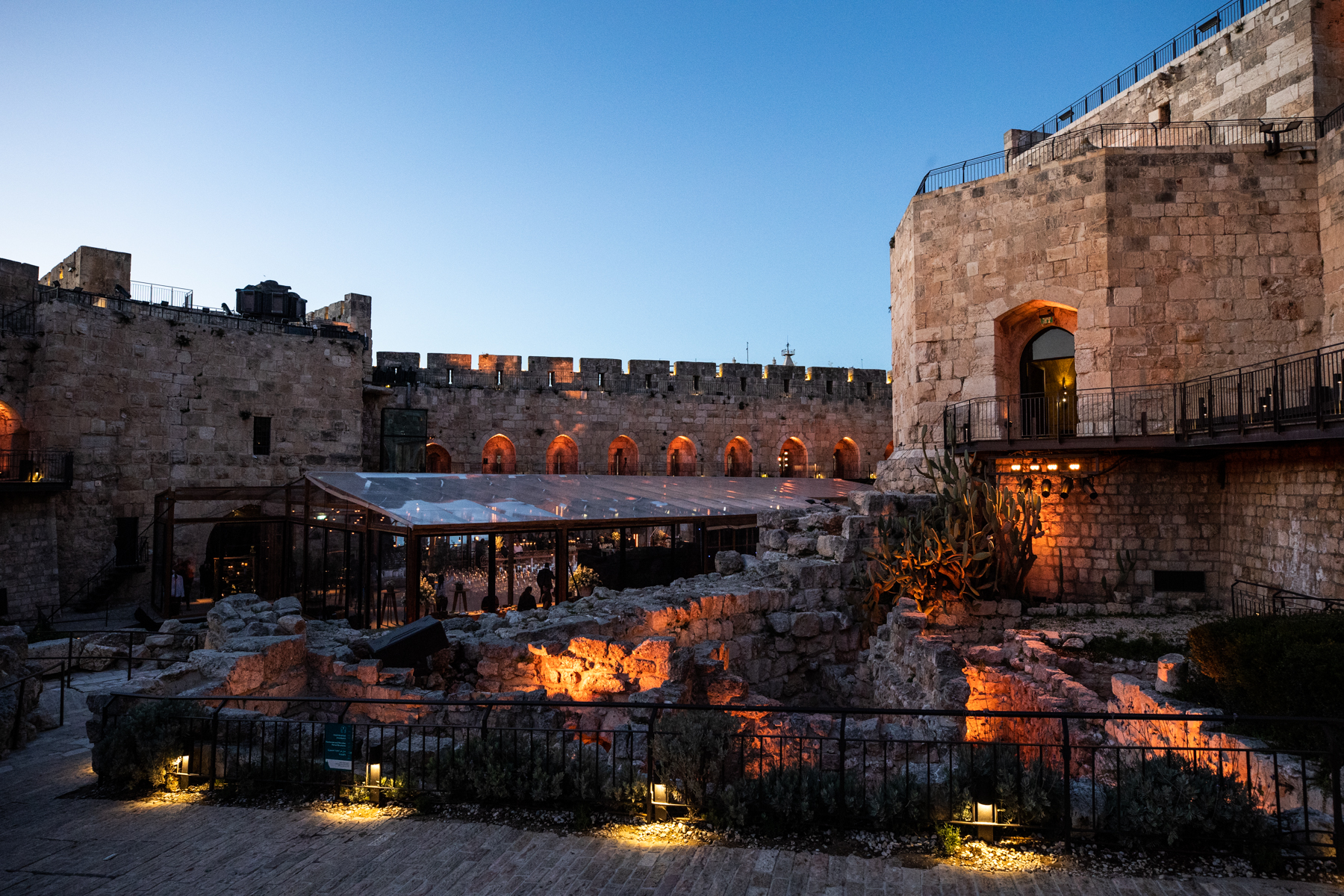
Today, serving as a gateway to Jerusalem’s past and present, the Tower of David offers a dynamic and layered visitor experience. The renewed permanent exhibition traces 4,000 years of the city’s history through immersive installations and rare artifacts, while rotating temporary exhibitions engage contemporary perspectives and artistic voices. Visitors can descend into the Kishle, an extraordinary archaeological space revealing remains from multiple periods beneath the citadel itself, or ascend the ramparts for sweeping views of the Old City and modern Jerusalem beyond. The courtyard hosts concerts, lectures, festivals, and cultural gatherings throughout the year, and after nightfall, the renowned sound-and-light shows transform the ancient walls into a luminous canvas of storytelling. To top it off, a café nestled within the complex provides a moment of pause amid centuries of history.
At its core, the Tower of David offers a rare vantage point from which to encounter Jerusalem in its full, layered complexity. Here, the city’s history is told through intersecting narratives, Jewish, Christian, and Muslim, each revealing different dimensions of its past and present. In bringing these perspectives into a shared space, the museum offers not a singular account, but a more expansive and nuanced understanding of Jerusalem as it has been lived and imagined across generations.
Back