Among the hills of green forests, where the air carries the scent of pine and the sounds of birds echo through the valley, the landscape of Ein Karem has a way of calming the soul almost instantly. Terraced hillsides rise gently above narrow stone streets, and the surrounding Jerusalem hills stretch quietly toward the horizon. Though only a short distance from the bustle of the city, Ein Karem feels worlds apart. Its quiet beauty offers a sense of stillness and renewal. It is precisely this atmosphere that makes the neighborhood a fitting home for the Jerusalem Shanti House, a place dedicated to healing and rebuilding the lives of young people who have known instability and hardship.

a place of refuge

Shanti House was founded in Tel Aviv in 1984 by Mariuma Klein after years of volunteering with homeless and runaway youth. Klein came to understand that many of these young people were not seeking rebellion but refuge. They needed safety, stability, and adults who would listen without judgment. What began as a modest initiative soon developed into a pioneering model for supporting vulnerable youth. The organization created a home that combined shelter with guidance, emphasizing personal responsibility, emotional support, and the rebuilding of trust.

Photo by Sasson Tiram

the chance to rebuild

Over time Shanti House grew into a national framework serving young people between the ages of fourteen and twenty-one who had fallen through the gaps of conventional systems. Many arrived after periods of homelessness or family crisis. Others had left homes that could no longer provide safety or care. The guiding philosophy remained simple yet powerful. When young people are welcomed into a stable and supportive environment, they gain the tools needed to rebuild their lives and imagine a different future.

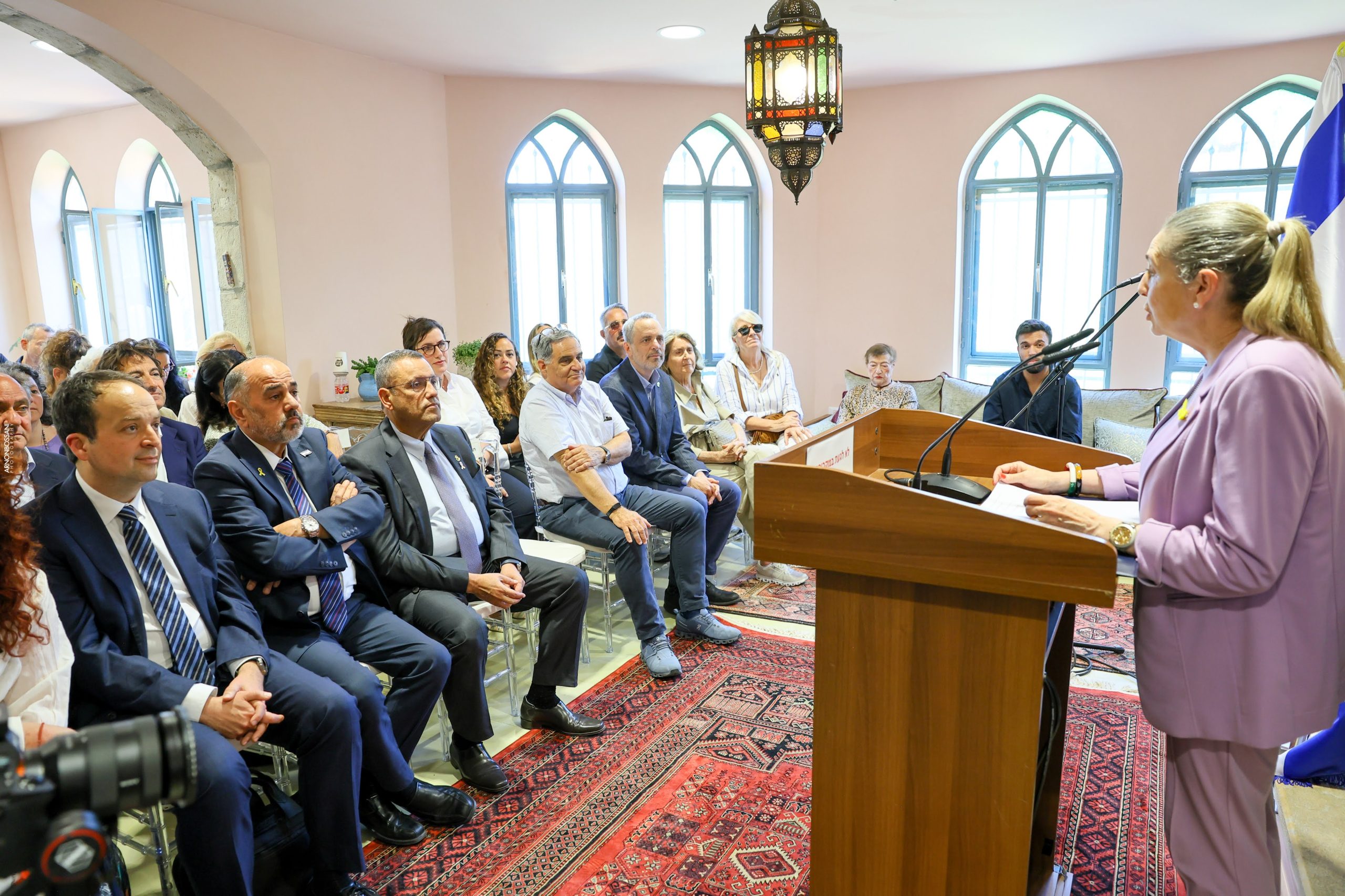
Michal Herzog, First Lady of Israel, at the Shanti House. Photo by Arnon Bossani

Within Jerusalem, the city’s remarkable diversity brings together communities shaped by different cultural, religious, and social realities. Within this complex urban fabric there are many young people who find themselves isolated, without stable homes or support networks. Recognizing this need, the Jerusalem Foundation partnered with Shanti House to establish a dedicated home in the capital, creating a place where vulnerable youth could receive the care and guidance required to begin again.

Photo by Sasson Tiram

connecting to nature

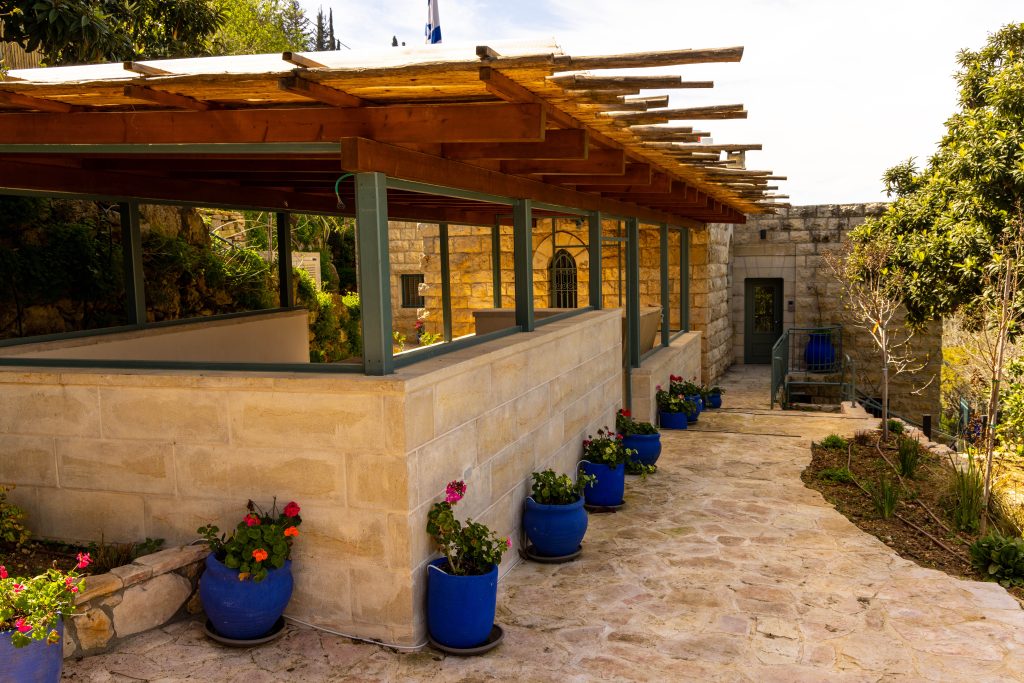
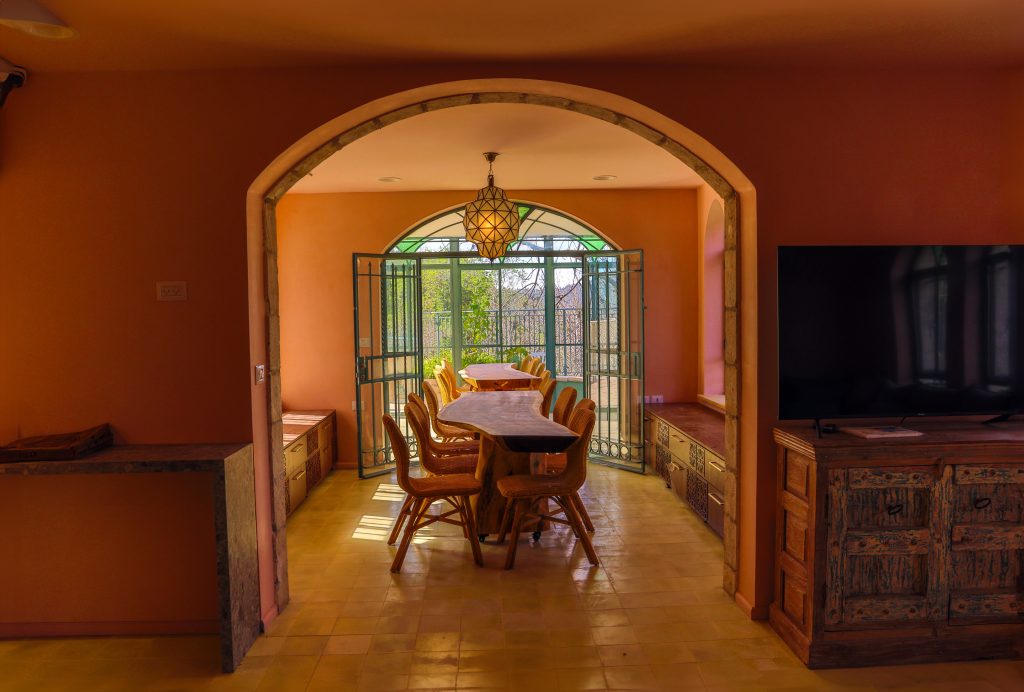
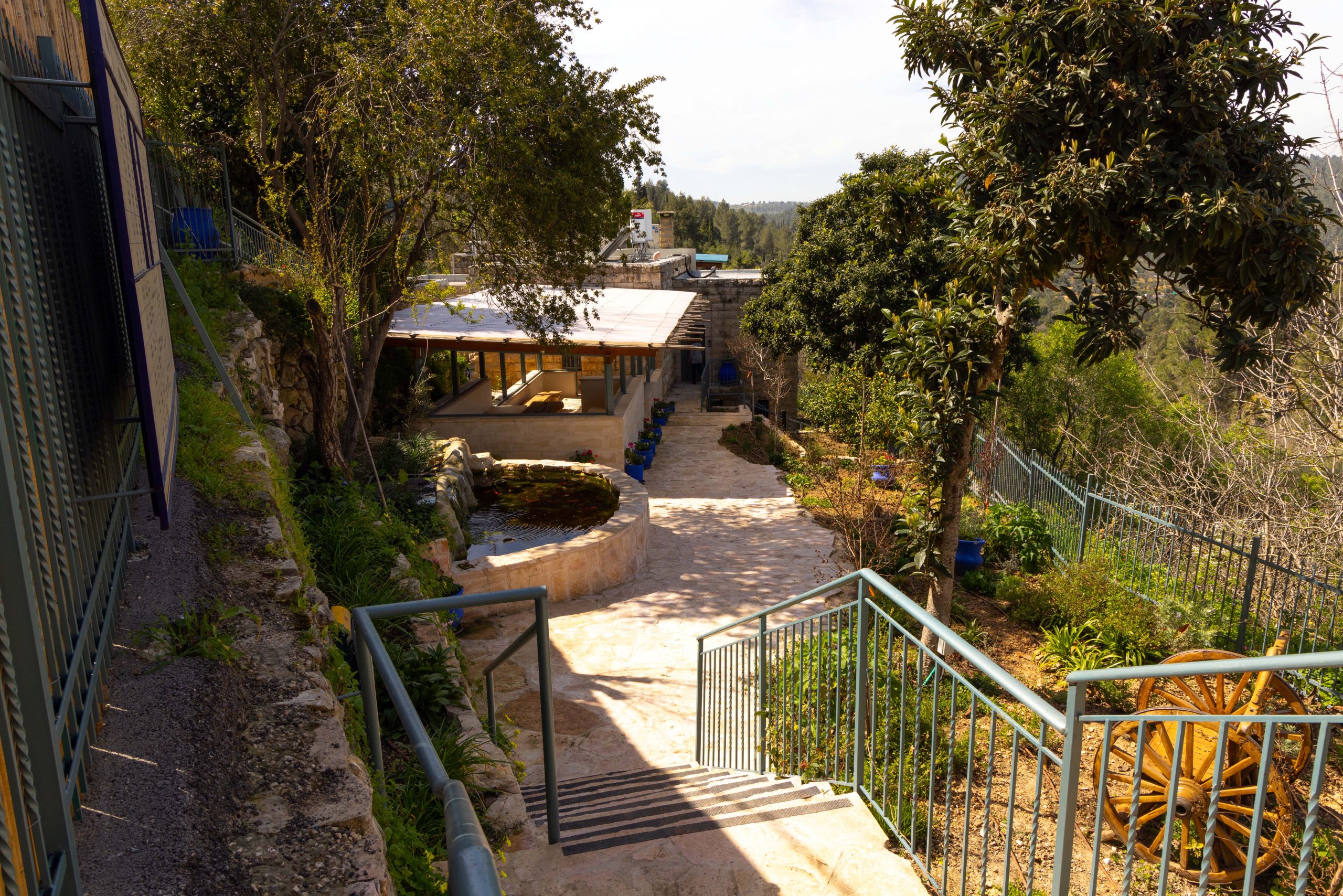
Located in Ein Karem, the Jerusalem Shanti House provides both short and long-term support for at-risk youth from all sectors of Israeli society. With support from the Dwek Family of Italy, Switzerland, and the United Kingdom, the Jerusalem Foundation carried out a careful renovation and preservation of the historic building, ensuring that it could serve as a warm and dignified home. The surrounding grounds were also restored, creating outdoor spaces that allow residents to step away from the pressures of daily life and reconnect with a sense of calm and stability.

Photos by Sasson Tiram

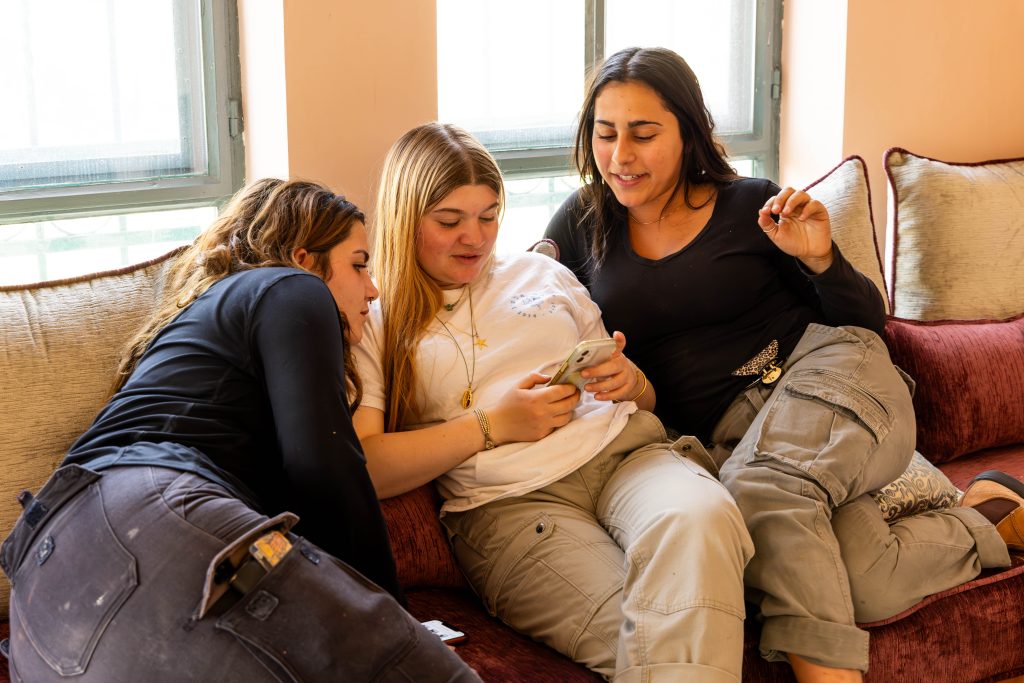
Within the house young people participate in therapeutic programs, educational support, and practical life-skills training designed to help them move toward independence. Professional staff and mentors provide guidance as residents return to school, complete military service, or enter the workforce. Equally important is the atmosphere the house cultivates. Daily routines, shared meals, and mutual support create a sense of belonging that many residents have not previously experienced.

Photos by Sasson Tiram

landscape of healing

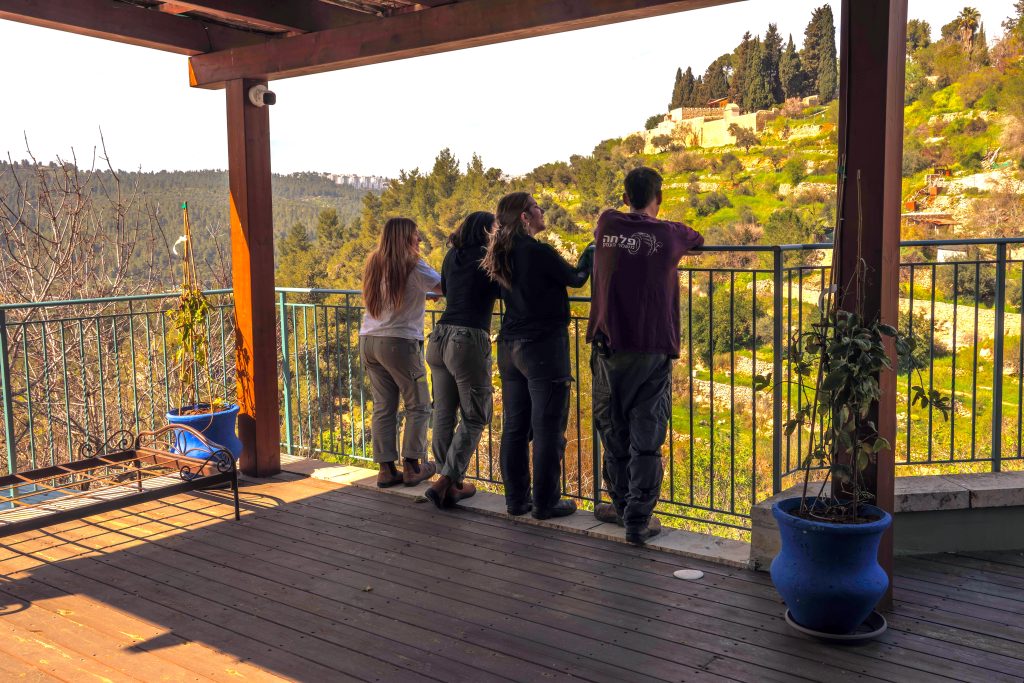
Surrounded by the hills and greenery of Ein Karem, the house offers a rare pocket of calm within the wider city. For young people who have lived amid uncertainty, the landscape becomes part of the healing. Through the establishment of the Jerusalem Shanti House, the Jerusalem Foundation has helped create a place where vulnerable youth are given the opportunity to rebuild their lives with dignity and care. In the peaceful hills of Ein Karem, a new beginning becomes possible, reminding us that every young person deserves the chance to grow, to belong, and to thrive.

Previous
Next