The Resilience Centre of Jerusalem offers new hope to people living with post-traumatic stress that has not responded to conventional treatment. Through advanced therapies, close clinical care, and the development of emerging treatment methods, the Centre is creating new possibilities for healing while strengthening Israel’s broader capacity to respond to trauma.

An invisible weight

For some, there are experiences that do not end even when the immediate danger has passed. Trauma can settle quietly into everyday life, shaping anything from sleep to relationships, concentration, memory, and the ability to feel safe. Its weight may be invisible to those around them, even as it becomes an exhausting burden carried from one day to the next. While traditional psychotherapy can offer meaningful relief, it does not work fully for everyone. Some people remain caught in patterns of post-traumatic stress despite sustained treatment and considerable effort. They deserve more than the expectation that they simply learn to live with the pain. They deserve the possibility of a life no longer governed by trauma, and the chance to recover hope and a sense of future.

Photo courtesy of the Jerusalem Resilience Center - Shaare Nefesh

A new path to treatment

In Israel, where many people have encountered trauma through military service, conflict, bereavement and displacement, the need for effective trauma care has become increasingly urgent. Most recently, the events of October 7th, 2023, affected hundreds of thousands both directly and indirectly, with many experiencing post-traumatic symptoms for the first time. As a result, the Jerusalem Foundation partnered with Sha’are Zedek Medical Center to establish the Resilience Centre of Jerusalem. The Centre was created with a focused clinical purpose to treat people suffering from post-traumatic stress that has not responded sufficiently to conventional therapy. At the heart of its work is Ketamine-Assisted Psychotherapy, an emerging treatment that combines carefully administered ketamine with ongoing psychological care. Rather than replacing psychotherapy, it is integrated into a broader therapeutic process under close medical and clinical supervision.

For some patients, ketamine may temporarily loosen the rigid emotional and cognitive patterns that trauma can create. In this altered state, individuals may be able to approach painful memories and emotions from a different perspective. Trained therapists guide the process, helping patients explore what emerges and integrate new insights into their continuing therapy and daily lives. For those unable to move forward through traditional treatment alone, this approach may open a previously inaccessible path toward recovery. While ketamine-assisted treatment has been approved for use in Israel, the Centre is also developing additional therapeutic approaches waiting to be approved.
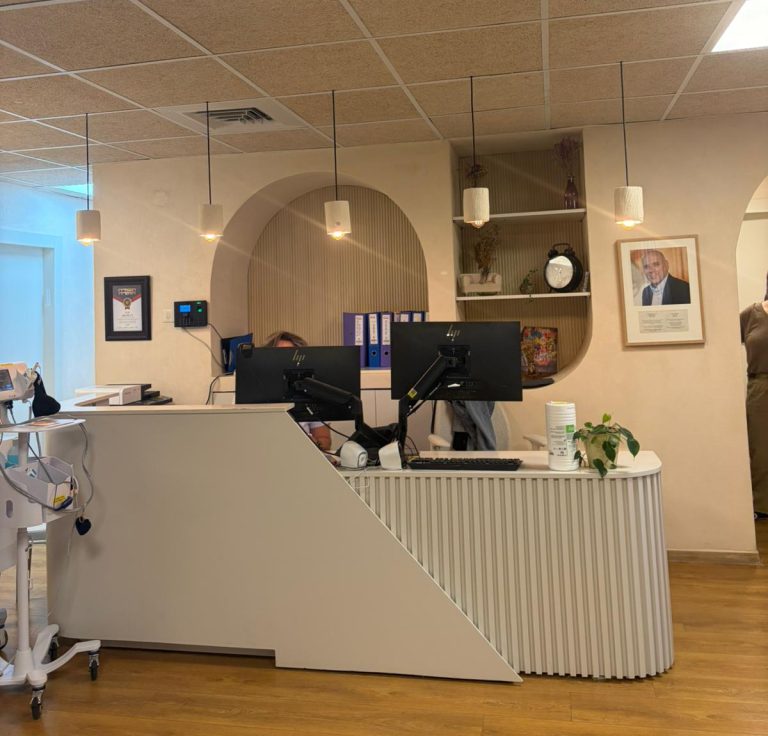

Photos courtesy of the Jerusalem Resilience Center - Shaare Nefesh

Expanding professional capacity

A central goal of the Resilience Centre is to expand professional expertise in this field. The Centre provides practical training for psychiatrists, psychologists, social workers, and other mental health practitioners, equipping them to use Ketamine-Assisted Psychotherapy responsibly in trauma treatment. By developing a wider network of qualified professionals, the Centre extends its impact beyond the patients it treats directly and strengthens Israel’s capacity to respond to post-traumatic stress.

a chance to heal

The people who come to the Centre arrive with different histories, but many share the experience of having tried to heal without finding sufficient relief. They may be survivors of violence, soldiers, bereaved family members, evacuees, or individuals carrying trauma from other moments in their lives. That trauma can remain long after its source has receded, but it need not determine the course of an entire life. Their recovery cannot be rushed. It requires time, trust, professional care, and human compassion. The Resilience Centre offers precisely this combination — an opportunity to heal, a supportive framework for traumatized Israelis from every corner of the country, and the possibility of a future no longer governed by the worst moment of the past. That is resilience.

Previous
Next