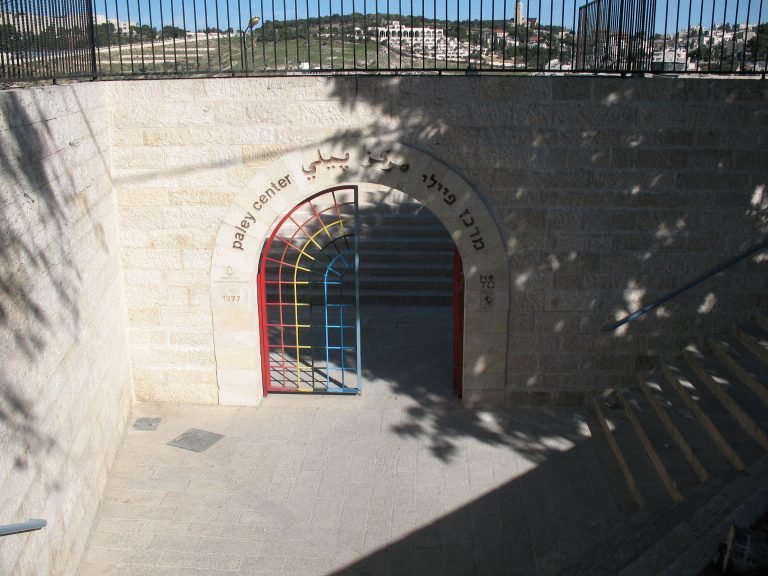
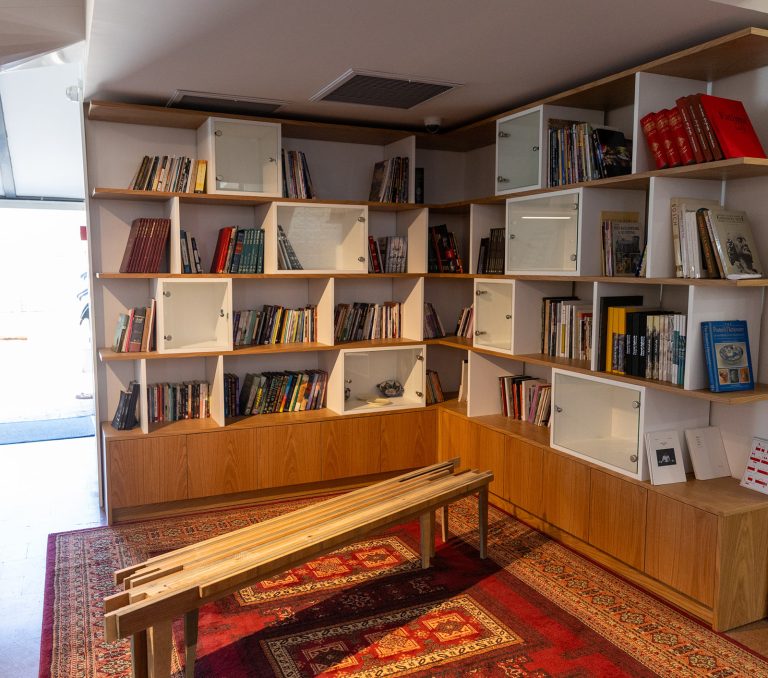
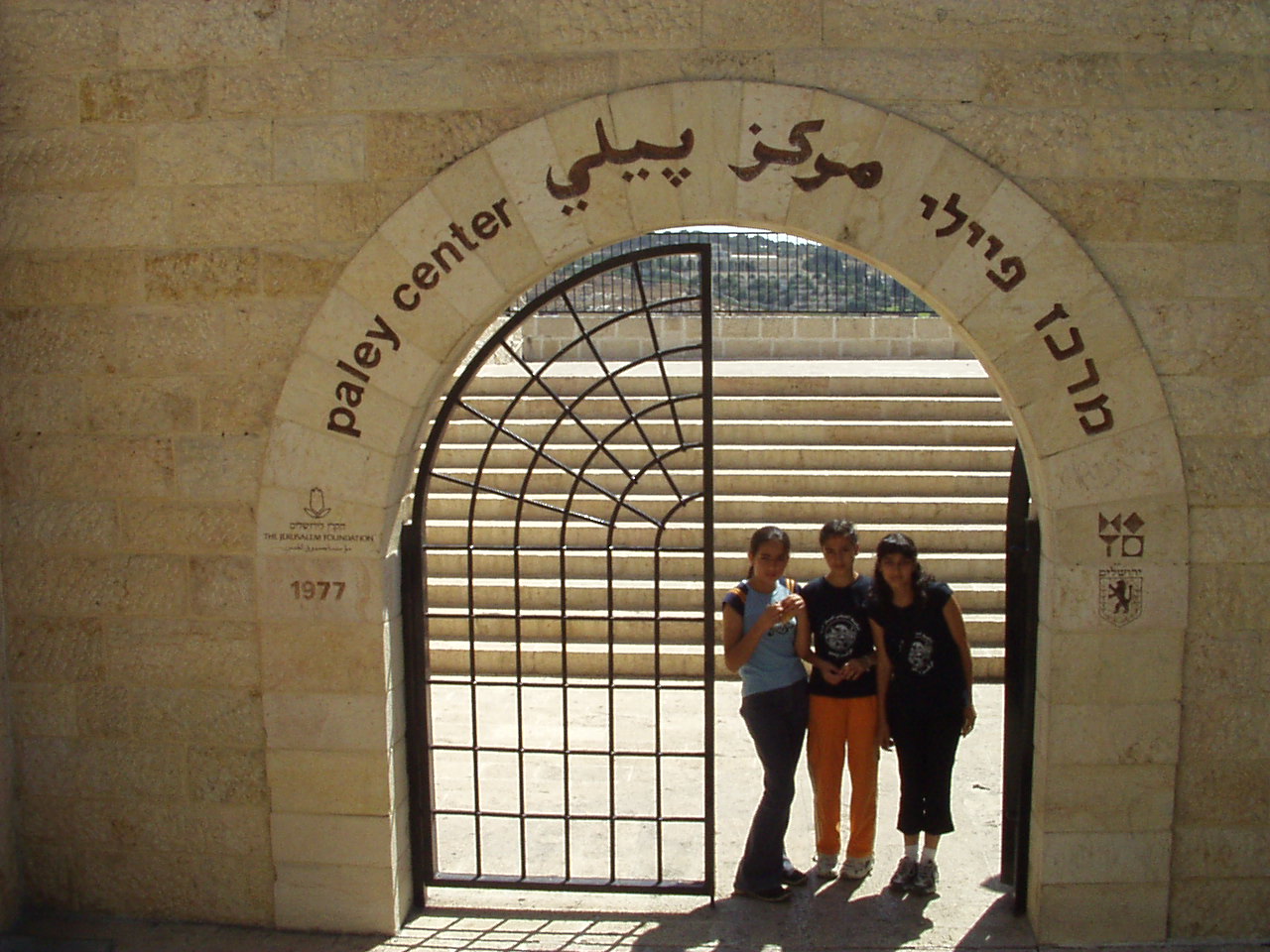
In 1977, at a time when organized arts programming in East Jerusalem was scarce and largely sporadic, the establishment of the Paley Center marked a transformative moment. Prior to its opening, art courses were occasionally offered in borrowed or shared spaces such as the Rockefeller Archaeological Museum and local community centers. Yet there was no permanent, purpose-built home dedicated to sustained artistic engagement for East Jerusalem residents. The creation of the Paley Center responded directly to this gap—providing, for the first time, a stable and welcoming space where creativity could flourish on a regular basis.

a shared language

Established by the Jerusalem Foundation with the support of William S. Paley through the Paley Foundation and operated initially by the Israel Museum, the Paley Center was conceived as an artistic home for the communities of East Jerusalem. From its inception, the Center sought to provide local residents, children, youth, and adults alike, with access to high-quality arts education and cultural programming that had previously been inaccessible or inconsistent. It also holds the distinction of being the first institution in Jerusalem to offer joint art classes for Jewish and Arab participants, embodying a belief in the arts as a shared language capable of fostering dialogue and mutual understanding.

Photo by Dana Bar Siman Tov

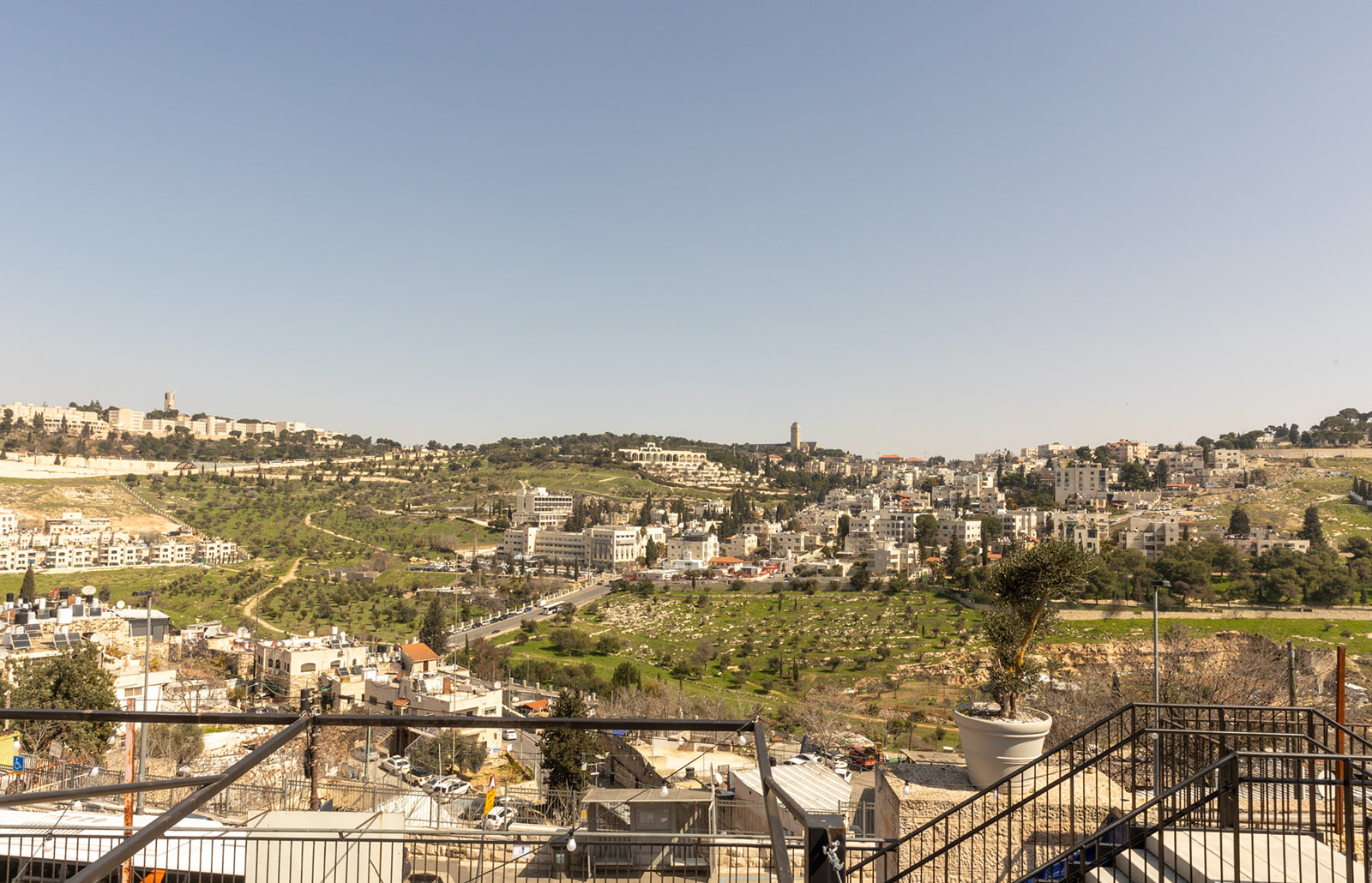
The building itself was designed by architect Moshe Safdie, whose approach responded closely to topography and material context. The structure ascends the hillside in a sequence of horizontal, stone-clad volumes punctuated by arched window openings. Rather than dominating its surroundings, the building adopts the scale, proportions, and masonry language characteristic of Jerusalem architecture. The result is a facility that feels embedded in its site, continuous with the terrain rather than imposed upon it.

Photo courtesy of Paley Center

natural integration

artistic opportunity

Photo by Dana Bar Siman Tov

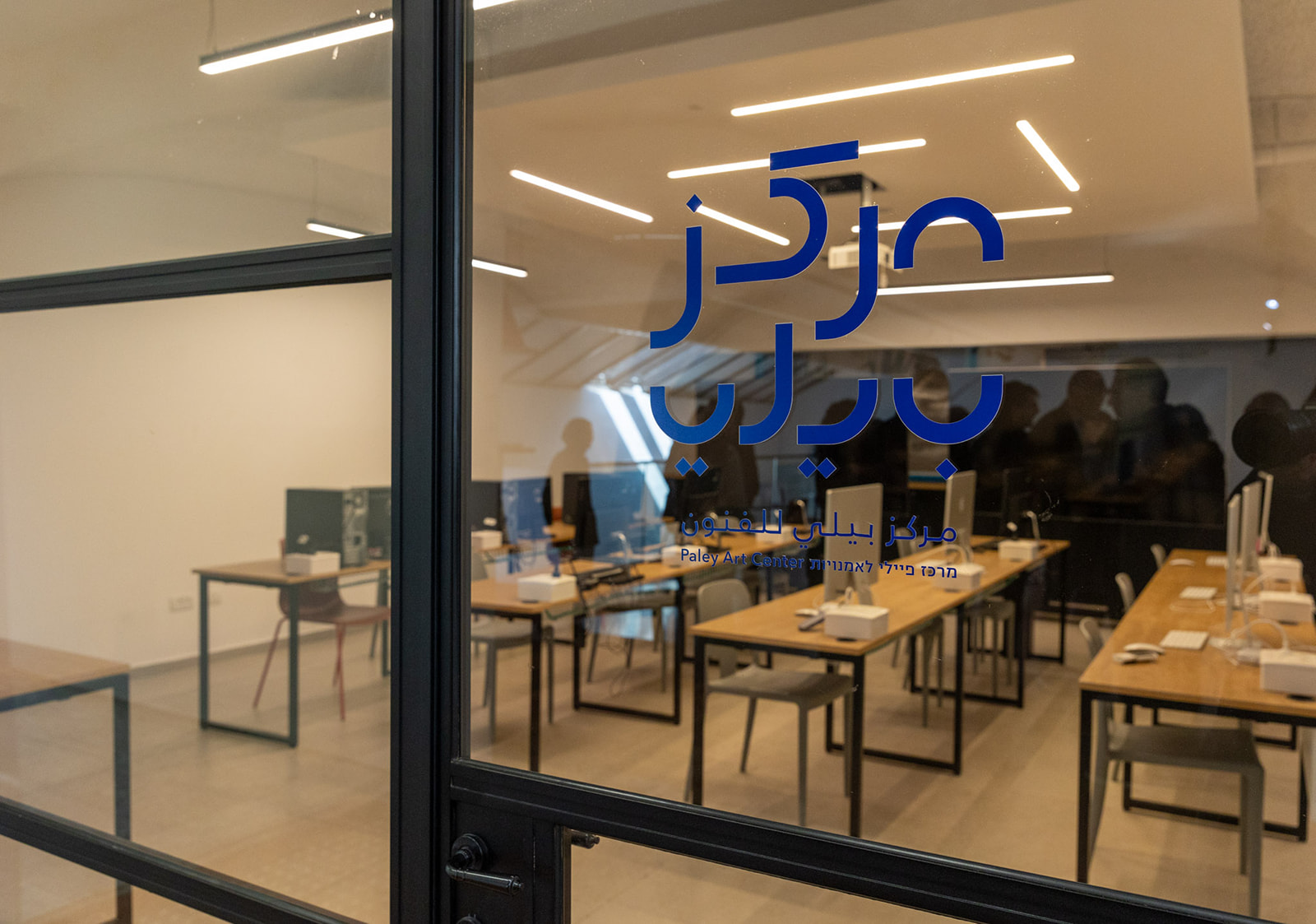
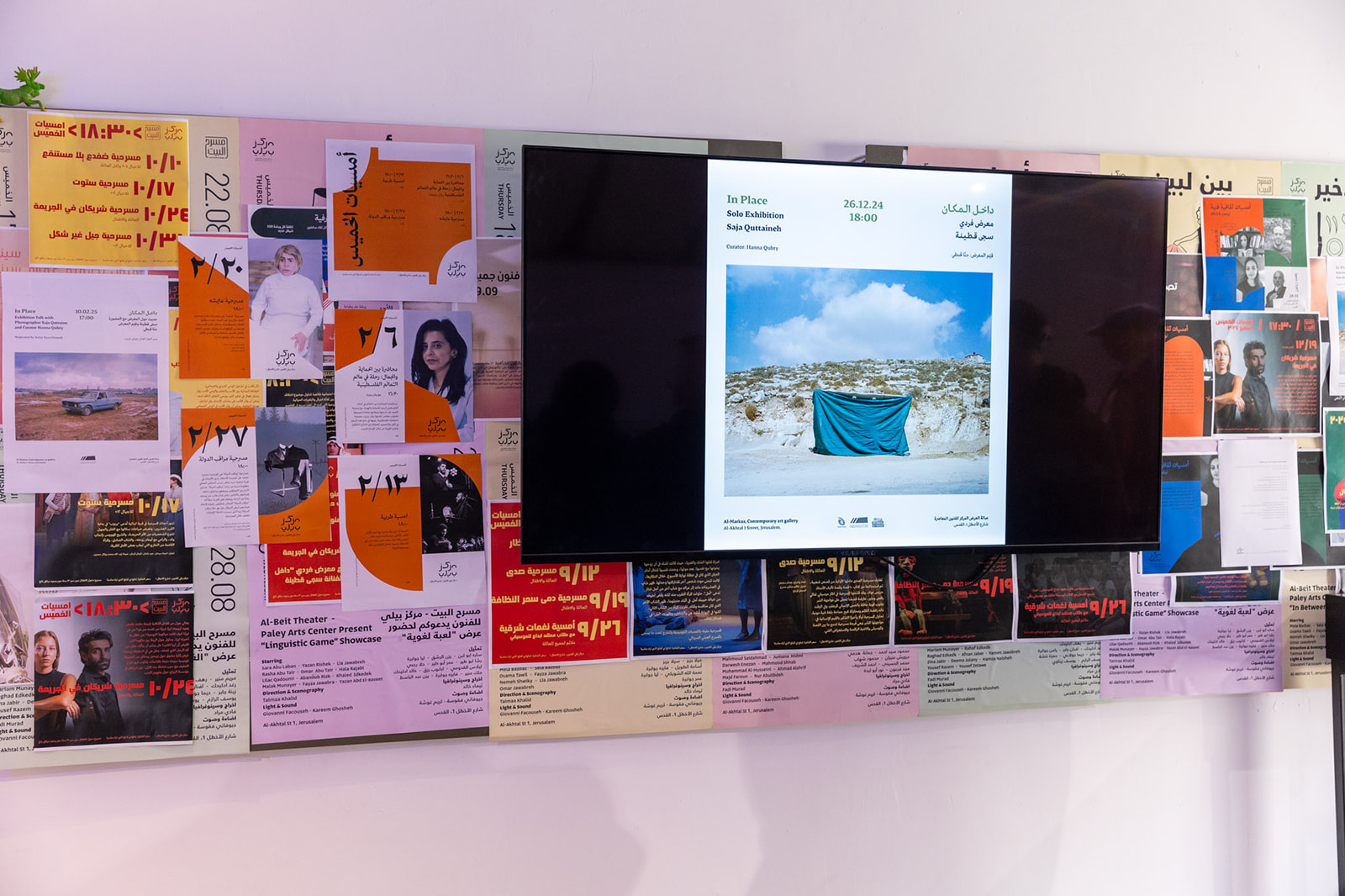
The facility itself was carefully planned to support a wide range of creative activities. It includes fully equipped classrooms for hands-on workshops, a 120-seat auditorium for lectures and performances, an exhibition hall for showcasing artwork, and a roof garden that offers both a place for quiet respite and a gathering space. Since its opening, the Jerusalem Foundation has continued to invest in exhibitions, educational programs, summer camps, and initiatives for children with special needs. Through school partnerships and afterschool programming, thousands of children each year are introduced to visual arts, design, and creative expression. The Center’s summer camps provide immersive artistic experiences during school breaks, while community exhibitions give local artists and students a platform to share their work publicly. By offering consistent, structured programming led by professional educators and artists, the Paley Center transforms access into opportunity, cultivating skills, confidence, and cultural participation.
Photos by Dana Bar Siman Tov

The impact has been substantial. At its peak, In a single year, the Center would see tens of thousands of visitors to its exhibitions, with thousands of children participating in educational activities. In 2006, recognizing both the building’s significance and the evolving needs of its community, the Jerusalem Foundation carried out a major renovation to ensure that the Center could continue serving future generations.

Photo by Dana Bar Siman Tov

the chance to thrive

Nearly five decades after its founding, the Paley Center remains a vital cultural landmark in East Jerusalem, offering not only art classes, but a permanent and dignified space where creativity, education, and shared cultural life can thrive. Most recently two stages of renovations were carried out by the Jerusalem Foundation from 2022-2024, with the support of the Paley Foundation, the Jerusalem Municipality and the East Jerusalem Development Authority. This included a new Auditorium and cinema and accessibility adjustments.  The final stage of renovation which is now being carried out will include a new entrance and roof upgrade to make the Paley Center accessible to all visitors.

Previous
Next