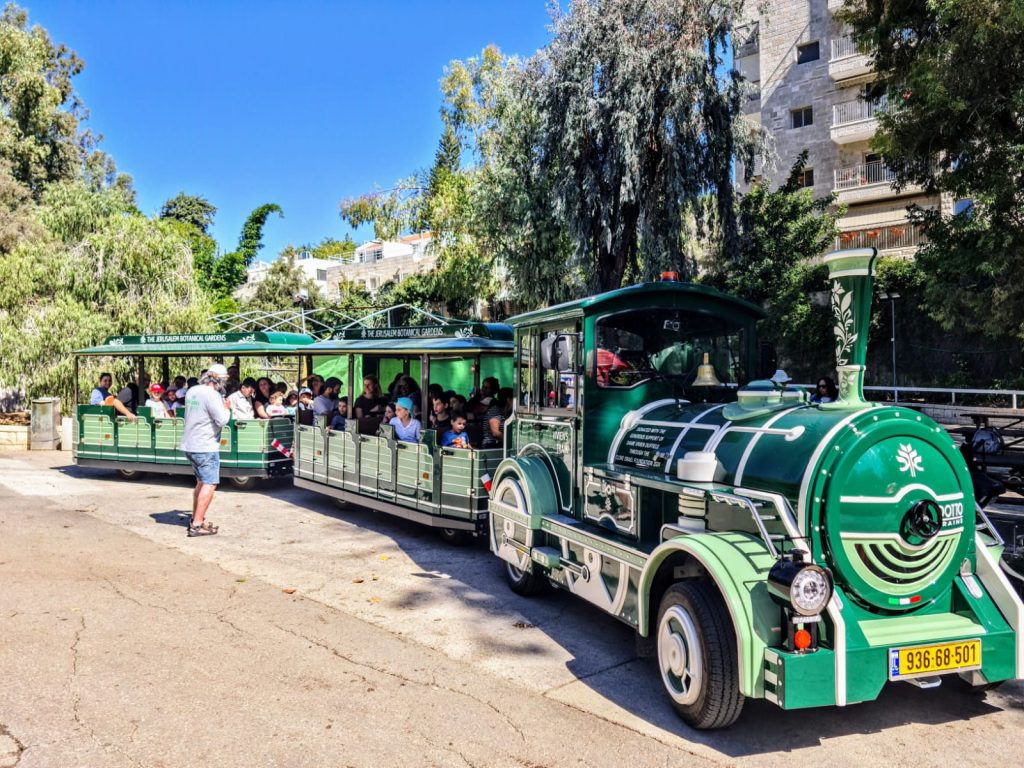
Where can one find more than seven thousand species of plants from Australia, South Africa, Europe, North America, Southwest and Central Asia, and the Mediterranean gathered within a single stretch of land? Tucked into a quiet corner of Jerusalem lies just such a place. The Jerusalem Botanical Gardens at Givat Ram bring together plant life from across the globe within roughly thirty-five acres of cultivated landscape, offering visitors the rare experience of moving between distant ecological worlds in the span of a single walk.

paragraph title

The gardens were established during the 1980s on land adjacent to the Givat Ram campus of the Hebrew University. What had once been an undeveloped tract of land was gradually transformed into a botanical garden through a partnership that reflected Jerusalem’s civic spirit. From its earliest days the project brought together the Hebrew University, the Jerusalem Foundation, the Jerusalem Municipality, the Jewish National Fund, and the family of the South African philanthropist Mendel Kaplan. Their shared aim was to create a space that would serve both scientific research and the broader public while enriching the city with a major green landscape.

PARAGRAPH TITLE

Photo courtesy of the Jerusalem Botanical Gardens

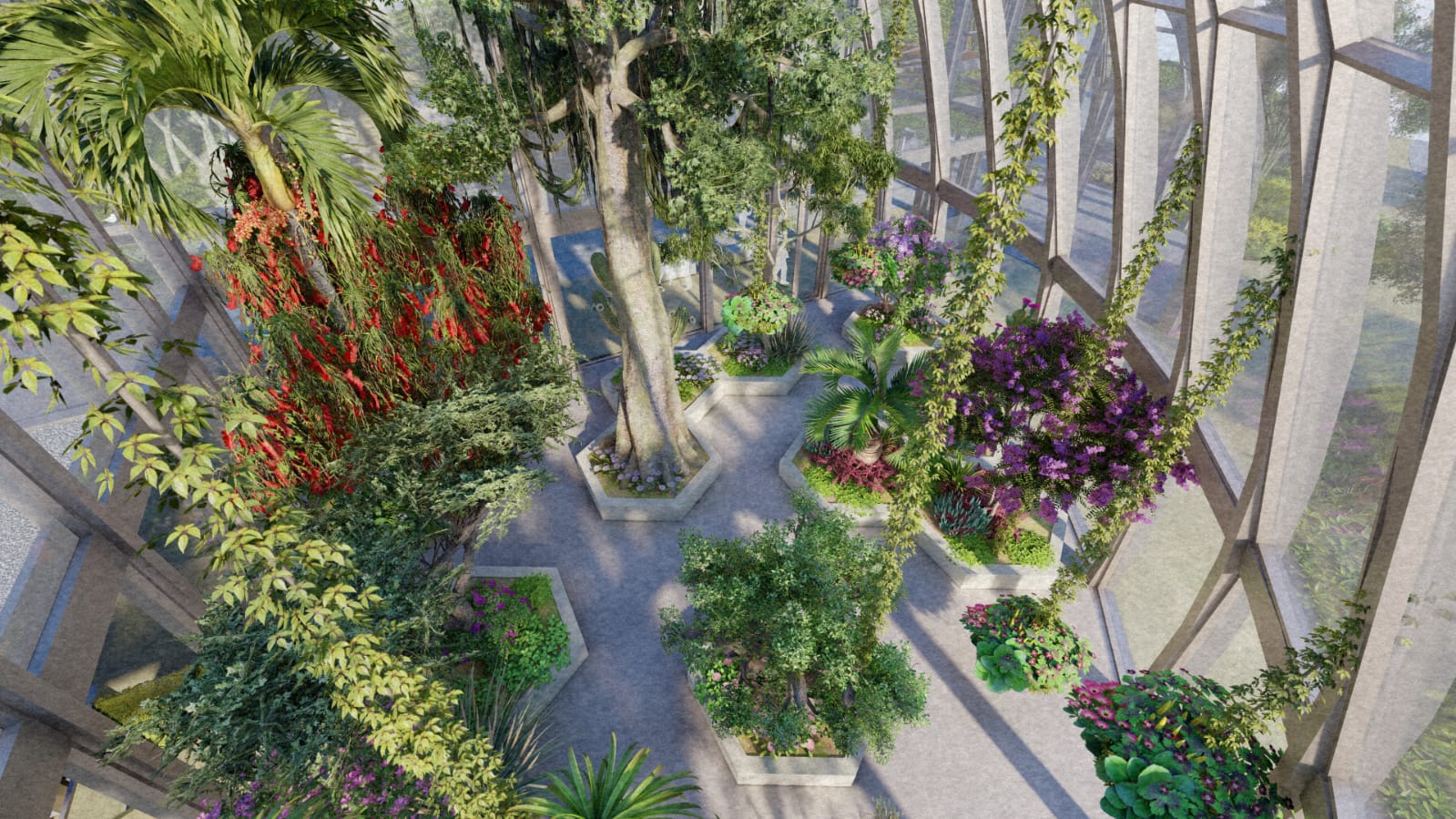
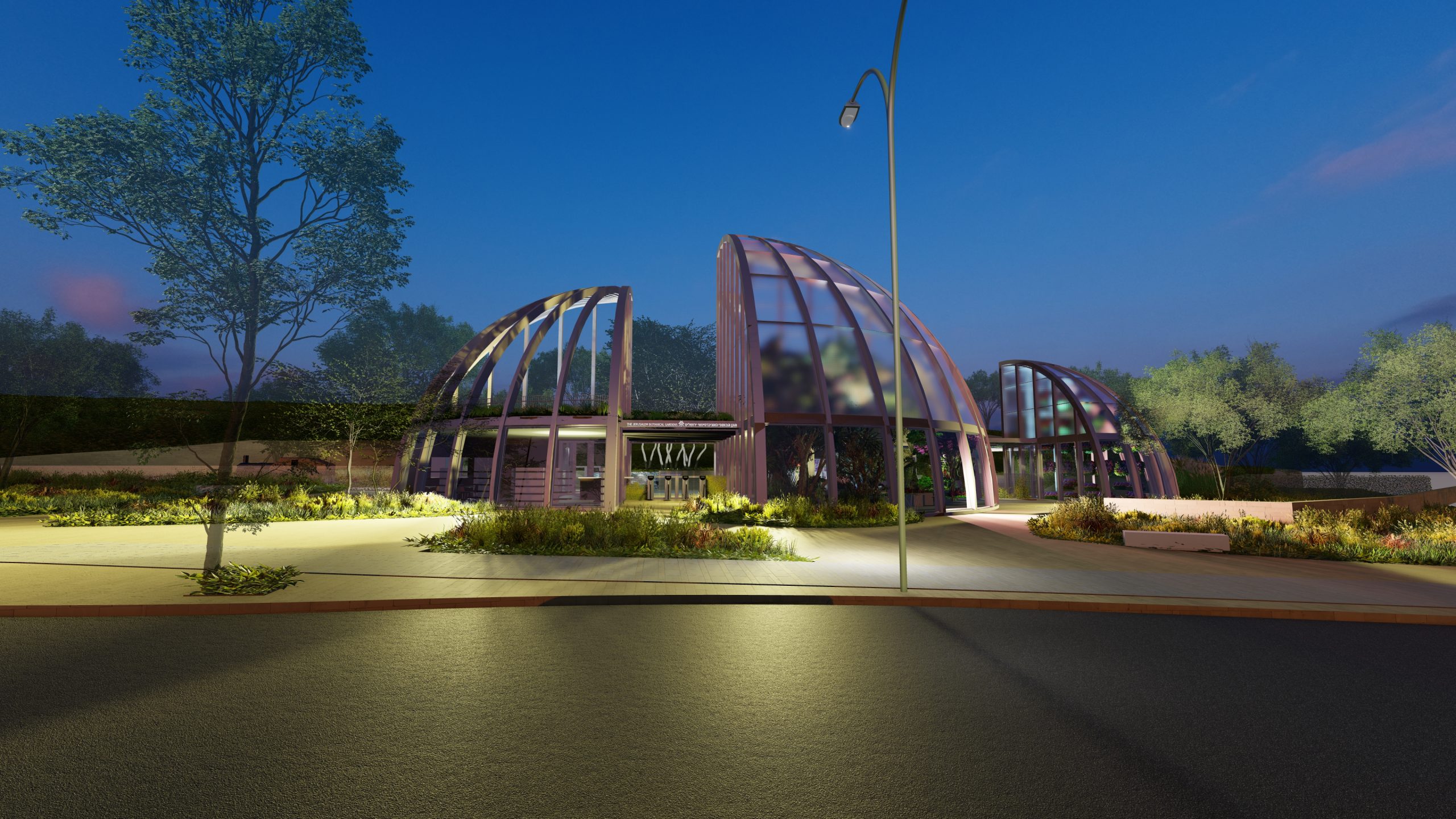
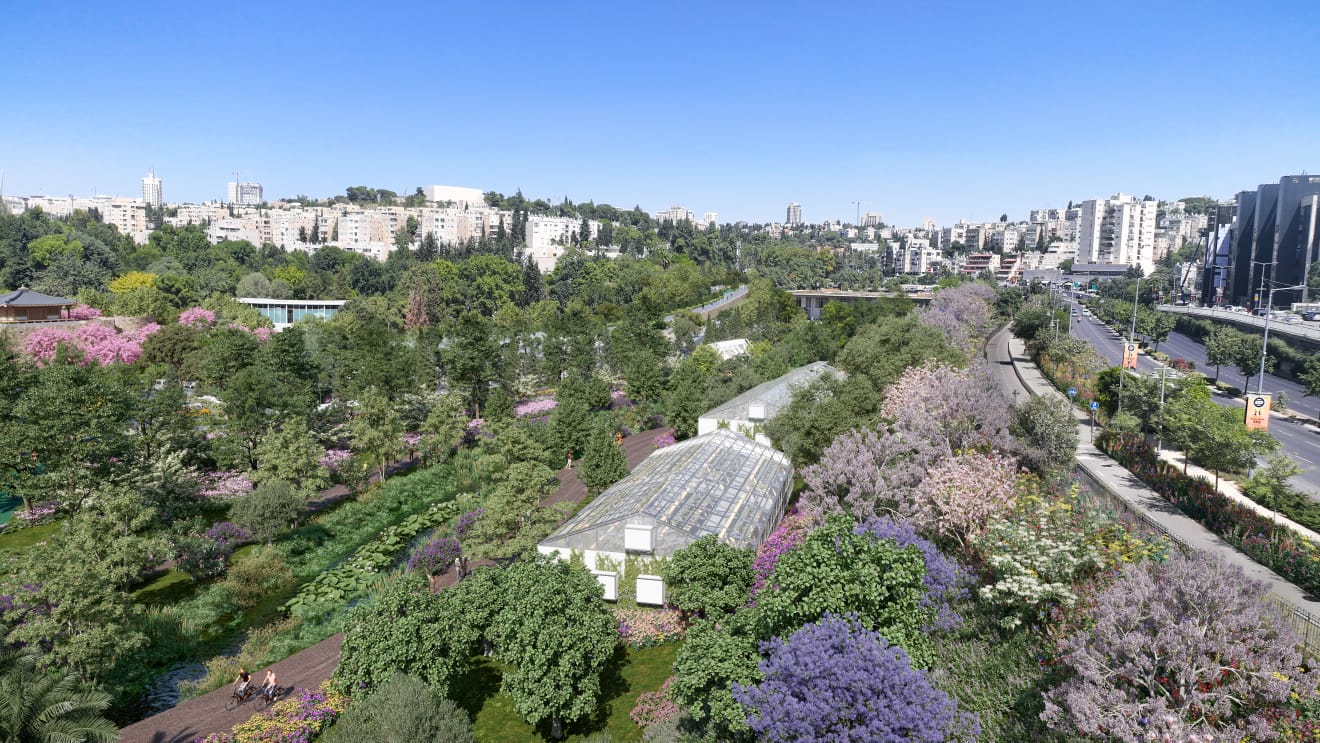
Today the Jerusalem Botanical Gardens unfold as a mosaic of global flora. The plant collections are organized into geographic sections representing regions such as the Mediterranean basin, South Africa, Australia, Asia, and North America. Jerusalem’s climate, with cool winters and hot summers, allows species from many of these regions to grow side by side. The result is a living botanical atlas where visitors move gradually from one landscape to another. Groves of trees and flowering shrubs give way to open lawns, winding paths, and a central lake crossed by wooden bridges. Seasonal changes bring shifting colors as different plants bloom throughout the year, while a new entrance pavilion, completed in 2026, now welcomes visitors into the gardens.
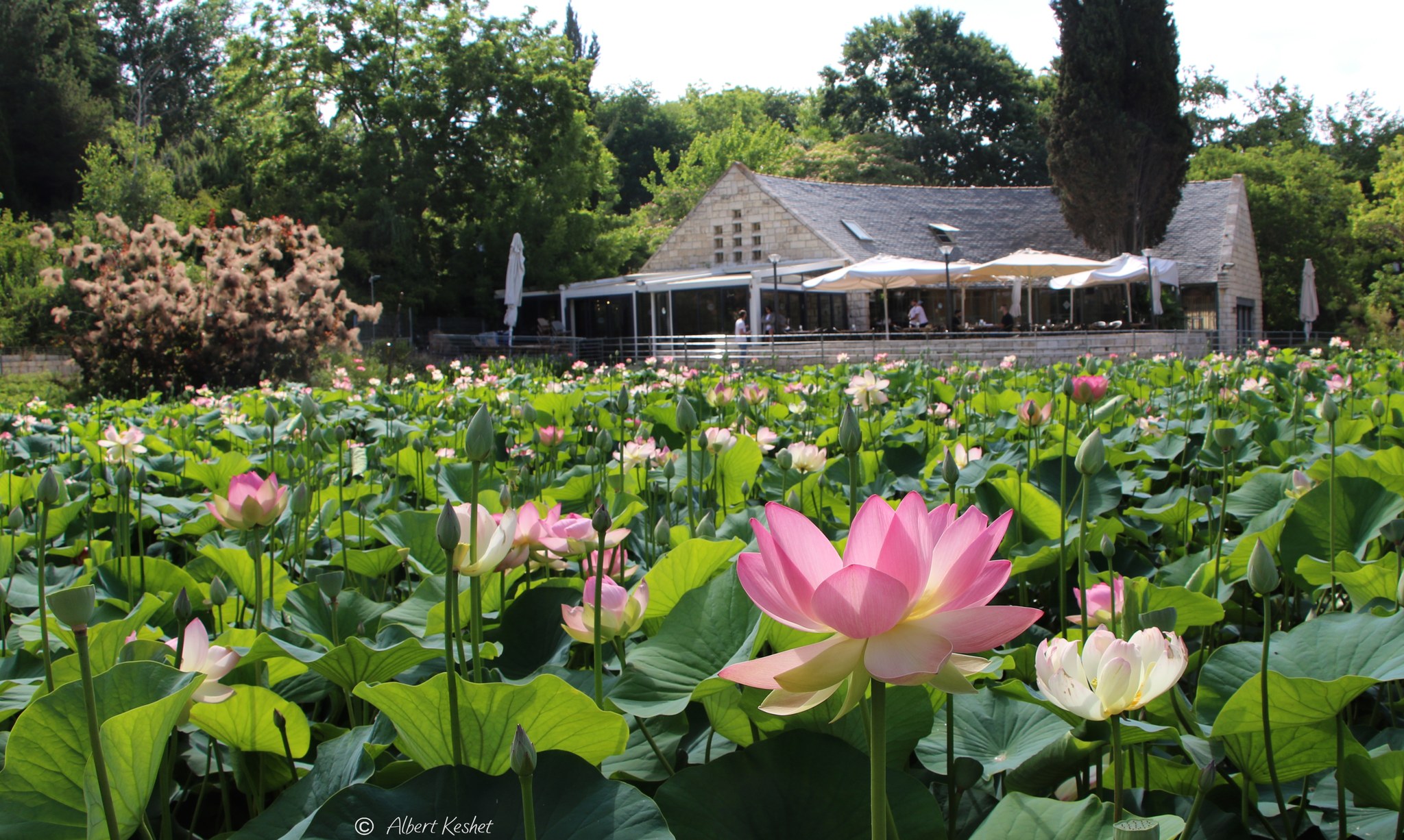
The gardens also play an important role in plant conservation and research. A remarkable proportion of rare and endangered plant species from across the Middle East are cultivated here. Researchers study methods of propagation and water-efficient cultivation that help protect fragile ecosystems. Knowledge developed in Jerusalem is shared with botanical gardens and research centers around the world.

paragraph title

Architectural visualization of a new pavilion inside the Jerusalem Botanical Gardens

PARAGRAPH TITLE

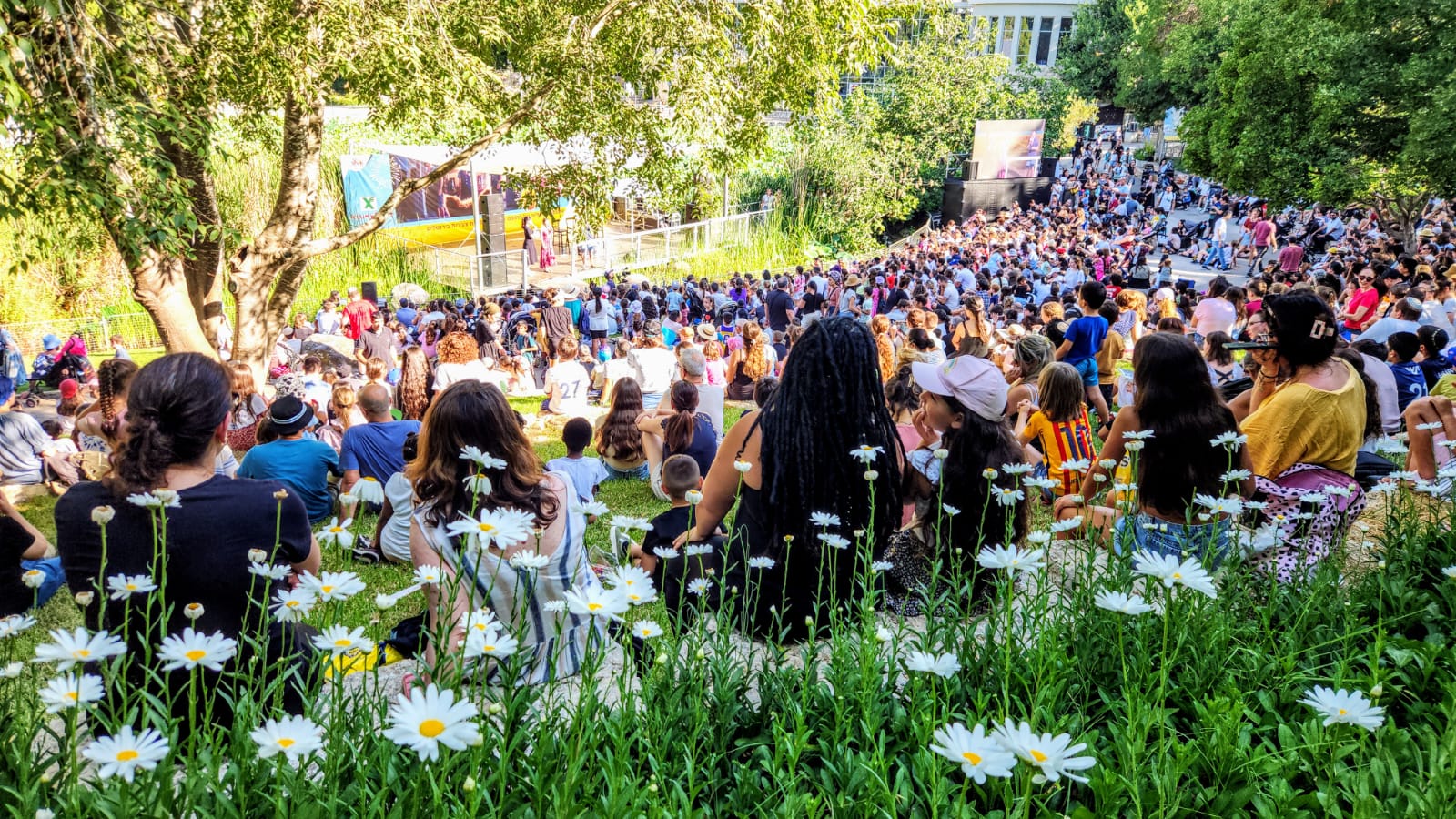
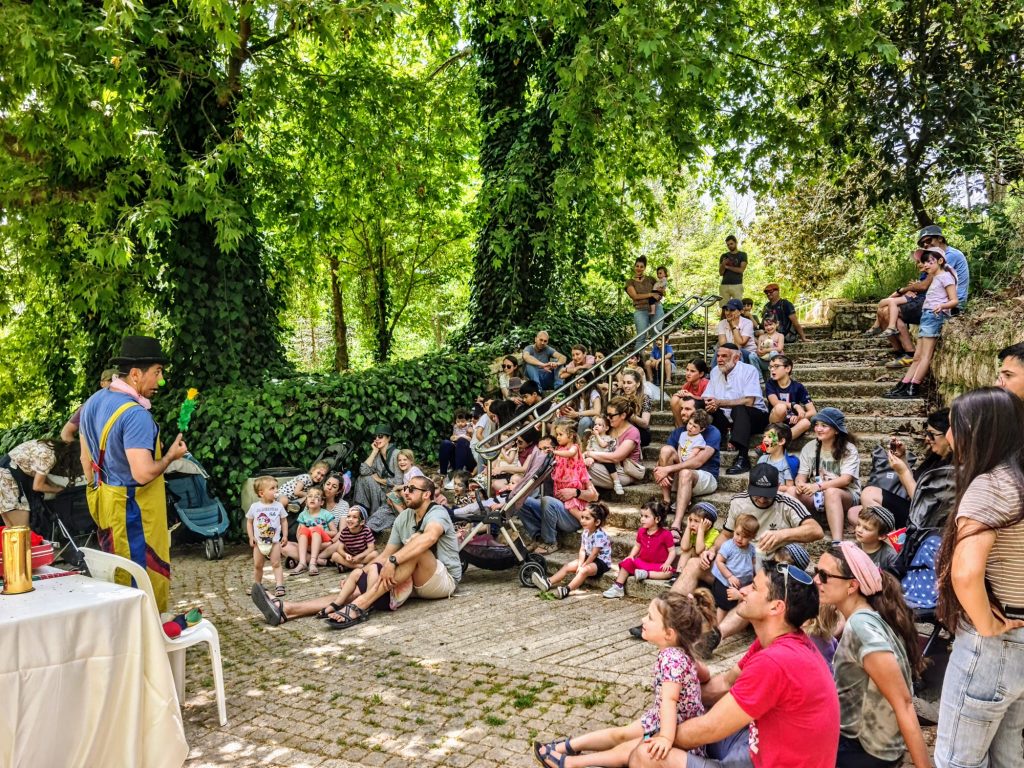
Yet the gardens are far more than a scientific institution. They function as one of Jerusalem’s most welcoming public spaces. More than a quarter of a million visitors arrive each year to walk the trails, relax beside the water, or attend cultural events. Seasonal programs have become part of the city’s cultural rhythm. Winter evenings glow with the popular light festival that transforms the pathways and trees into a luminous spectacle. Throughout the year fairs, performances, and family activities draw large audiences.

Photo courtesy of the Jerusalem Botanical Gardens

PARAGRAPH TITLE

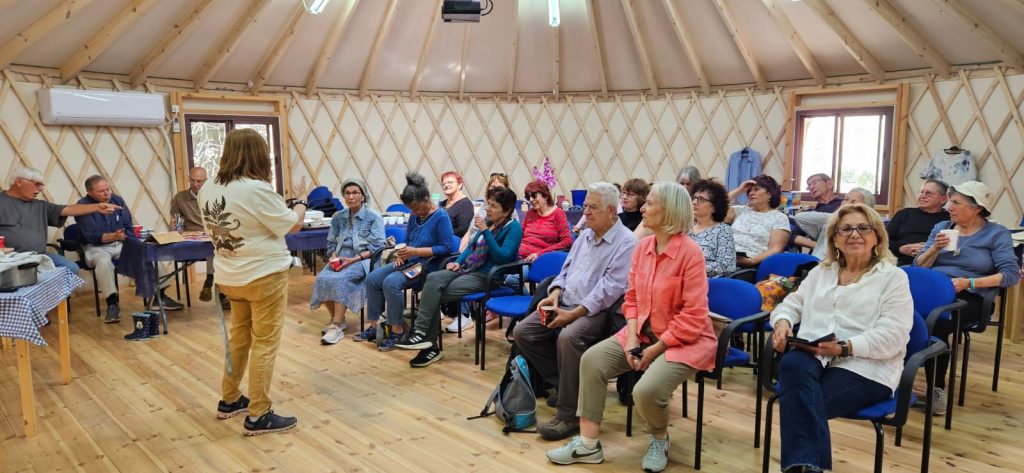
Education and community engagement form another important dimension of the gardens. Programs for schoolchildren from both East and West Jerusalem introduce young visitors to the natural world through environmental learning. Adults participate in courses on topics ranging from gardening to ecology, while the gardens also help establish community gardens throughout Jerusalem, many located in schools and neighborhood centers.

Photo courtesy of the Jerusalem Botanical Gardens

Therapeutic programs also take place among the greenery. Veterans coping with trauma, children with special needs, and young people at risk take part in activities that use the natural environment as a setting for healing and personal growth. Older volunteers contribute their time in the gardens and conservatory and participate in lectures and workshops that deepen their connection to the landscape.

paragraph title

Photos courtesy of the Jerusalem Botanical Gardens

paragraph title

As the seasons change and the landscape shifts with new blossoms, colors, and scents, the Jerusalem Botanical Gardens continue to serve as a center for research and conservation, a place of learning and healing, and a green refuge where visitors come simply to enjoy the restorative power of nature.

Previous
Next
The Bastion of Time: A Journey Through Jerusalem at the Tower of David The Khan Theater 28 Community Centers Mitchell Park and Gardens – Hinnom Valley Jerusalem Music Center Mishkenot Natural History Museum Paley Center Hurva Synagogue Jerusalem Print Workshop Wohl Rose Park Artists’ Studios Merrill Hassenfeld Amphitheater, Sultan’s Pool Beit Tamar – Ilan Byer Home for the Aged Jerusalem Botanical Gardens Ein Yael Living Museum Naggar Musrara School of Photography – Art and Society Walter and Elise Haas Promenade and Richard and Rhoda Goldman Promenade The Sam Spiegel Film and Television School Simon Rothschild Ben-Yehuda School for Special Education Teddy Stadium Bloomfield Science Museum Safra Square Modi’in Scouts Club Museum on the Seam Via Dolorosa Restoration and Accessibility Al Jabsha Elderly Center in Christian Quarter The Max Rayne Hand in Hand School for Jewish-Arab Education Israel Asper Community Action Center in Ramot The Kangaroo Family Center Jerusalem Secular Yeshiva Restoration of Montefiore Windmill to working mill Canada House – Morasha Community HaMiffal Israel Gottesman Aquarium Jerusalem Arts Campus Hassenfeld Family Wadi Joz Youth Center Kayma, the George Pinto Jerusalem Doctoral Fellows Culture Series (Sidratarbut) Misgav LeKashish Elderly Day Center Shanti House Well Baby Centers – Renovations Shai Doron Leadership Fellows Beit Hanina Community Center and Pool
Jerusalem Gardens National Park ringing Old City Walls Harry Wilf Independence Park Mishkenot Sha’ananim Cultural Center and Guesthouse Jerusalem Conservatory Hassadna Liberty Bell Park Jerusalem Cinematheque Train Theater The Hattie Friedland School for the Deaf School of Visual Theater The Jacob & Hilda Blaustein Civic Center Beit Sherman – Beit Buria The Djanogly Visual Arts Centre Tisch Family Zoological Gardens Joseph Meyerhoff Youth Center for Advanced Science Studies Jack, Joseph and Morton Mandel Gazelle Valley Urban Wildlife Park Jerusalem Scholarship Fund for Higher Education Jerusalem Resilience Center – Shaare Nefesh
The Bastion of Time: A Journey Through Jerusalem at the Tower of David 1970 Jerusalem Gardens National Park ringing Old City Walls 1970 The Khan Theater 1972 Harry Wilf Independence Park 1972 28 Community Centers 1972 Mitchell Park and Gardens – Hinnom Valley 1973 Mishkenot Sha’ananim Cultural Center and Guesthouse 1973 Jerusalem Music Center Mishkenot 1973 Jerusalem Conservatory Hassadna 1973 Natural History Museum 1976 Paley Center 1977 Hurva Synagogue 1978 Liberty Bell Park 1978 Jerusalem Print Workshop 1978 Wohl Rose Park 1981 Jerusalem Cinematheque 1981 Artists’ Studios 1981 Train Theater 1981 Merrill Hassenfeld Amphitheater, Sultan’s Pool 1981 The Hattie Friedland School for the Deaf 1981 Beit Tamar – Ilan 1982 Byer Home for the Aged 1983 Jerusalem Botanical Gardens 1985 Ein Yael Living Museum 1986 School of Visual Theater 1986 Naggar Musrara School of Photography – Art and Society 1986 Walter and Elise Haas Promenade and Richard and Rhoda Goldman Promenade 1987 The Jacob & Hilda Blaustein Civic Center 1987 The Sam Spiegel Film and Television School 1989 Beit Sherman – Beit Buria 1989 Simon Rothschild Ben-Yehuda School for Special Education 1990 Teddy Stadium 1991 The Djanogly Visual Arts Centre 1991 Bloomfield Science Museum 1992 Safra Square 1993 Tisch Family Zoological Gardens 1993 Modi’in Scouts Club 1997 Museum on the Seam 1999 Via Dolorosa Restoration and Accessibility 2000 Joseph Meyerhoff Youth Center for Advanced Science Studies 2000 Al Jabsha Elderly Center in Christian Quarter 2000 The Max Rayne Hand in Hand School for Jewish-Arab Education 2007 Israel Asper Community Action Center in Ramot 2008 The Kangaroo Family Center 2010 Jerusalem Secular Yeshiva 2011 Restoration of Montefiore Windmill to working mill 2012 Canada House – Morasha Community 2013 HaMiffal 2015 Jack, Joseph and Morton Mandel Gazelle Valley Urban Wildlife Park 2015 Israel Gottesman Aquarium 2017 Jerusalem Scholarship Fund for Higher Education 2017 Jerusalem Arts Campus 2018 Hassenfeld Family Wadi Joz Youth Center 2019 Kayma, the George Pinto Jerusalem Doctoral Fellows 2020 Culture Series (Sidratarbut) 2021 Misgav LeKashish Elderly Day Center 2023 Shanti House 2024 Jerusalem Resilience Center – Shaare Nefesh 2024 Well Baby Centers – Renovations 2024 Shai Doron Leadership Fellows 2025 Beit Hanina Community Center and Pool 2026