In today’s world, even in a city as dense, layered, and alive as Jerusalem, a sense of community can be surprisingly fleeting. People live in separate homes, follow separate routines, and often pass their neighbors without truly knowing them. In a city made up of so many different populations, traditions, languages, ages, and needs, the absence of shared spaces is deeply felt. Urban life can offer proximity without connection, and diversity without encounter.

a space for connection

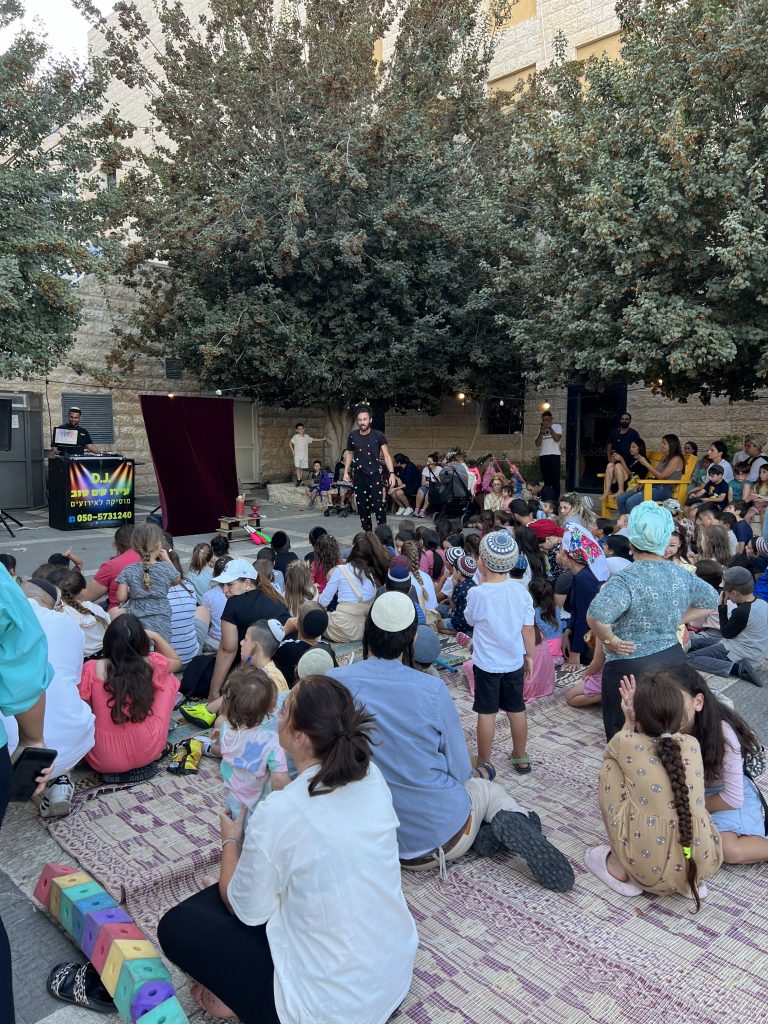
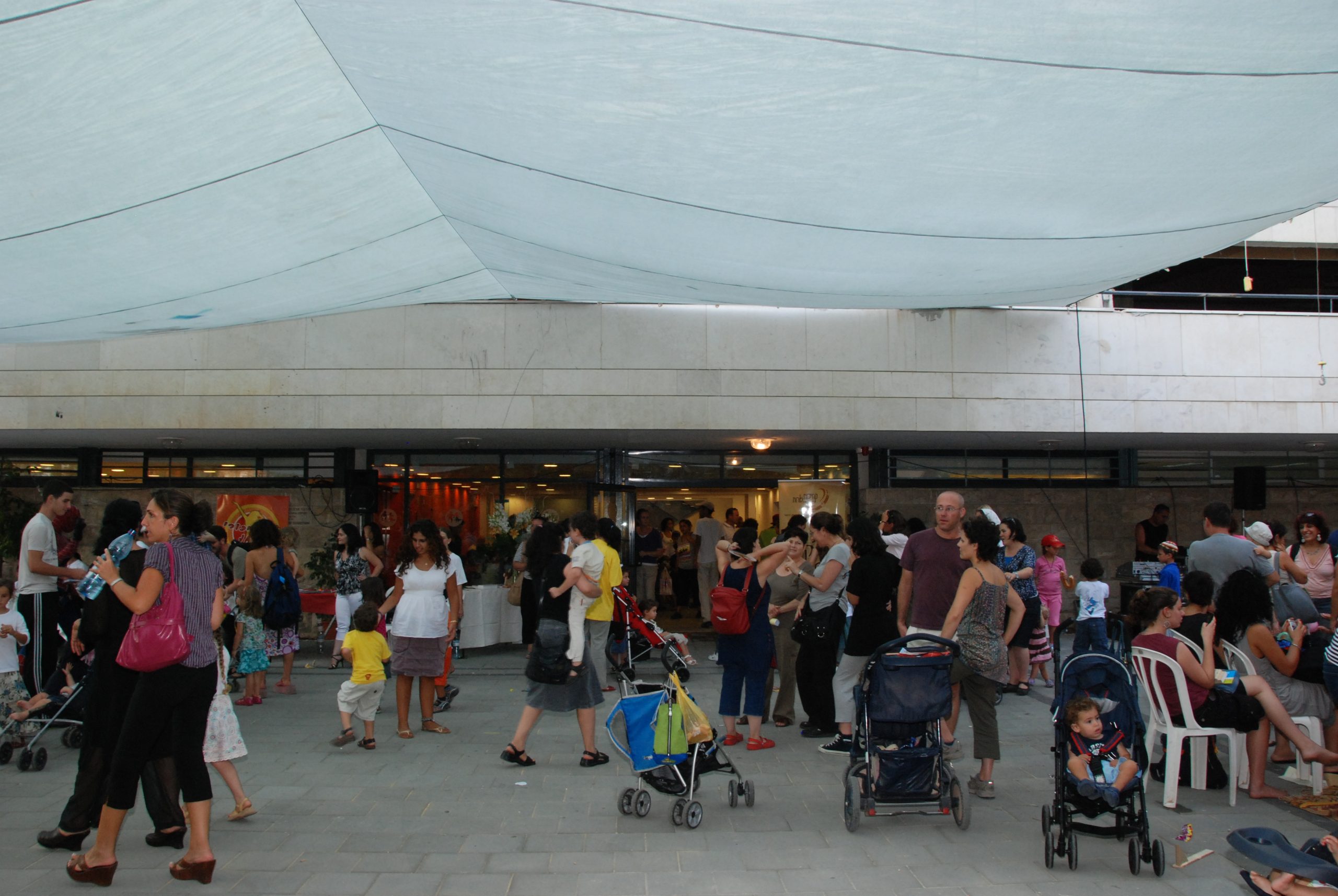
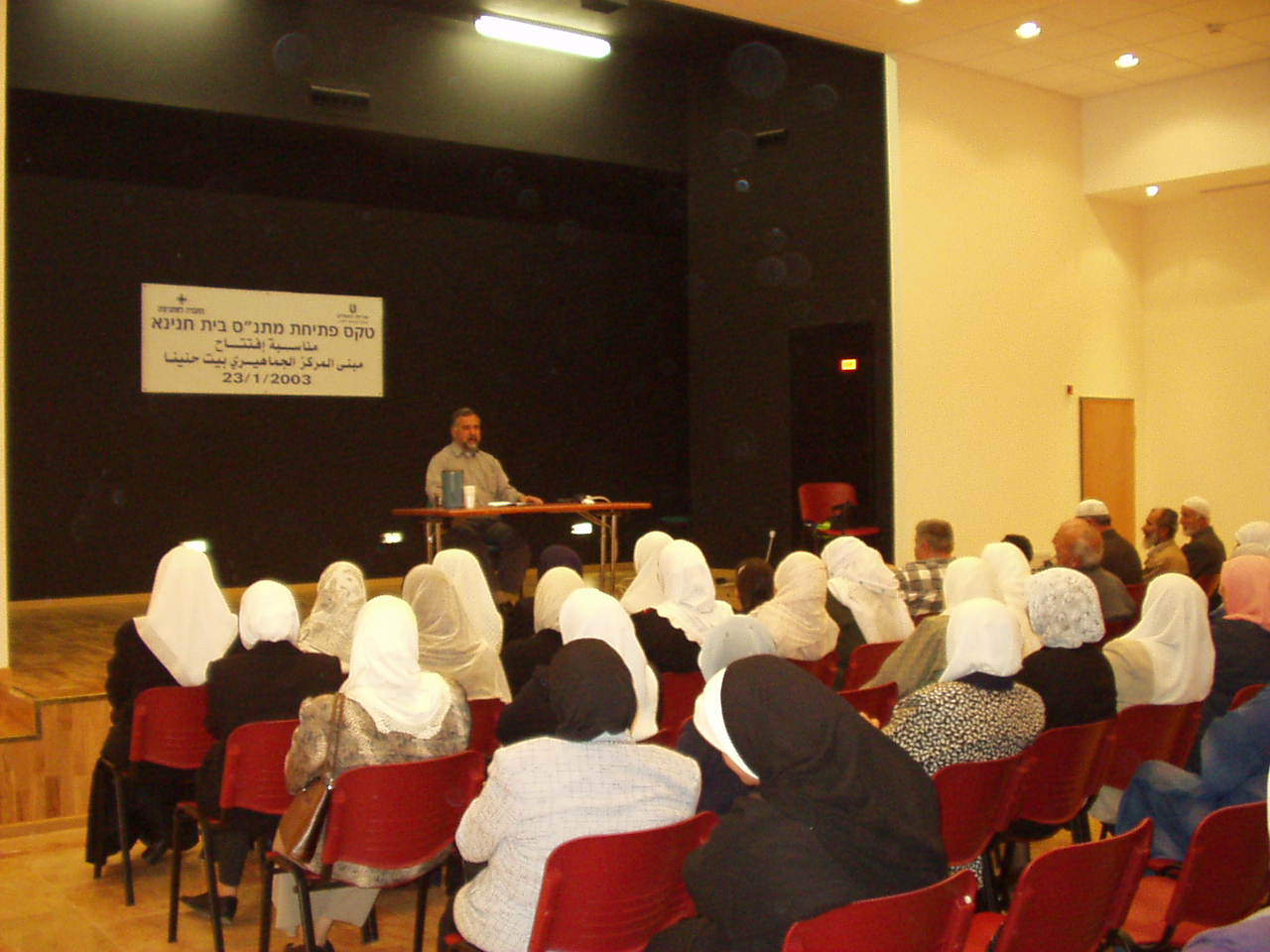
Community centers answer that need in the most practical and human way. They are among the quiet lifelines of city life, places where a neighborhood becomes more than a collection of streets and buildings. They bring people into the same rooms, courtyards, classrooms, sports halls, studios, and activity spaces. Children come after school and find company, structure, enrichment, and a safe place to grow. Teenagers gain skills, confidence, and meaningful ways to spend their time. Adults discover lectures, courses, cultural programs, volunteer opportunities, and ways to participate in the life of their neighborhood. Older residents find companionship, familiarity, and a reason to leave the house.

Photo courtesy of Beit Hanina Community Center

For decades, the Jerusalem Foundation has understood that community life does not simply happen on its own. It requires investment, imagination, and physical places where residents can gather. Over the years, the Foundation has helped establish more than thirty community centers throughout Jerusalem, serving the city’s many neighborhoods and populations. Each center was created in response to the character and needs of the community around it, and each one has brought new life into the neighborhood it serves.

The Jacob and Sara Feldman Community Center in Pisgat Ze’ev is one example of this vision. Established by the Jerusalem Foundation in 2000, the center was built to meet the educational, recreational, and social needs of the neighborhood’s tens of thousands of residents. Its original facilities included a multipurpose hall, preschool activity center, youth club, ballet and martial arts studios, science room, and arts workshops. Over time, the Foundation also supported the addition of a fitness room, seniors club, youth wing, and the Fannie and Bernard Schaenen Music Center, a music school for neighborhood children. Today, the center serves children, youth, adults, seniors, new immigrants, residents with special needs, and the neighborhood’s growing ultra-Orthodox community.
Pisgat ze’ev

kiryat menachem

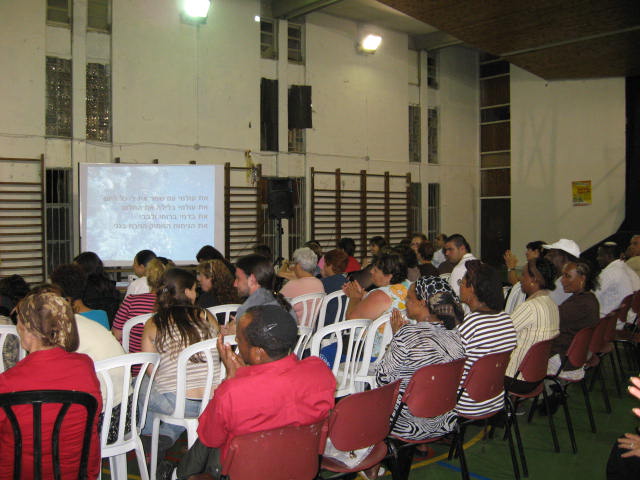
In Kiryat Menachem, the Jerusalem Foundation supported the construction of the Scheuer-Bressler Youth and Community Center in 1972, with additional wings and renovations carried out in the years to follow. For many years, Kiryat Menachem and neighboring Ir Ganim were considered part of Jerusalem’s geographic and social periphery, shaped by poverty, marginalization, and the challenges faced by many of the families who first settled there. While the neighborhood has changed considerably in recent decades, many residents still face economic vulnerability, making the center’s presence all the more vital. Through the broader Ganim Community Council, residents receive support across every stage of life, including senior clubs, programs for children with special needs, mentoring and enrichment for at-risk youth, early childhood development services, daycare, and activities for new immigrant communities. In this context, the center is not only a place of gathering, but a source of stability, care, and opportunity.

Photo courtesy of Neve Yaakov community center

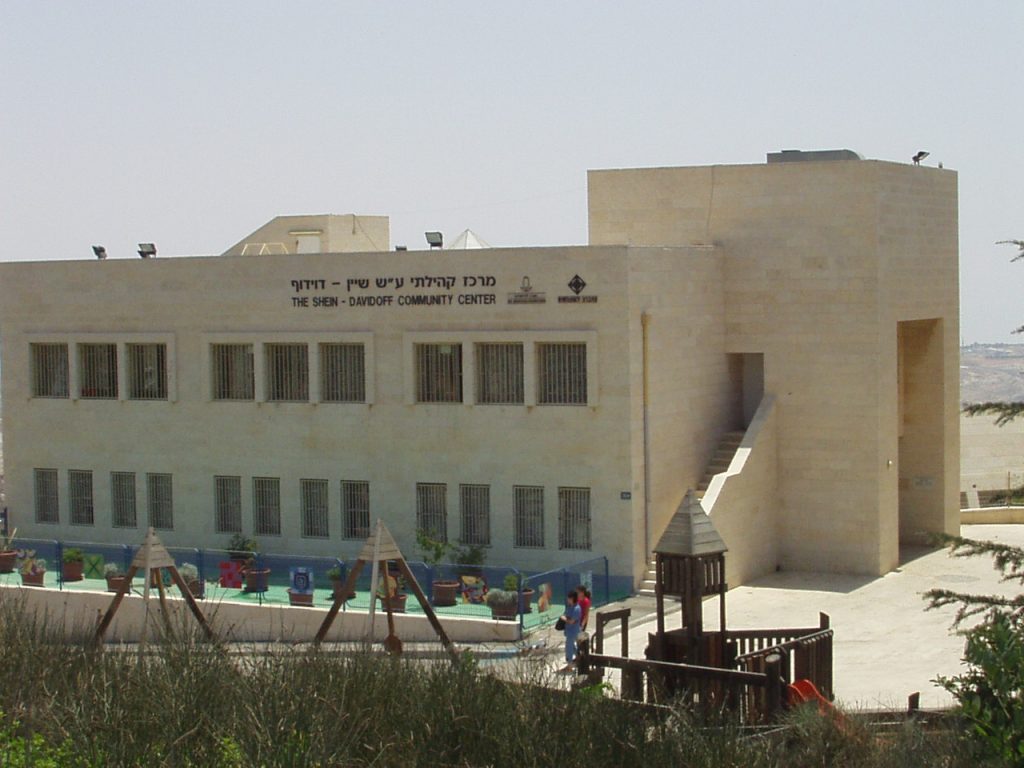
In Neve Yaakov, the Shein-Davidoff Community Center reflects the changing story of one of Jerusalem’s northern neighborhoods. The Neve Yaakov Community Center began operating in public schools in the late 1970s, with early Jerusalem Foundation support for activities that helped new immigrants, particularly immigrants from the former Soviet Union, integrate into the social and cultural life of the neighborhood. In 1995, the Foundation completed a major expansion of the facility and rededicated it as the Shein-Davidoff Community Center. The project included a preschool, afterschool learning center, computer room, and seniors club for the thousands of residents who used the center each week. Today, the center serves a large and young population, with significant ultra-Orthodox communities alongside earlier immigrant groups from the former Soviet Union and Ethiopia.

neve yaakov

a place to belong

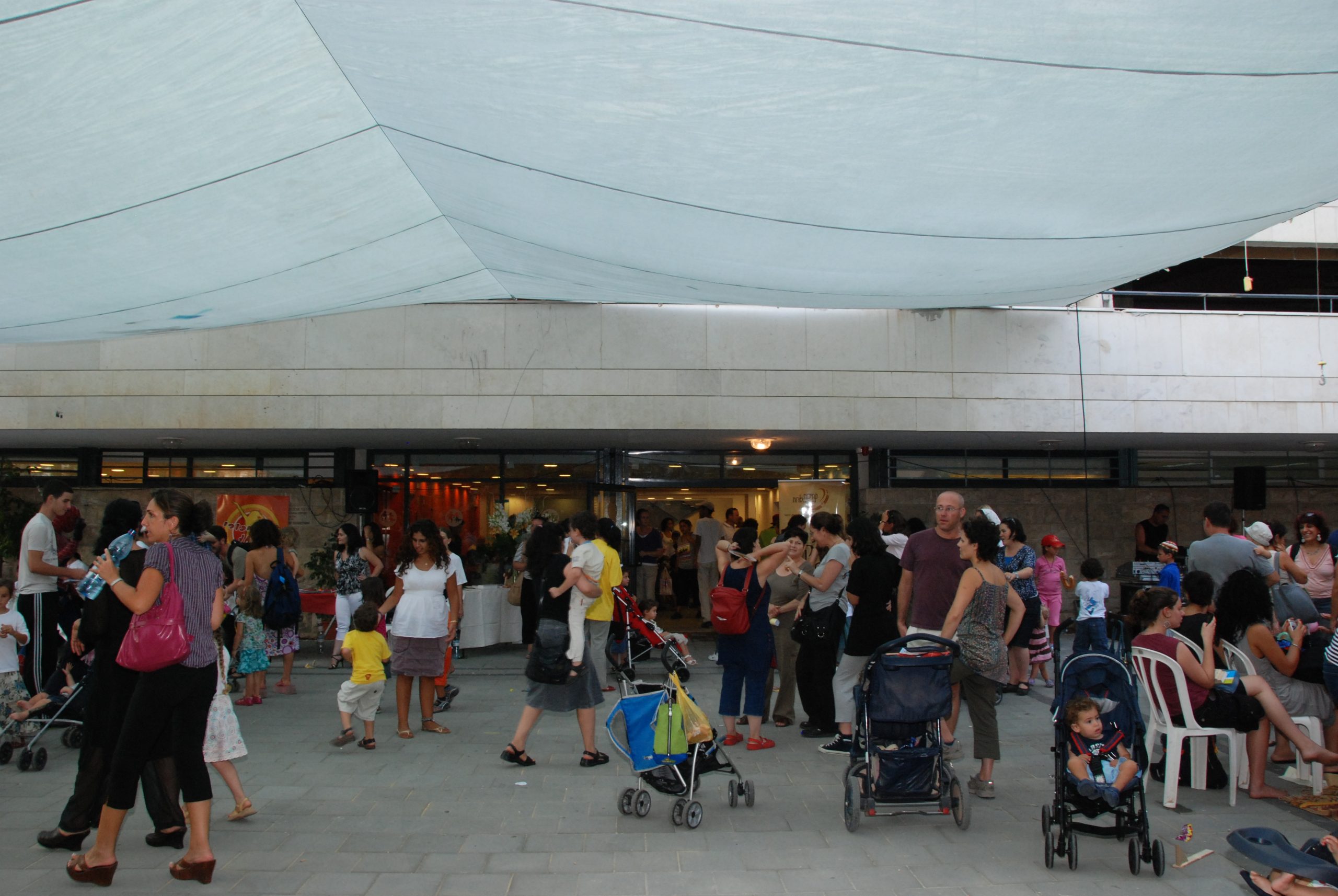
Across Jerusalem, these centers do more than provide programs. They give residents a place to belong. They are where a child takes a first dance class, where a teenager finds a mentor, where an elderly resident recognizes familiar faces, where a new immigrant learns Hebrew, where a parent finds support, and where neighbors begin to see one another not as strangers, but as part of a shared community. They make the city feel less like an intimidating metropolis and more like a network of villages, each with its own rhythm, stories, and gathering places.

Photo courtesy of Beit Yehudit Community Center

investing in community

This is the lasting importance of the Jerusalem Foundation’s investment in community centers. In a city often defined by its divisions, these centers create everyday opportunities for connection. They offer not only services, but belonging. Not only buildings, but memory. Not only activities, but the simple and irreplaceable experience of being known, welcomed, and part of something larger than oneself.

Previous
Next
The Bastion of Time: A Journey Through Jerusalem at the Tower of David The Khan Theater 28 Community Centers Mitchell Park and Gardens – Hinnom Valley Jerusalem Music Center Mishkenot Natural History Museum Paley Center Hurva Synagogue Jerusalem Print Workshop Wohl Rose Park Artists’ Studios Merrill Hassenfeld Amphitheater, Sultan’s Pool Beit Tamar – Ilan Byer Home for the Aged Jerusalem Botanical Gardens Ein Yael Living Museum Naggar Musrara School of Photography – Art and Society Walter and Elise Haas Promenade and Richard and Rhoda Goldman Promenade The Sam Spiegel Film and Television School Simon Rothschild Ben-Yehuda School for Special Education Teddy Stadium Bloomfield Science Museum Safra Square Modi’in Scouts Club Museum on the Seam Via Dolorosa Restoration and Accessibility Al Jabsha Elderly Center in Christian Quarter The Max Rayne Hand in Hand School for Jewish-Arab Education Israel Asper Community Action Center in Ramot The Kangaroo Family Center Jerusalem Secular Yeshiva Restoration of Montefiore Windmill to working mill Canada House – Morasha Community HaMiffal Israel Gottesman Aquarium Jerusalem Arts Campus Hassenfeld Family Wadi Joz Youth Center Kayma, the George Pinto Jerusalem Doctoral Fellows Culture Series (Sidratarbut) Misgav LeKashish Elderly Day Center Shanti House Well Baby Centers – Renovations Shai Doron Leadership Fellows Beit Hanina Community Center and Pool
Jerusalem Gardens National Park ringing Old City Walls Harry Wilf Independence Park Mishkenot Sha’ananim Cultural Center and Guesthouse Jerusalem Conservatory Hassadna Liberty Bell Park Jerusalem Cinematheque Train Theater The Hattie Friedland School for the Deaf School of Visual Theater The Jacob & Hilda Blaustein Civic Center Beit Sherman – Beit Buria The Djanogly Visual Arts Centre Tisch Family Zoological Gardens Joseph Meyerhoff Youth Center for Advanced Science Studies Jack, Joseph and Morton Mandel Gazelle Valley Urban Wildlife Park Jerusalem Scholarship Fund for Higher Education Jerusalem Resilience Center – Shaare Nefesh
The Bastion of Time: A Journey Through Jerusalem at the Tower of David 1970 Jerusalem Gardens National Park ringing Old City Walls 1970 The Khan Theater 1972 Harry Wilf Independence Park 1972 28 Community Centers 1972 Mitchell Park and Gardens – Hinnom Valley 1973 Mishkenot Sha’ananim Cultural Center and Guesthouse 1973 Jerusalem Music Center Mishkenot 1973 Jerusalem Conservatory Hassadna 1973 Natural History Museum 1976 Paley Center 1977 Hurva Synagogue 1978 Liberty Bell Park 1978 Jerusalem Print Workshop 1978 Wohl Rose Park 1981 Jerusalem Cinematheque 1981 Artists’ Studios 1981 Train Theater 1981 Merrill Hassenfeld Amphitheater, Sultan’s Pool 1981 The Hattie Friedland School for the Deaf 1981 Beit Tamar – Ilan 1982 Byer Home for the Aged 1983 Jerusalem Botanical Gardens 1985 Ein Yael Living Museum 1986 School of Visual Theater 1986 Naggar Musrara School of Photography – Art and Society 1986 Walter and Elise Haas Promenade and Richard and Rhoda Goldman Promenade 1987 The Jacob & Hilda Blaustein Civic Center 1987 The Sam Spiegel Film and Television School 1989 Beit Sherman – Beit Buria 1989 Simon Rothschild Ben-Yehuda School for Special Education 1990 Teddy Stadium 1991 The Djanogly Visual Arts Centre 1991 Bloomfield Science Museum 1992 Safra Square 1993 Tisch Family Zoological Gardens 1993 Modi’in Scouts Club 1997 Museum on the Seam 1999 Via Dolorosa Restoration and Accessibility 2000 Joseph Meyerhoff Youth Center for Advanced Science Studies 2000 Al Jabsha Elderly Center in Christian Quarter 2000 The Max Rayne Hand in Hand School for Jewish-Arab Education 2007 Israel Asper Community Action Center in Ramot 2008 The Kangaroo Family Center 2010 Jerusalem Secular Yeshiva 2011 Restoration of Montefiore Windmill to working mill 2012 Canada House – Morasha Community 2013 HaMiffal 2015 Jack, Joseph and Morton Mandel Gazelle Valley Urban Wildlife Park 2015 Israel Gottesman Aquarium 2017 Jerusalem Scholarship Fund for Higher Education 2017 Jerusalem Arts Campus 2018 Hassenfeld Family Wadi Joz Youth Center 2019 Kayma, the George Pinto Jerusalem Doctoral Fellows 2020 Culture Series (Sidratarbut) 2021 Misgav LeKashish Elderly Day Center 2023 Shanti House 2024 Jerusalem Resilience Center – Shaare Nefesh 2024 Well Baby Centers – Renovations 2024 Shai Doron Leadership Fellows 2025 Beit Hanina Community Center and Pool 2026