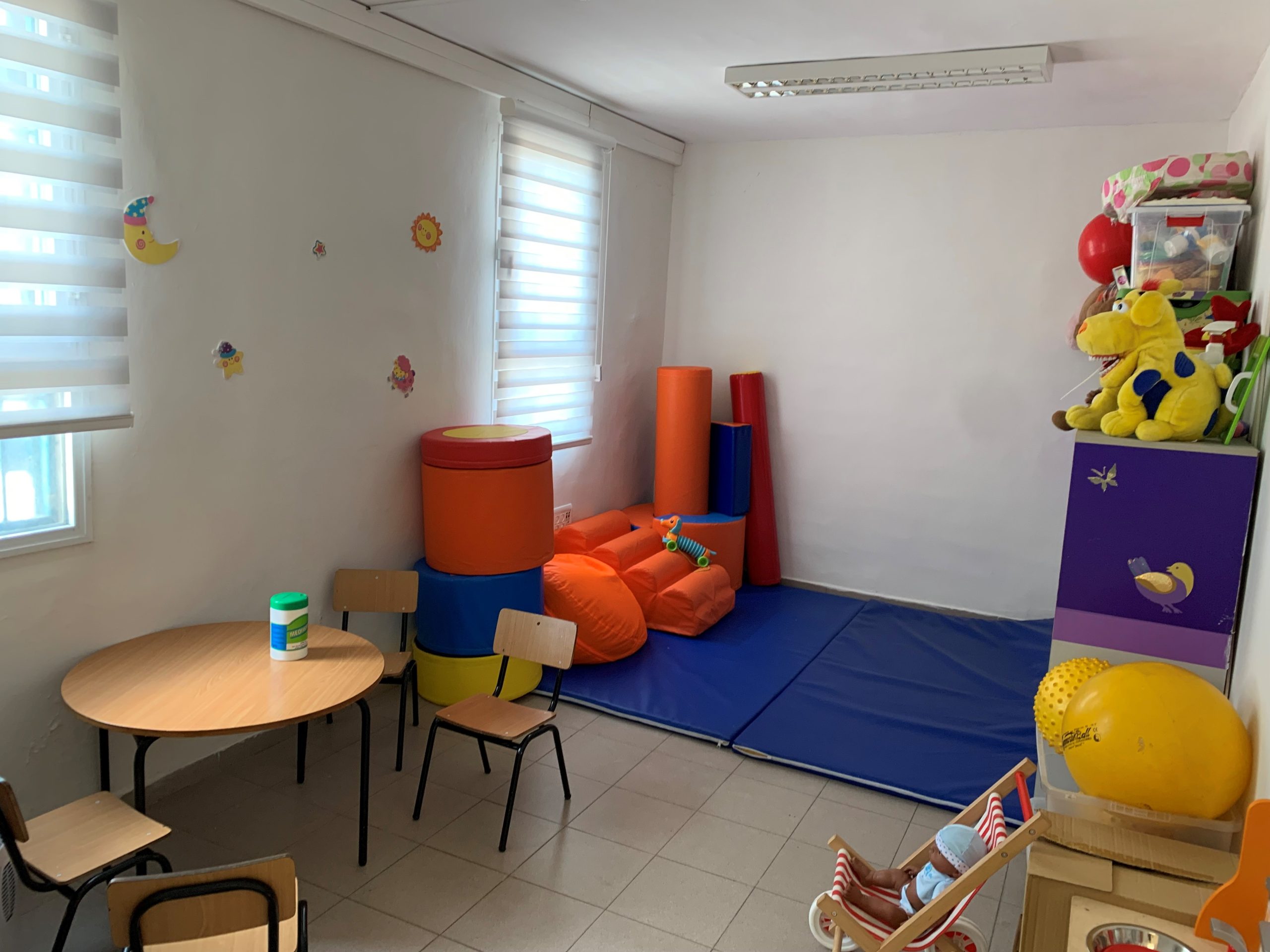
Early childhood is not simply a stage of growth, but a period in which the foundations of health, learning, and social development are established, often in ways that remain invisible until much later. Vaccinations administered in these years protect against preventable disease, while careful monitoring of developmental milestones allows for the early identification of delays and timely intervention. In a city as socially and economically complex as Jerusalem, ensuring consistent access to this care is both a public health necessity and a question of equity.

a universal model

Jerusalem is home to one of the youngest and most diverse populations in Israel, alongside some of its highest rates of child poverty. Many families, particularly within more traditional or underserved communities, are hesitant to engage with formal healthcare systems or lack the resources to do so consistently. The Well Baby Clinics, known locally as Tipat Halav, address this gap through a universal model of care that reaches every infant and toddler in the city. Services are provided free of charge and without distinction, creating a rare point of equal access across Jerusalem’s deeply varied social landscape.

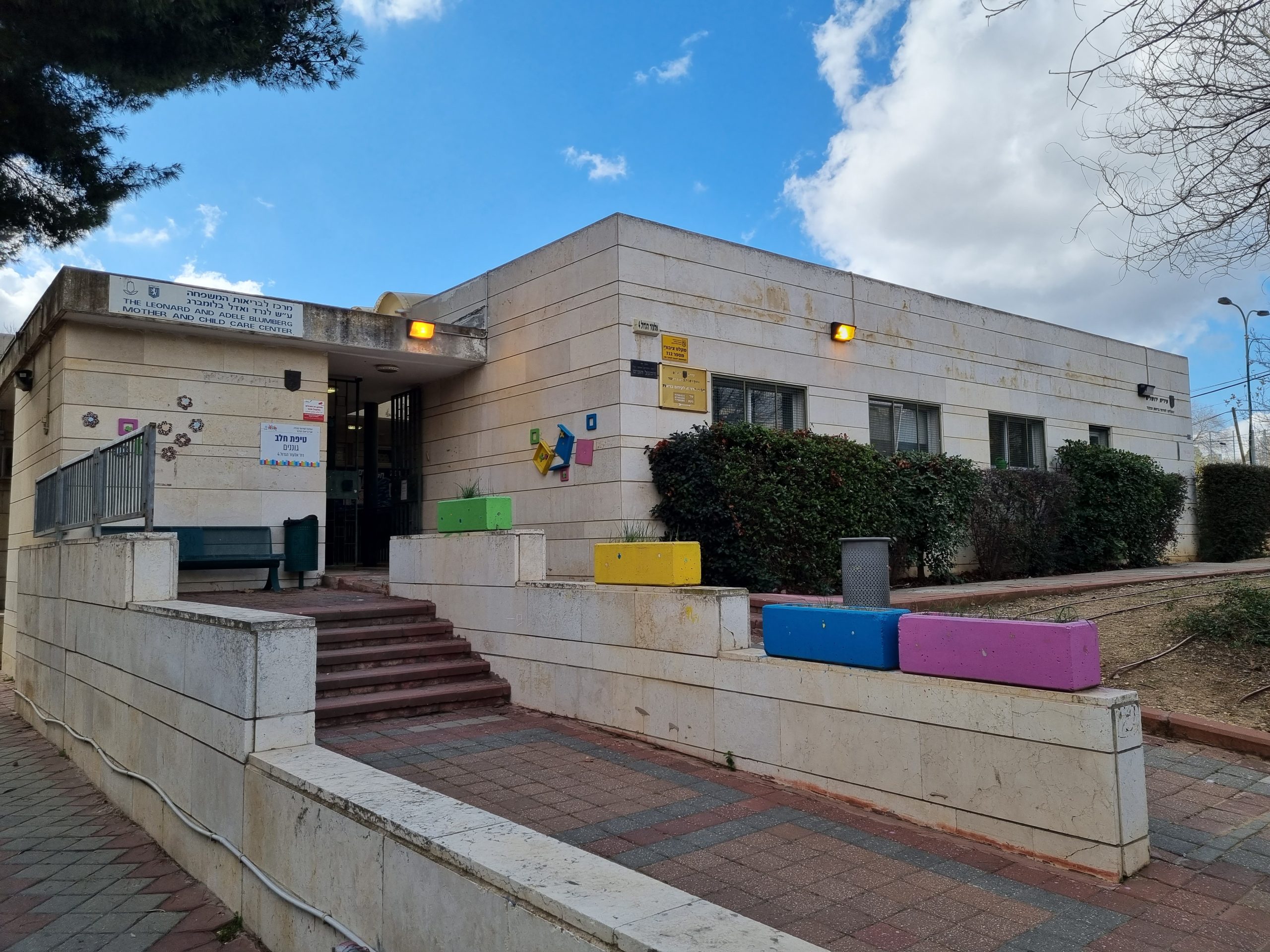
Well Baby Center, Gonenim neighborhood
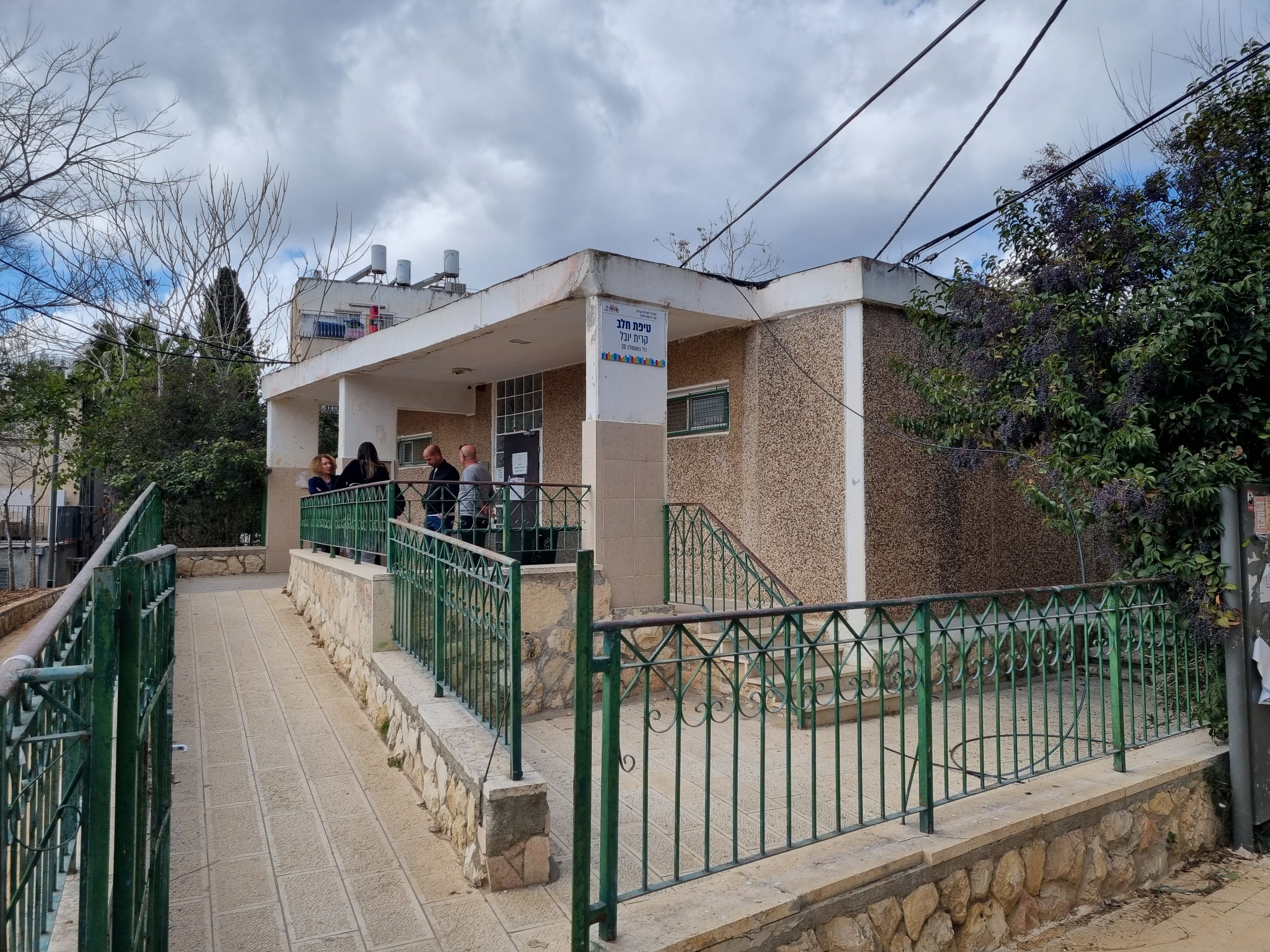
Well Baby Center, Kiryat Yovel neighborhood
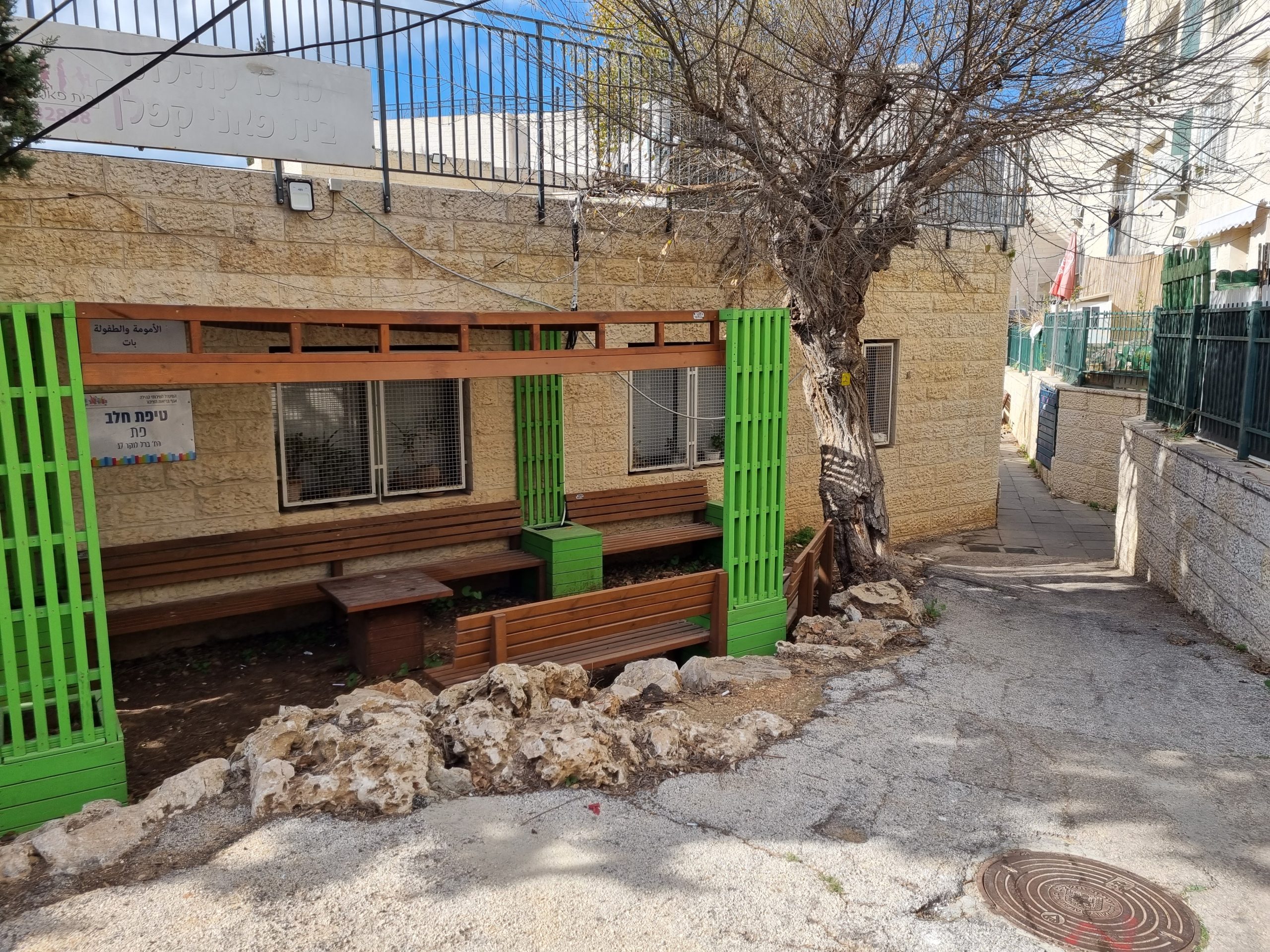
Well Baby Center, Pat neighborhood

For decades, these clinics have been embedded in neighborhoods across the city, accompanying families from pregnancy through the early years of childhood. Their role extends well beyond routine check-ups. Infants and toddlers receive all recommended vaccinations, while their physical, cognitive, and emotional development is tracked over the first five years of life by multidisciplinary teams that include nurses, physicians, and paramedical professionals such as speech and occupational therapists. At the same time, parents receive guidance and support at critical stages, strengthening both child outcomes and family well-being.

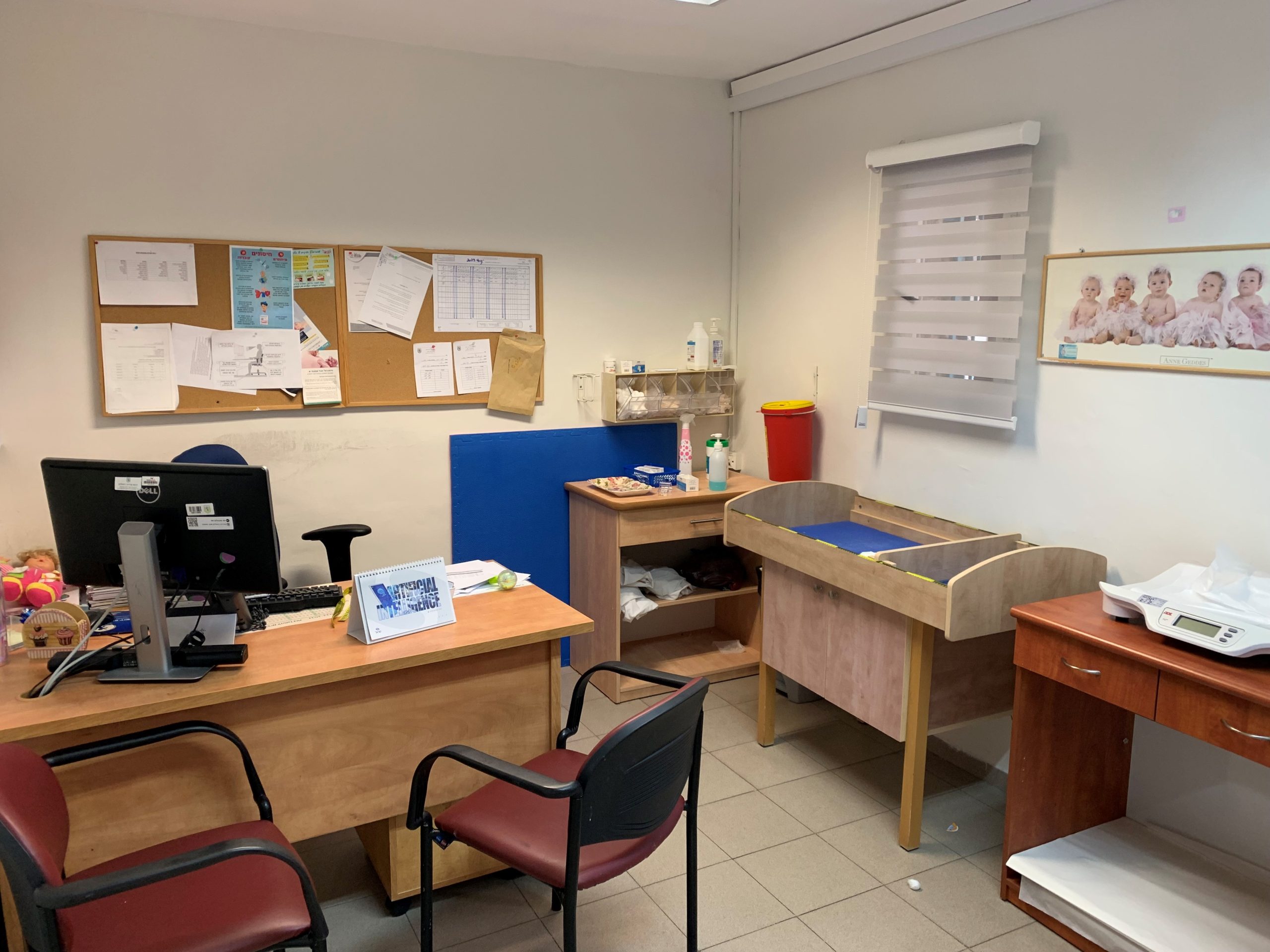
Well Baby Center, Ir Ganim neighborhood

The city operates 32 Well Baby Clinics, in both East and West Jerusalem, forming the largest preventive screening network of its kind in Israel . Each year, more than 100,000 children are served, including approximately 20,000 infants under the age of one and 95,000 toddlers between one and five. What distinguishes the Jerusalem model is its integrated, preventative approach. The clinics function not only as medical centers but as hubs of early childhood support. Parents can participate in workshops and peer groups, receive nutritional counseling, and access professional guidance on child development. Innovative programs use everyday interactions to advance developmental outcomes, from encouraging language through shared reading to observing children in guided play environments that allow for early detection of challenges. Dedicated teams identify and support mothers experiencing postpartum depression, recognizing that early childhood well-being is inseparable from parental support systems.
Supporting jerusalem’s children

The Jerusalem Foundation has played a significant role in strengthening this model. Its support has enabled enhancements that extend beyond standard services, including improvements to clinic environments, the introduction of additional therapeutic and educational programming, and the creation of more welcoming and accessible spaces for families.

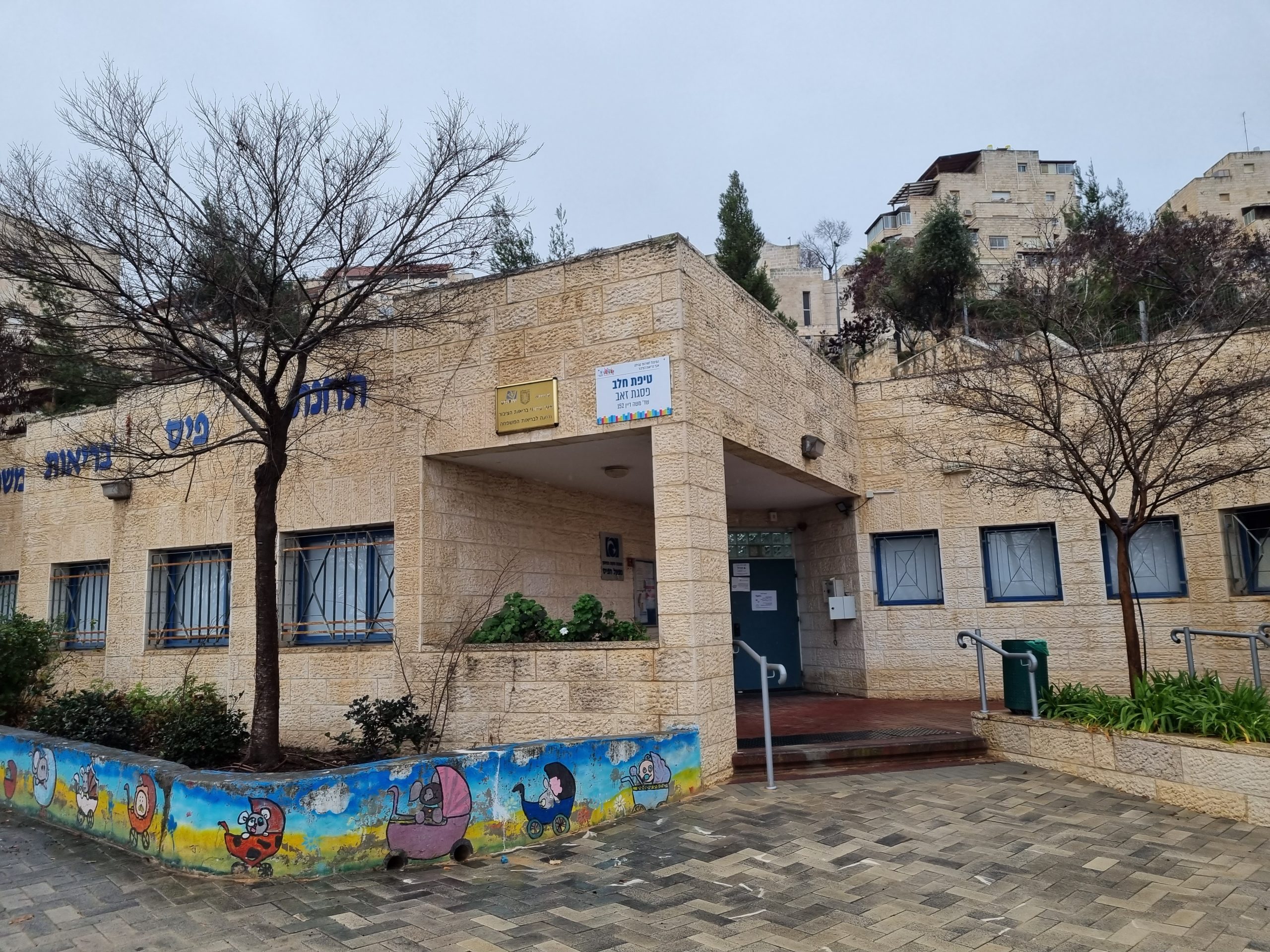
Well Baby Center, Pisgat Ze'ev neighborhood
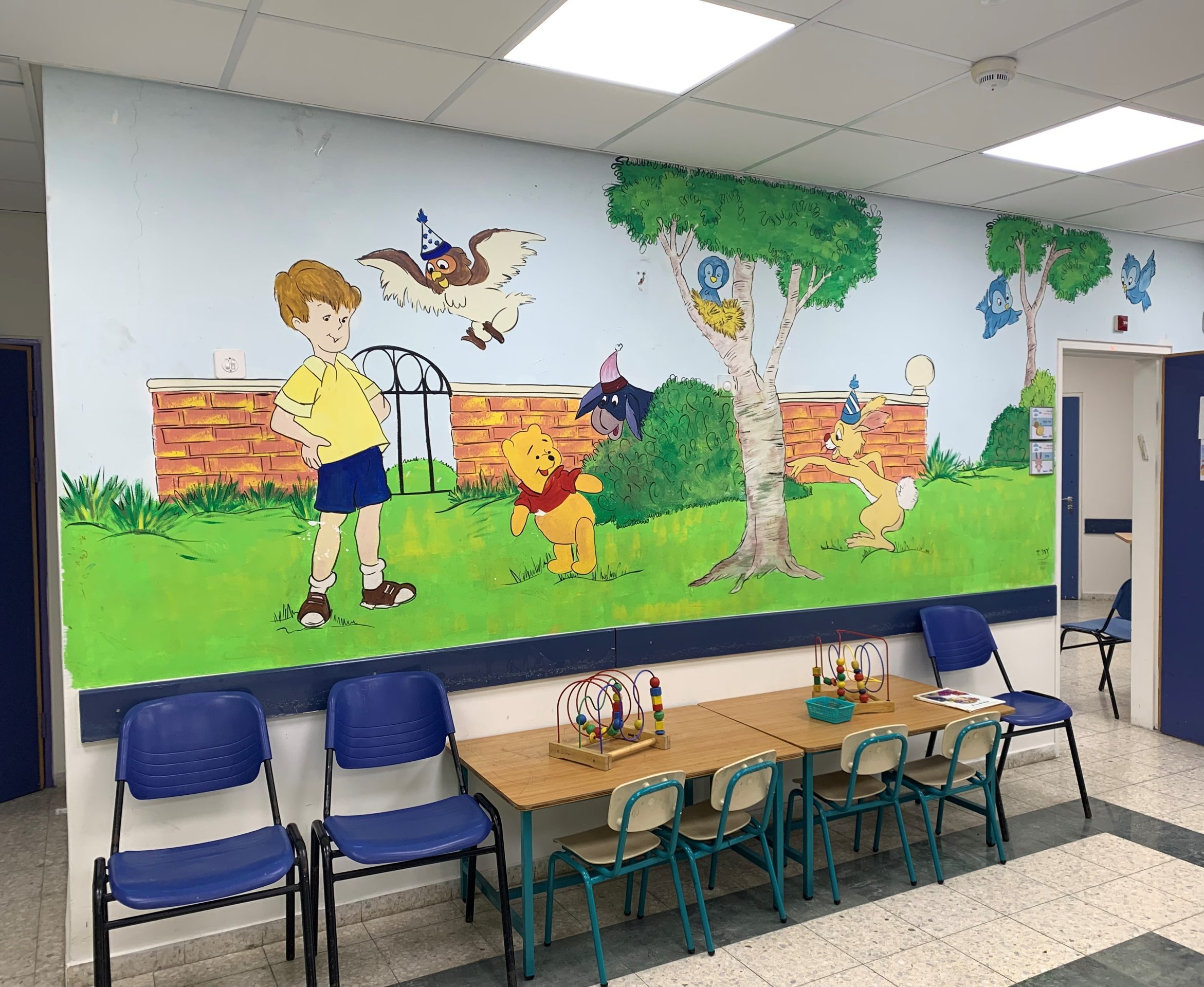
Well Baby Center, Ir Ganim neighborhood

quality care for all

At the same time, many of the clinics, particularly those serving the city’s most underserved neighborhoods, face significant infrastructural challenges. Several sites have been identified as requiring urgent renovation and expansion in order to meet current standards and growing demand. These clinics serve tens of thousands of children and families, yet often operate in facilities that limit their ability to deliver care at the highest level. By improving the physical environments in which care is delivered, the Jerusalem Foundation seeks to ensure that all children, regardless of where they live, have access to high-quality early childhood services.

Previous
Next