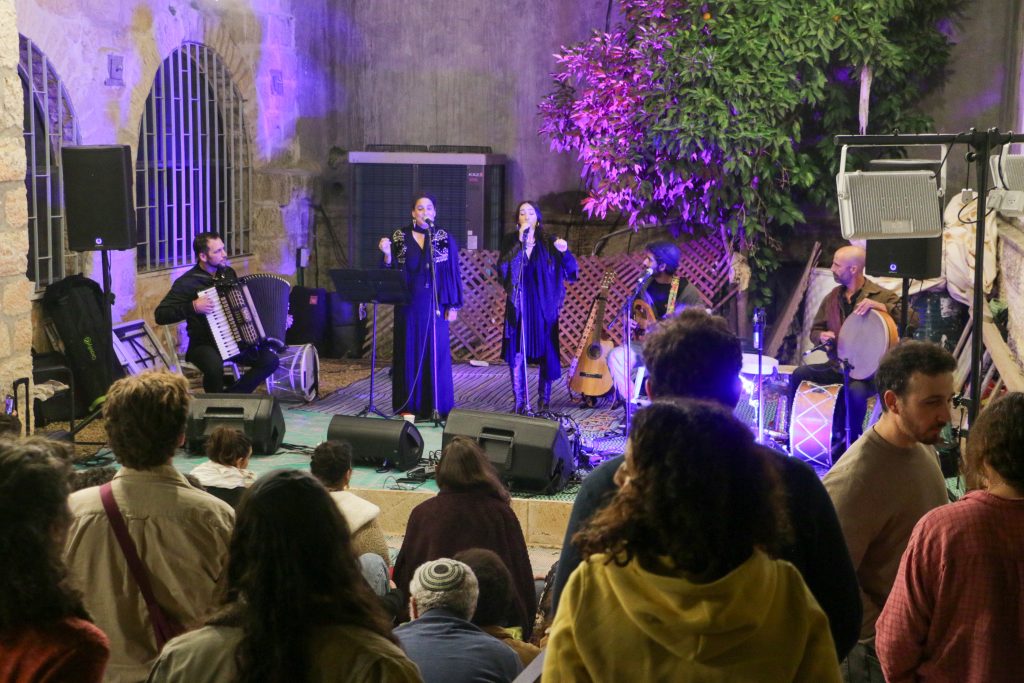
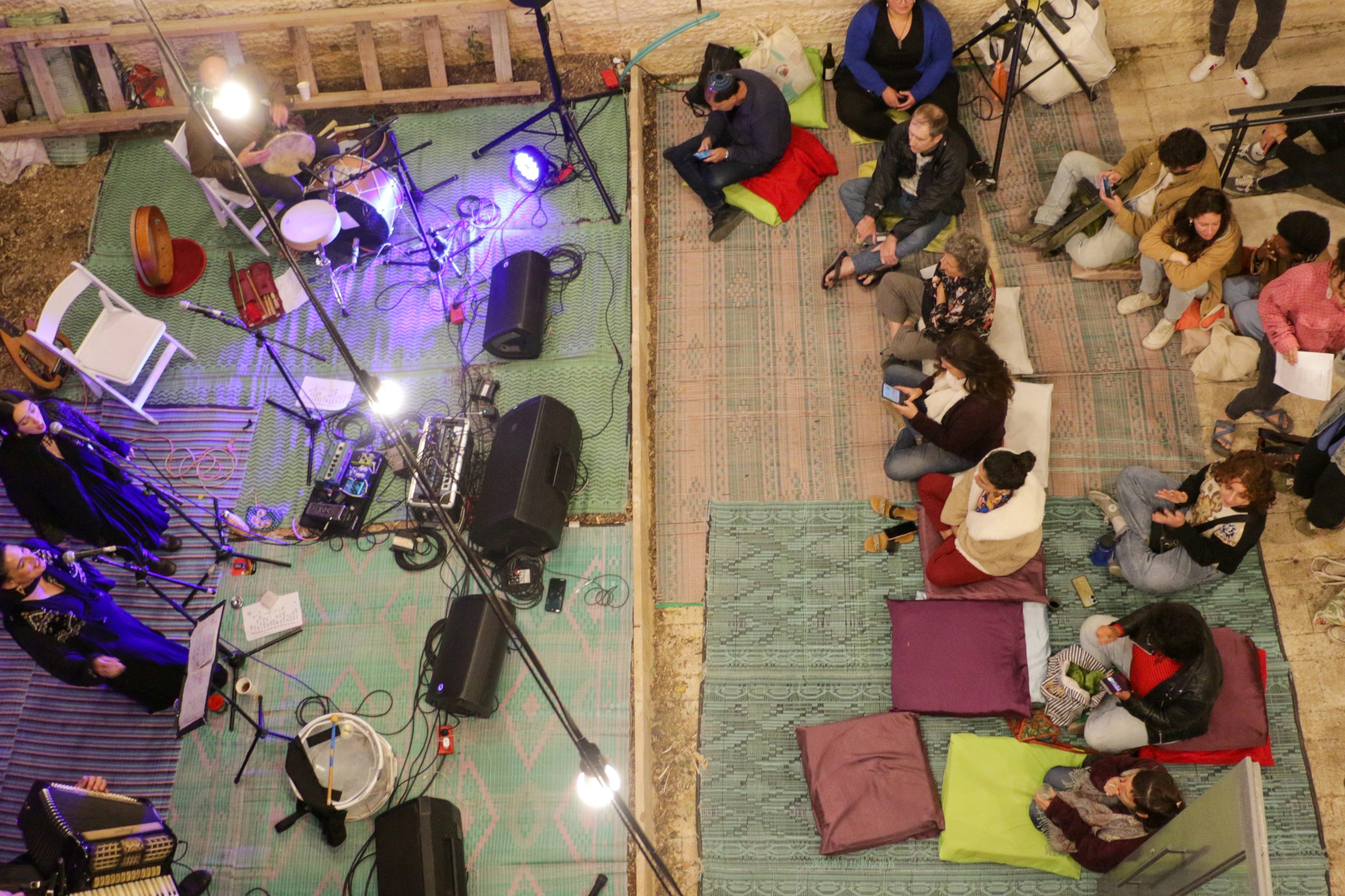
Jerusalem has always held within it a remarkable range of Jewish lives and traditions, layered one atop the other. Yet alongside this richness runs a palpable tension between secular and ultra-Orthodox expressions of Judaism in the public sphere. For many young secular Jerusalemites, this tension can feel constraining, even alienating, prompting some to leave in search of spaces where their identities can be explored more freely. Others, however, choose to remain and engage directly with these questions, seeking new ways to understand what it means to live a Jewish life in Jerusalem today.

judaism reexamined

It is within this context that the Jerusalem Secular Yeshiva was founded in 2011. Conceived as a response to both the challenges and possibilities embedded in the city’s cultural fabric, the Yeshiva set out to create a space where young adults could encounter Jewish tradition on their own terms. Rather than positioning secularism as a departure from Jewish learning, it approaches it as a lens through which texts, ideas, and practices can be reexamined and renewed. In doing so, it offers an alternative model of engagement, one that is rooted in inquiry, creativity, and personal interpretation.

Photo courtesy of the Jerusalem Secular Yeshiva

The Yeshiva’s educational model draws from both traditional and contemporary forms of learning. At its core is hevruta study, a method of paired learning that encourages dialogue, debate, and close reading of texts. This is complemented by lectures, seminars, and encounters with a wide range of cultural materials, from biblical sources to modern Hebrew literature, as well as film, art, and environmental initiatives. Learning extends beyond the classroom through tours and meetings with communities and individuals across Jerusalem, allowing participants to situate their studies within the lived reality of the city. The result is a multifaceted program that treats secularization not merely as a social phenomenon, but as an evolving worldview worthy of sustained exploration.
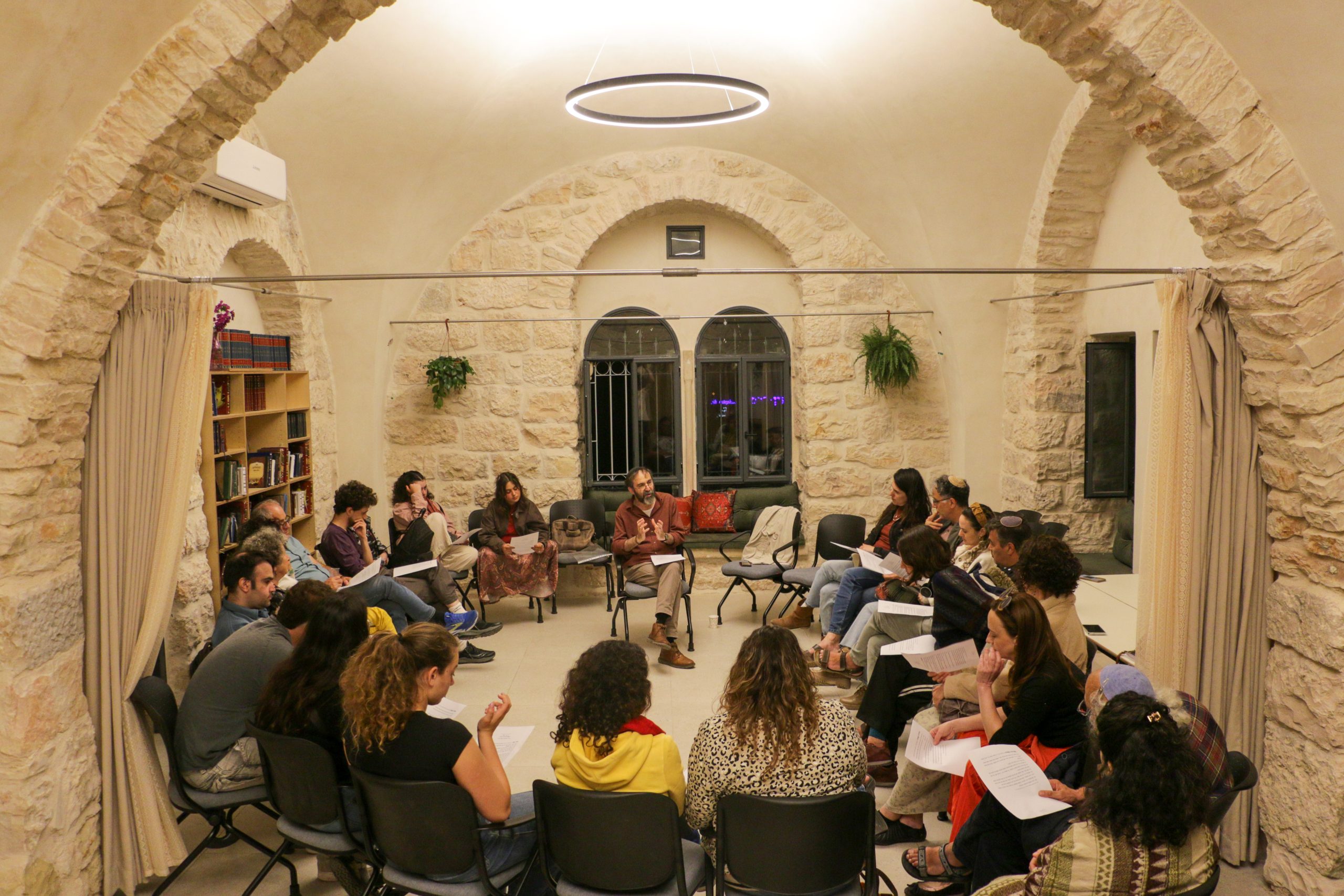
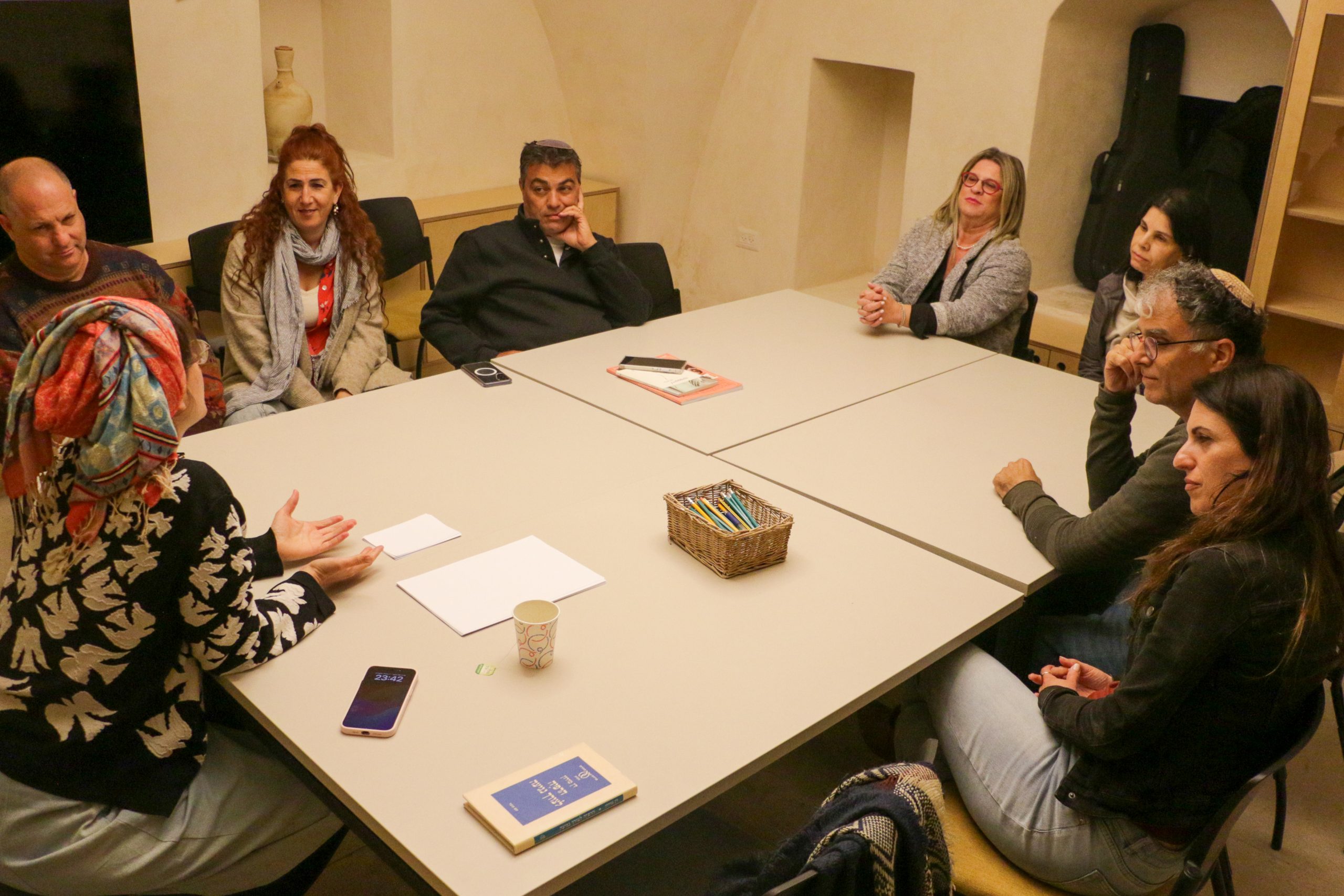
At the same time, the Yeshiva places strong emphasis on cultivating a deep connection to Jerusalem itself. Participants are encouraged to see the city not only as a backdrop to their studies but as an active site of encounter, where questions of identity, belonging, and community are continually negotiated. Through this engagement, the Yeshiva nurtures a generation of young people who are not only intellectually curious but also invested in shaping the cultural and civic life of the city.

Photo courtesy of the Jerusalem Secular Yeshiva

investing in jerusalem

an enduring home

Despite its growing impact, the Jerusalem Secular Yeshiva long operated from a temporary shared building in Ein Karem, a space that could no longer adequately support the scope of its activities or the broader community that made use of it. Recognizing both the practical and symbolic importance of establishing a permanent home for the institution, the Jerusalem Foundation, together with the Jerusalem Municipality and local partners, undertook a comprehensive renovation of the site. Today, the Yeshiva operates from a renewed multipurpose center in the heart of Ein Karem, thoughtfully designed to accommodate a range of communal and cultural activities. The building houses the Secular Yeshiva alongside a community center and local minyan, with shared use of the courtyard and common spaces. More than a physical renovation, the project established a welcoming and enduring home for one of Jerusalem’s most distinctive cultural institutions, affirming the place of secular Jewish learning and creativity within the city’s evolving landscape.

Photo courtesy of the Jerusalem Secular Yeshiva

a secular beacon

While Jerusalem is home to hundreds of Orthodox yeshivot, there is only one Secular Yeshiva. Today, the Secular Yeshiva has become a cultural landmark, inviting young people to explore their Jewish, Israeli, and Jerusalemite identities through openness, creativity, and critical thought. At a moment when many young secular residents are weighing their place in Jerusalem, the presence of a dedicated, vibrant home for intellectual and cultural exploration carries particular weight. It affirms that there is room in the city not only for inherited forms of Jewish life, but also for those still being imagined.

Previous
Next