Jerusalem is shaped not only by its stones and history, but by the generations who have lived within it, carrying its memories across decades of change. Its elders are the city’s living archive, witnesses to its upheavals and continuities alike. Today, more than 80,000 elderly people live in Jerusalem, around one fifth of them from the Haredi community, some of whom are Holocaust survivors. While the city offers a wide range of programs and services for older adults, these are not always adapted to the cultural and social realities of Haredi life. For many, this gap can lead to isolation or limited access to meaningful care. Yet the expectation remains simple and essential. Every person deserves to grow old with dignity, security, and a sense of belonging, within the comfort of their own community. The Misgav Lakashish Senior Day Center was established to answer that need.

Photo by Arnon Bossani

support for those in need

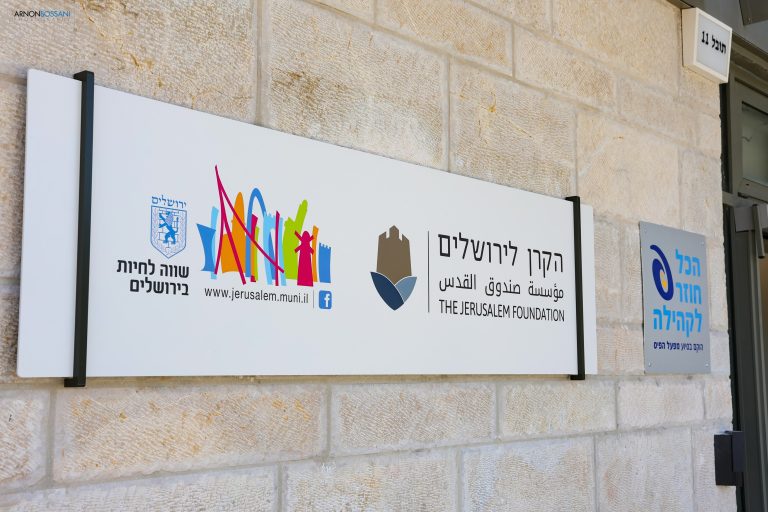
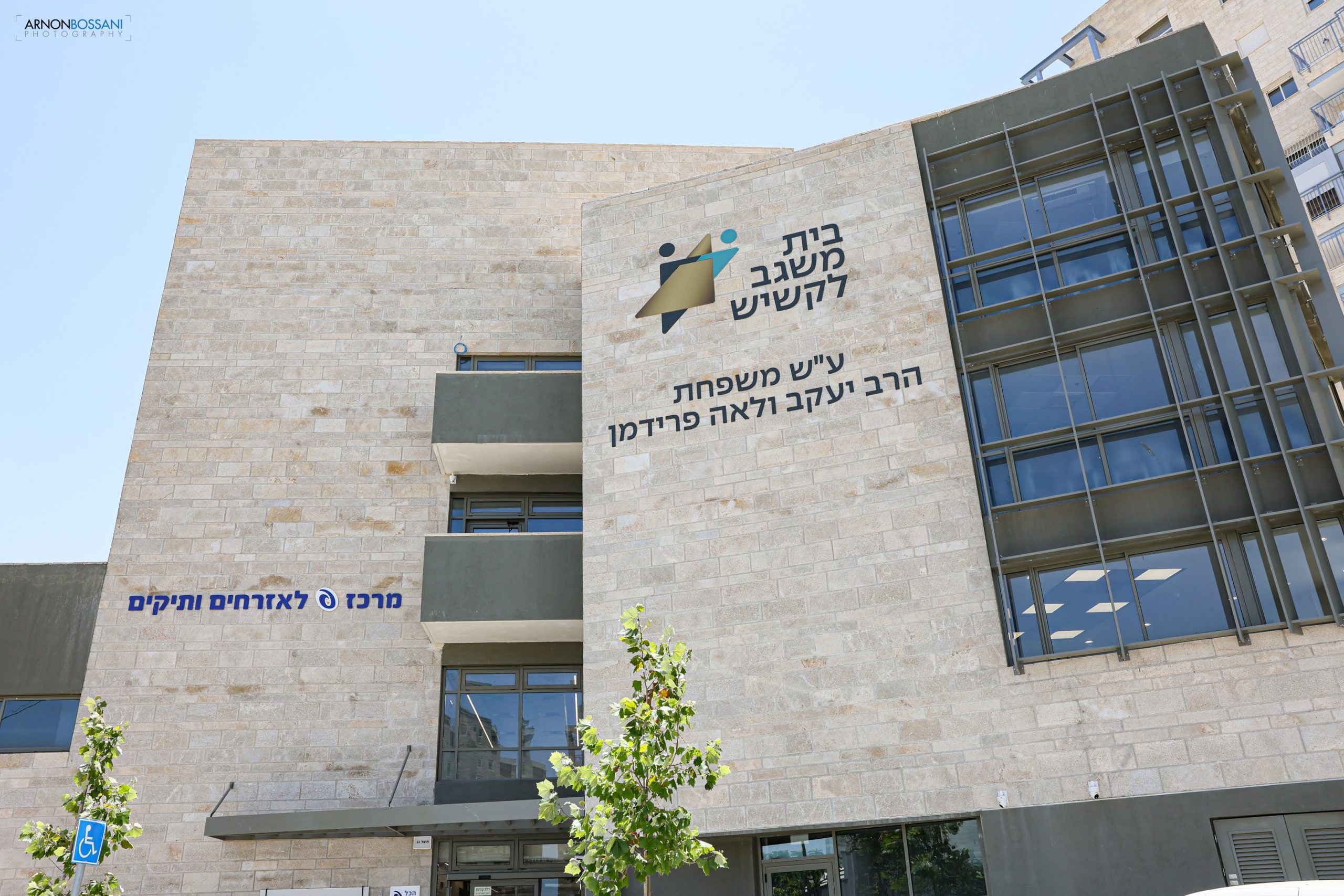
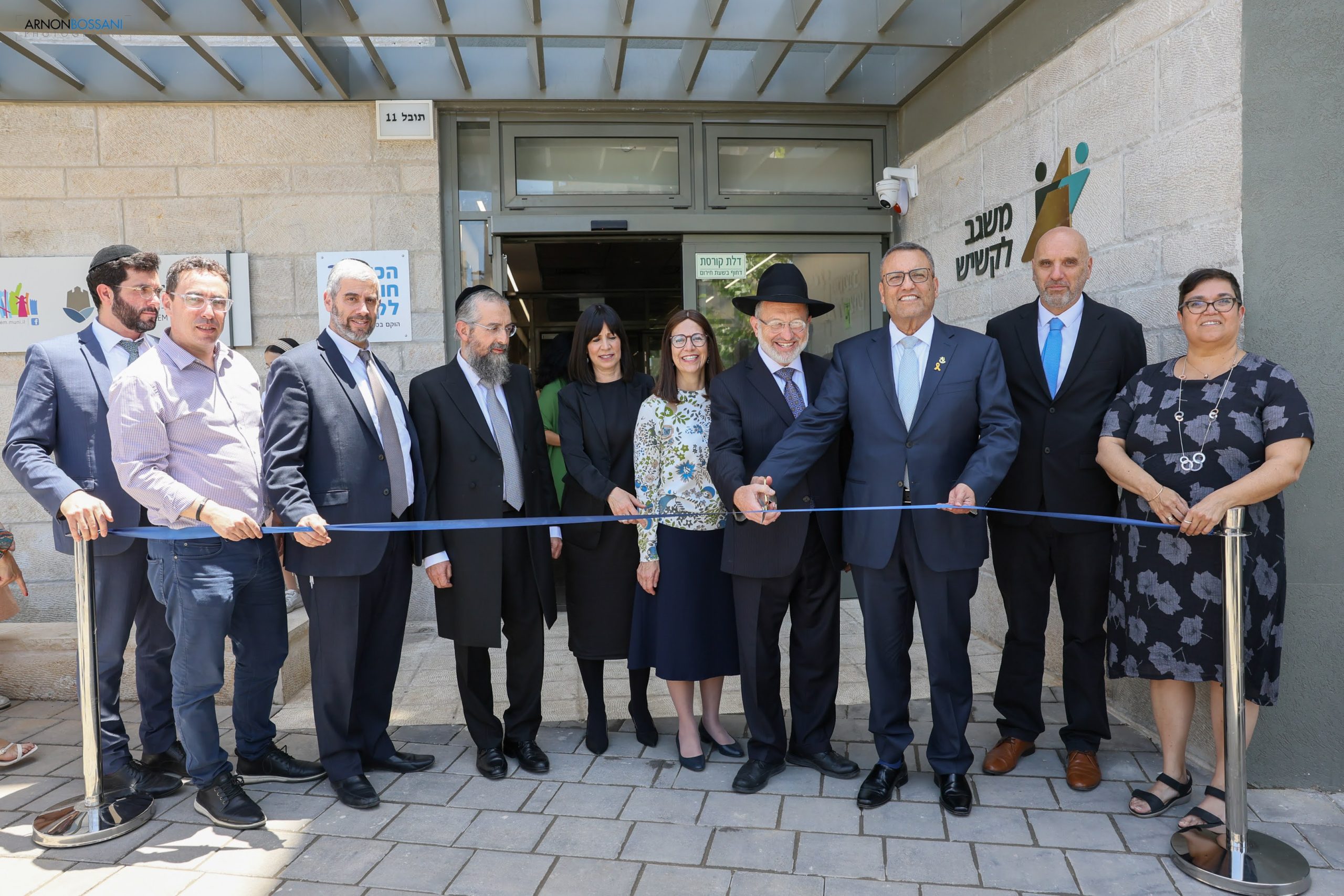
Developed through a partnership between the Misgav Lakashish organization and the Jerusalem Foundation, the center represents a significant step in strengthening support systems for one of the city’s most underserved populations. Work on the project began in 2020, with a clear vision of creating a dedicated space tailored specifically to the needs of Haredi seniors. In 2023, the center opened its doors in the Romema neighborhood, a central and accessible hub within Jerusalem’s Haredi community.

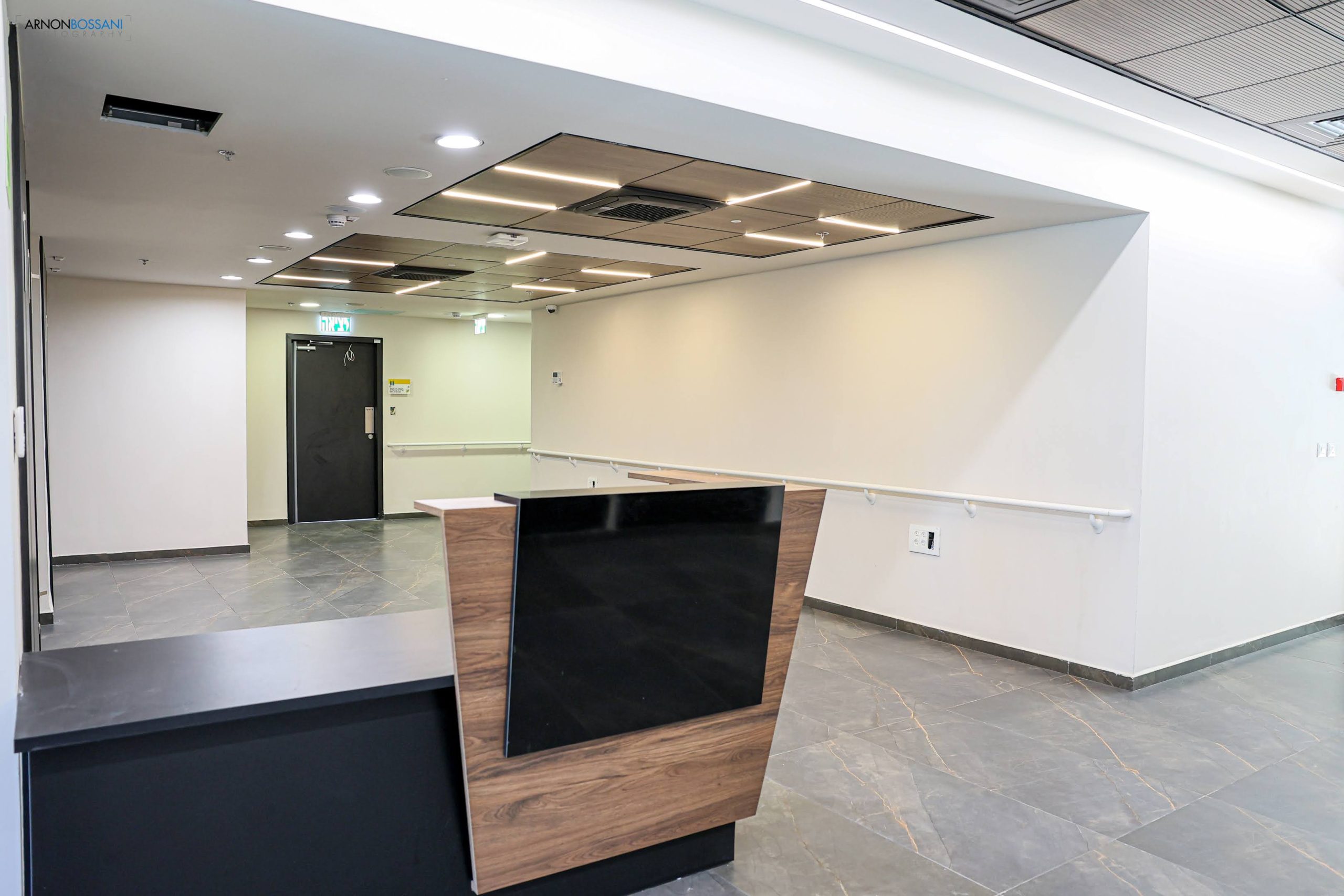
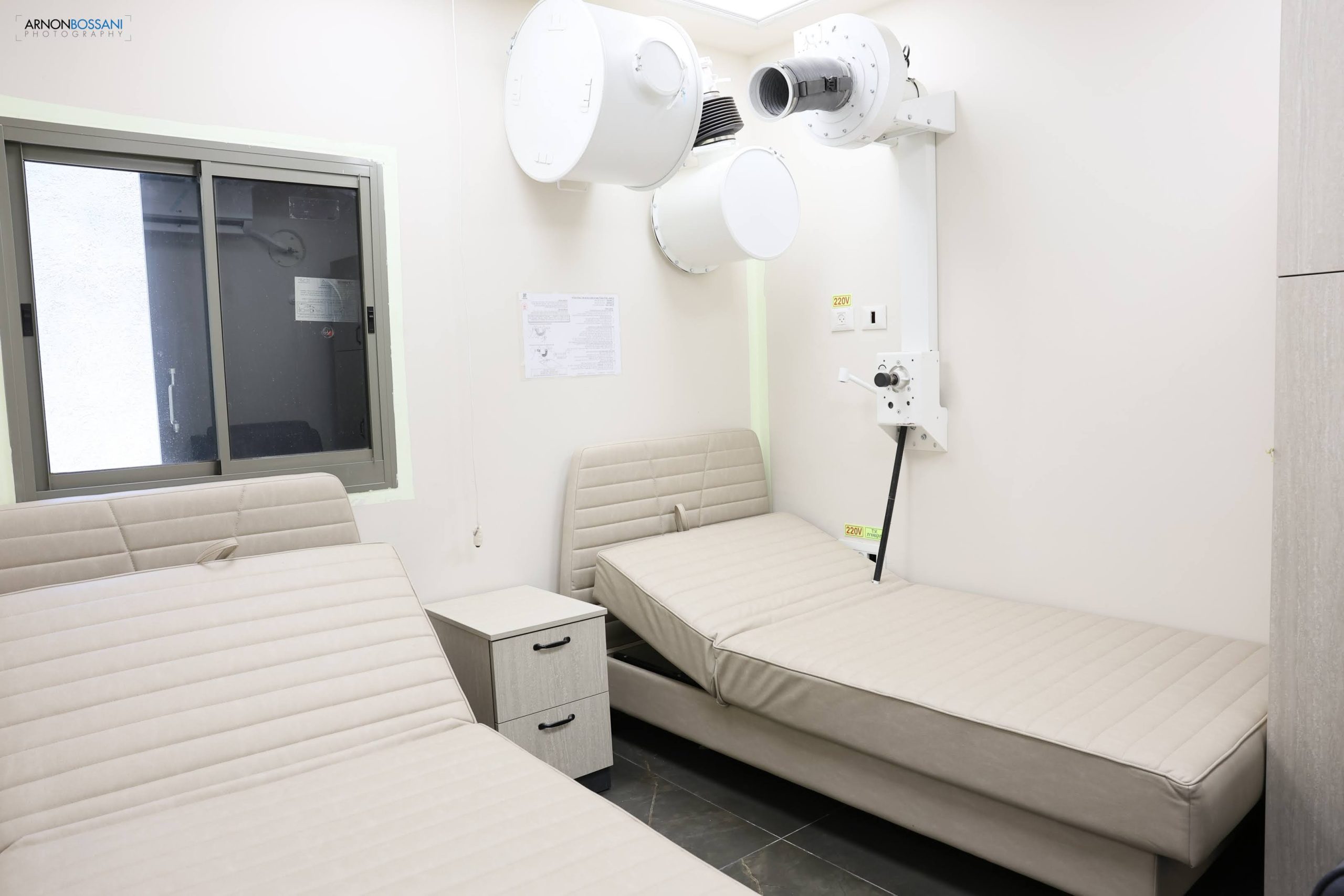
The facility was designed with careful attention to both physical and cultural needs. Spanning approximately 2,000 square meters, it includes separate social and treatment centers for those who are physically frail and those who are mentally frail, with dedicated spaces for men and women in accordance with Haredi norms. Every aspect of the center reflects this sensitivity, from gender-separated programming to strictly kosher food and the inclusion of a Beit Midrash for study and reflection.

Photos by Arnon Bossani

culturally sensitive care

During the day, the center provides comprehensive care that integrates medical, therapeutic, and social support. Seniors have access to preventative health services, occupational and physical therapy, and assistance with daily needs. Spacious activity halls host communal meals and creative programming shaped by and for the Haredi community, while smaller rooms allow for arts and crafts, cognitive activities, and quiet rest. Additional services such as transportation, laundry, and personal care ensure that participants can attend regularly and comfortably.

Beyond these essential services, the center fosters connection. It offers a framework in which individuals who might otherwise experience isolation become part of a shared rhythm of daily life. Conversations over meals, participation in study, and engagement in creative pursuits all contribute to a renewed sense of purpose and belonging.
Photos by Arnon Bossani

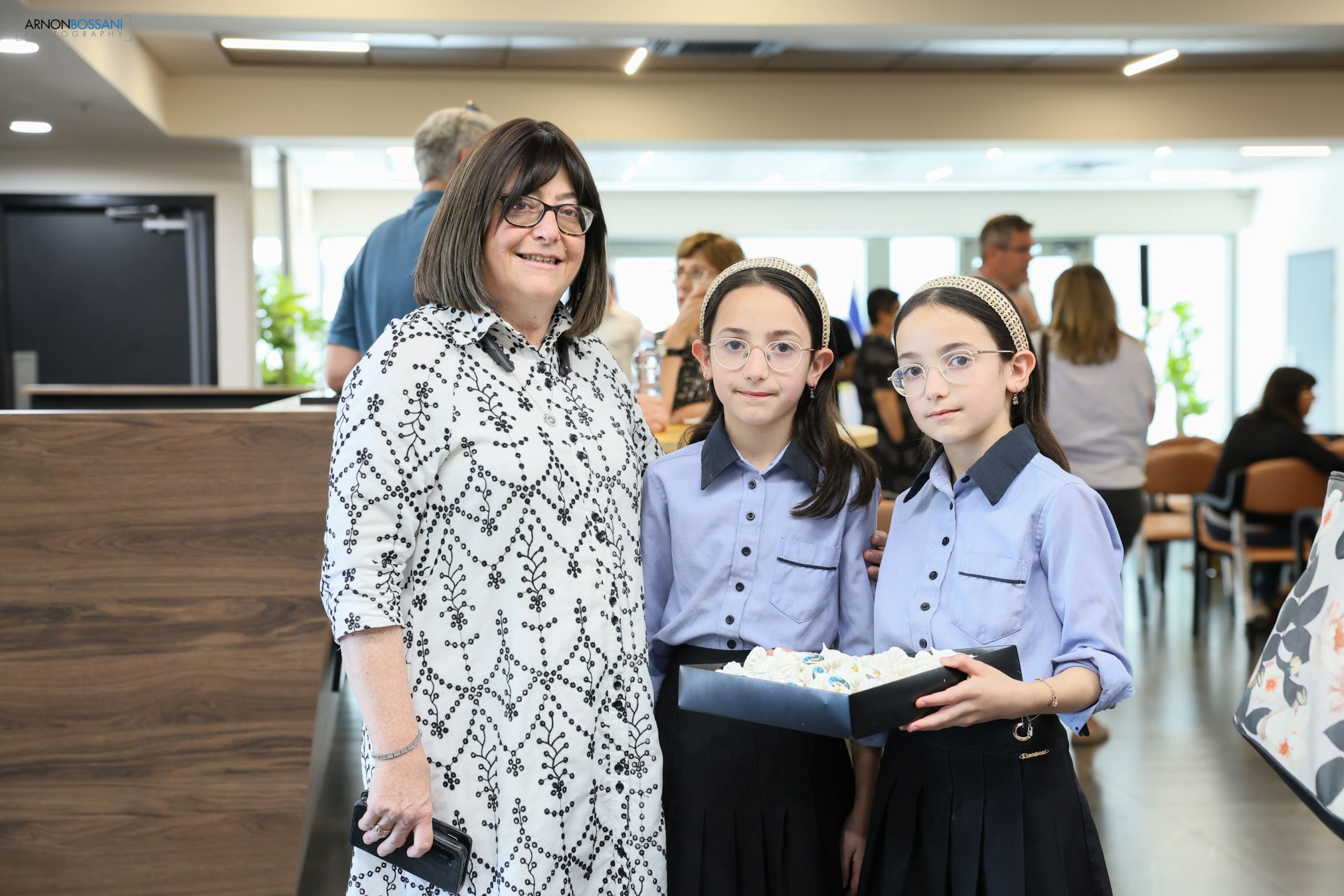
In the afternoon, as the structured day programs conclude, the center opens its doors to more independent seniors. Social clubs, enrichment activities, and support groups address the emotional and social dimensions of aging. Programs for Holocaust survivors, widows, and caregiving spouses create space for shared experience and mutual support. An employment center offers opportunities for meaningful work alongside retraining and job placement services, while a continuing education program invites participants to remain intellectually active and engaged.

engaged and connected

Photo by Arnon Bossani

closing the gap

The significance of the Misgav Lakashish Senior Day Center lies not only in the services it provides but in the gap it addresses. While Jerusalem is home to a broad network of services for older adults, few are designed with the cultural framework of the Haredi community in mind. By building a center that operates in full alignment with these norms, the project ensures that support is not only available, but truly accessible.

Previous
Next