Jerusalem has changed greatly over the past century, and few people know this history more personally than the city’s oldest residents. They have watched neighborhoods grow, communities take shape, and the rhythms of the city evolve over decades of daily life. Their memories form a living record of Jerusalem itself. As the years pass and independence may become more fragile, these residents deserve care that honors the lives they have lived and the city they helped shape. The Byer Home for the Aged (Beit Byer) was established to provide a welcoming and supportive home for Jerusalem’s senior citizens, offering them stability, dignity, and companionship during an important stage of life.
supporting jerusalem’s seniors

Beit Byer was built in 1983 as a residential facility designed to meet the needs of Jerusalem’s aging population. From the beginning, the home was planned as a place where seniors with varying levels of independence could live in a supportive environment. Some residents are able to maintain largely independent daily routines, while others require ongoing medical supervision or full-time nursing care. By bringing these services together within a single setting, Beit Byer allows older residents to remain within a stable and familiar community even as their needs change over time.

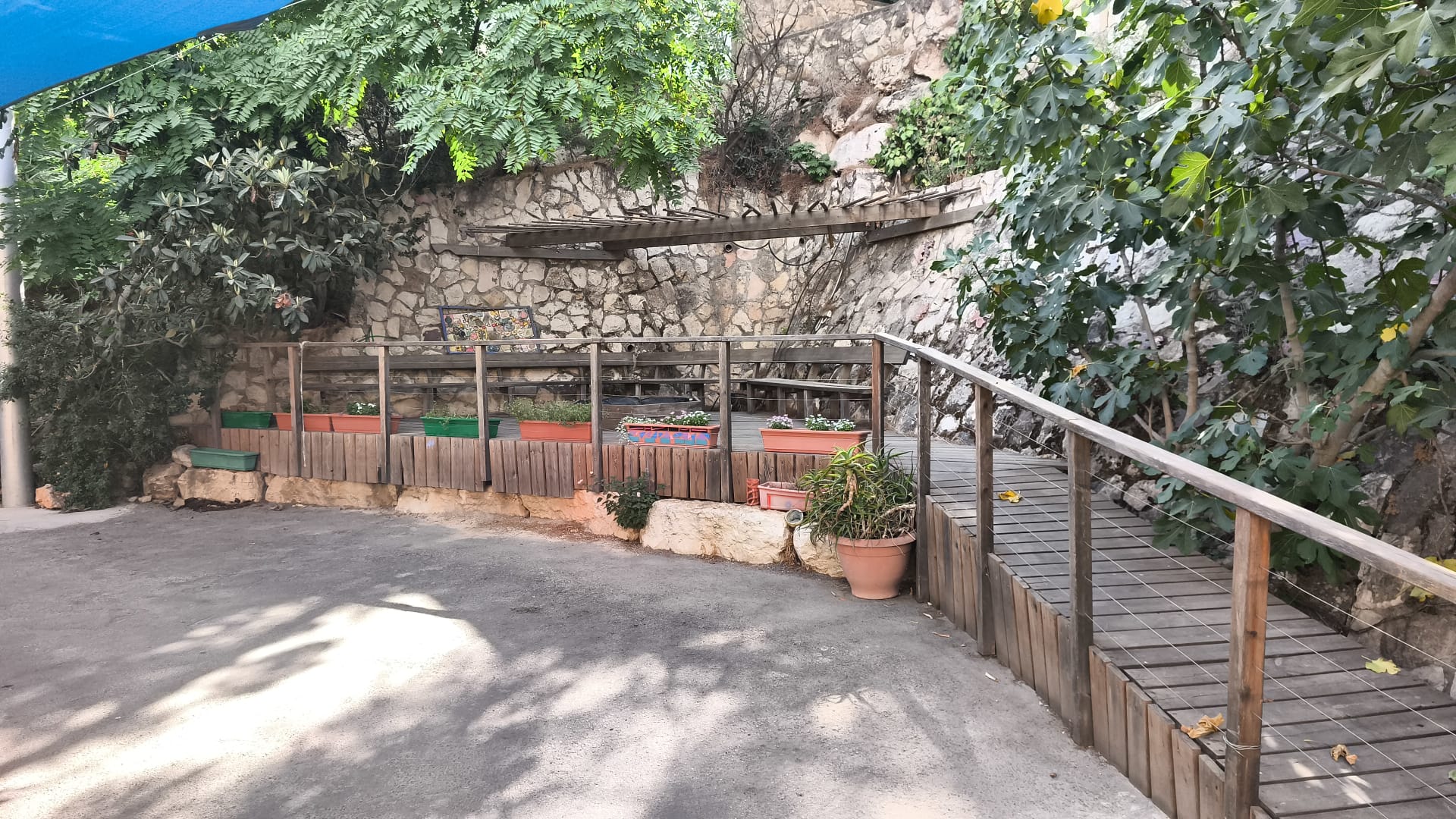
Photo courtesy of the Byer Home for the Aged

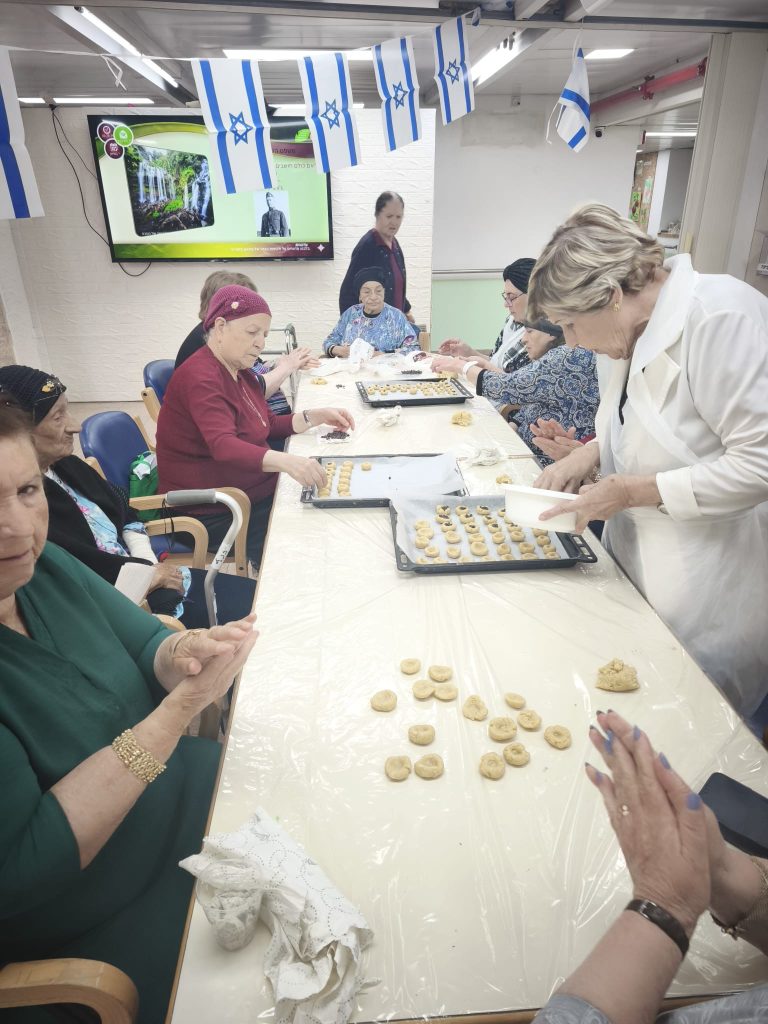
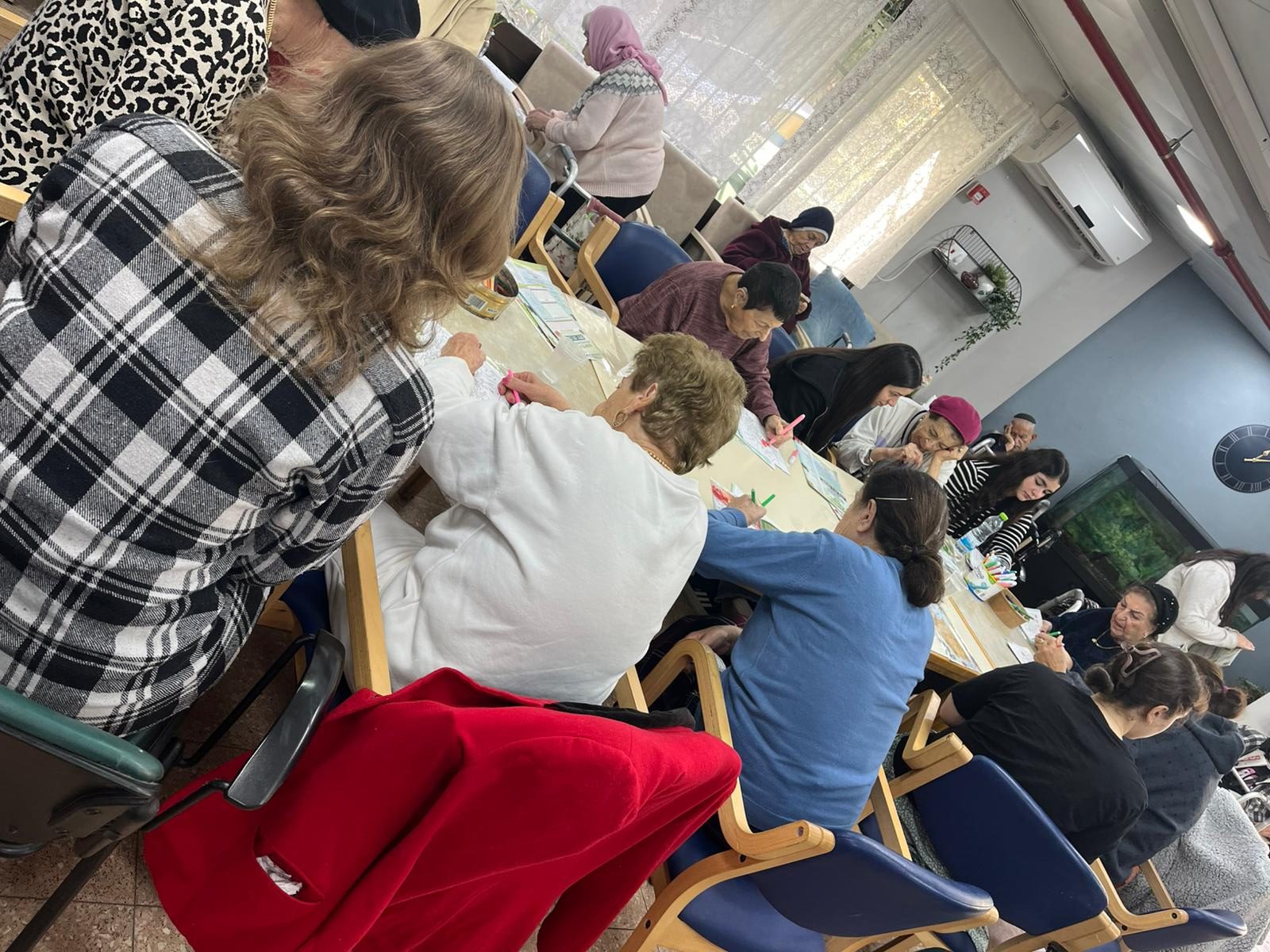
Over the years the Jerusalem Foundation has played an important role in strengthening and expanding the home’s ability to serve Jerusalem’s seniors. Through a series of construction projects and programmatic initiatives, the Foundation has helped ensure that the facility continues to meet the needs of both its residents and the broader elderly community in the city. One of the most significant additions was the creation of the Celia and Leslie Gluck Day Care Center. The center welcomes approximately eighty seniors each day who continue to live independently throughout Jerusalem but benefit from the social and supportive framework offered at the home. Participants enjoy nutritious meals, cultural activities, physical exercise, and opportunities to socialize with peers. Organized outings and transportation services make it possible for seniors from across the city to take part in the program, allowing them to remain active and connected while continuing to live in their own homes.

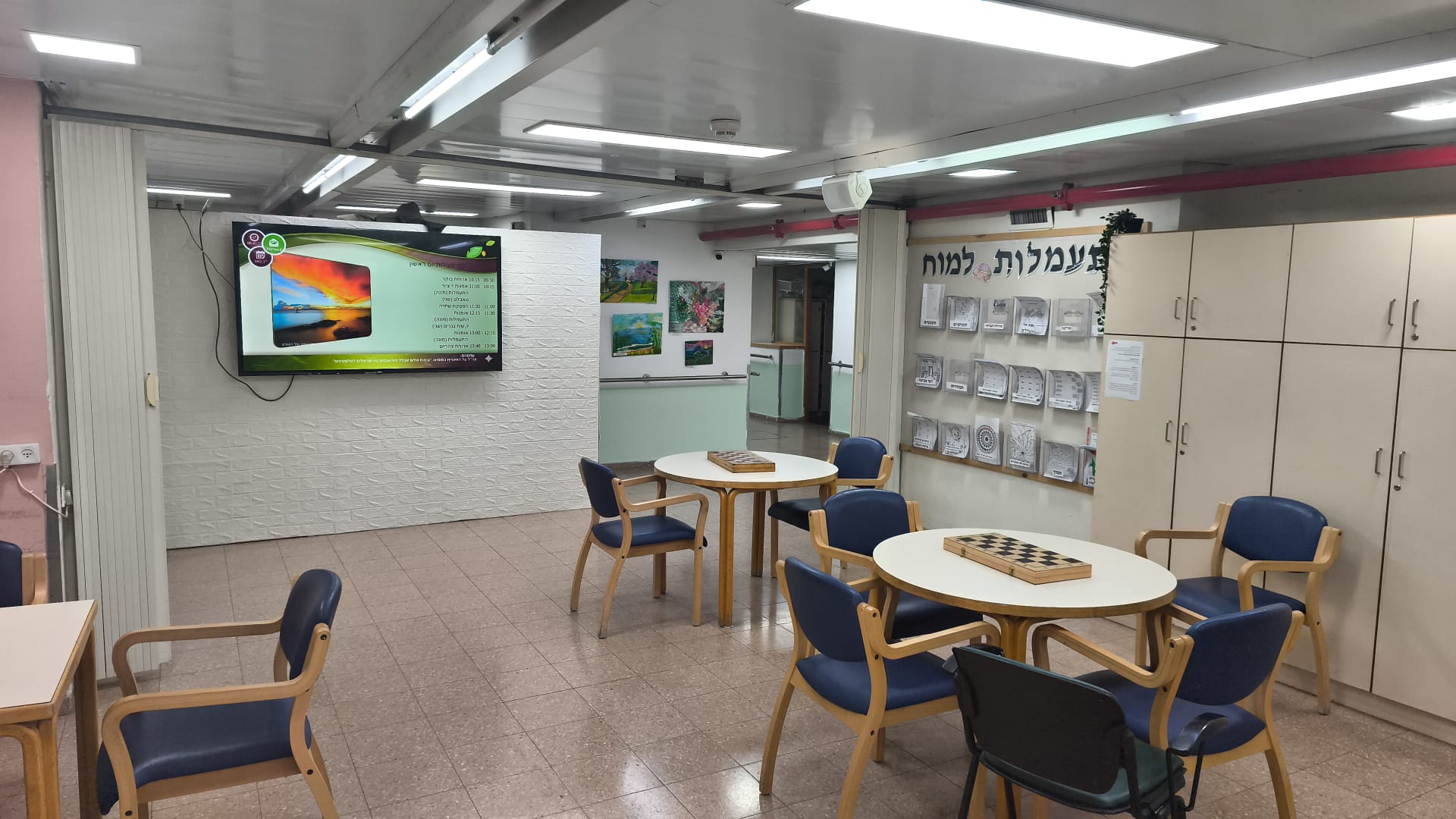
Photos courtesy of the Byer Home for the Aged

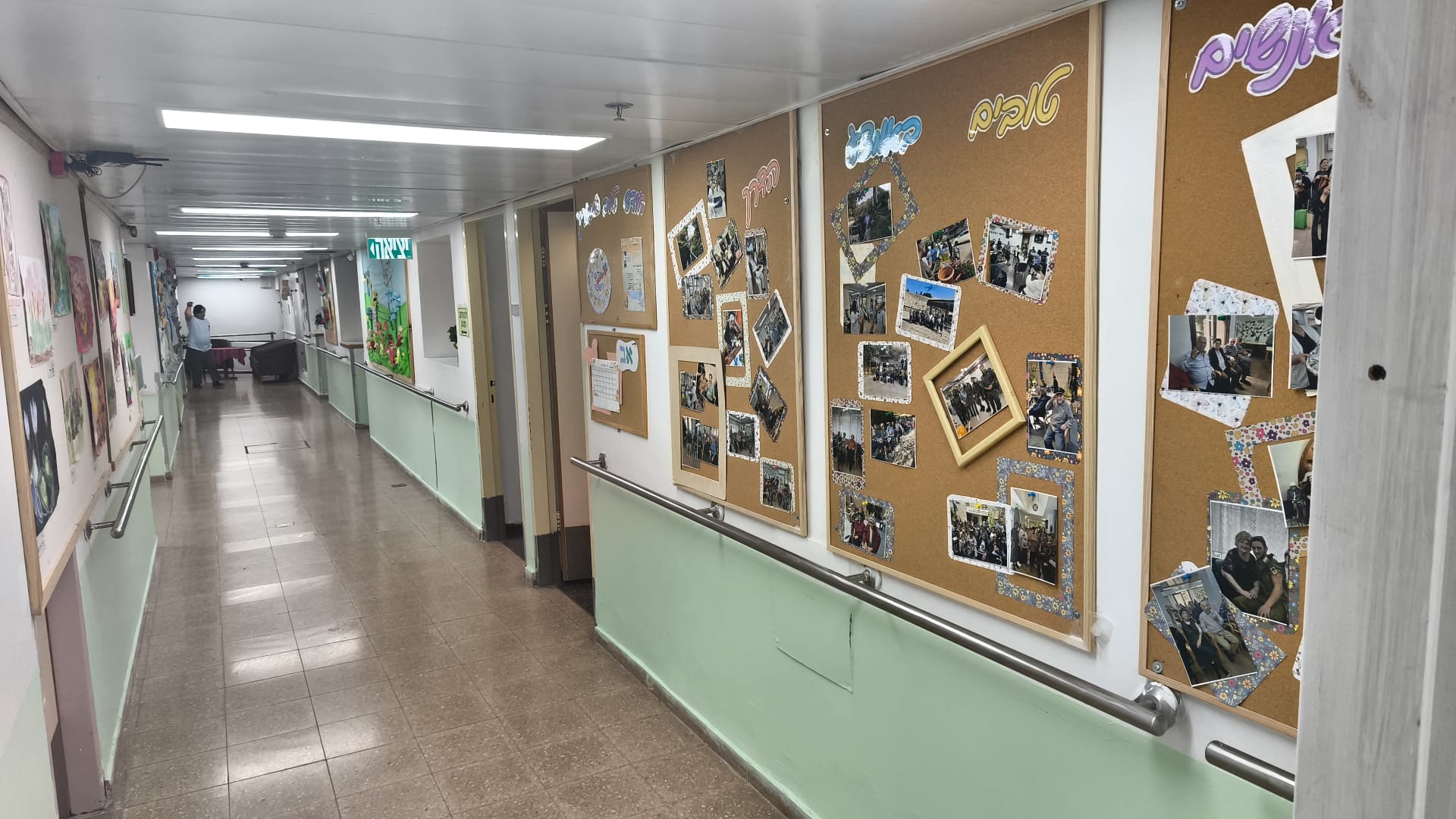
The Jerusalem Foundation also supported the construction of the Harry and Jeanette Weinberg Wing, a two story addition completed in 1996 that increased the residential capacity of the home by fifty percent. This expansion made it possible for Beit Byer to welcome many more residents while maintaining the personal and attentive environment essential to quality elder care. In 2001 the wing dedicated to frail elderly residents was renovated and named the Margaret Bloom Wing, creating spaces designed specifically for those who require greater medical supervision and daily assistance. Alongside these physical developments, the Foundation has supported a range of cultural and therapeutic programs that enrich daily life within the home. Residents participate in lectures, music programs, creative workshops, and physical therapy sessions that encourage continued engagement and wellbeing.

Photo courtesy of the Byer Home for the Aged

investing in wellbeing

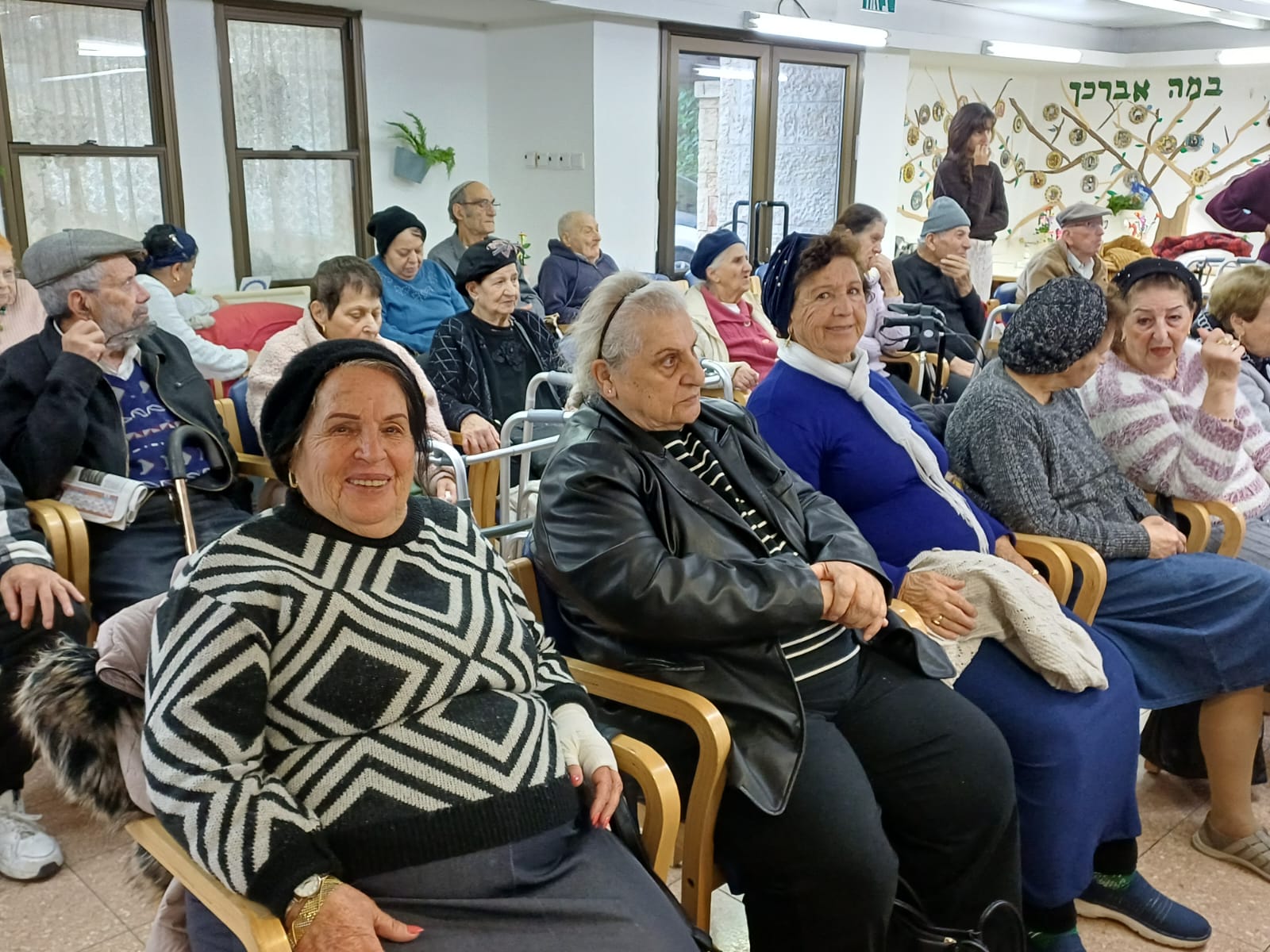
Today the home provides residential care for approximately 130 seniors while also operating its active day center for elderly residents living across Jerusalem. Together these frameworks create a continuum of support that allows older adults to remain engaged, connected, and cared for as their needs evolve.

Photo courtesy of the Byer Home for the Aged

community and care

The residents of Beit Byer are among those who helped shape the Jerusalem of today. They raised families in its neighborhoods, worked in its institutions, and contributed quietly to the life of the city across decades. Providing them with comfort, respect, and community in their later years reflects a simple but meaningful principle. A city that values its past must also care for those who lived it.

Previous
Next