For centuries, the valley beneath Jerusalem’s Old City held water that sustained the city above. Today, on warm summer nights, the same place fills with music, light, and thousands of people gathered for concerts and festivals. The Sultan’s Pool began its life as a vital piece of Jerusalem’s water system, a reservoir designed to collect and store precious rainwater for the city above. Over time, the pool’s purpose has shifted dramatically. What once sustained life in Jerusalem now sustains its cultural life, transforming an ancient infrastructure into one of the city’s most remarkable open-air venues.
an ancient reservoir

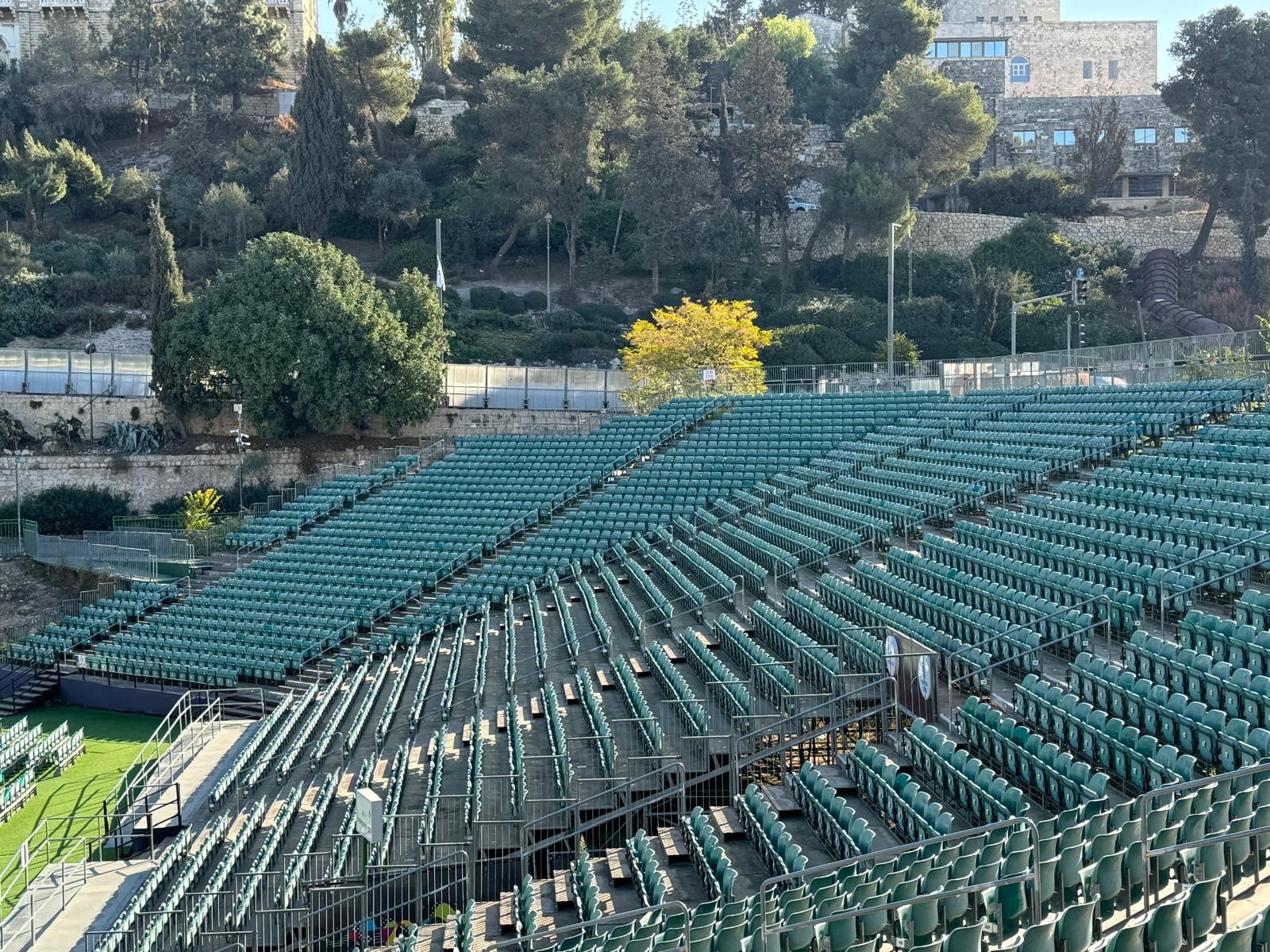
The history of the Sultan’s Pool reaches back many centuries. The reservoir lies in the valley west of Mount Zion, just outside the walls of the Old City, where winter rains could be channeled and collected. While the pool likely rests upon even earlier foundations, it was substantially restored in the sixteenth century during the reign of the Ottoman sultan Suleiman the Magnificent, whose extensive rebuilding of Jerusalem also included the construction of the city’s present-day walls. The pool formed part of a broader system of reservoirs and aqueducts that ensured the supply of water to the growing city.

Photo courtesy of the Merrill Hassenfeld Amphitheater, Sultan’s Pool

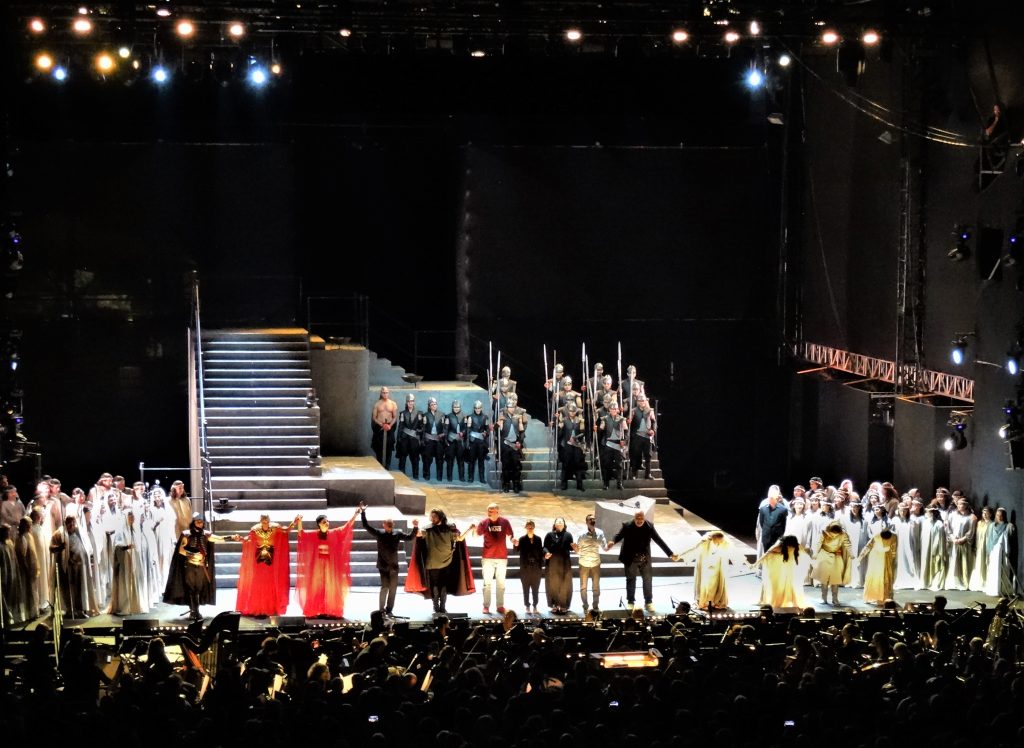
By the twentieth century the reservoir had fallen out of use, its role in the water system replaced by modern infrastructure. The dramatic scale of the basin and its extraordinary location beneath the Old City walls suggested a new possibility. In the 1970s, thanks to a generous donation from the Hassenfeld family, the area was adapted as an open-air performance venue and became known as the Merril Hassenfeld Amphitheater. Over the years it has grown into one of Jerusalem’s most beloved cultural gathering places, hosting performances by leading Israeli and international artists as well as major events such as the Artists’ Fair Festival and screenings connected to the Jerusalem Film Festival. Set directly beneath the illuminated walls of the Old City, the amphitheater offers a setting that is unmistakably Jerusalem.

The Opera 'Nabucco', 2019. Photo courtesy of the Merrill Hassenfeld Amphitheater, Sultan’s Pool

unmistakably jerusalem

preserving history

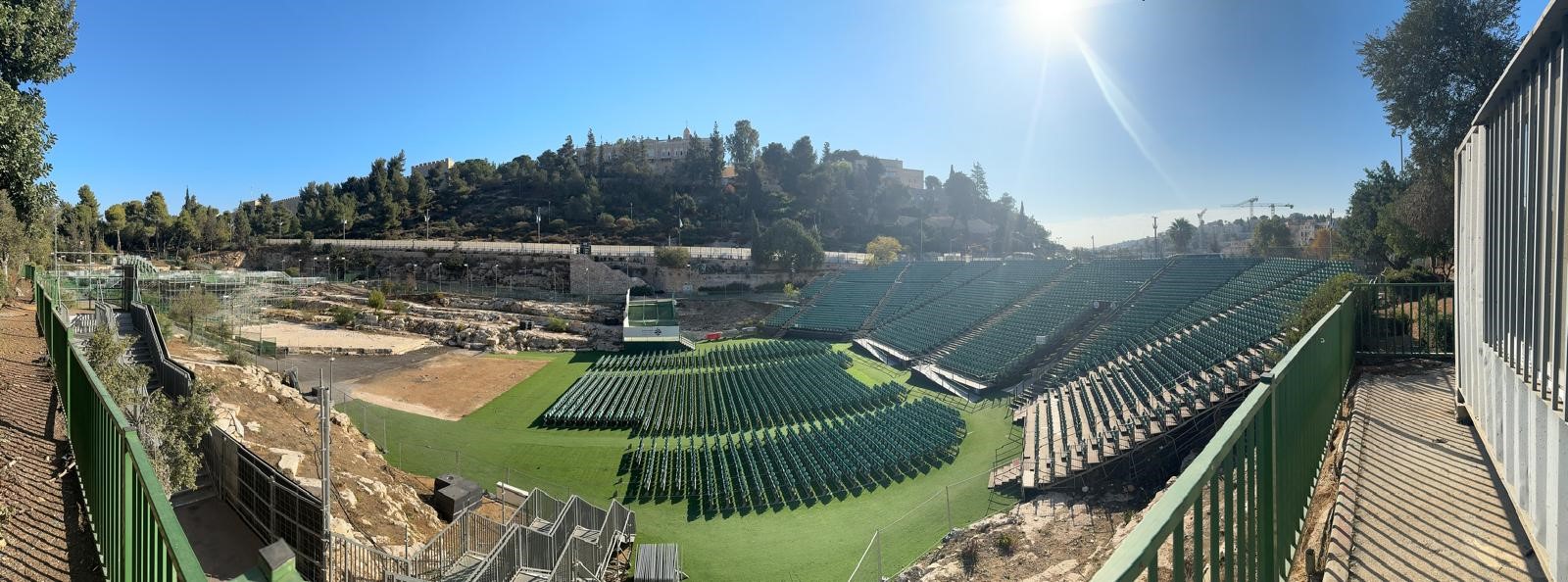
Today the site is entering an important new chapter as part of Jerusalem’s broader vision for the city’s future. As a joint project of the Jerusalem Foundation and the Jerusalem Municipality, the Sultan’s Pool area is slated for significant renewal that will allow the space to serve the public throughout the year rather than primarily as a summer venue. The project aims to transform the historic basin and its surrounding landscape into a more accessible and vibrant urban cultural space. Planned improvements include enhanced infrastructure, expanded visitor facilities, and new public areas that will integrate the amphitheater more fully into the surrounding city. The goal is to preserve the unique historic character of the site while opening it to a wider range of cultural, civic, and community uses across all seasons.

Photo courtesy of the Merrill Hassenfeld Amphitheater, Sultan’s Pool

past and present

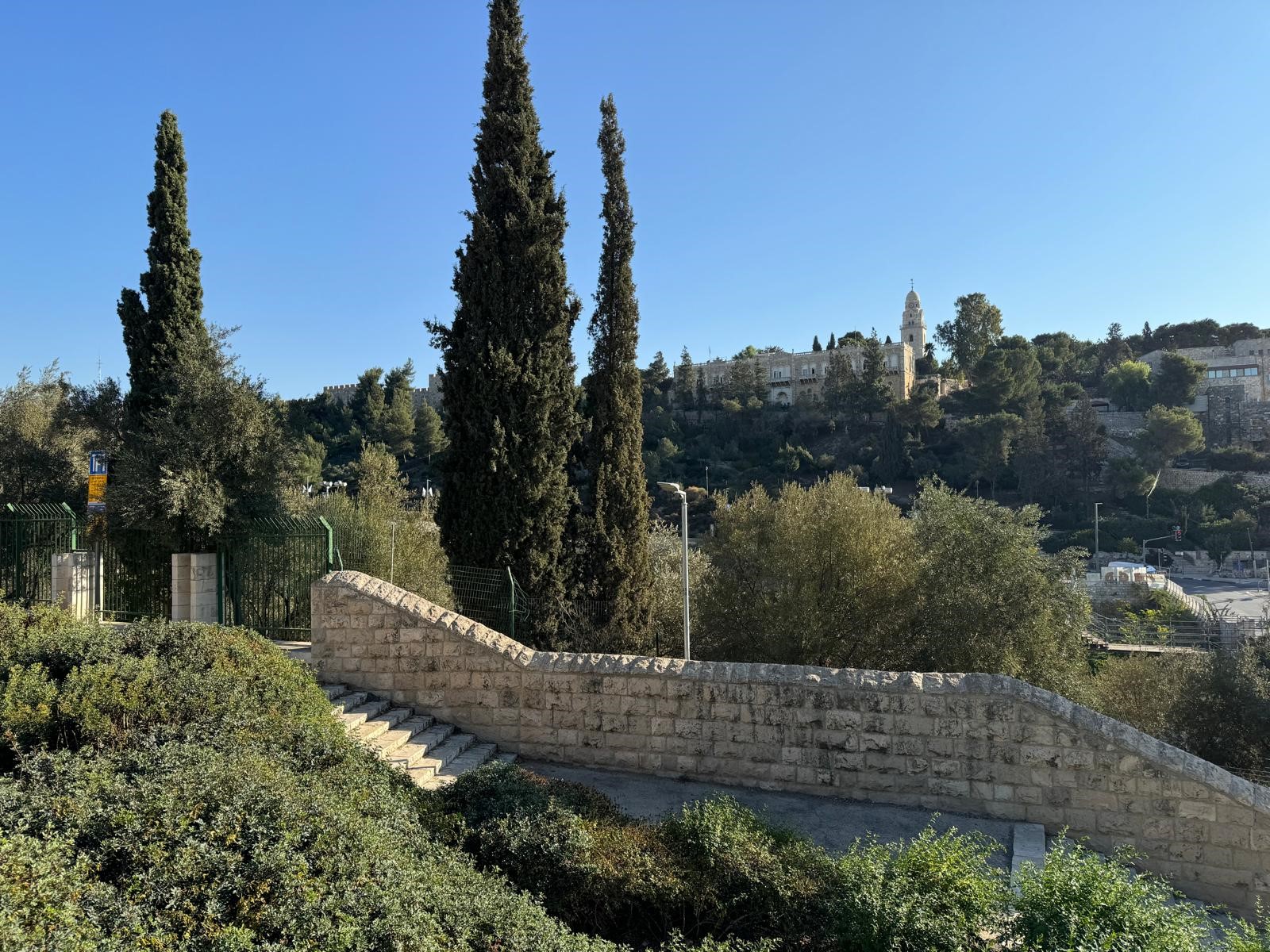
This renewed vision reflects the broader role the site now plays within Jerusalem’s cultural life. What was once a quiet reservoir beneath the city walls has become a gathering place for residents and visitors alike. Watching a performance here is unlike attending an event anywhere else in the world. Music or film unfolds beneath the open sky while the ancient stones of the Old City rise above the stage, linking the living culture of the city with the layers of history that surround it. Few experiences capture Jerusalem’s unique character more vividly than an evening at the Sultan’s Pool, where the past forms the setting for the cultural life of the present.

Previous
Next