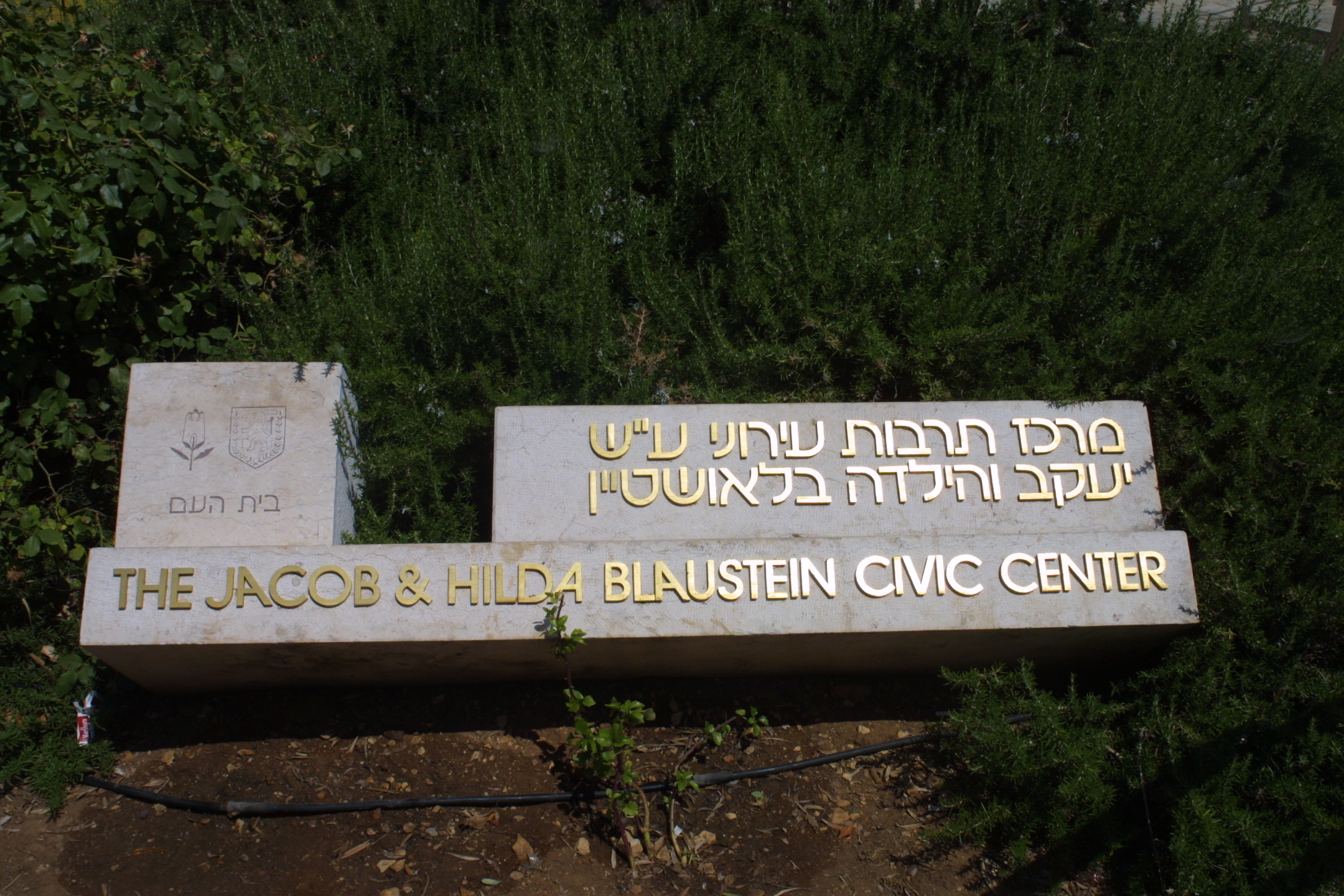
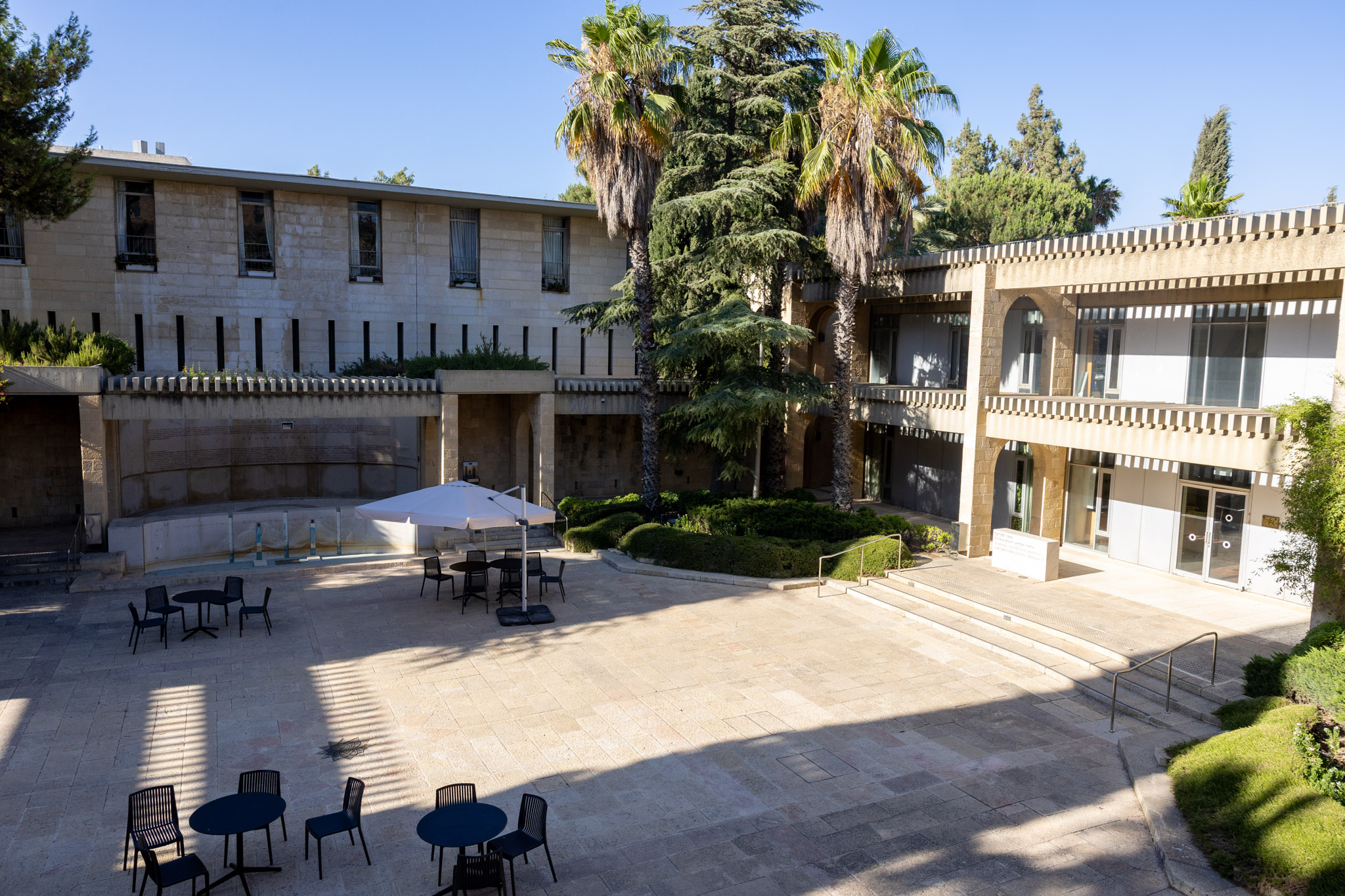
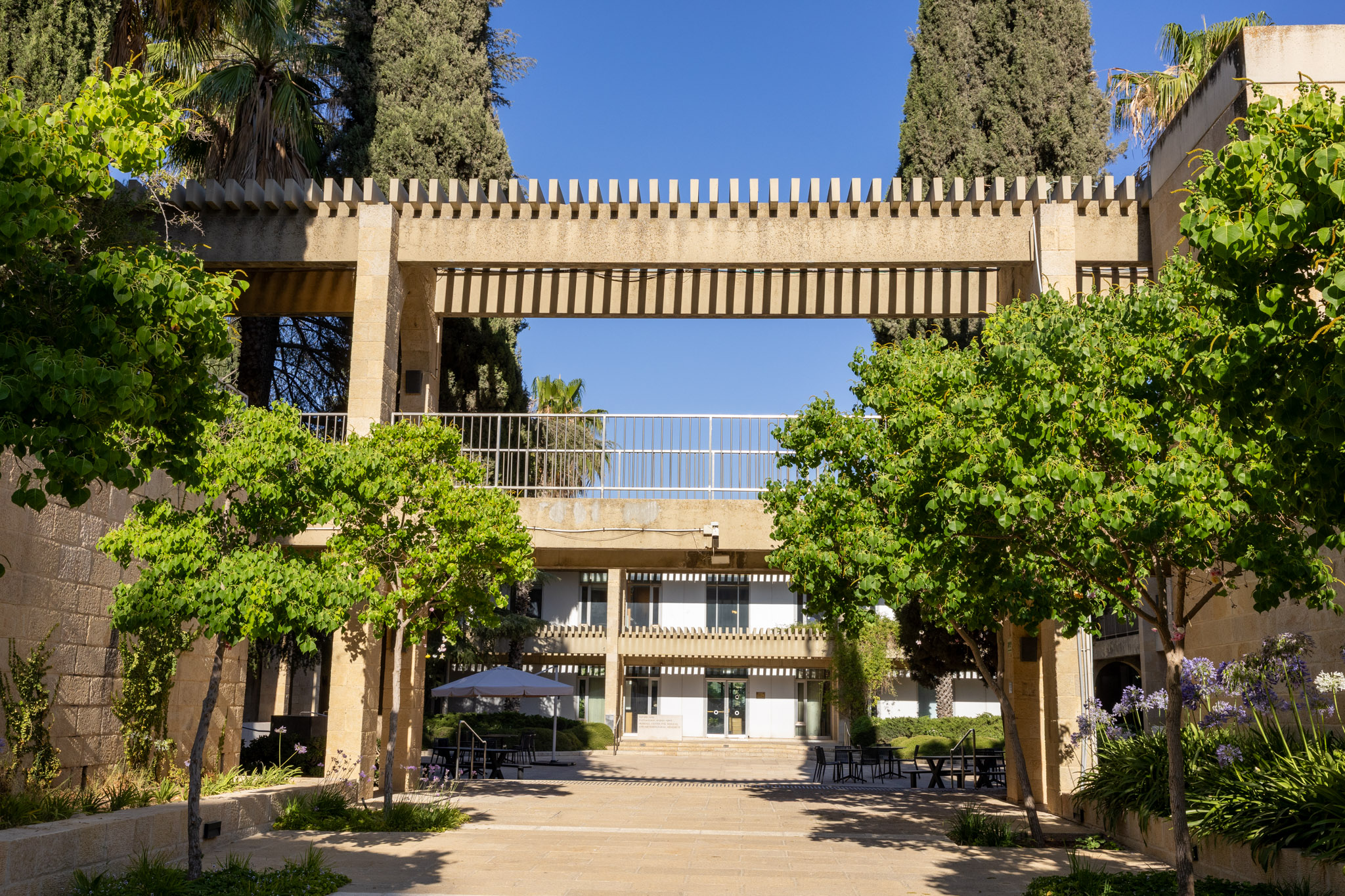
In 1951 the cornerstone was laid for Beit Ha’am’s first dedicated building in the center of Jerusalem. A decade later, in 1961, the new structure was completed, providing the city with a large modern auditorium designed to host the cultural life that had long animated the institution. Yet the building’s first major role proved entirely unexpected. That same year, when Israel prepared to hold the trial of Adolf Eichmann, officials searched for a venue capable of accommodating hundreds of journalists and observers from around the world. The newly completed Beit Ha’am, with its large hall and central location, became the setting for one of the twentieth century’s most consequential trials. For months the proceedings unfolded within its walls, transforming a civic auditorium into the setting for one of the twentieth century’s most consequential legal moments.


 Back