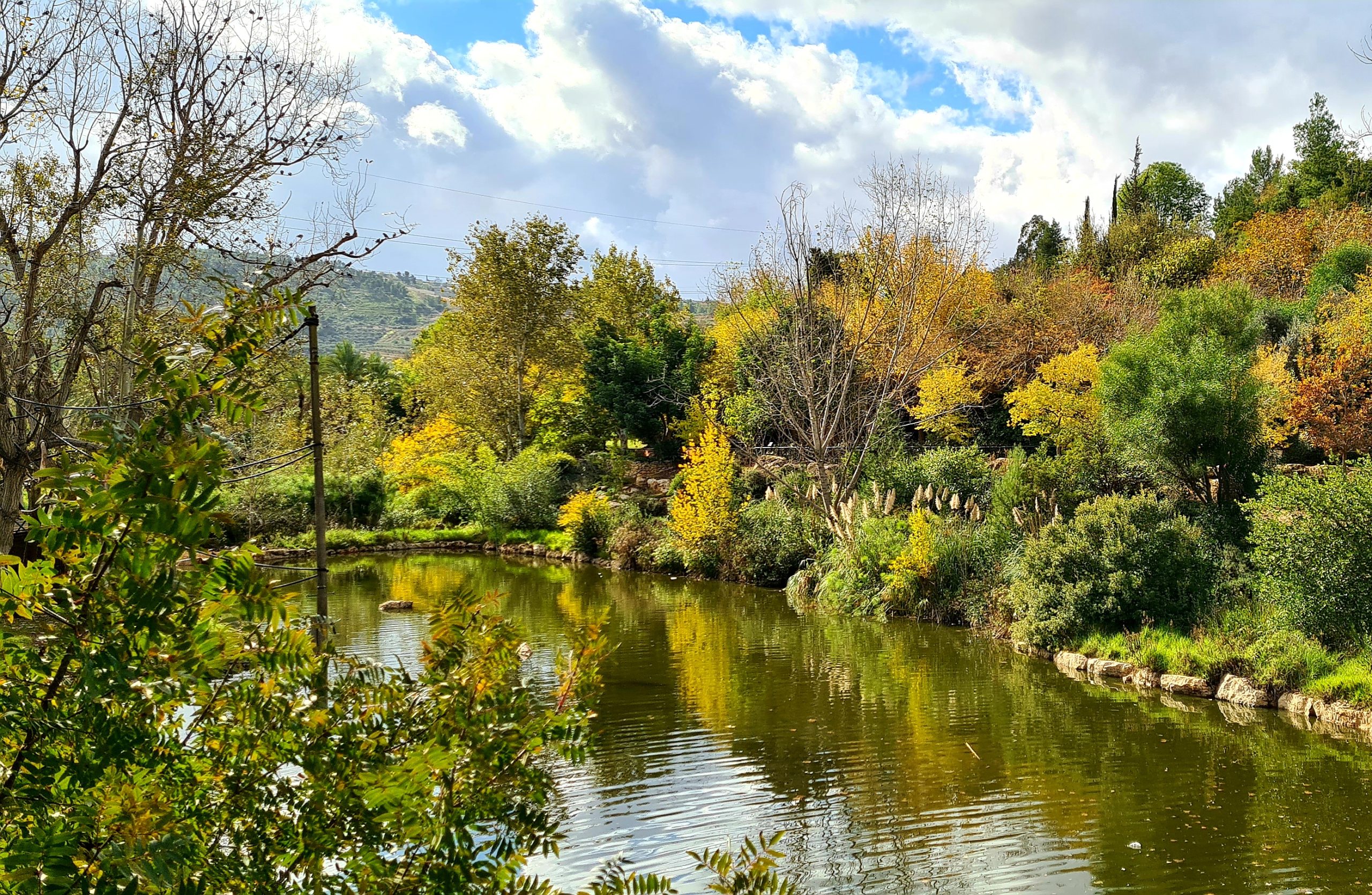
Jerusalem is one of the world’s oldest cities, its story unfolding across thousands of years of scripture and history. The Bible mentions the city hundreds of times, but the world it describes is not made up of people alone. More than one hundred species of animals appear throughout its pages, lions and bears, gazelles and ibex, doves and deer, creatures that once roamed the same landscapes that surround the city today. When Jerusalem eventually established a modern zoo, it felt only natural that it should reflect this ancient setting. The animals that appear throughout biblical texts would find a place once again in the hills of the city itself. From this idea emerged the Tisch Family Zoological Gardens in Jerusalem.

the first biblical zoo

The Zoo, previously the Jerusalem Biblical Zoo, was first established in the Givat Shaul neighborhood of Jerusalem, before moving to several different homes around the city. Finally, in the early 1990’s, it found its permanent home in the Malha Valley. Spread across more than 55 acres, the grounds were carefully planned to follow the natural contours of the hills rather than reshape them. Rocky slopes were left largely untouched, and many of the animal habitats were carved directly into the stone. The landscape feels distinctly Jerusalemite with terraces of rock and earth, clusters of trees, and open views across the surrounding hills. Water plays a central role in the design, flowing through a series of lakes and waterfalls that form small islands and shaded banks throughout the park.

Mayor Teddy Kollek at the Tisch Family Zoological Gardens. Photo courtesy of the Jerusalem Foundation Archive

animal sanctuary

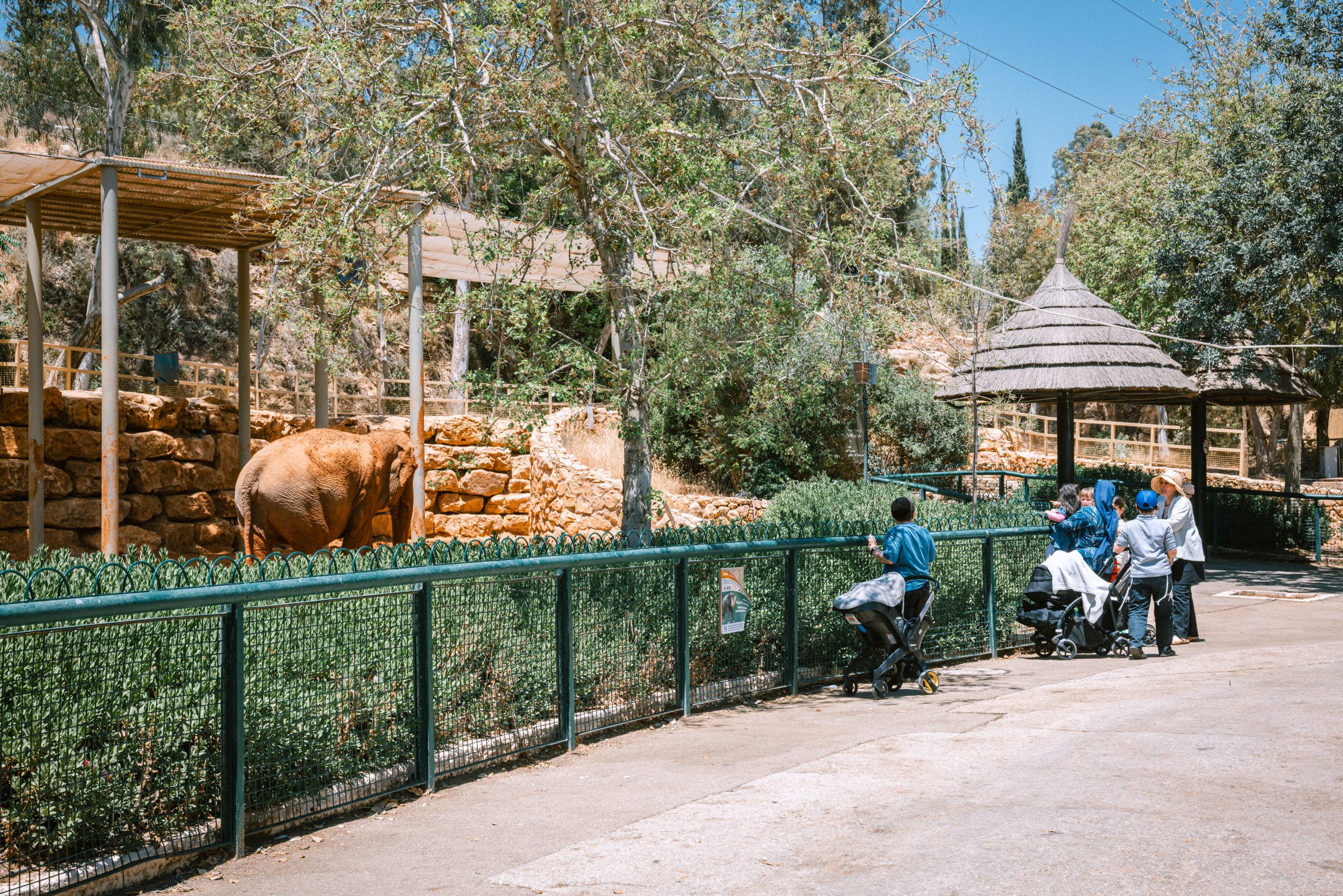
Today the zoo is home to more than 2,000 animals representing 250 different species. Many were chosen because of their connection to the animals described in the Bible, while others reflect ecosystems from across the globe. Aviaries hold tropical birds and birds of prey, penguins dive through chilled pools, and elephants move slowly through broad enclosures designed to resemble their natural habitats. Throughout the grounds, winding paths and observation points allow visitors to watch the animals within landscapes that feel open and spacious.

Photo by Daniel Rahamim

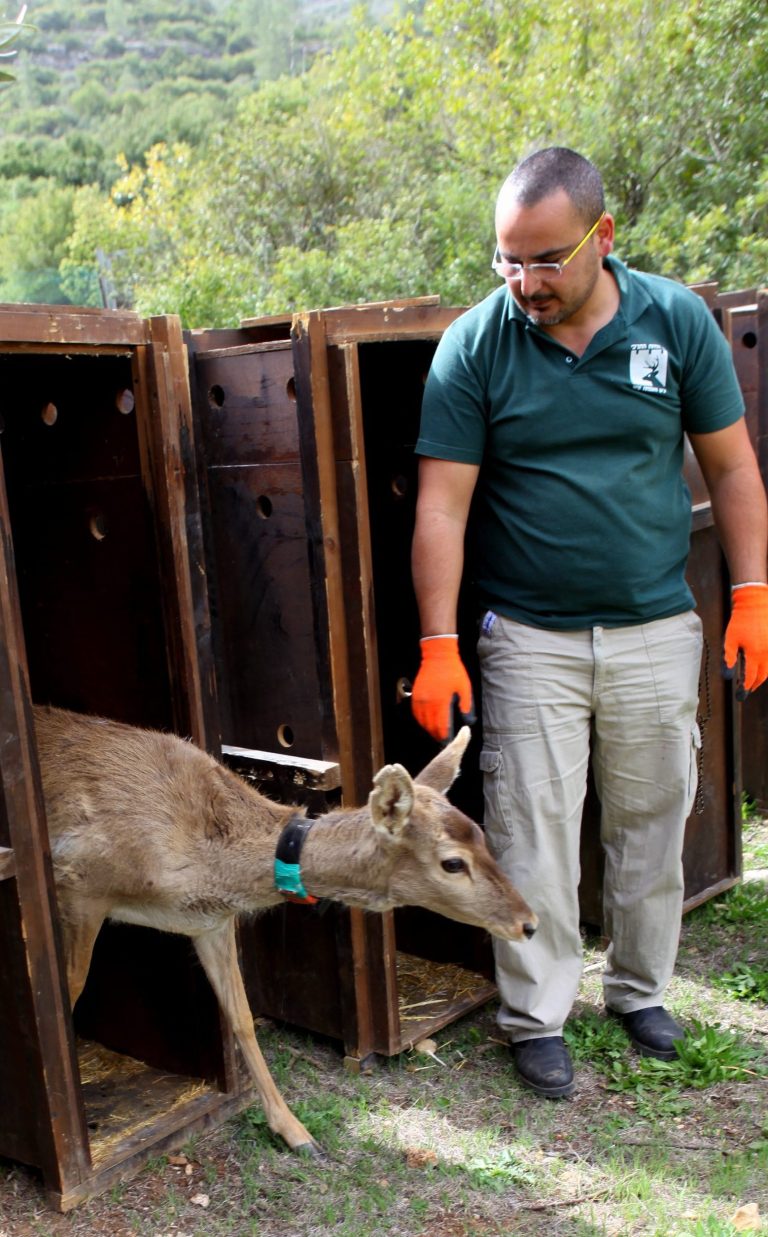
The Jerusalem Foundation has played an important role in shaping the zoo since its opening in 1993. Its support helped establish a number of major habitats and visitor facilities, including the Sarah Haefner Elephant House and Enclosure, the Else Arnold South American Yard, the Taubman Siamang Monkey Island, the Pritzker Children’s Zoo, and the Zaidenberg Penguin Exhibit. It has also supported educational and conservation initiatives, from the Abby and Emily Rapoport Ark Information Center to the Persian fallow deer conservation project, which raises the once-endangered species for reintroduction into its natural habitat in Israel.

Photo by Nicole Wexler

a beloved space

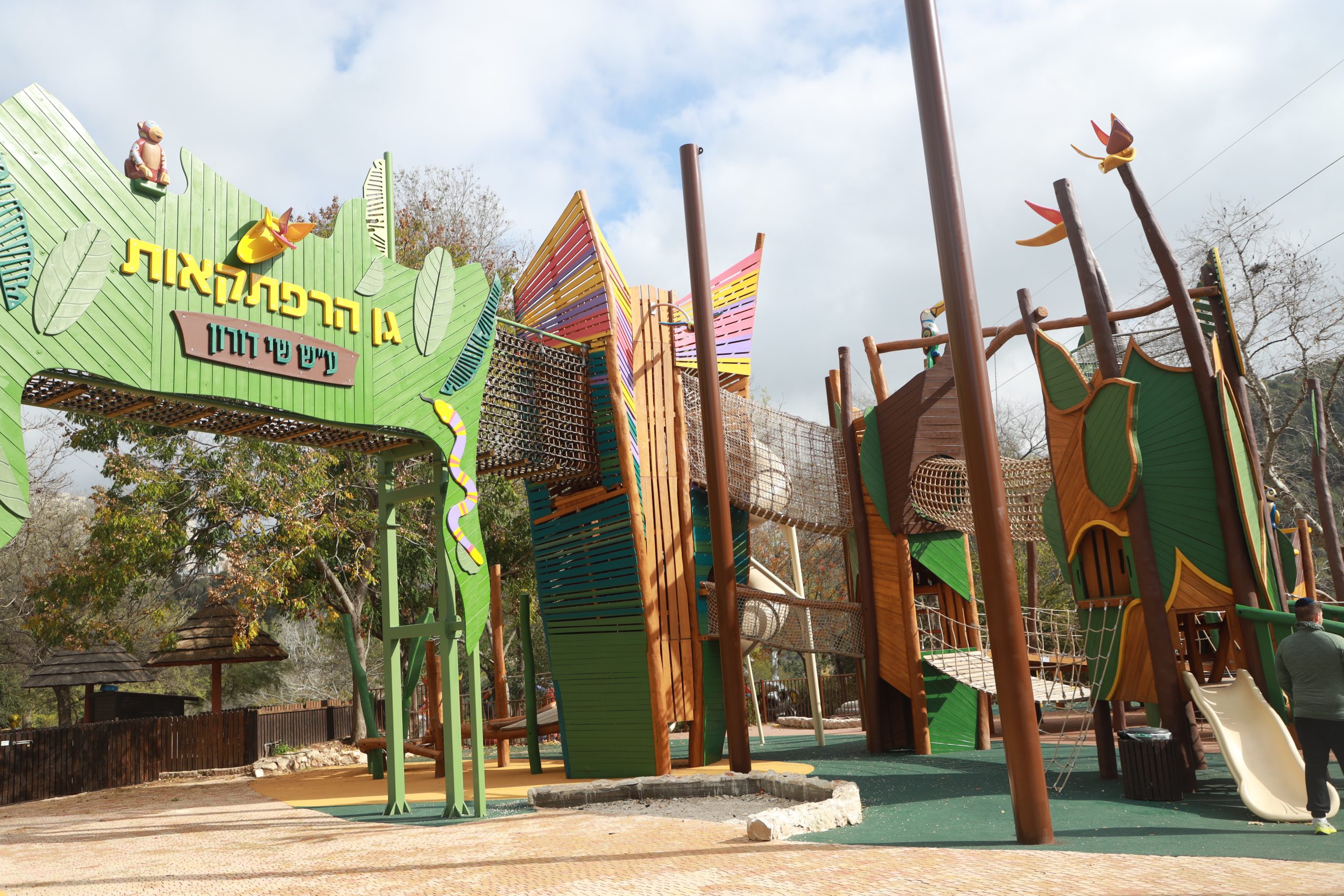
Today the Biblical Zoo is one of Jerusalem’s most beloved public spaces and among Israel’s most popular attractions, welcoming about a million visitors each year. Families arrive with strollers and picnic baskets, school groups move eagerly from one enclosure to the next, and regular members return season after season. A small train circles the grounds while shaded paths wind between lakes, waterfalls, and observation points. Children gather in the petting zoo, where goats and sheep can be approached at close range, and climb aboard the large wooden Noah’s Ark at the Ark Information Center, an interactive space filled with games, exhibits, and films that introduce young visitors to the world of animals. Throughout the year the zoo hosts educational programs, holiday activities, and evening events that bring the grounds to life long after the daytime crowds have thinned.
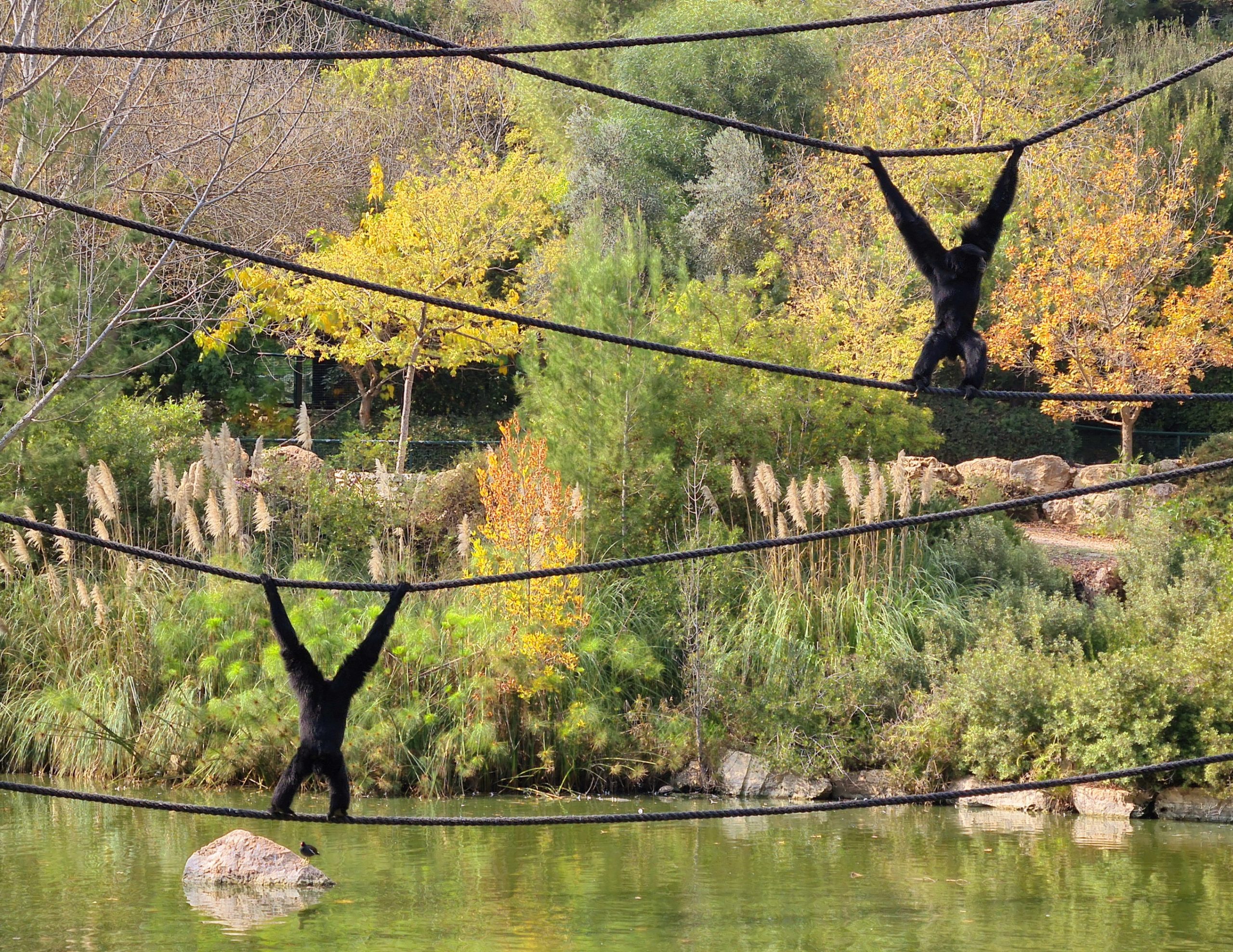
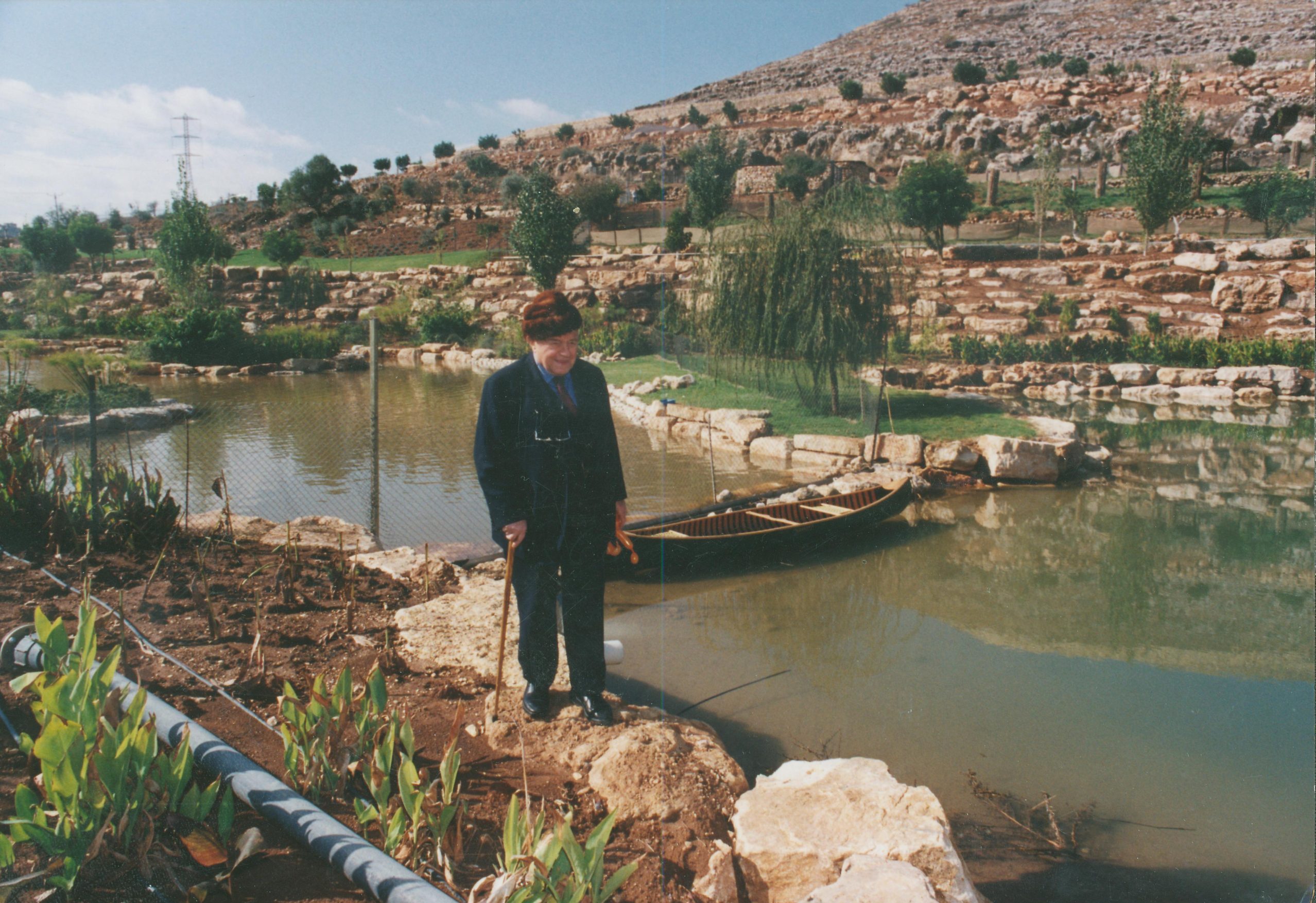
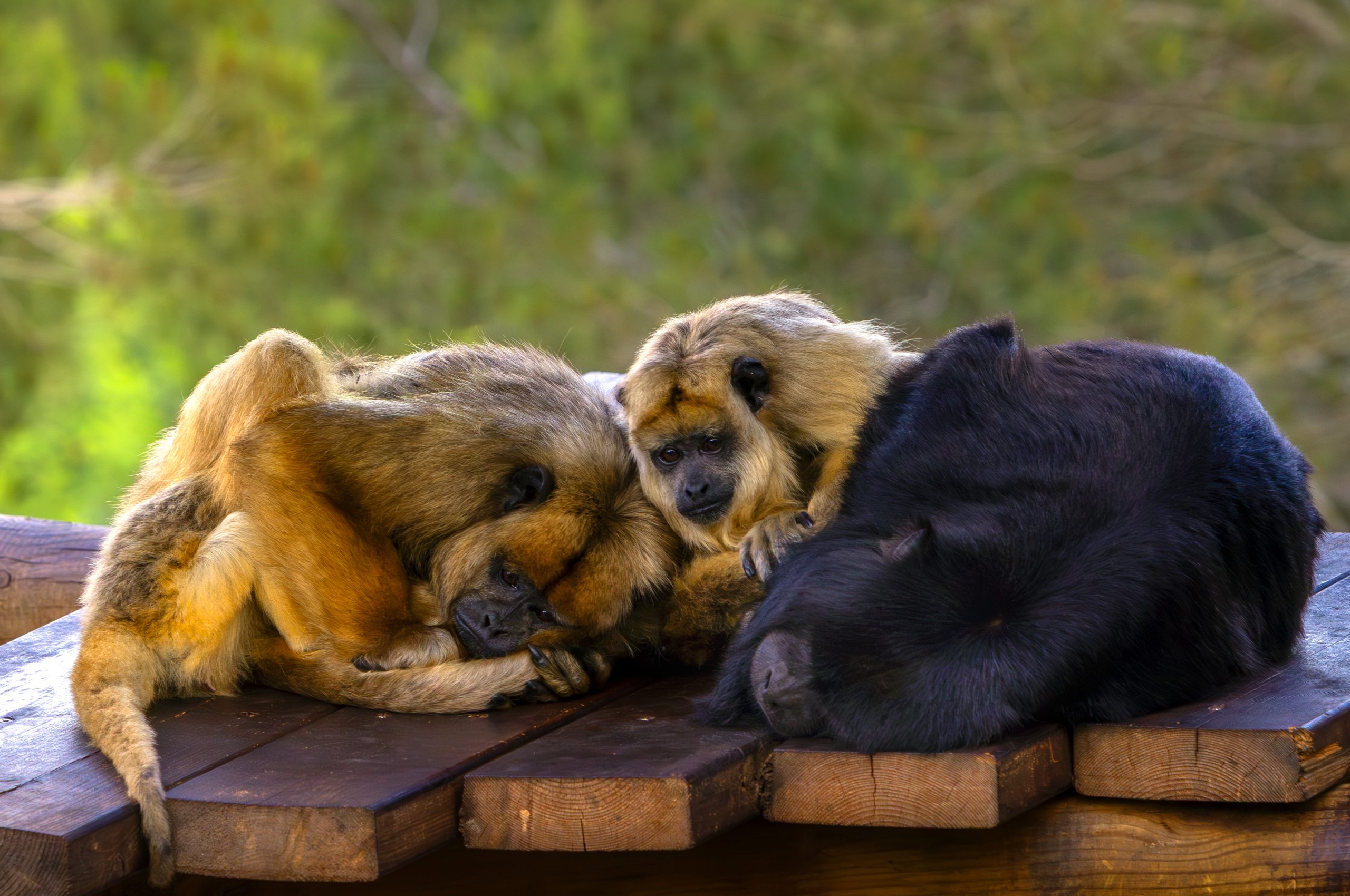
Photo by Sasson Tiram
Photo by Ruth Cohen

the rhythm of nature

More than anything, the Biblical Zoo offers a different kind of encounter with Jerusalem. Here the ancient landscape is filled once again with living creatures, children and adults alike give way to feelings of curiosity and wonder, and the rhythms of nature soften the pace of the city.

Photo by Rachel Risby-Raz
Previous
Next