introductory paragraph

paragraph title

In the decades following the establishment of the State of Israel, Jerusalem was transforming rapidly from a divided city shaped by political uncertainty into the vibrant and expanding capital we know today. Yet while the city’s cultural and political importance was growing, its municipal administration remained scattered across more than thirty different offices throughout Jerusalem. Residents seeking permits, services, or assistance often had to navigate a confusing network of buildings spread across the city. By the 1970s, it had become clear that a modern capital required a civic center; a single location where the municipality could operate efficiently and provide residents with a unified municipal experience.

PARAGRAPH TITLE

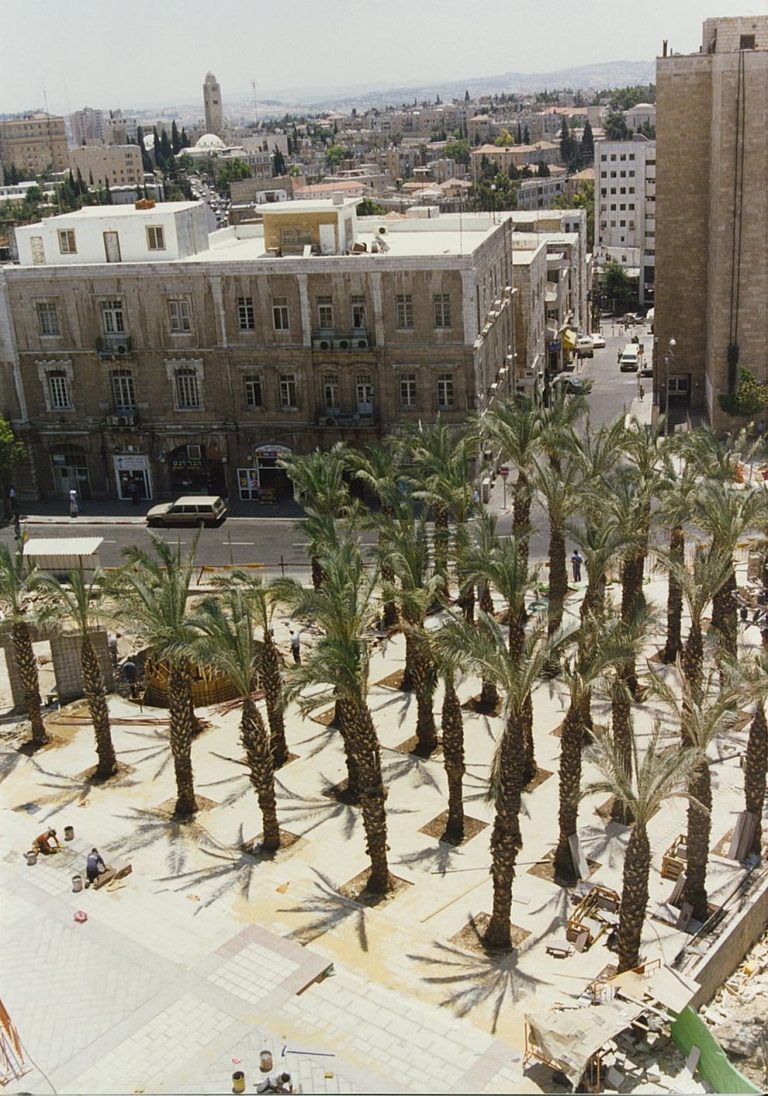
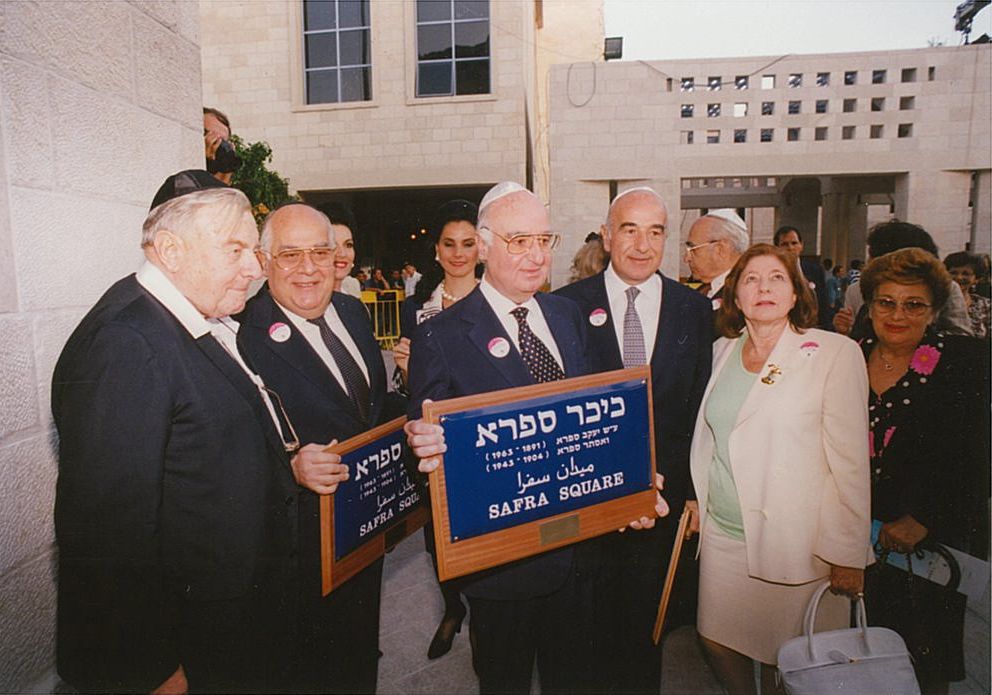
Photo courtesy of the Jerusalem Foundation archives

That solution eventually took shape in Safra Square, the central plaza of Jerusalem’s municipal complex. Completed in 1993 after more than two decades of planning and debate, the project created a 30-acre government campus designed to consolidate the city’s administrative departments. The complex was designed by Canadian architect Jack Diamond together with a team of Israeli architects, who faced the challenge of constructing a modern civic center within the dense historical fabric of central Jerusalem. The vision was largely realized under the leadership of Mayor Teddy Kollek, who succeeded in securing the necessary funding, though he did not ultimately occupy the new building; following his electoral defeat, it was his successor, Ehud Olmert, who became the first mayor to sit in the completed complex.

Rather than clearing the area and starting anew, the planners chose a more sensitive approach. The municipal complex incorporates and restores a remarkable collection of buildings from several historical periods, including Ottoman administrative structures, Armenian buildings, and offices from the British Mandatory era. These historic buildings were carefully restored and connected with newer construction, creating an architectural ensemble that reflects Jerusalem’s layered past rather than replacing it.

paragraph title

 PARAGRAPH TITLE

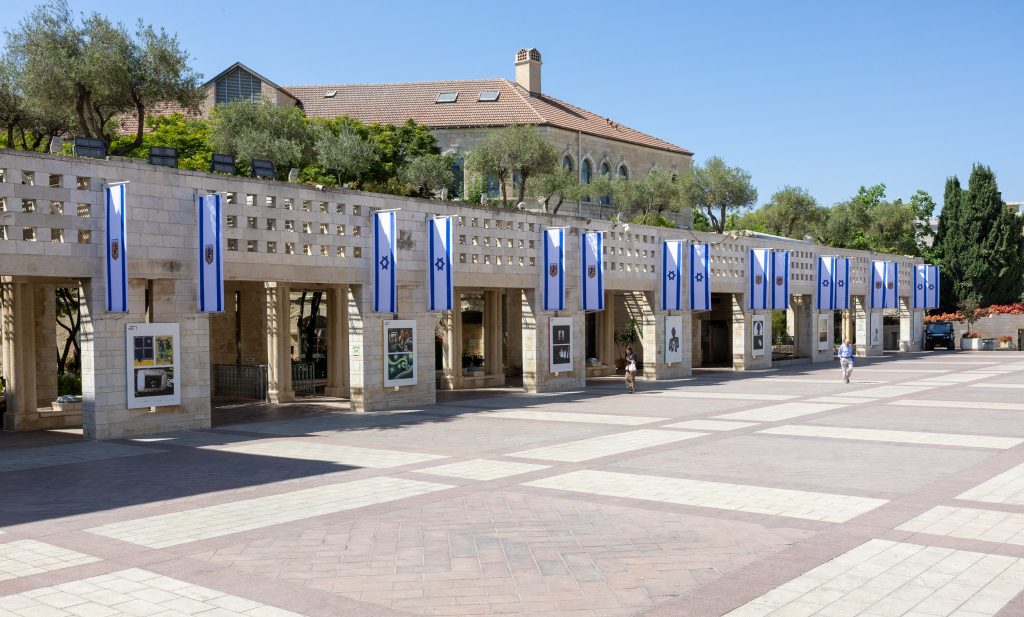
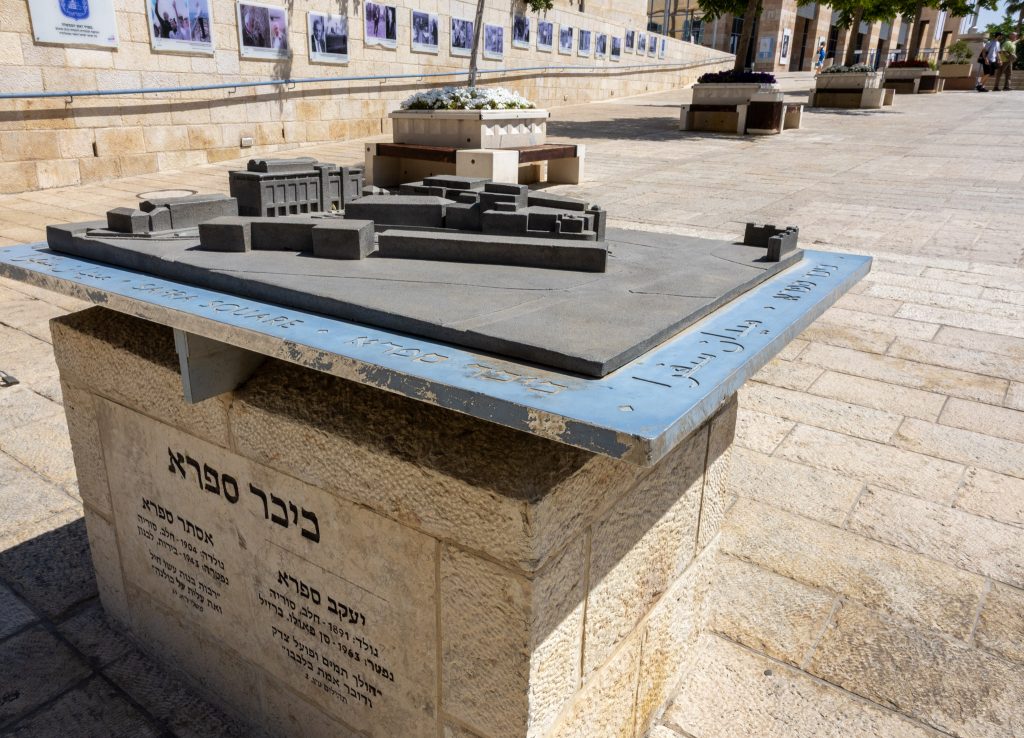
At the heart of this ensemble lies Safra Square itself—a broad stone-paved plaza that serves as the central design feature of the complex. Named for the Safra family, who made a significant donation at the request of Mayor Teddy Kollek, the Jerusalem Foundation supported the creation of the square, helping shape it not only as an architectural centerpiece but as a civic gathering space for the city. Lined with palm trees and marked by a fountain at its southern entrance near Jaffa Road, the plaza creates a welcoming threshold between the surrounding streets and the municipal complex.

PARAGRAPH TITLE

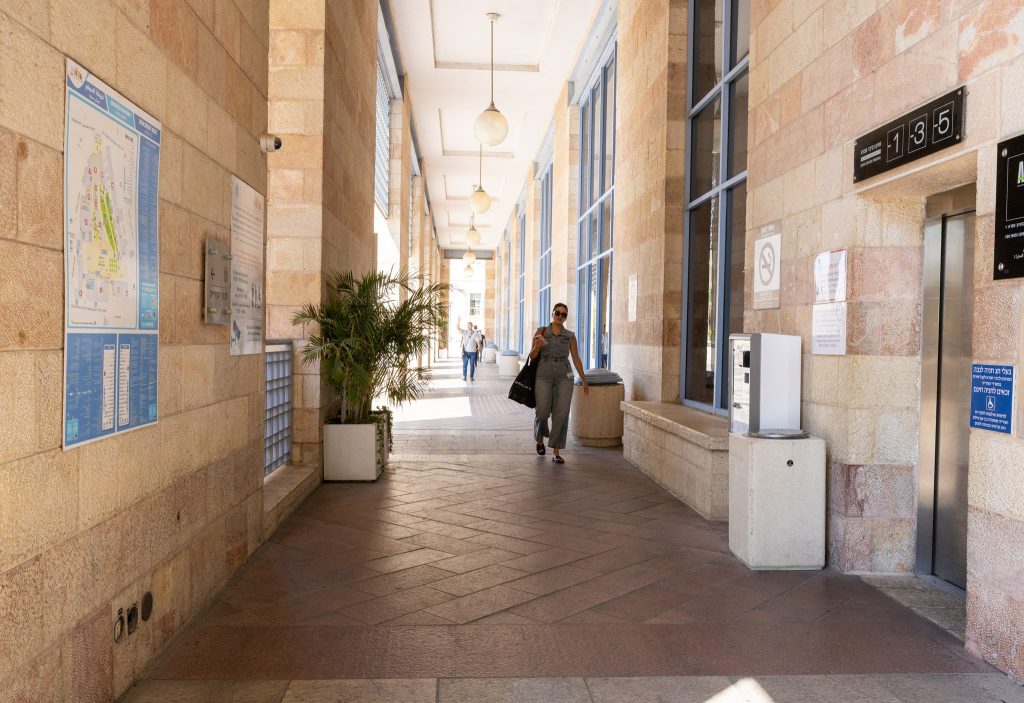
Safra Square functions first and foremost as the physical and symbolic center of Jerusalem’s municipal government. Here, departments that were once dispersed across the city now operate side by side, allowing residents to access a wide range of services in a single location. The square acts as the orientation point for the complex, linking the restored historic buildings with newer offices and a large underground parking facility. Despite its administrative role, the design emphasizes openness rather than separation, allowing residents and visitors to move freely through the space. At its northern end stands a covered stage used throughout the year for performances and gatherings. The plaza regularly hosts cultural and community events, including the annual Hebrew Book Week, municipal ceremonies, concerts, and weekly Israeli folk dancing sessions that bring residents together in celebration.
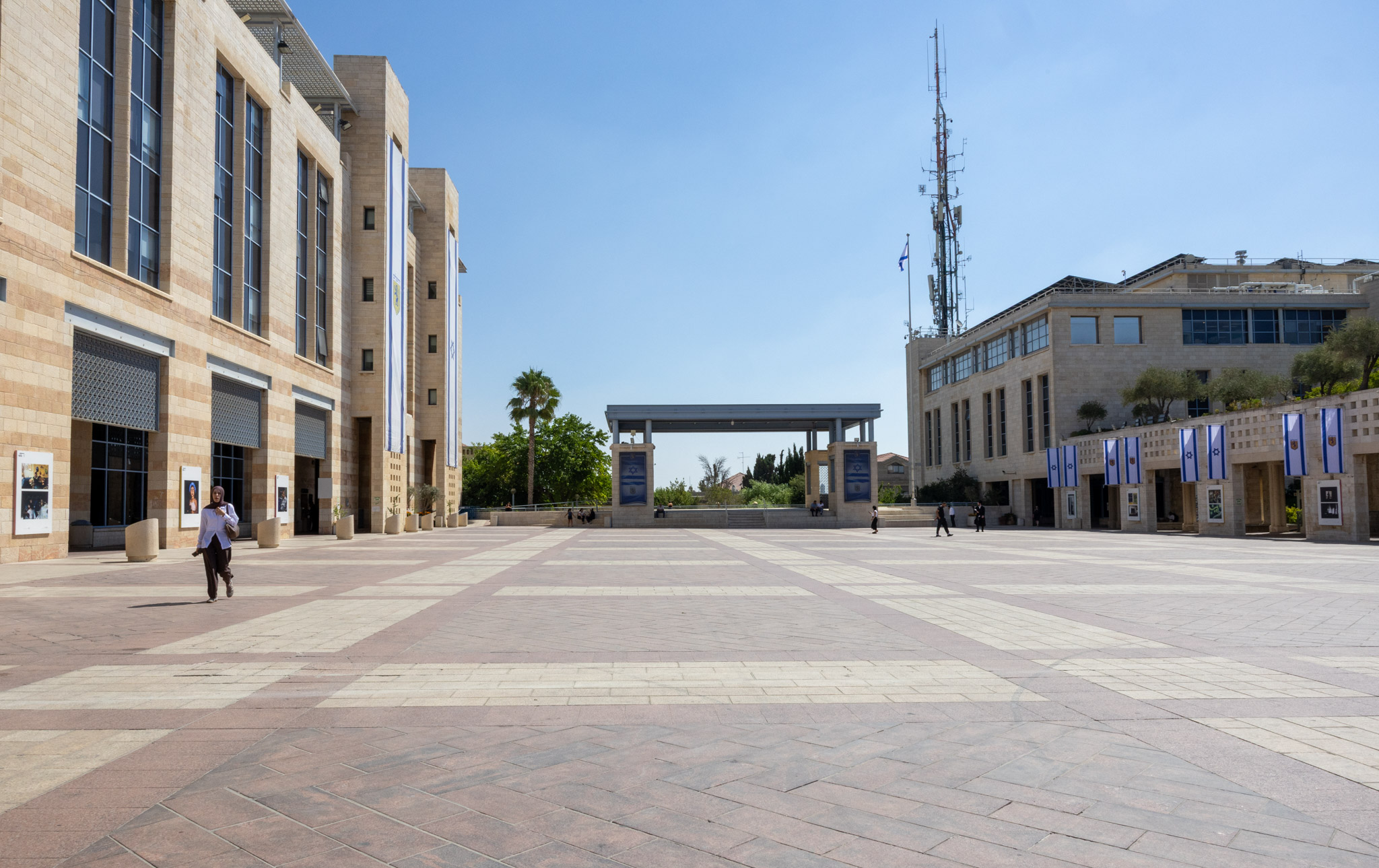
At quieter moments, the square serves a different purpose. The broad paving stones and open sightlines make it a welcoming place to pause during the routines of daily life. Municipal employees cross the plaza between meetings, tourists wandering from nearby Jaffa Road find themselves unexpectedly in the city’s administrative center, and residents stop briefly between errands to sit, watch the flow of people, and take in the surrounding architecture. In these everyday interactions, the square transforms municipal governance into a visible part of the city’s public life.

paragraph title

PARAGRAPH TITLE

Safra Square represents more than the consolidation of Jerusalem’s municipal offices; it reflects the character of Jerusalem itself—layered, dynamic, and continually communicating between past and present.

Previous
Next
The Bastion of Time: A Journey Through Jerusalem at the Tower of David The Khan Theater 28 Community Centers Mitchell Park and Gardens – Hinnom Valley Jerusalem Music Center Mishkenot Natural History Museum Paley Center Hurva Synagogue Jerusalem Print Workshop Wohl Rose Park Artists’ Studios Merrill Hassenfeld Amphitheater, Sultan’s Pool Beit Tamar – Ilan Byer Home for the Aged Jerusalem Botanical Gardens Ein Yael Living Museum Naggar Musrara School of Photography – Art and Society Walter and Elise Haas Promenade and Richard and Rhoda Goldman Promenade The Sam Spiegel Film and Television School Simon Rothschild Ben-Yehuda School for Special Education Teddy Stadium Bloomfield Science Museum Safra Square Modi’in Scouts Club Museum on the Seam Via Dolorosa Restoration and Accessibility Al Jabsha Elderly Center in Christian Quarter The Max Rayne Hand in Hand School for Jewish-Arab Education Israel Asper Community Action Center in Ramot The Kangaroo Family Center Jerusalem Secular Yeshiva Restoration of Montefiore Windmill to working mill Canada House – Morasha Community HaMiffal Israel Gottesman Aquarium Jerusalem Arts Campus Hassenfeld Family Wadi Joz Youth Center Kayma, the George Pinto Jerusalem Doctoral Fellows Culture Series (Sidratarbut) Misgav LeKashish Elderly Day Center Shanti House Well Baby Centers – Renovations Shai Doron Leadership Fellows Beit Hanina Community Center and Pool
Jerusalem Gardens National Park ringing Old City Walls Harry Wilf Independence Park Mishkenot Sha’ananim Cultural Center and Guesthouse Jerusalem Conservatory Hassadna Liberty Bell Park Jerusalem Cinematheque Train Theater The Hattie Friedland School for the Deaf School of Visual Theater The Jacob & Hilda Blaustein Civic Center Beit Sherman – Beit Buria The Djanogly Visual Arts Centre Tisch Family Zoological Gardens Joseph Meyerhoff Youth Center for Advanced Science Studies Jack, Joseph and Morton Mandel Gazelle Valley Urban Wildlife Park Jerusalem Scholarship Fund for Higher Education Jerusalem Resilience Center – Shaare Nefesh
The Bastion of Time: A Journey Through Jerusalem at the Tower of David 1970 Jerusalem Gardens National Park ringing Old City Walls 1970 The Khan Theater 1972 Harry Wilf Independence Park 1972 28 Community Centers 1972 Mitchell Park and Gardens – Hinnom Valley 1973 Mishkenot Sha’ananim Cultural Center and Guesthouse 1973 Jerusalem Music Center Mishkenot 1973 Jerusalem Conservatory Hassadna 1973 Natural History Museum 1976 Paley Center 1977 Hurva Synagogue 1978 Liberty Bell Park 1978 Jerusalem Print Workshop 1978 Wohl Rose Park 1981 Jerusalem Cinematheque 1981 Artists’ Studios 1981 Train Theater 1981 Merrill Hassenfeld Amphitheater, Sultan’s Pool 1981 The Hattie Friedland School for the Deaf 1981 Beit Tamar – Ilan 1982 Byer Home for the Aged 1983 Jerusalem Botanical Gardens 1985 Ein Yael Living Museum 1986 School of Visual Theater 1986 Naggar Musrara School of Photography – Art and Society 1986 Walter and Elise Haas Promenade and Richard and Rhoda Goldman Promenade 1987 The Jacob & Hilda Blaustein Civic Center 1987 The Sam Spiegel Film and Television School 1989 Beit Sherman – Beit Buria 1989 Simon Rothschild Ben-Yehuda School for Special Education 1990 Teddy Stadium 1991 The Djanogly Visual Arts Centre 1991 Bloomfield Science Museum 1992 Safra Square 1993 Tisch Family Zoological Gardens 1993 Modi’in Scouts Club 1997 Museum on the Seam 1999 Via Dolorosa Restoration and Accessibility 2000 Joseph Meyerhoff Youth Center for Advanced Science Studies 2000 Al Jabsha Elderly Center in Christian Quarter 2000 The Max Rayne Hand in Hand School for Jewish-Arab Education 2007 Israel Asper Community Action Center in Ramot 2008 The Kangaroo Family Center 2010 Jerusalem Secular Yeshiva 2011 Restoration of Montefiore Windmill to working mill 2012 Canada House – Morasha Community 2013 HaMiffal 2015 Jack, Joseph and Morton Mandel Gazelle Valley Urban Wildlife Park 2015 Israel Gottesman Aquarium 2017 Jerusalem Scholarship Fund for Higher Education 2017 Jerusalem Arts Campus 2018 Hassenfeld Family Wadi Joz Youth Center 2019 Kayma, the George Pinto Jerusalem Doctoral Fellows 2020 Culture Series (Sidratarbut) 2021 Misgav LeKashish Elderly Day Center 2023 Shanti House 2024 Jerusalem Resilience Center – Shaare Nefesh 2024 Well Baby Centers – Renovations 2024 Shai Doron Leadership Fellows 2025 Beit Hanina Community Center and Pool 2026