introductory paragraph

paragraph title

Few places in Jerusalem carry the weight of memory and devotion as profoundly as the Via Dolorosa. For centuries, Christian pilgrims from across the world have come to walk its narrow stone streets, tracing what tradition holds to be the final path of Jesus before the crucifixion. Emperors, monks, medieval travelers, and modern visitors alike have been drawn to this route, seeking to experience a place where faith and landscape converge. In a city layered with sacred geography, the Via Dolorosa holds a singular place in the Christian imagination. For millions, it is not merely a street but a living expression of one of Christianity’s most central narratives. Precisely because of its profound spiritual significance to the world’s largest religion, this historic route demands careful preservation, ensuring that it remains dignified, accessible, and meaningful for the generations of pilgrims who continue to arrive each year.
PARAGRAPH TITLE

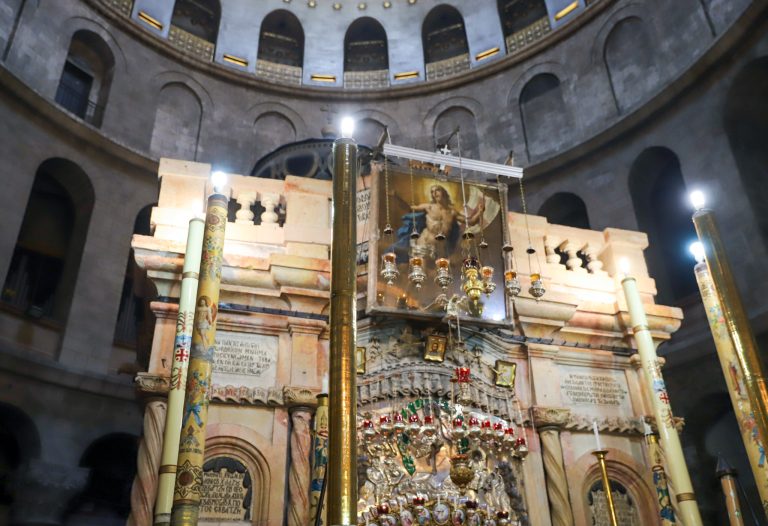
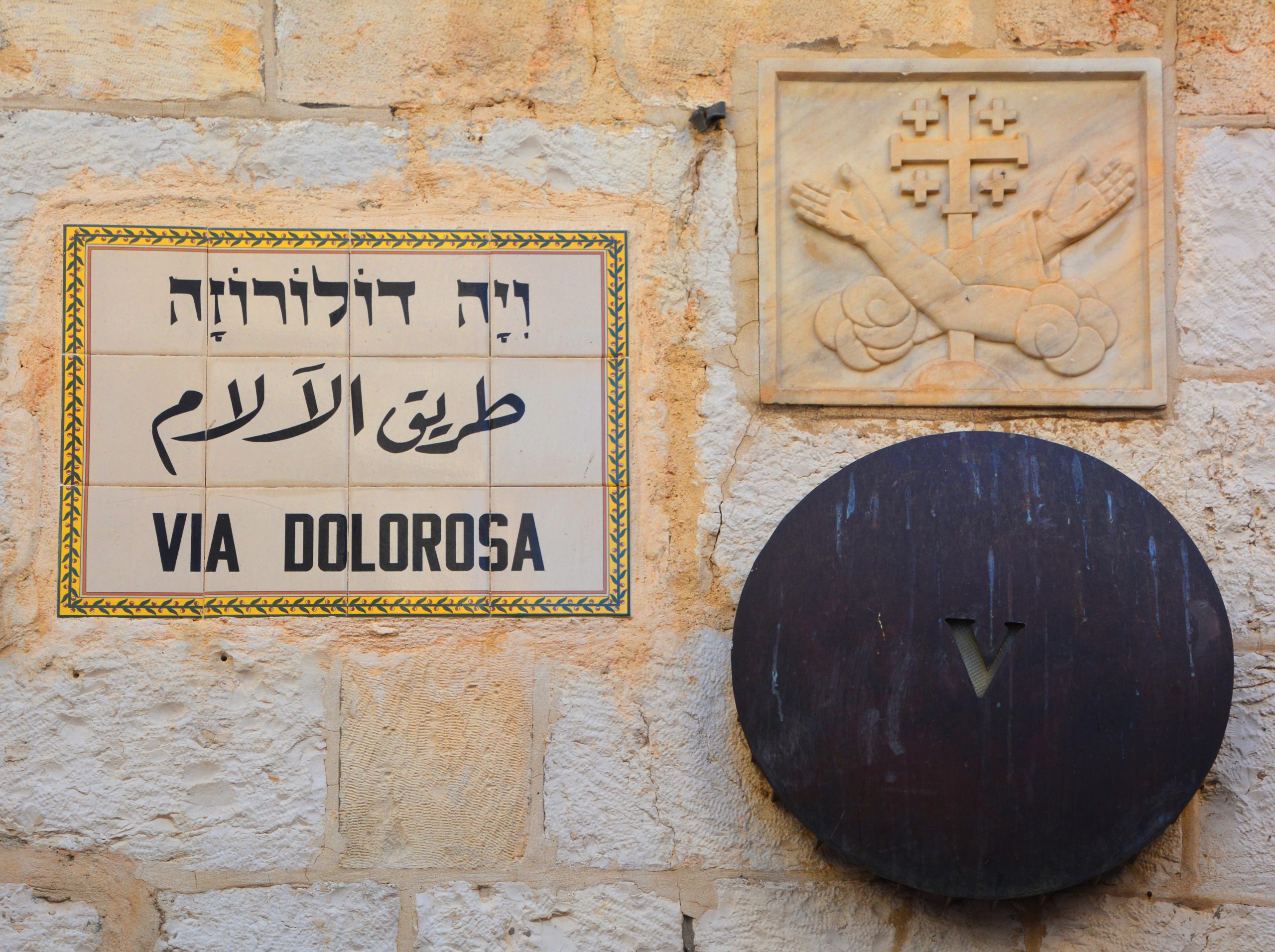
According to Christian tradition, the Via Dolorosa—Latin for “Way of Sorrows,” often called the “Way of the Cross”—marks the route Jesus walked after his condemnation by Roman authorities. The path begins near the site traditionally associated with the Antonia Fortress, where Pontius Pilate is believed to have issued the sentence, and winds westward through the Old City toward Golgotha, where the crucifixion took place. Today the route runs from the Muslim Quarter into the Christian Quarter before culminating inside the Church of the Holy Sepulchre, one of Christianity’s holiest sites.

Photo by Dana Bar Siman Tov

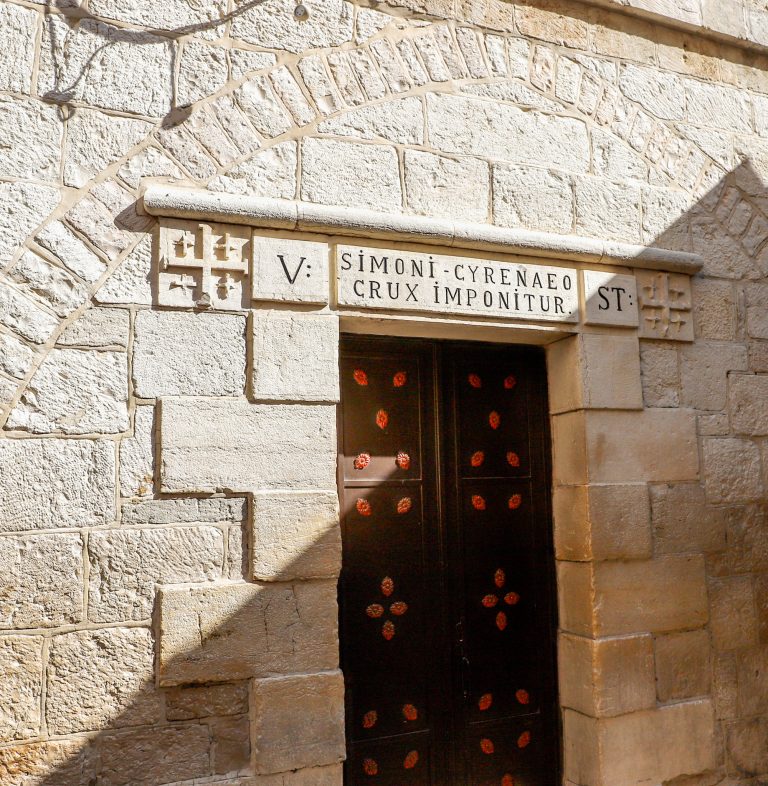
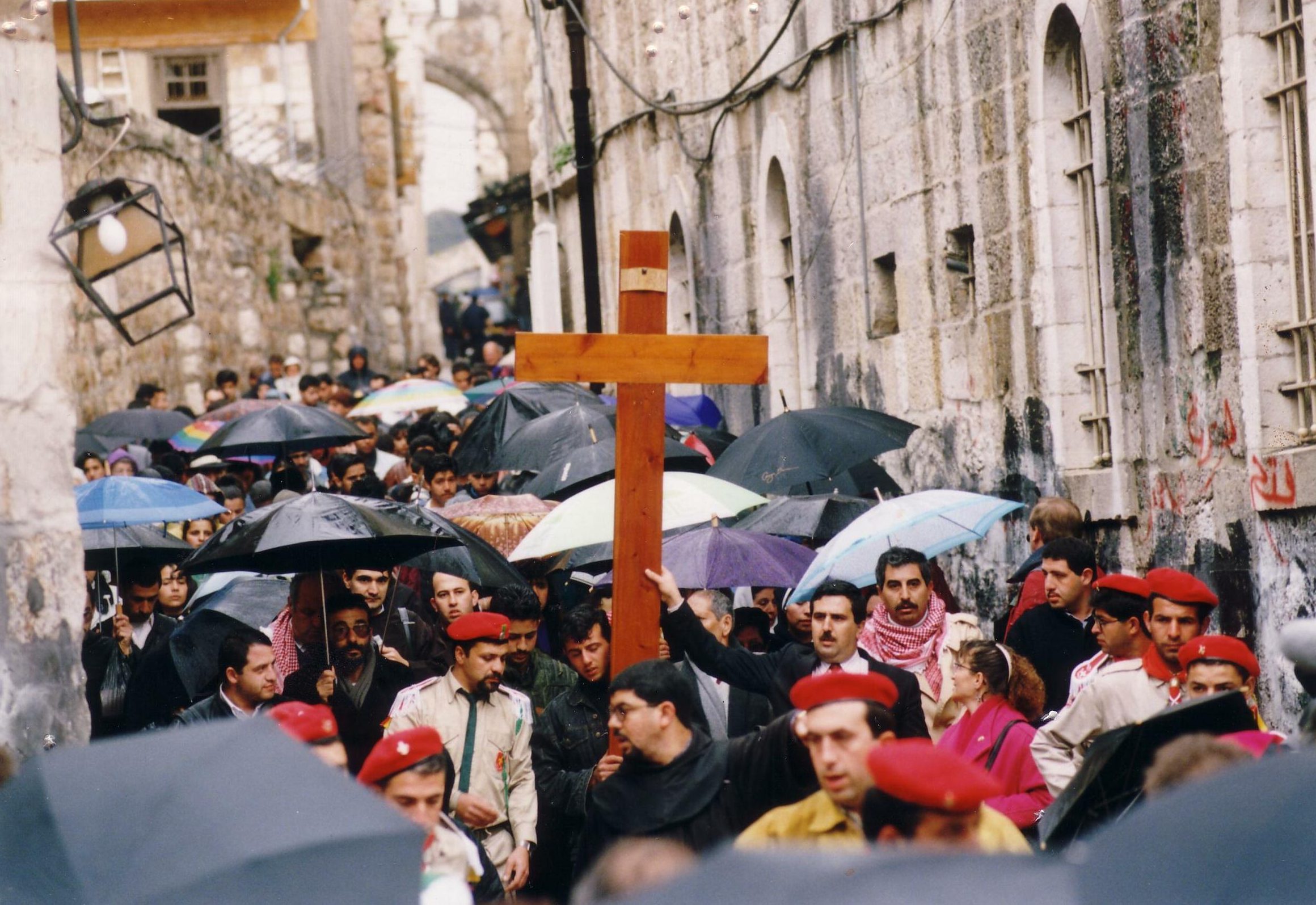
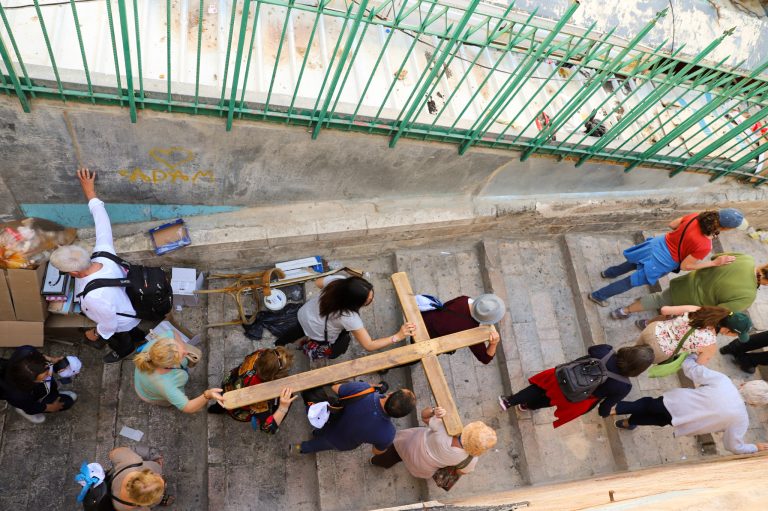
Along the way stand fourteen stations that commemorate moments associated with the final hours of Jesus’ life. Some correspond to episodes described in the Gospels, while others reflect devotional traditions that developed over centuries of pilgrimage. Together they form a sequence that pilgrims follow step by step, pausing to pray, reflect, or read scripture. On Fridays, particularly during Lent and Holy Week, groups from around the world retrace the route together in processions led by clergy.

Photo by Dana Bar Siman Tov

paragraph title

PARAGRAPH TITLE

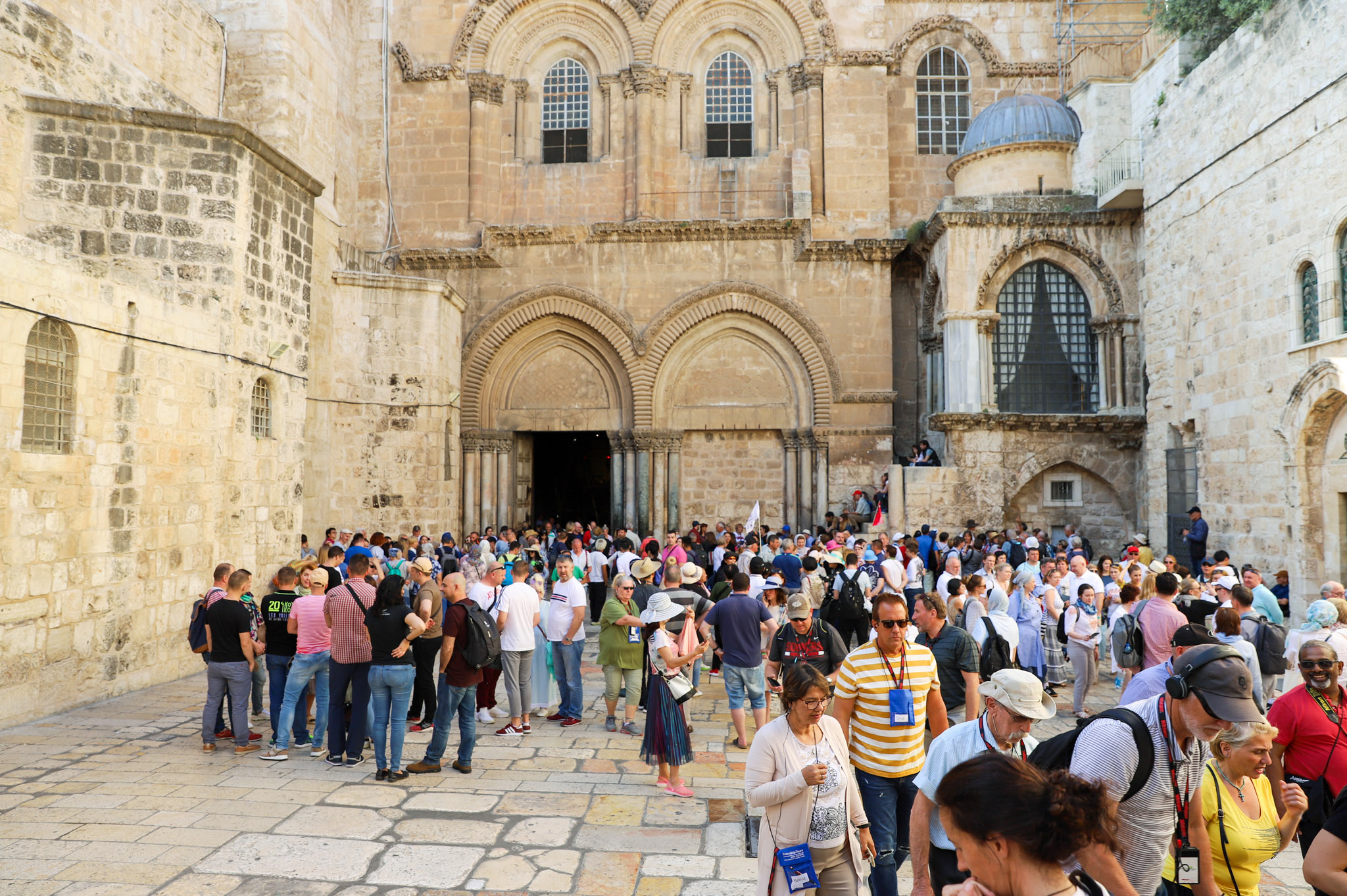
In the year 2000, the Via Dolorosa underwent significant restoration with the support of the Jerusalem Foundation, in partnership with the Jerusalem Municipality, the Ministry of Tourism, and the Israel Government Tourist Corporation. The work was carried out by East Jerusalem Development Limited to mark the beginning of the third millennium, with the goal of improving both the physical environment and the experience of the many pilgrims who walk the route each day.

Photo by Dana Bar Siman Tov

Because changes are not permitted within the Church of the Holy Sepulchre itself, the restoration focused on the first nine stations along the route leading toward the church. Facades were cleaned and restored, sections of the streetscape were repainted, signage was installed, and portions of the path were repaved to improve the experience for the many pilgrims who walk the route each day. Most significantly, new lighting was introduced along the Via Dolorosa—both to illuminate architectural features and to make the route safely accessible after dark. Given the thousands of visitors who traverse the path daily, often in large pilgrim groups, the lighting transformed the experience of the route, allowing it to be walked at all hours while preserving the atmosphere of the Old City.

paragraph title

Photo by Dana Bar Siman Tov

PARAGRAPH TITLE

Today, the Via Dolorosa continues to function as both a sacred path and a living part of Jerusalem’s urban landscape. Pilgrims still gather at its stations, clergy lead processions through its winding passages, and visitors from around the world come seeking connection to a story that has shaped centuries of belief. The careful preservation has ensured that this historic route remains accessible and dignified, allowing future generations to experience the Via Dolorosa not only as a place of history, but as a path of enduring faith.

Previous
Next
The Bastion of Time: A Journey Through Jerusalem at the Tower of David The Khan Theater 28 Community Centers Mitchell Park and Gardens – Hinnom Valley Jerusalem Music Center Mishkenot Natural History Museum Paley Center Hurva Synagogue Jerusalem Print Workshop Wohl Rose Park Artists’ Studios Merrill Hassenfeld Amphitheater, Sultan’s Pool Beit Tamar – Ilan Byer Home for the Aged Jerusalem Botanical Gardens Ein Yael Living Museum Naggar Musrara School of Photography – Art and Society Walter and Elise Haas Promenade and Richard and Rhoda Goldman Promenade The Sam Spiegel Film and Television School Simon Rothschild Ben-Yehuda School for Special Education Teddy Stadium Bloomfield Science Museum Safra Square Modi’in Scouts Club Museum on the Seam Via Dolorosa Restoration and Accessibility Al Jabsha Elderly Center in Christian Quarter The Max Rayne Hand in Hand School for Jewish-Arab Education Israel Asper Community Action Center in Ramot The Kangaroo Family Center Jerusalem Secular Yeshiva Restoration of Montefiore Windmill to working mill Canada House – Morasha Community HaMiffal Israel Gottesman Aquarium Jerusalem Arts Campus Hassenfeld Family Wadi Joz Youth Center Kayma, the George Pinto Jerusalem Doctoral Fellows Culture Series (Sidratarbut) Misgav LeKashish Elderly Day Center Shanti House Well Baby Centers – Renovations Shai Doron Leadership Fellows Beit Hanina Community Center and Pool
Jerusalem Gardens National Park ringing Old City Walls Harry Wilf Independence Park Mishkenot Sha’ananim Cultural Center and Guesthouse Jerusalem Conservatory Hassadna Liberty Bell Park Jerusalem Cinematheque Train Theater The Hattie Friedland School for the Deaf School of Visual Theater The Jacob & Hilda Blaustein Civic Center Beit Sherman – Beit Buria The Djanogly Visual Arts Centre Tisch Family Zoological Gardens Joseph Meyerhoff Youth Center for Advanced Science Studies Jack, Joseph and Morton Mandel Gazelle Valley Urban Wildlife Park Jerusalem Scholarship Fund for Higher Education Jerusalem Resilience Center – Shaare Nefesh
The Bastion of Time: A Journey Through Jerusalem at the Tower of David 1970 Jerusalem Gardens National Park ringing Old City Walls 1970 The Khan Theater 1972 Harry Wilf Independence Park 1972 28 Community Centers 1972 Mitchell Park and Gardens – Hinnom Valley 1973 Mishkenot Sha’ananim Cultural Center and Guesthouse 1973 Jerusalem Music Center Mishkenot 1973 Jerusalem Conservatory Hassadna 1973 Natural History Museum 1976 Paley Center 1977 Hurva Synagogue 1978 Liberty Bell Park 1978 Jerusalem Print Workshop 1978 Wohl Rose Park 1981 Jerusalem Cinematheque 1981 Artists’ Studios 1981 Train Theater 1981 Merrill Hassenfeld Amphitheater, Sultan’s Pool 1981 The Hattie Friedland School for the Deaf 1981 Beit Tamar – Ilan 1982 Byer Home for the Aged 1983 Jerusalem Botanical Gardens 1985 Ein Yael Living Museum 1986 School of Visual Theater 1986 Naggar Musrara School of Photography – Art and Society 1986 Walter and Elise Haas Promenade and Richard and Rhoda Goldman Promenade 1987 The Jacob & Hilda Blaustein Civic Center 1987 The Sam Spiegel Film and Television School 1989 Beit Sherman – Beit Buria 1989 Simon Rothschild Ben-Yehuda School for Special Education 1990 Teddy Stadium 1991 The Djanogly Visual Arts Centre 1991 Bloomfield Science Museum 1992 Safra Square 1993 Tisch Family Zoological Gardens 1993 Modi’in Scouts Club 1997 Museum on the Seam 1999 Via Dolorosa Restoration and Accessibility 2000 Joseph Meyerhoff Youth Center for Advanced Science Studies 2000 Al Jabsha Elderly Center in Christian Quarter 2000 The Max Rayne Hand in Hand School for Jewish-Arab Education 2007 Israel Asper Community Action Center in Ramot 2008 The Kangaroo Family Center 2010 Jerusalem Secular Yeshiva 2011 Restoration of Montefiore Windmill to working mill 2012 Canada House – Morasha Community 2013 HaMiffal 2015 Jack, Joseph and Morton Mandel Gazelle Valley Urban Wildlife Park 2015 Israel Gottesman Aquarium 2017 Jerusalem Scholarship Fund for Higher Education 2017 Jerusalem Arts Campus 2018 Hassenfeld Family Wadi Joz Youth Center 2019 Kayma, the George Pinto Jerusalem Doctoral Fellows 2020 Culture Series (Sidratarbut) 2021 Misgav LeKashish Elderly Day Center 2023 Shanti House 2024 Jerusalem Resilience Center – Shaare Nefesh 2024 Well Baby Centers – Renovations 2024 Shai Doron Leadership Fellows 2025 Beit Hanina Community Center and Pool 2026