introductory paragraph

paragraph title

Perched on what was once the fault line between East and West Jerusalem, the Museum on the Seam occupies a building that has lived several lives. Constructed in 1932 as the home of the Baramki family, a Palestinian Christian family in Jerusalem, the house stood as a private residence until the upheavals of 1948. During the war, the family fled after gunfire pierced the walls and nearly struck one of its residents. In the years that followed, the house found itself positioned directly along the armistice line dividing the city. It was taken over by Israeli forces and converted into a fortified military outpost known as the Tourjeman Post. Windows were sealed, observation points installed, and the structure absorbed the physical and symbolic weight of a city split in two.

Photo courtesy of Museum on the Seam

PARAGRAPH TITLE

In 1981 the building was turned into a small museum. Yet its architecture carried a more complicated story of displacement, division, and competing memories layered into stone. In the late 1990s, with the support of the Jerusalem Foundation and the von Holtzbrinck family, and under the leadership of curator and founder Raphie Etgar, the building was reimagined. It reopened in 1999, and was renamed the Museum on the Seam: a socio-political contemporary art museum, the first in Israel dedicated explicitly to examining social and civic questions through art.

paragraph title

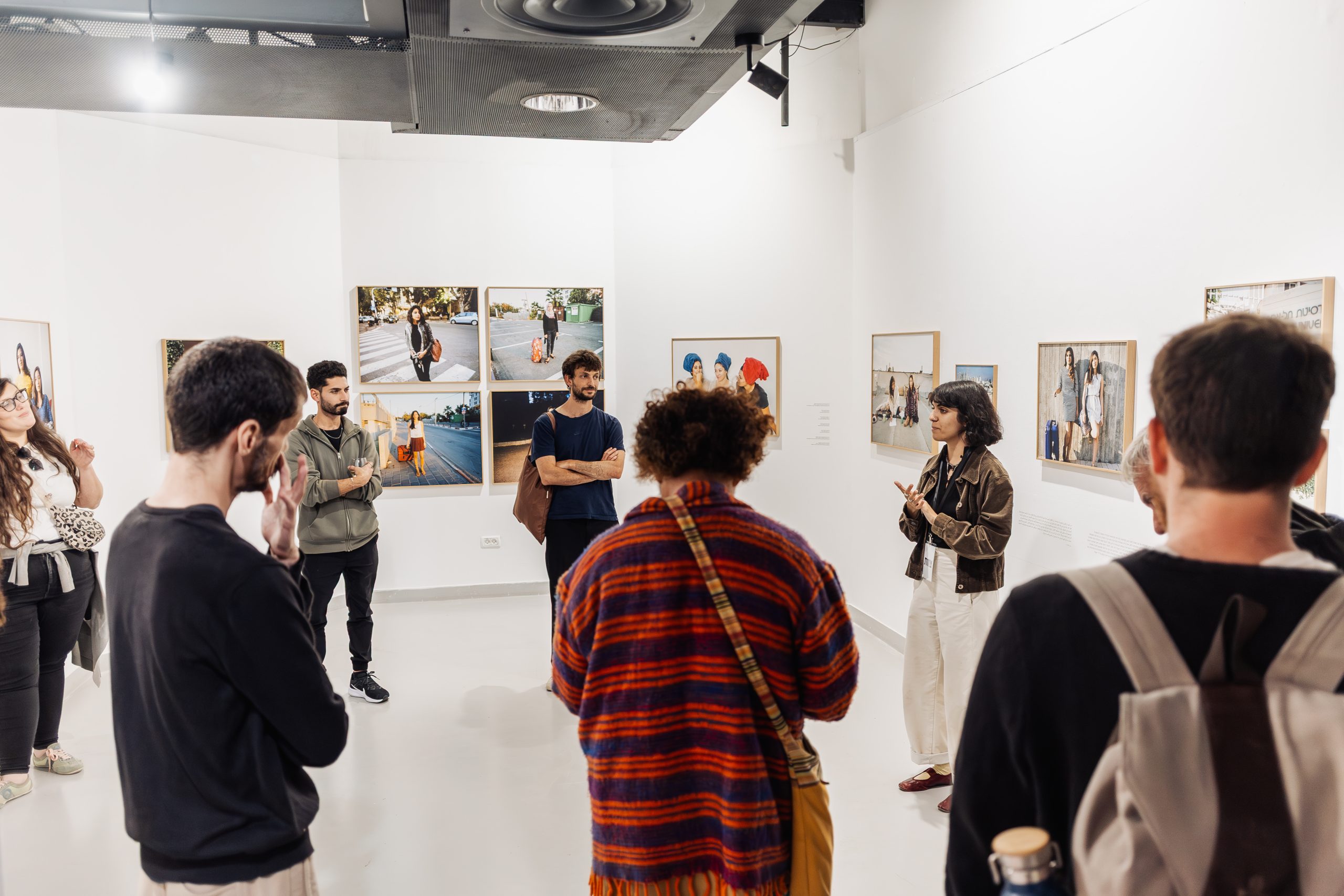
Situated on the former seam line, the museum engages social questions that are both immediate and enduring. Its changing exhibitions address issues such as environment and sustainability, public conscience and moral responsibility, the individual’s solitude in the technological age, gender violence, and the complex relations between humans and animals. These themes are not presented abstractly; they are explored through contemporary artistic practice that invites reflection rather than resolution. Rather than advancing a single ideological position, the museum structures each exhibition around a central inquiry, assembling works by Israeli and international artists into sustained explorations of social reality.

Photo courtesy of Museum on the Seam


PARAGRAPH TITLE


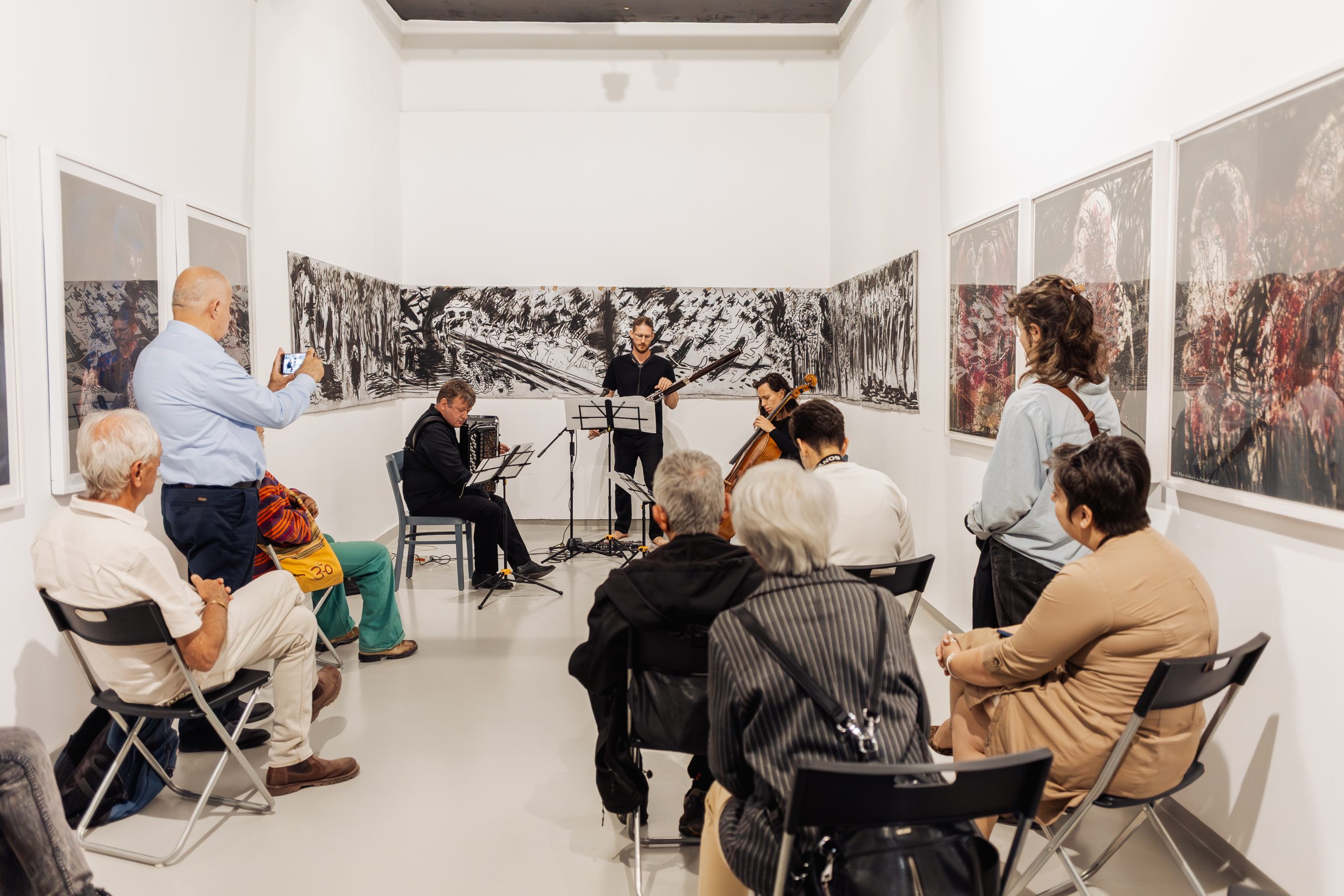
The exhibitions often unfold across several floors, guiding visitors through installations, video works, photography, sculpture, and interactive pieces. The tone varies, at times provocative, at times contemplative, yet always socially relevant. Text panels provide context, and guided tours, artist talks, and educational programs extend the discussion beyond the gallery walls. The museum works with diverse audiences, including students and community groups, treating art not as an isolated aesthetic experience but as a catalyst for civic reflection.
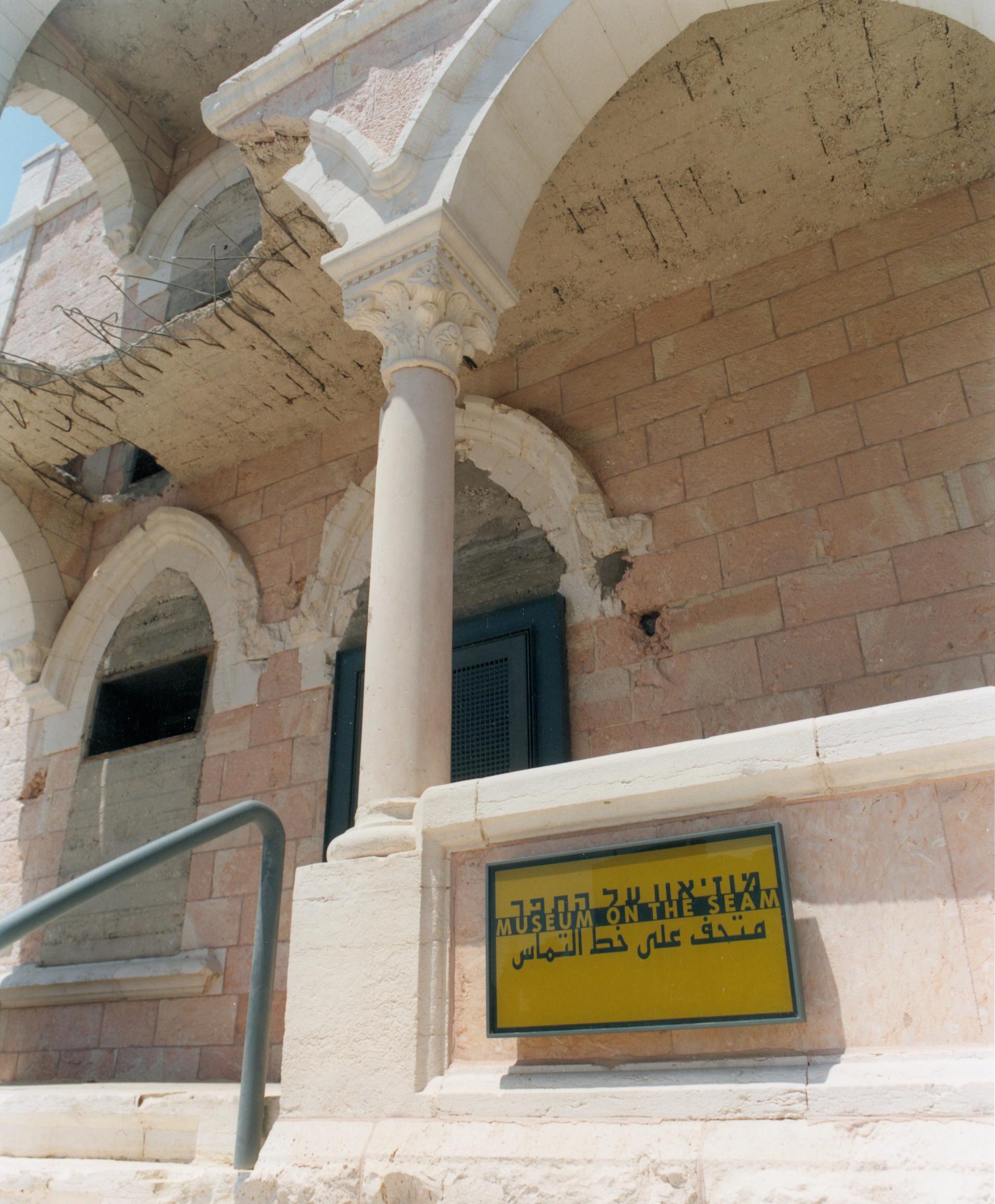
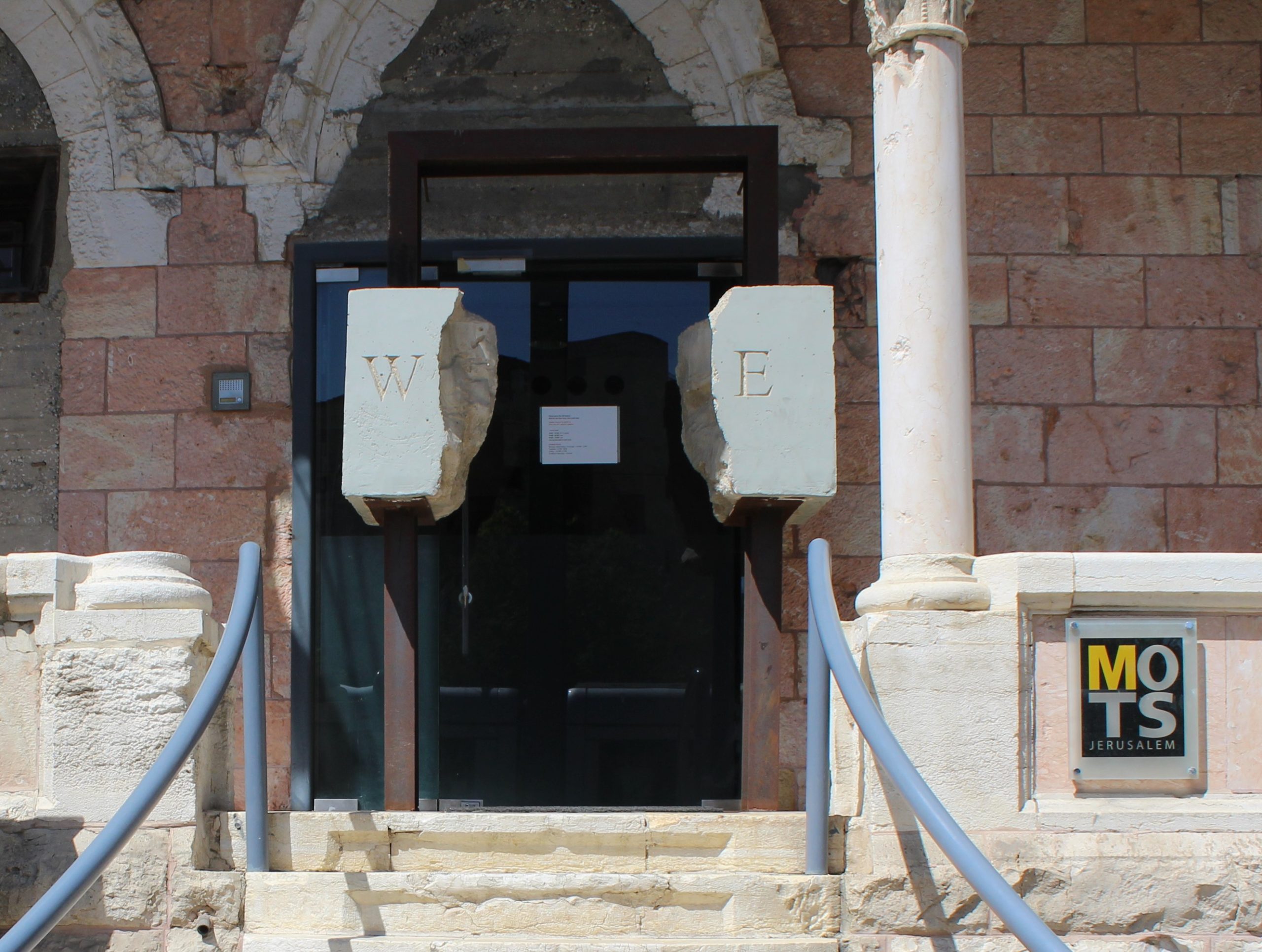
Photo by Yuval Cohen Harounoff

PARAGRAPH TITLE

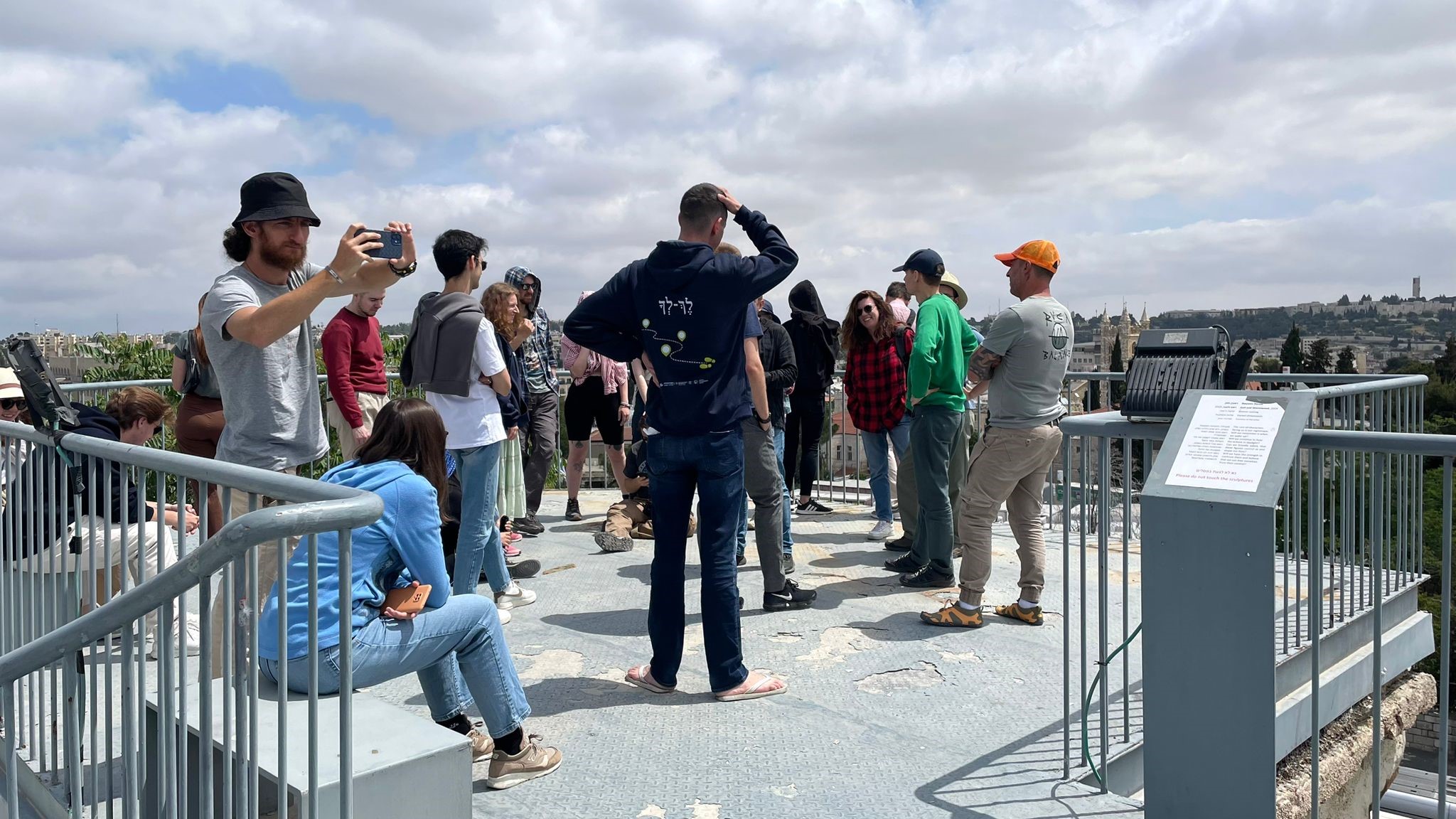
The building’s past is neither erased nor dramatized; it remains present in the thickness of its walls and in the knowledge of what they once signified. The transformation from fortified outpost to cultural institution marks a shift in function, from guarding a line to interrogating the lines that shape contemporary life. A visit to the Museum on the Seam carries an awareness of the place. From the rooftop, one can look out toward neighborhoods that were once separated by barbed wire and checkpoints, the city’s geography offering quiet context to the art below. Inside, the exhibitions ask visitors to linger with ambiguity and to confront questions that rarely admit simple answers. In a city where history is immediate and often contested, the museum proposes engagement over retreat. It continues to stand on the seam, but as a space for encounter rather than defense.

Previous
Next
The Bastion of Time: A Journey Through Jerusalem at the Tower of David The Khan Theater 28 Community Centers Mitchell Park and Gardens – Hinnom Valley Jerusalem Music Center Mishkenot Natural History Museum Paley Center Hurva Synagogue Jerusalem Print Workshop Wohl Rose Park Artists’ Studios Merrill Hassenfeld Amphitheater, Sultan’s Pool Beit Tamar – Ilan Byer Home for the Aged Jerusalem Botanical Gardens Ein Yael Living Museum Naggar Musrara School of Photography – Art and Society Walter and Elise Haas Promenade and Richard and Rhoda Goldman Promenade The Sam Spiegel Film and Television School Simon Rothschild Ben-Yehuda School for Special Education Teddy Stadium Bloomfield Science Museum Safra Square Modi’in Scouts Club Museum on the Seam Via Dolorosa Restoration and Accessibility Al Jabsha Elderly Center in Christian Quarter The Max Rayne Hand in Hand School for Jewish-Arab Education Israel Asper Community Action Center in Ramot The Kangaroo Family Center Jerusalem Secular Yeshiva Restoration of Montefiore Windmill to working mill Canada House – Morasha Community HaMiffal Israel Gottesman Aquarium Jerusalem Arts Campus Hassenfeld Family Wadi Joz Youth Center Kayma, the George Pinto Jerusalem Doctoral Fellows Culture Series (Sidratarbut) Misgav LeKashish Elderly Day Center Shanti House Well Baby Centers – Renovations Shai Doron Leadership Fellows Beit Hanina Community Center and Pool
Jerusalem Gardens National Park ringing Old City Walls Harry Wilf Independence Park Mishkenot Sha’ananim Cultural Center and Guesthouse Jerusalem Conservatory Hassadna Liberty Bell Park Jerusalem Cinematheque Train Theater The Hattie Friedland School for the Deaf School of Visual Theater The Jacob & Hilda Blaustein Civic Center Beit Sherman – Beit Buria The Djanogly Visual Arts Centre Tisch Family Zoological Gardens Joseph Meyerhoff Youth Center for Advanced Science Studies Jack, Joseph and Morton Mandel Gazelle Valley Urban Wildlife Park Jerusalem Scholarship Fund for Higher Education Jerusalem Resilience Center – Shaare Nefesh
The Bastion of Time: A Journey Through Jerusalem at the Tower of David 1970 Jerusalem Gardens National Park ringing Old City Walls 1970 The Khan Theater 1972 Harry Wilf Independence Park 1972 28 Community Centers 1972 Mitchell Park and Gardens – Hinnom Valley 1973 Mishkenot Sha’ananim Cultural Center and Guesthouse 1973 Jerusalem Music Center Mishkenot 1973 Jerusalem Conservatory Hassadna 1973 Natural History Museum 1976 Paley Center 1977 Hurva Synagogue 1978 Liberty Bell Park 1978 Jerusalem Print Workshop 1978 Wohl Rose Park 1981 Jerusalem Cinematheque 1981 Artists’ Studios 1981 Train Theater 1981 Merrill Hassenfeld Amphitheater, Sultan’s Pool 1981 The Hattie Friedland School for the Deaf 1981 Beit Tamar – Ilan 1982 Byer Home for the Aged 1983 Jerusalem Botanical Gardens 1985 Ein Yael Living Museum 1986 School of Visual Theater 1986 Naggar Musrara School of Photography – Art and Society 1986 Walter and Elise Haas Promenade and Richard and Rhoda Goldman Promenade 1987 The Jacob & Hilda Blaustein Civic Center 1987 The Sam Spiegel Film and Television School 1989 Beit Sherman – Beit Buria 1989 Simon Rothschild Ben-Yehuda School for Special Education 1990 Teddy Stadium 1991 The Djanogly Visual Arts Centre 1991 Bloomfield Science Museum 1992 Safra Square 1993 Tisch Family Zoological Gardens 1993 Modi’in Scouts Club 1997 Museum on the Seam 1999 Via Dolorosa Restoration and Accessibility 2000 Joseph Meyerhoff Youth Center for Advanced Science Studies 2000 Al Jabsha Elderly Center in Christian Quarter 2000 The Max Rayne Hand in Hand School for Jewish-Arab Education 2007 Israel Asper Community Action Center in Ramot 2008 The Kangaroo Family Center 2010 Jerusalem Secular Yeshiva 2011 Restoration of Montefiore Windmill to working mill 2012 Canada House – Morasha Community 2013 HaMiffal 2015 Jack, Joseph and Morton Mandel Gazelle Valley Urban Wildlife Park 2015 Israel Gottesman Aquarium 2017 Jerusalem Scholarship Fund for Higher Education 2017 Jerusalem Arts Campus 2018 Hassenfeld Family Wadi Joz Youth Center 2019 Kayma, the George Pinto Jerusalem Doctoral Fellows 2020 Culture Series (Sidratarbut) 2021 Misgav LeKashish Elderly Day Center 2023 Shanti House 2024 Jerusalem Resilience Center – Shaare Nefesh 2024 Well Baby Centers – Renovations 2024 Shai Doron Leadership Fellows 2025 Beit Hanina Community Center and Pool 2026