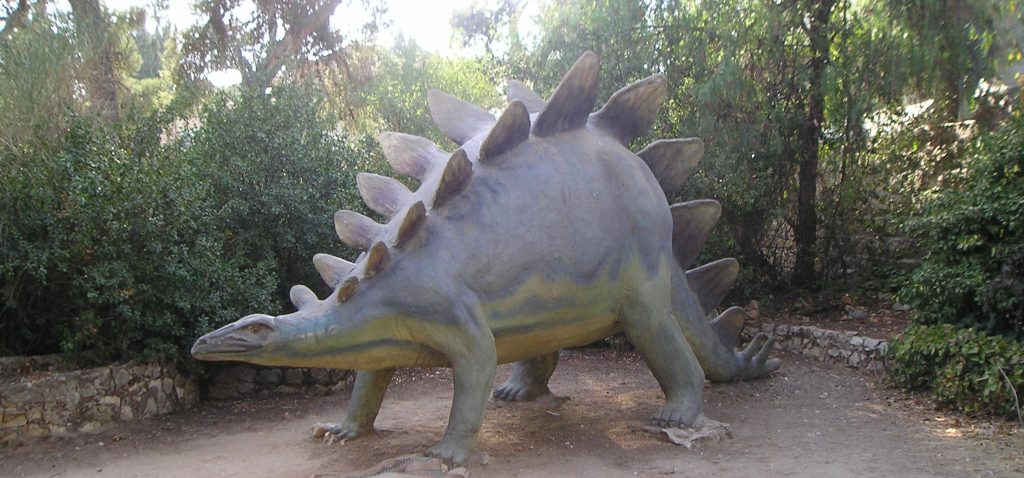
In the heart of Jerusalem’s German Colony stands an old stone house shaded by tall trees and surrounded by a lush garden. At first glance, it resembles many of the historic homes that line the neighborhood’s quiet streets. Yet behind its doors lies an unexpected world. Inside the Jerusalem Natural History Museum, visitors encounter the wonders of the natural world; the plants and animals of the region, the landscapes that shape the land, and even the inner workings of the human body. For generations of Jerusalem’s children, this modest museum has been a place of discovery—an early introduction to science and curiosity that has left lasting impressions across decades.

a learning opportunity

Founded in 1949 by the naturalist Tzvi Lev, the Jerusalem Natural History Museum was among the city’s earliest institutions devoted to environmental and life-science education. Lev envisioned a place where the natural environment of the Land of Israel could be studied, preserved, and shared with the public. In the early years of the young state, when educational infrastructure was still developing, the museum offered Jerusalem’s residents, especially its children, a rare opportunity to encounter the biodiversity of the region in an accessible way.

natural encounters

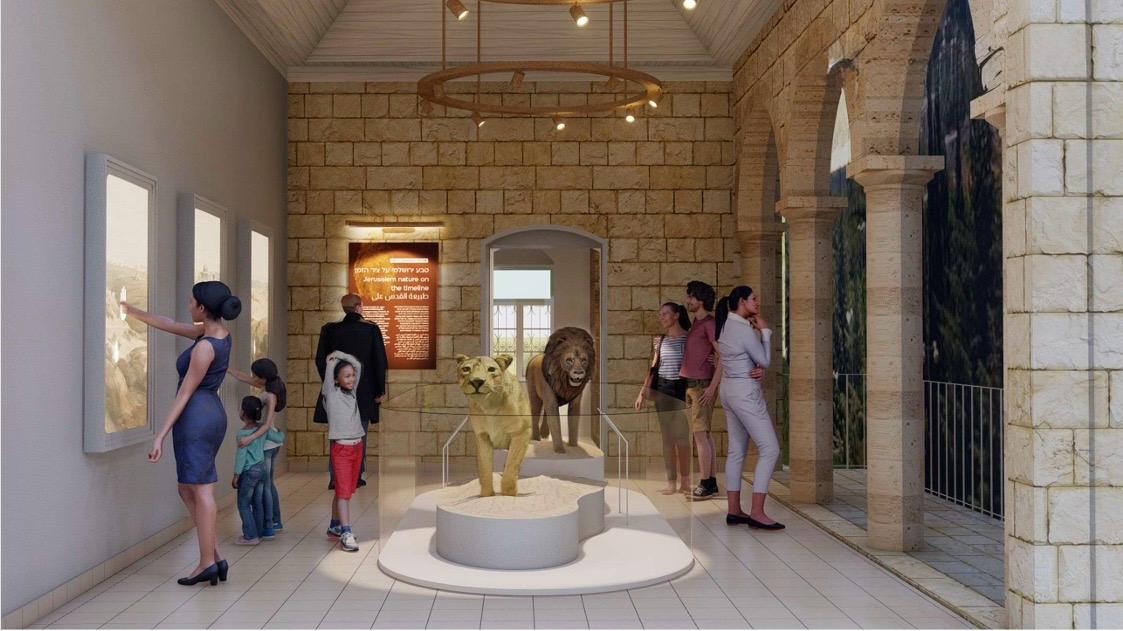
Image by Breeze Creative

The museum is housed in a nineteenth-century stone residence in the German Colony, itself a historic landmark that has graced Jerusalem’s landscape for more than a century. Over time, its rooms were transformed into exhibition halls devoted to the natural world. Among its most familiar displays is the large collection of preserved birds and animals native to the region—specimens that offered generations of visitors a rare opportunity to observe Israel’s wildlife up close. School groups from across the city passed through its doors, while museum staff regularly visited neighborhood kindergartens, bringing animals and hands-on demonstrations to young children. In the summer months the museum’s gardens and halls filled with activity as camps and workshops introduced children to insects, plants, and the ecosystems that surround Jerusalem.

The Jerusalem Foundation has supported several initiatives at the museum over the years. Among them was the establishment of the Wislicki Library in 1984, a natural history library created for teachers and schoolchildren. The Foundation has also supported exhibitions and educational activities, including programs that enabled Arab schoolchildren and children with special needs to participate in the museum’s offerings, broadening access to environmental education across Jerusalem’s diverse communities.

Photo courtesy of the Natural History Museum

 Despite its beloved status, the museum has struggled with the passage of time. Many of its exhibits remained largely unchanged for decades, and the historic building itself gradually fell into disrepair. Located in one of Jerusalem’s most desirable neighborhoods, the site increasingly drew attention for possible redevelopment. At various points, proposals were raised to close the museum and replace it with other projects. For a time, it seemed possible that this quiet landmark—so deeply woven into the memories of generations of Jerusalemites—might disappear from the city’s landscape.

a new chapter

Instead, the museum is now entering a new chapter. The Jerusalem Foundation, together with the Jerusalem Municipality and Eden – The Jerusalem Economic Development Company, has launched an ambitious renewal project that will transform the aging institution into a modern center for environmental learning and community activity. The renovation will preserve the historic Villa Deccan building while completely reimagining the museum’s content and public spaces. New interactive exhibitions will present contemporary ideas about the relationship between humans and nature, while the museum’s historic taxidermy collection will be carefully conserved and integrated into updated displays. The surrounding grounds will also undergo a dramatic transformation, designed around the ecosystems of the region. Alongside the exhibitions, the renewed complex will introduce workshop spaces, outdoor activity areas, educational programs, beehives, and a small animal center. A café and an expanded community garden will further turn the site into a lively gathering place for residents and visitors alike.
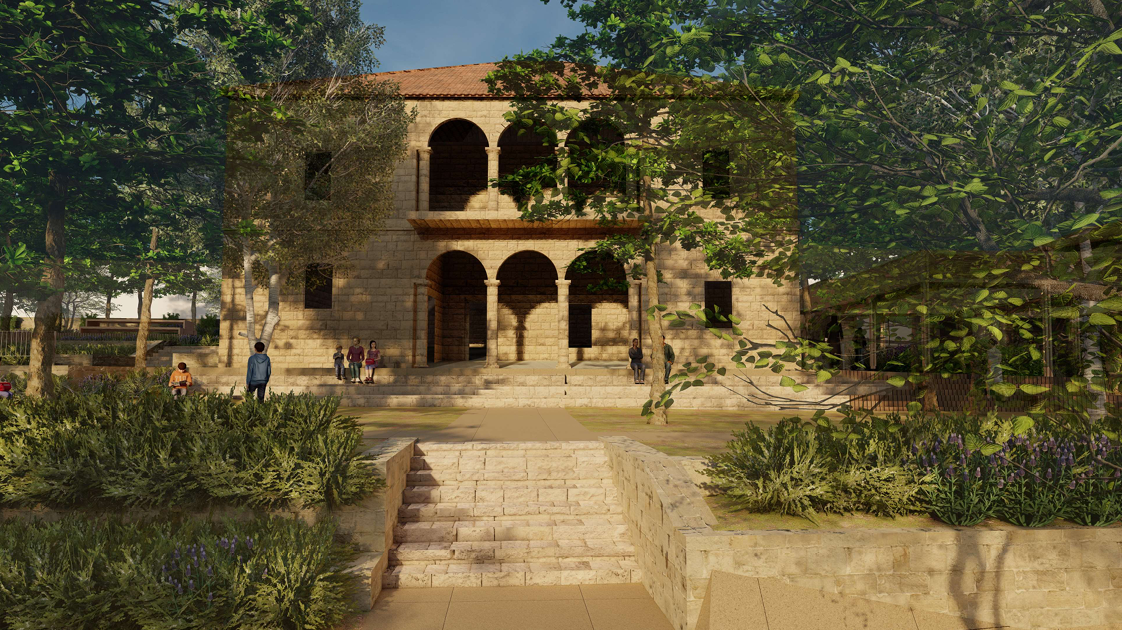
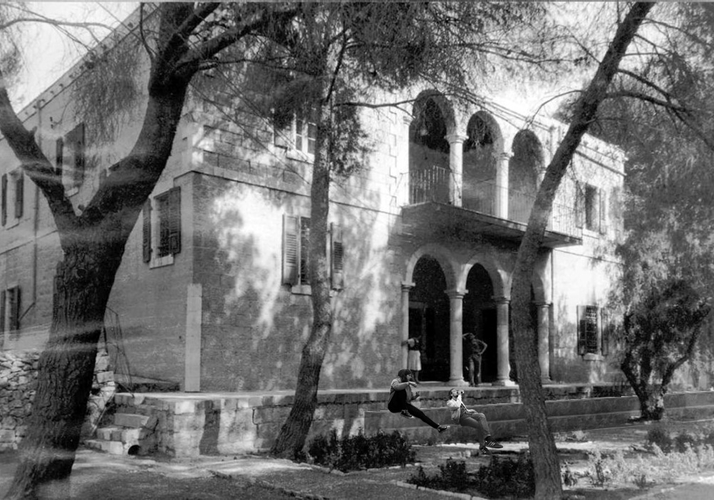
Image by Breeze Creative

natural history

The renewed Natural History Museum will allow for Tzvi Lev’s vision to continue to inspire curiosity about the natural world, allowing new generations of Jerusalemites to learn and discover within a place that has long been part of the city’s cultural fabric and create their own fond memories for years to come.

Previous
Next