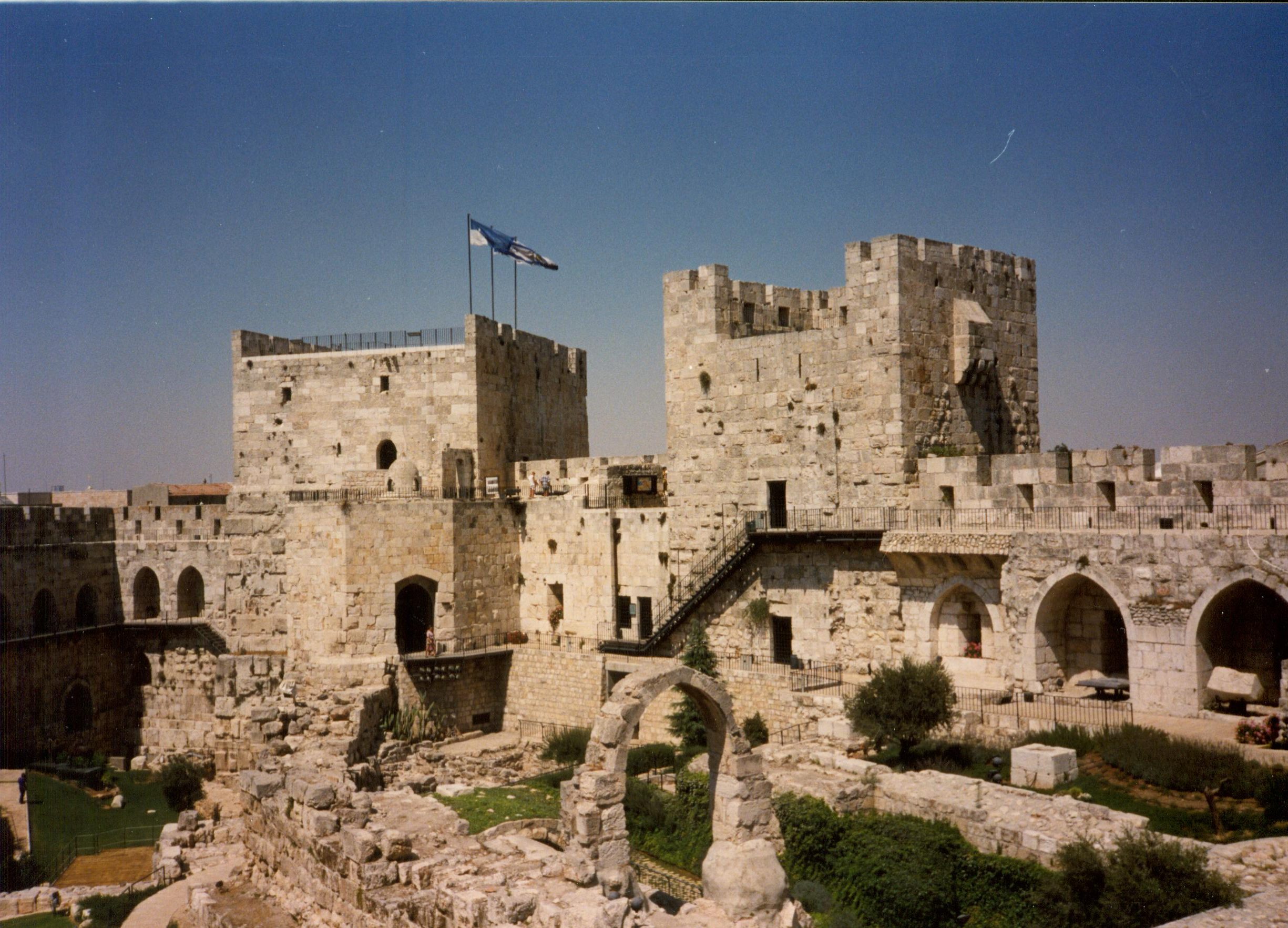
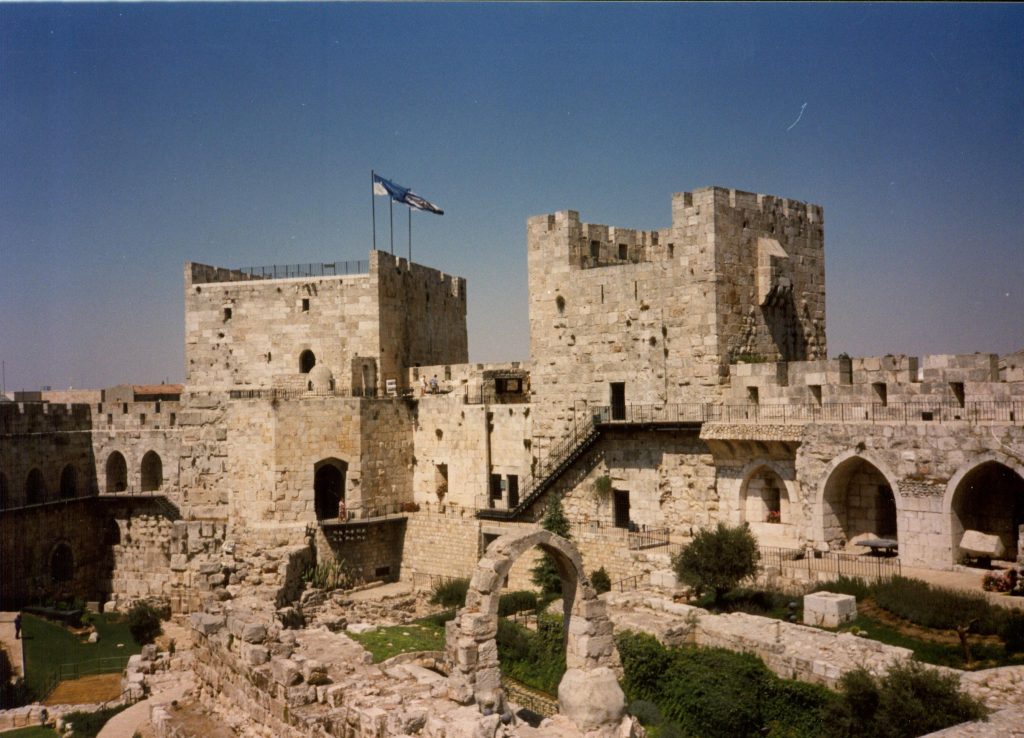
Perched at the threshold of the Old City, where the timeless stones of the Armenian Quarter meet the modern pulse of Jaffa Gate, stands the Tower of David. This monumental citadel, a sentinel that has watched over the holy city for more than 2,500 years, is far more than a defensive relic; it is the physical manifestation of Jerusalem’s complex, layered identity. Today, as the Tower of David Jerusalem City Museum, it serves as a portal through which visitors can navigate four millennia of human history, culture, and relentless transformation.

A Living Architectural Chronicle

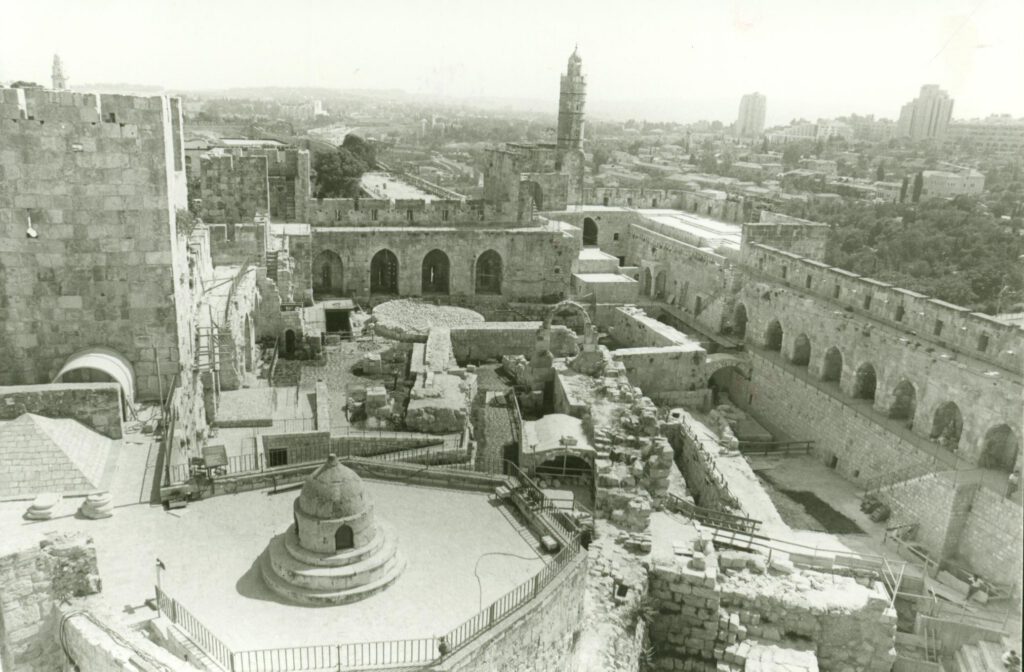
The citadel itself is an architectural palimpsest, where each era has left an indelible mark upon its limestone canvas. From the foundations laid during the First Temple period to the soaring Phasael Tower—an Herodian masterpiece offering unparalleled panoramic views of the city—the site is a dense tapestry of civilizations. The museum’s physical evolution, heavily supported by the Jerusalem Foundation since the late 1970s, has meticulously balanced preservation with discovery.

Walking through the grounds, one encounters the Medieval Hall, a space of resonant echoes and vaulted grandeur, and the Elias Sourasky Archaeological Garden, where the city’s bones are laid bare for contemplation. The landscape is further enriched by the Nissim S. Dwek Garden and the aromatic Nehama & Menache Mani Herb Garden, providing moments of serene botanical beauty amidst the weight of history.

test

Perhaps the most evocative narrative within the citadel lies in its hidden depths. In 2002, excavations at the Kishle—a structure originally built in 1837 as an Ottoman barracks and prison—unearthed what is believed to be the palace compound of King Herod the Great, dating back to 23 BCE. This juxtaposition of a 19th-century military installation against the opulent remnants of a biblical king’s residence exemplifies the museum’s unique ability to collapse time. This site, once intended to be a simple education center, transformed into one of the city’s most significant archaeological revelations.

Layers of Discovery: From Palaces to Prisons

The Intersection of History and Art

While its foundations are ancient, the Tower of David has long embraced the contemporary. It has evolved into a vibrant cultural venue, hosting public events and avant-garde installations that dialogue with its ruins. One of the most storied chapters in the museum’s recent history was the 1999 “Homage to Jerusalem” exhibit by renowned American glass artist Dale Chihuly.

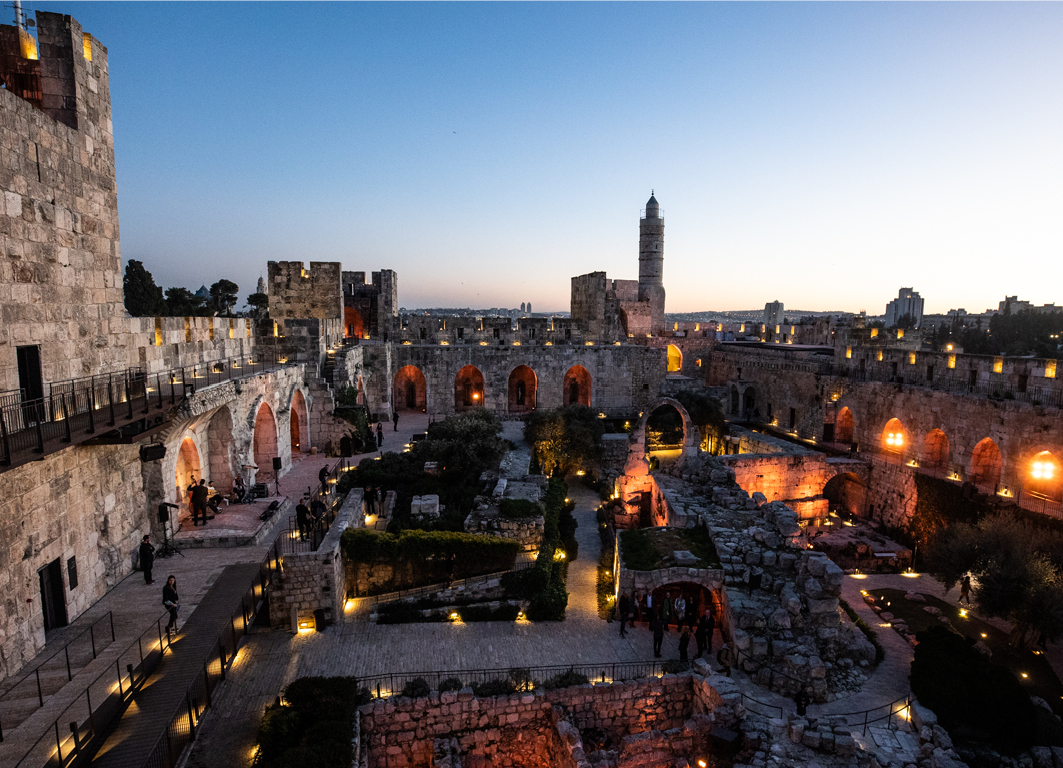
This monumental undertaking saw 42 tons of glass—over 10,000 individual pieces—woven into the citadel’s archaeological fabric. The interplay between Chihuly’s translucent, organic forms and the weathered, unyielding stone of the ruins created a sensory experience that remains one of the most popular in the museum’s history. Today, this tradition of immersive storytelling continues through high-tech sound and light shows that use the citadel’s very walls as a screen, illuminating the “Jerusalem Characters” and the city’s saga for a modern audience.

A Unique Value Proposition

The Tower of David is not merely a repository of artifacts; it is the soul of Jerusalem distilled into stone and light. It offers a rare vantage point—both physically from the heights of the Phasael Tower and intellectually through its chronologically curated exhibits—that allows one to grasp the magnitude of the city below. For the traveler seeking to understand the “why” behind Jerusalem’s enduring allure, the citadel provides the essential context. It stands as a testament to the numerous peoples—conquerors, pilgrims, and builders—who have sought to leave their mark on this hallowed ground. In a city of many wonders, the Tower of David remains the indispensable starting point for any meaningful exploration of the Judean Hills’ crown jewel.

Layers of Discovery: From Palaces to Prisons

After decades of operation as a leading historical museum, the Tower of David underwent an ambitious, multi-year renewal project, reopening in 2023 as a fully reimagined Jerusalem City Museum. This was possible only thanks to the continued engagement of the Clore Israel Foundation and the major support and leadership of Dame Vivien Duffield. The project combined meticulous conservation of the ancient structure with the creation of a state-of-the-art museum experience. Advanced climate-control systems were installed to protect archaeological remains; new galleries were carved into previously inaccessible spaces; and cutting-edge multimedia installations were integrated seamlessly into the historic fabric of the citadel. A central component of the renewal was accessibility. Historic fortresses are often breathtaking, but notoriously difficult to navigate. The reconstruction addressed this directly, incorporating elevators, accessible pathways, and thoughtfully designed circulation routes throughout the complex. Tactile models, audio guides, multilingual interpretation, and accommodations for visitors with visual, auditory, and mobility needs ensure that the story of Jerusalem can be experienced by all. The museum’s commitment to accessibility reflects a deeper belief—that the story of Jerusalem should be open, navigable, and accessible to all.

The Intersection of History and Art

While its foundations are ancient, the Tower of David has long embraced the contemporary. It has evolved into a vibrant cultural venue, hosting public events and avant-garde installations that dialogue with its ruins. One of the most storied chapters in the museum’s recent history was the 1999 “Homage to Jerusalem” exhibit by renowned American glass artist Dale Chihuly.

This monumental undertaking saw 42 tons of glass—over 10,000 individual pieces—woven into the citadel’s archaeological fabric. The interplay between Chihuly’s translucent, organic forms and the weathered, unyielding stone of the ruins created a sensory experience that remains one of the most popular in the museum’s history. Today, this tradition of immersive storytelling continues through high-tech sound and light shows that use the citadel’s very walls as a screen, illuminating the “Jerusalem Characters” and the city’s saga for a modern audience.

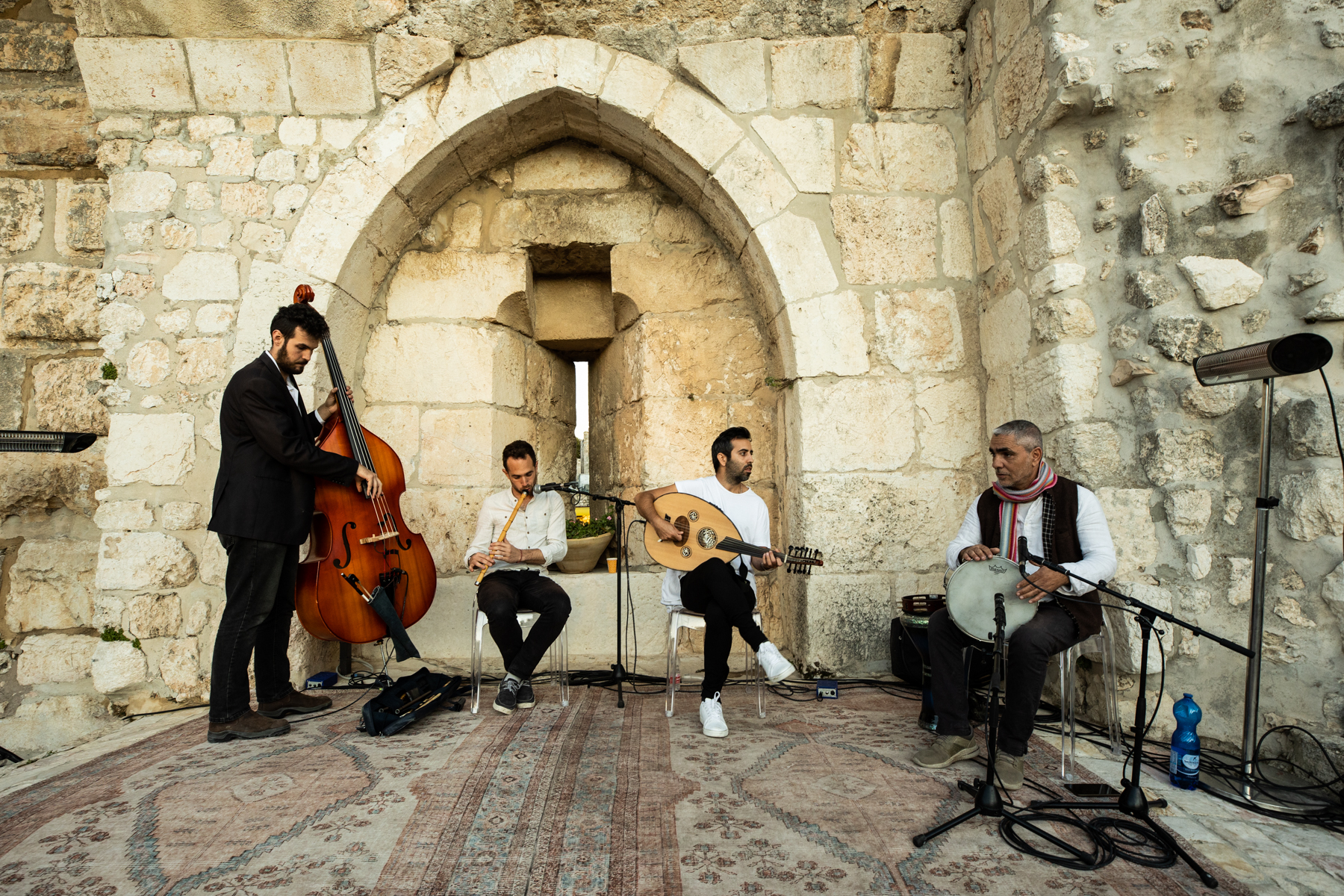
Today, serving as a gateway to Jerusalem’s past and present, the Tower of David offers a dynamic and layered visitor experience. The renewed permanent exhibition traces 4,000 years of the city’s history through immersive installations and rare artifacts, while rotating temporary exhibitions engage contemporary perspectives and artistic voices. Visitors can descend into the Kishle, an extraordinary archaeological space revealing remains from multiple periods beneath the citadel itself, or ascend the ramparts for sweeping views of the Old City and modern Jerusalem beyond. The courtyard hosts concerts, lectures, festivals, and cultural gatherings throughout the year, and after nightfall, the renowned sound-and-light shows transform the ancient walls into a luminous canvas of storytelling. To top it off, a café nestled within the complex provides a moment of pause amid centuries of history.


Today, serving as a gateway to Jerusalem’s past and present, the Tower of David offers a dynamic and layered visitor experience. The renewed permanent exhibition traces 4,000 years of the city’s history through immersive installations and rare artifacts, while rotating temporary
Layers of
Discovery: From
Palaces to Prisons

Perhaps the most evocative narrative within the citadel lies in its hidden depths. In 2002, excavations at the Kishle—a structure originally built in 1837 as an Ottoman barracks and prison—unearthed what is believed to be the palace compound of King Herod the Great, dating back to 23 BCE. This juxtaposition of a 19th-century military installation against the opulent remnants of a biblical king’s residence exemplifies the museum’s unique ability to collapse time. This site, once intended to be a simple education center, transformed into one of the city’s most significant archaeological revelations.

The Intersection of History and Art

While its foundations are ancient, the Tower of David has long embraced the contemporary. It has evolved into a vibrant cultural venue, hosting public events and avant-garde installations that dialogue with its ruins. One of the most storied chapters in the museum’s recent history was the 1999 “Homage to Jerusalem” exhibit by renowned American glass artist Dale Chihuly.

Photo Credit
Photo Credit
Photo Credit
Photo Credit
Previous
Next