Israel is surrounded by remarkable bodies of water. To the west stretches the Mediterranean Sea, whose shores have shaped the region’s history for thousands of years. Far to the south lies the Red Sea, home to some of the most vibrant coral reefs in the world. Yet despite this proximity to extraordinary marine environments, for many years Israel had no public aquarium dedicated to showcasing the life that thrives beneath its surrounding waters. Jerusalem’s skeptics have long enjoyed pointing out that the city, for all its virtues, has one obvious drawback… It has no ocean. In 2017, that began to change with the opening of the Israel Aquarium, the first public aquarium in the country.

israel’s first aquarium

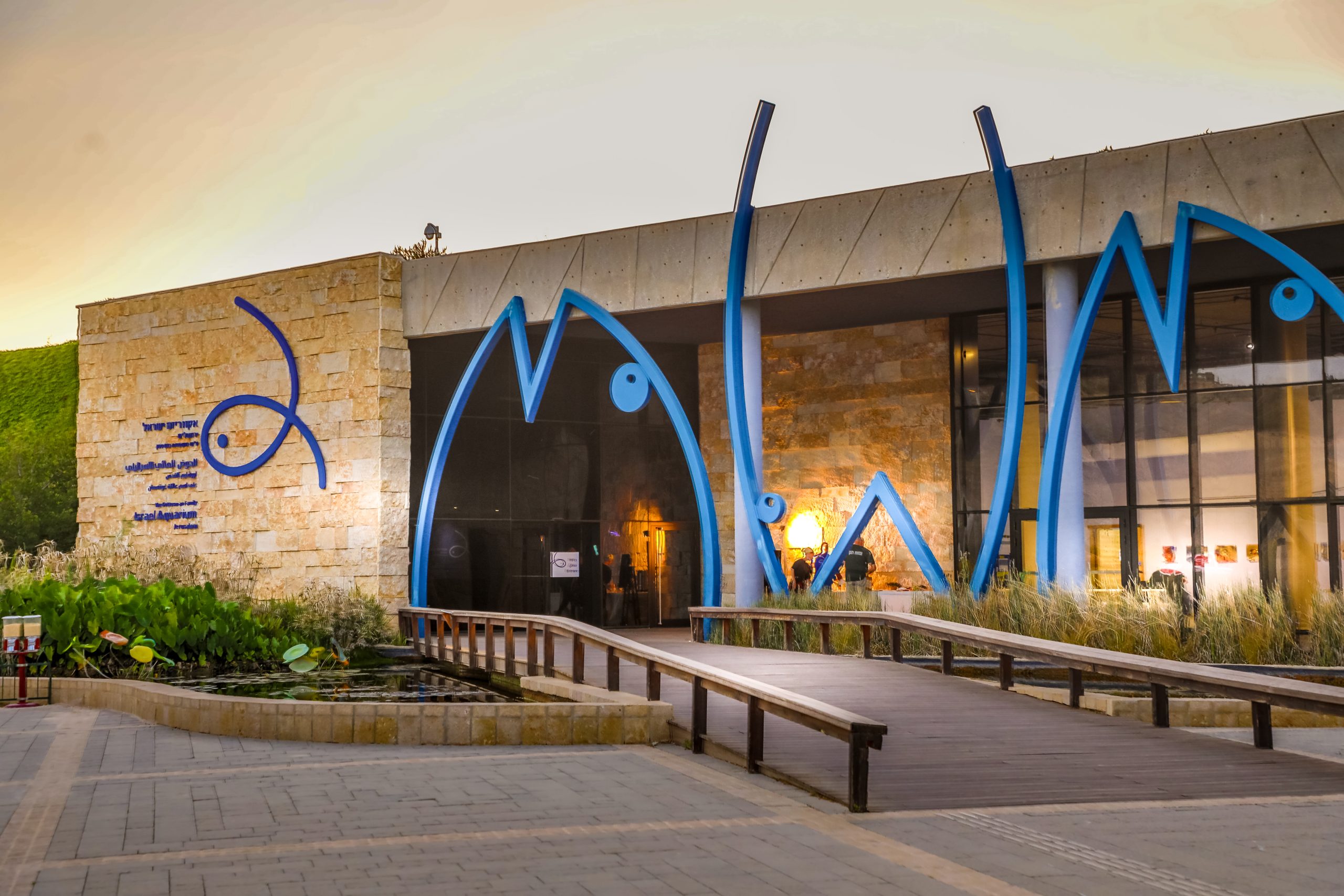
The Gottesman Family Israel Aquarium, was established next to the Jerusalem Biblical Zoo in the Malha valley. The idea began to take shape in 2008 as part of plans to expand the zoo and create new educational experiences focused on nature and conservation. The project received major support from the Gottesman Family Foundation in New York, along with contributions from donors in Israel and abroad, as well as the Jerusalem Municipality and the Ministry of Tourism. After several years of planning and construction, the aquarium opened its doors to the public in June 2017.

local marine life

Photo by Dana Bar Siman Tov

From the beginning, the aquarium was designed to focus on the marine environments that surround Israel. Its exhibits trace the waters that shape the country’s geography and ecology, from the Mediterranean Sea along Israel’s western coast to the coral reefs of the Red Sea in the far south. Visitors move through a series of galleries that recreate these underwater landscapes, alongside exhibits that explore the unique ecosystems of the Sea of Galilee and the Dead Sea. Together they reveal the remarkable diversity of life found in and around Israel’s waters.

Photo by Dana Bar Siman Tov

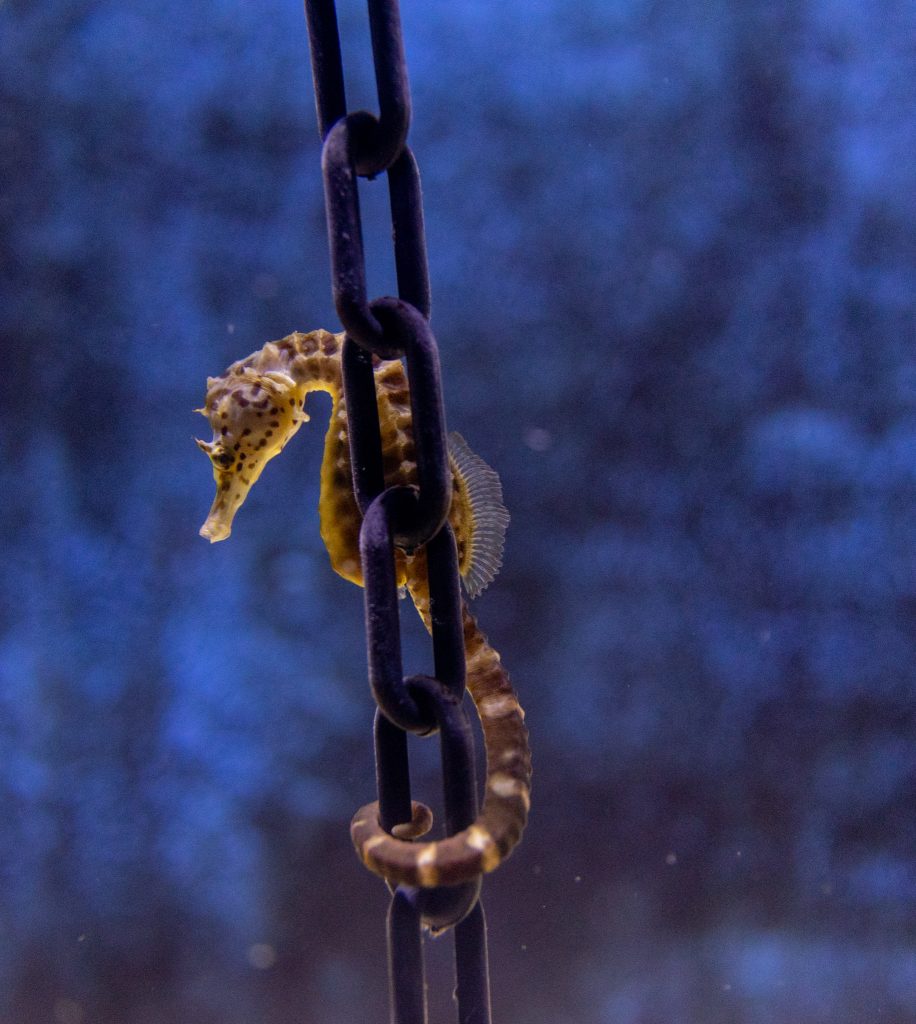
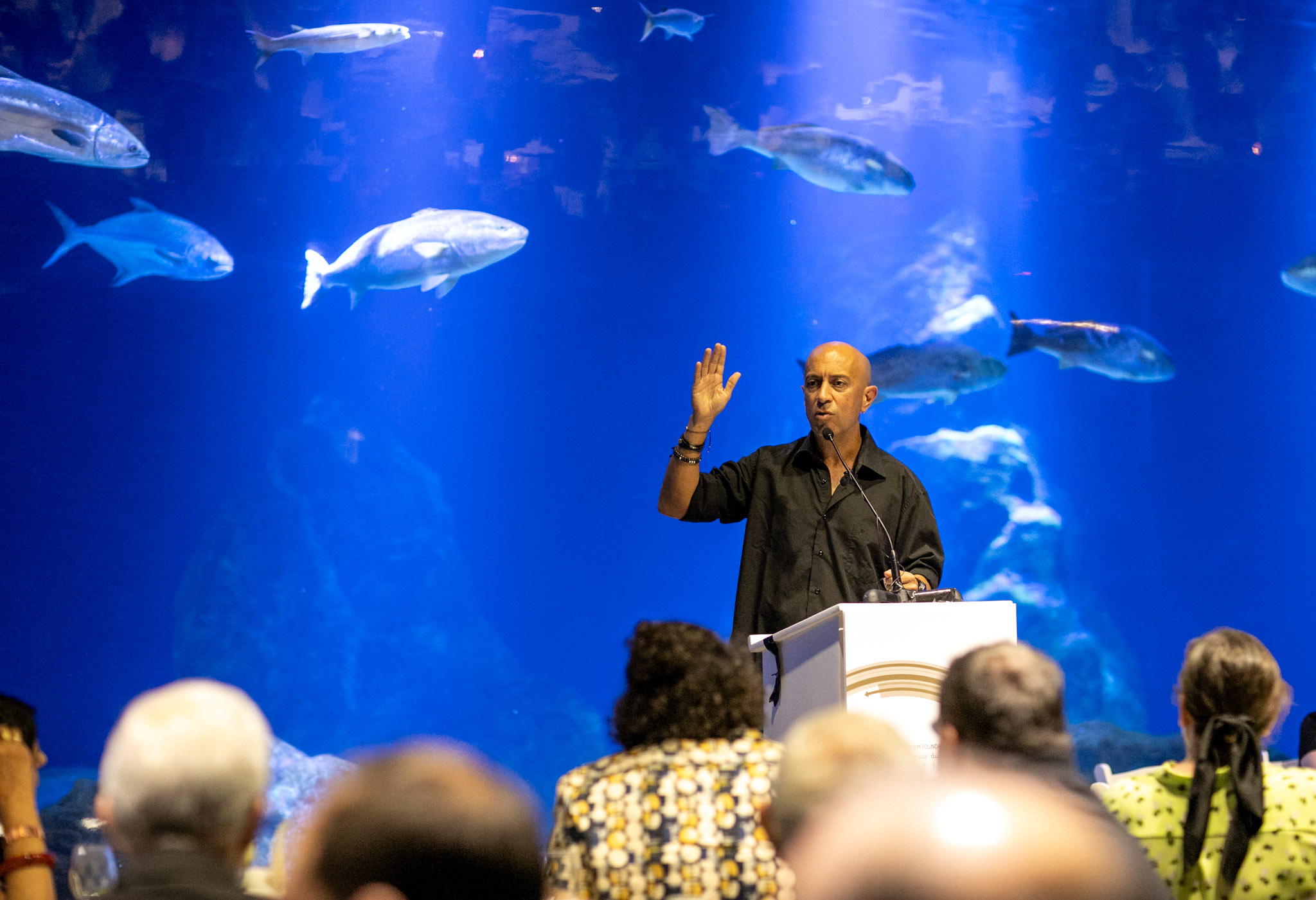
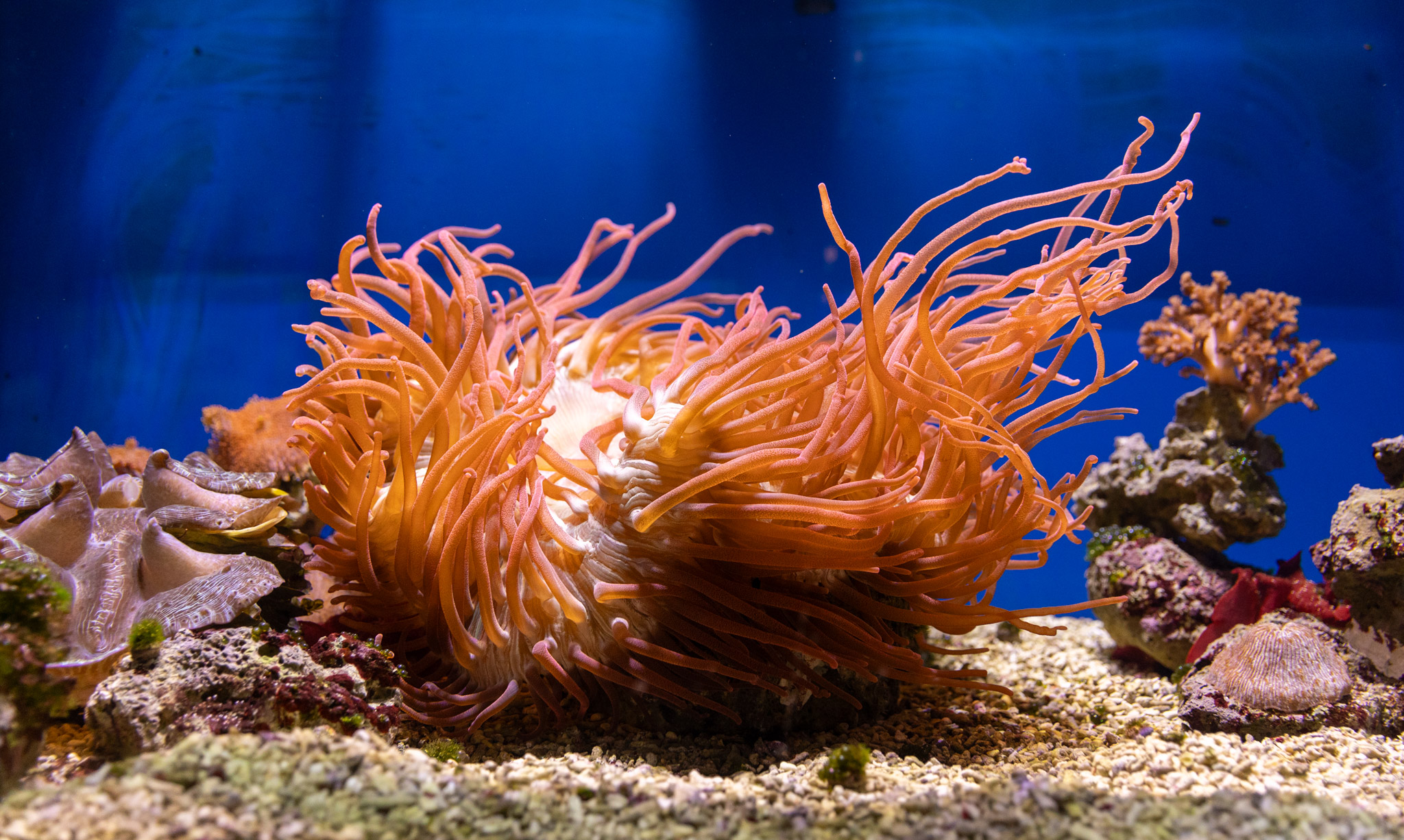
The experience unfolds gradually through dimly lit halls and wide viewing windows that reveal underwater landscapes teeming with life. In the Mediterranean galleries, fish glide among rocky formations that resemble Israel’s own coastline. Further along, the vivid colors of the Red Sea appear, with coral reefs alive with tropical fish and lionfish drifting slowly through the water. Jellyfish pulse gently in illuminated tanks, while rays and eels slip quietly through deeper pools. A large viewing tunnel allows visitors to walk beneath a sweeping tank filled with schools of fish moving overhead, creating the sensation of standing inside the sea itself. Along the way, smaller discovery exhibits reveal the astonishing diversity of marine life. Seahorses cling to strands of sea grass, ribbon eels emerge from the sand, and visitors can observe stingrays gliding through shallow water pools.
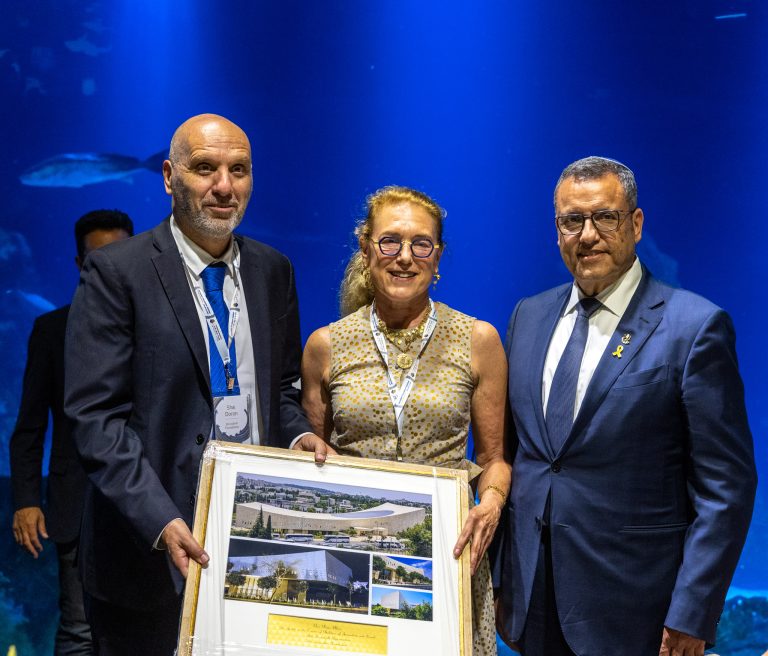
Former Jerusalem Foundation president Shai Doron z"l with Jerusalem Mayor Moshe Lion, Photo by Dana Bar Siman Tov

protecting the environment

Beyond its visual appeal, the aquarium also draws attention to the fragile ecosystems of the seas surrounding Israel. Marine environments in the Mediterranean and the Red Sea face increasing pressures from pollution, coastal development, invasive species, and climate change. Through its exhibits and educational programming, the aquarium highlights the importance of protecting these habitats and has taken part in various marine conservation efforts. In doing so, it invites visitors to look more closely at the underwater world that exists just beyond Israel’s shores and to consider the responsibility of preserving it.

Photo by Dana Bar Siman Tov

the sea of jerusalem

Today the Israel Aquarium has become one of Jerusalem’s most distinctive attractions. Families wander slowly through the galleries, children press their faces to the glass as schools of fish pass by, and visitors linger in quiet fascination before tanks glowing softly in the dim light. The journey from gallery to gallery feels almost meditative, as if descending gradually into deeper waters. And so, in the landlocked capital, many kilometers from the nearest shoreline, visitors can find themselves surrounded by the stark beauty of the underwater world. It seems that the ocean may have found its way to Jerusalem after all.

Previous
Next