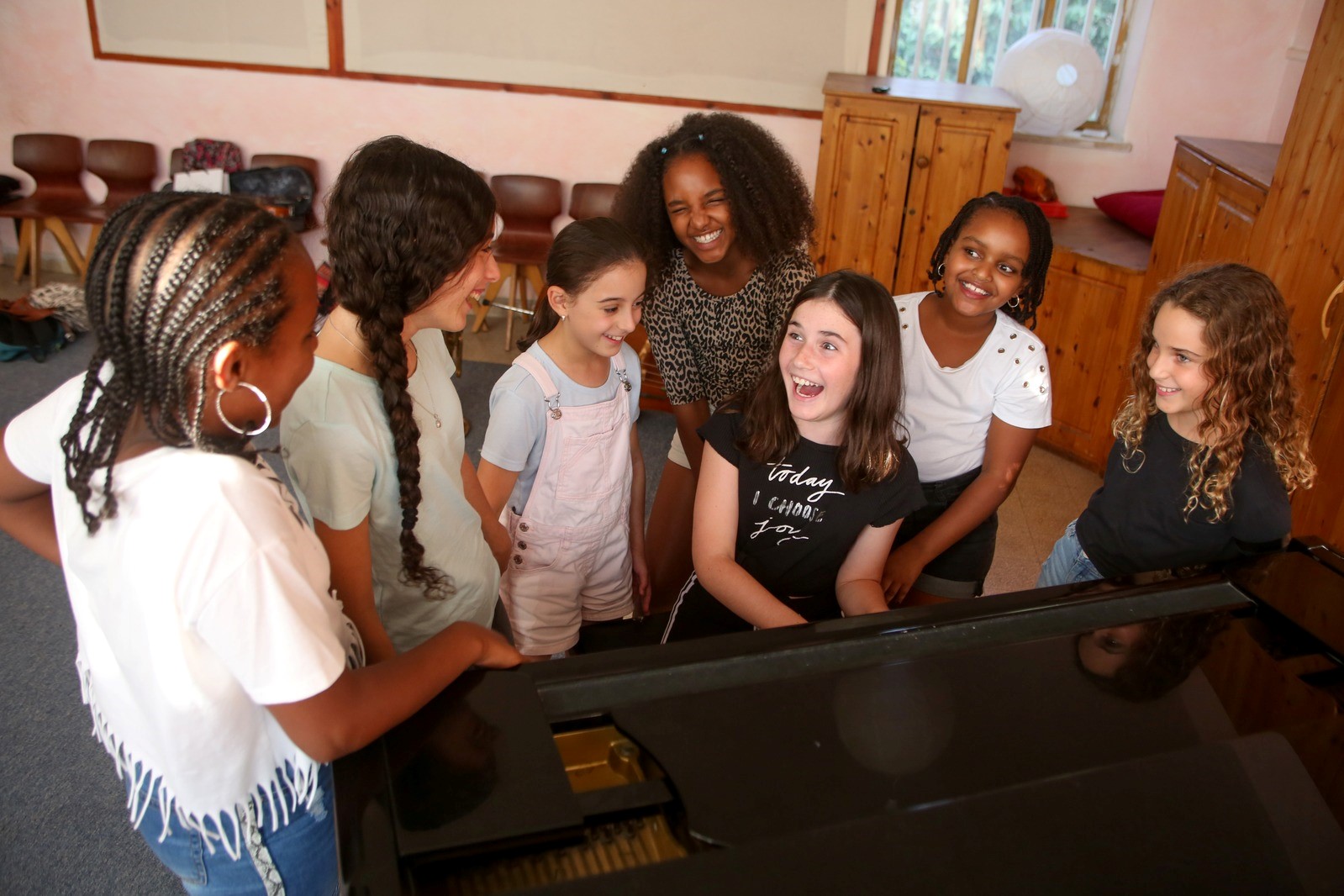
For more than fifty years, the Jerusalem Conservatory Hassadna has nurtured exceptional musical talent while ensuring that children from every background have the opportunity to discover the transformative power of music. By creating a permanent, purpose-built home for the conservatory, the Jerusalem Foundation is investing not only in artistic excellence, but in a cultural institution that will inspire creativity and enrich Jerusalem’s cultural life for generations to come.

cultivating artistic talent

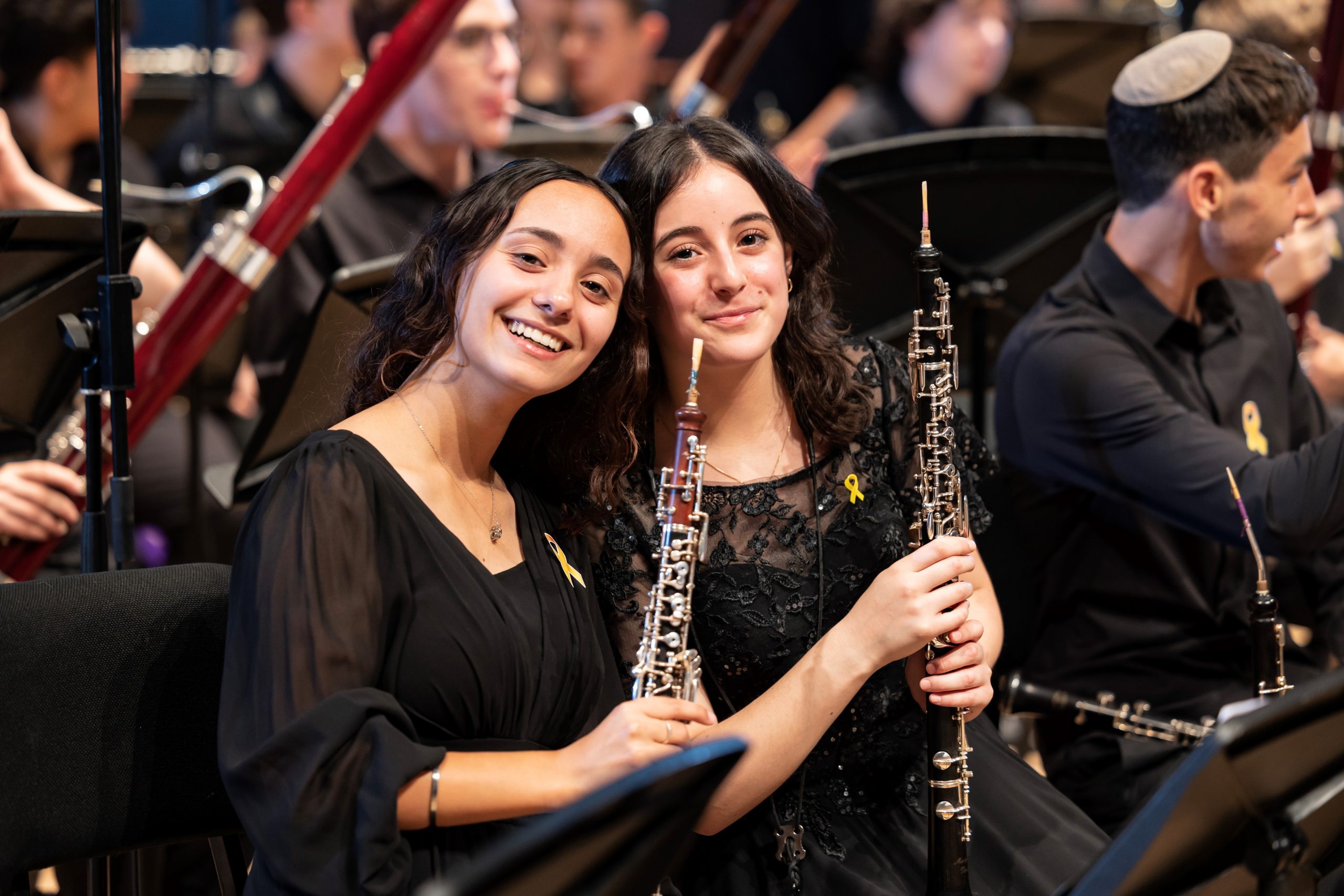
Home to some of Jerusalem’s most promising young musicians, the Jerusalem Conservatory Hassadna nurtures talent across piano, violin, cello, voice, wind and percussion, offering children and adolescents the discipline and imagination that musical study demands. Here, students do more than learn technique. They develop an ear, a presence, and a sense of possibility. Yet this work unfolds in conditions that fall short of the conservatory’s ambition. Housed after school hours in an elementary school, faculty and students must continually rearrange instruments and equipment, adapting classrooms never designed for sustained, high-level musical training. Spaces intended for general education are pressed into service for rigorous artistic practice, limiting what the conservatory can offer those it seeks to cultivate.
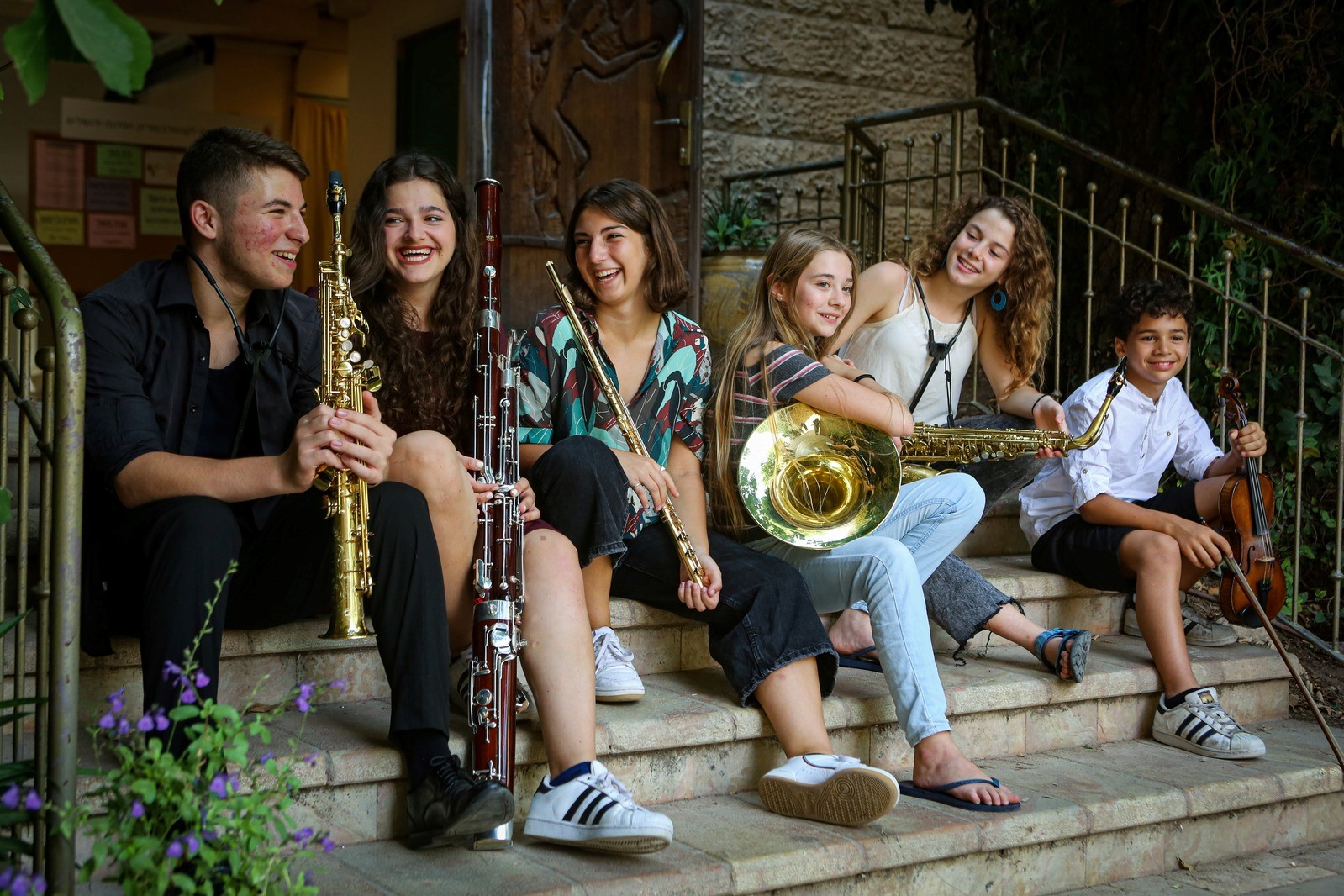
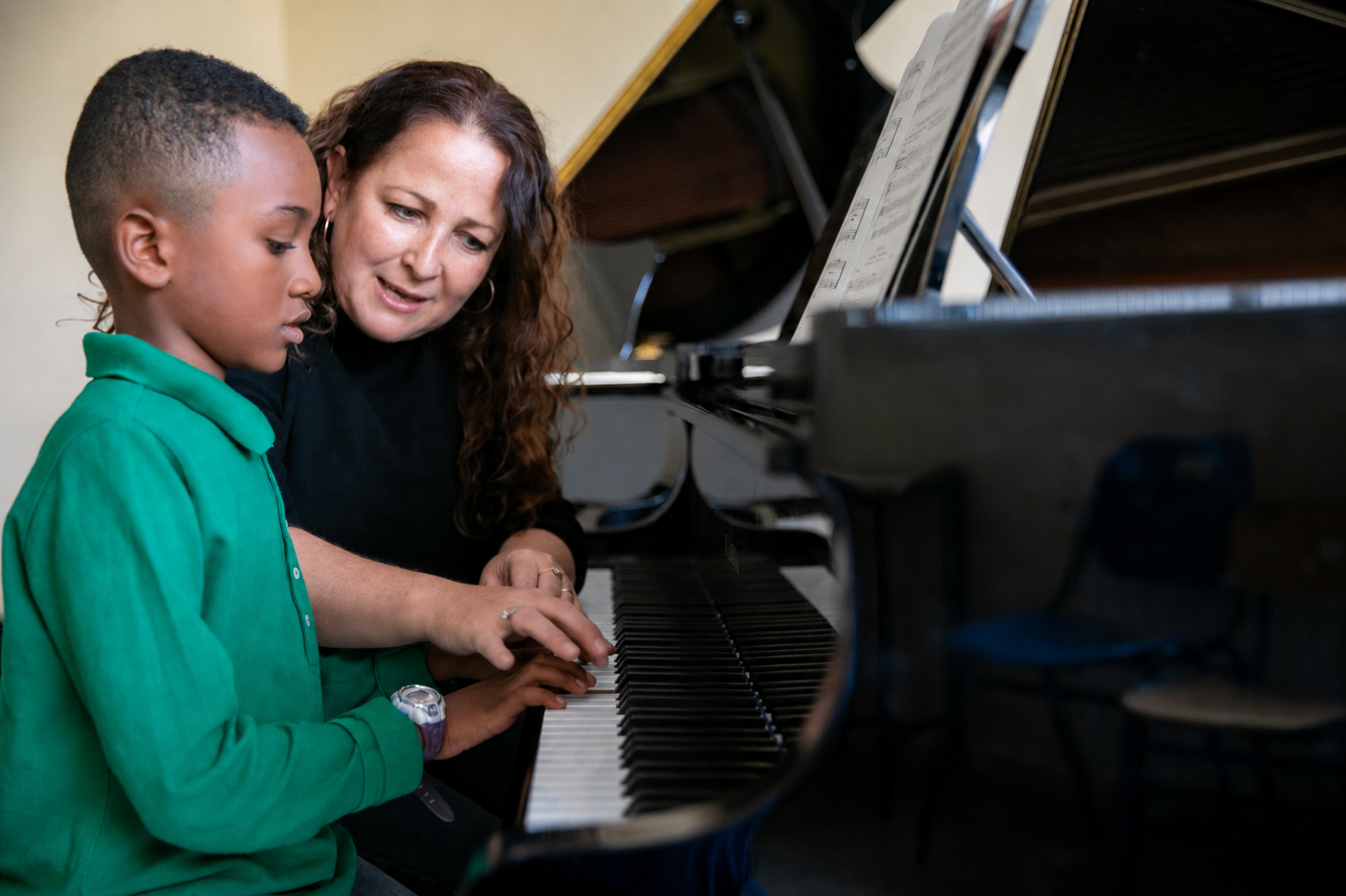
Photos by Elisha Grosberg

It is precisely this gap between vision and reality that the Jerusalem Foundation has set out to address. Currently, the Foundation is building a purpose-built home for the conservatory, set to be completed in 2027. The aim is not simply to improve facilities, but to create an environment where musical excellence can take root and flourish. A dedicated building will allow the conservatory to expand its reach, deepen its programming, and serve as a cultural anchor within the city’s dynamic landscape.

a permanent home

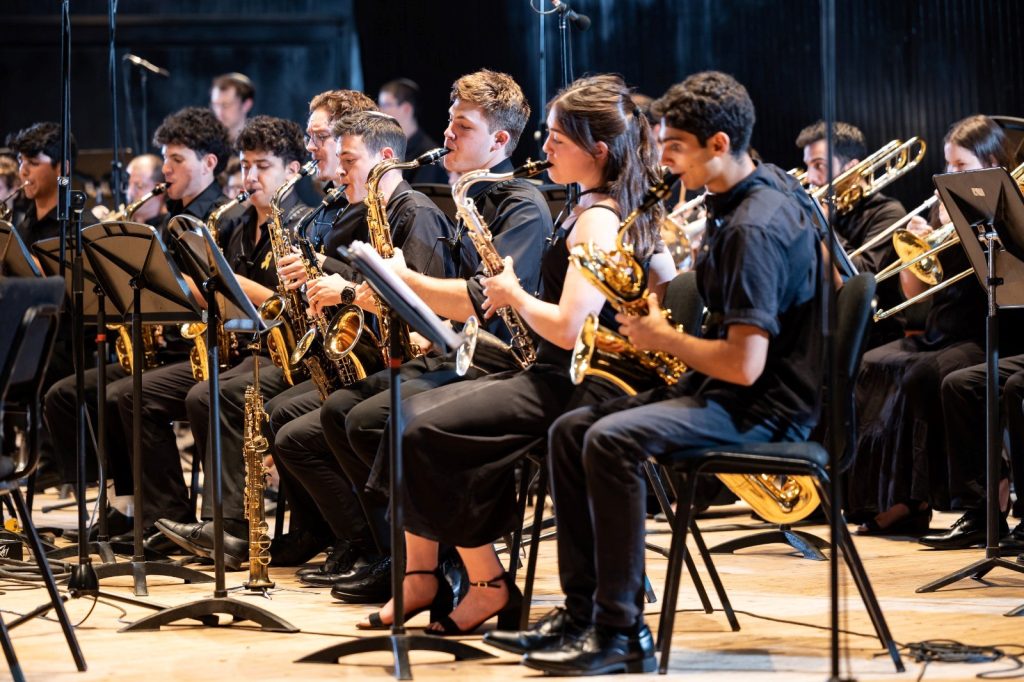
Photo by Elisha Grosberg

Founded in 1973, the conservatory has grown into one of Israel’s leading institutions for music education, serving approximately 650 students between the ages of three and eighteen. Its student body reflects the full social and cultural spectrum of Jerusalem. This diversity, central to the conservatory’s ethos, stems from the understanding that a shared musical language precedes and transcends social boundaries. Alongside its core programs, the conservatory operates dedicated initiatives for children with special needs and provides scholarships and support for Ethiopian-Israeli students, helping ensure that access to musical education is not determined by background or circumstance. Students receive instruction of the highest caliber, and many graduates have gone on to win prestigious competitions, perform internationally, and continue their studies at leading academies worldwide.

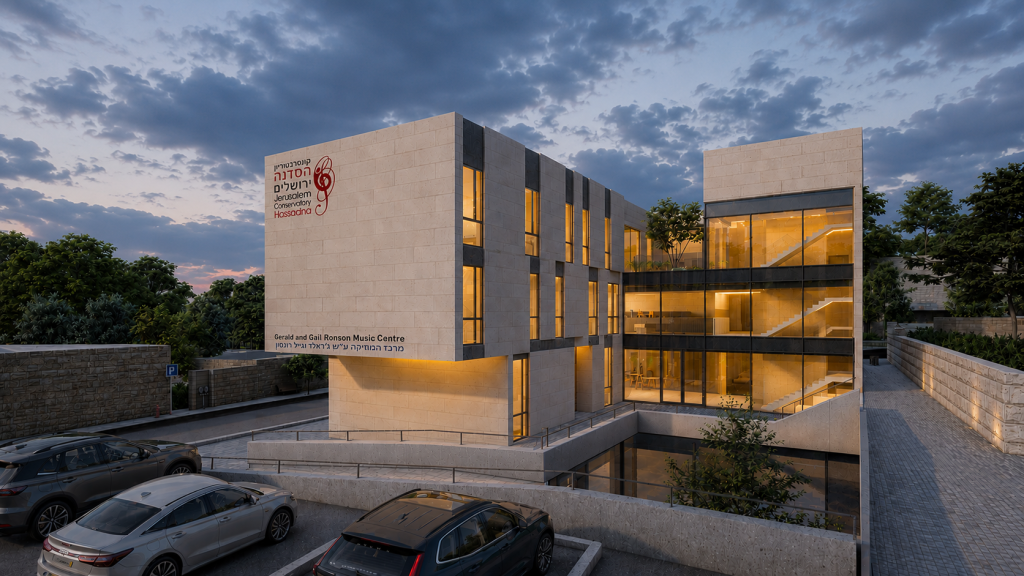
Architectural visualization by Sitton Plus Tannous Architects

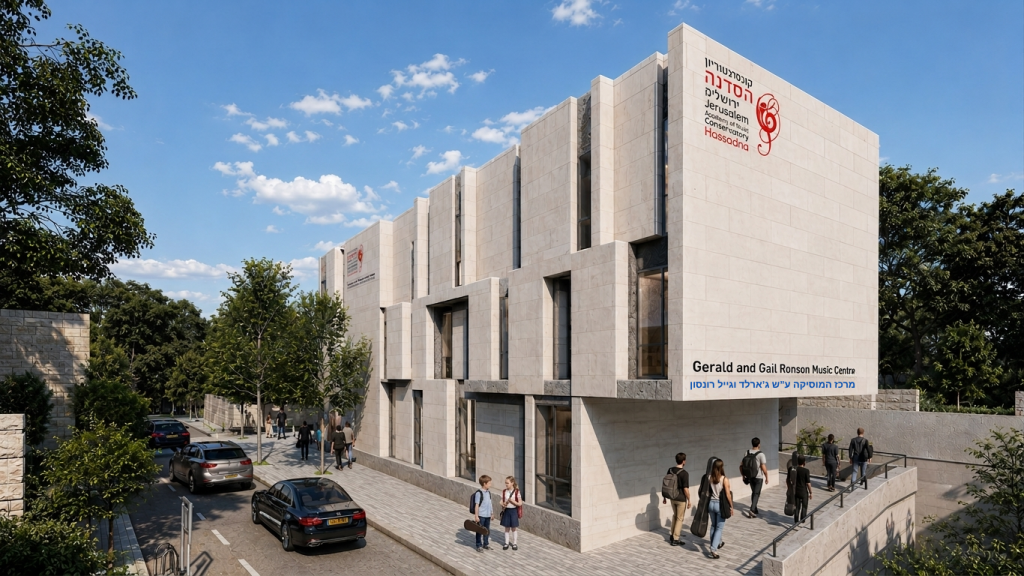
The new building will give physical expression to this vision. Carefully designed practice rooms and ensemble spaces will allow students to work individually and collaboratively without compromise. A music library and listening center will provide access to scores, recordings, and research tools, supporting both study and exploration. Informal areas, including lounges and gardens, will offer space for rest and reflection, recognizing the long hours that musical training requires. Families will be welcomed into thoughtfully designed waiting areas, while faculty will benefit from workspaces that support preparation, collaboration, and mentorship. Every element of the building is intended to align with the rhythms of musical life, creating continuity between learning, practice, and performance.

a state of the art center

Architectural visualization by Sitton Plus Tannous Architects

Situated near its current location in the German Colony, the new conservatory will remain deeply connected to the fabric of Jerusalem while gaining the infrastructure needed to sustain its growth. More than a building, it will serve as a hub where education, creativity, and community intersect. It will enable the conservatory not only to maintain its standards, but to extend its reach to new generations of students who might otherwise remain outside its doors.

the future of music

To invest in such a space is to recognize that cultural life does not emerge in the abstract. It requires rooms where sound can resonate, teachers who can guide, and institutions that can hold both discipline and aspiration. By supporting the creation of a permanent home for the Jerusalem Conservatory Hassadna, the Jerusalem Foundation is investing in a future for the city that is composed, practiced, and performed by those who will carry its cultural voice forward.

Photo by Yael Ilan
Previous
Next