At the Hattie Friedland School for the Deaf, communication opens a world of possibility. Within a shared learning environment that brings together Jewish, Muslim, and Christian students, deaf and hard-of-hearing young people discover new ways to express themselves, connect with others, and imagine their futures. Through specialized education and therapeutic support, the school transforms barriers into pathways toward confidence, independence, and fuller participation in the world.

a chance to thrive

Deafness can often be associated with barriers to communication, difficulty navigating a world designed for hearing people, and the risk of social isolation. For deaf and hard-of-hearing children these challenges can begin early, affecting language acquisition, education, and confidence in everyday interactions. Yet deafness does not define a child’s potential. This belief stood at the heart of Marjorie Cowan’s vision when she founded the Hattie Friedland School for the Deaf in Jerusalem in memory of her mother. One of the first schools of its kind in the city to welcome both Jewish and Arab students, the school was established on the belief that deaf and hard-of-hearing children deserve not only specialized support, but the opportunity to grow, learn, and thrive within a nurturing and inclusive environment. Today, it continues to equip students with the skills, language, and self-assurance needed to move confidently through the wider world.
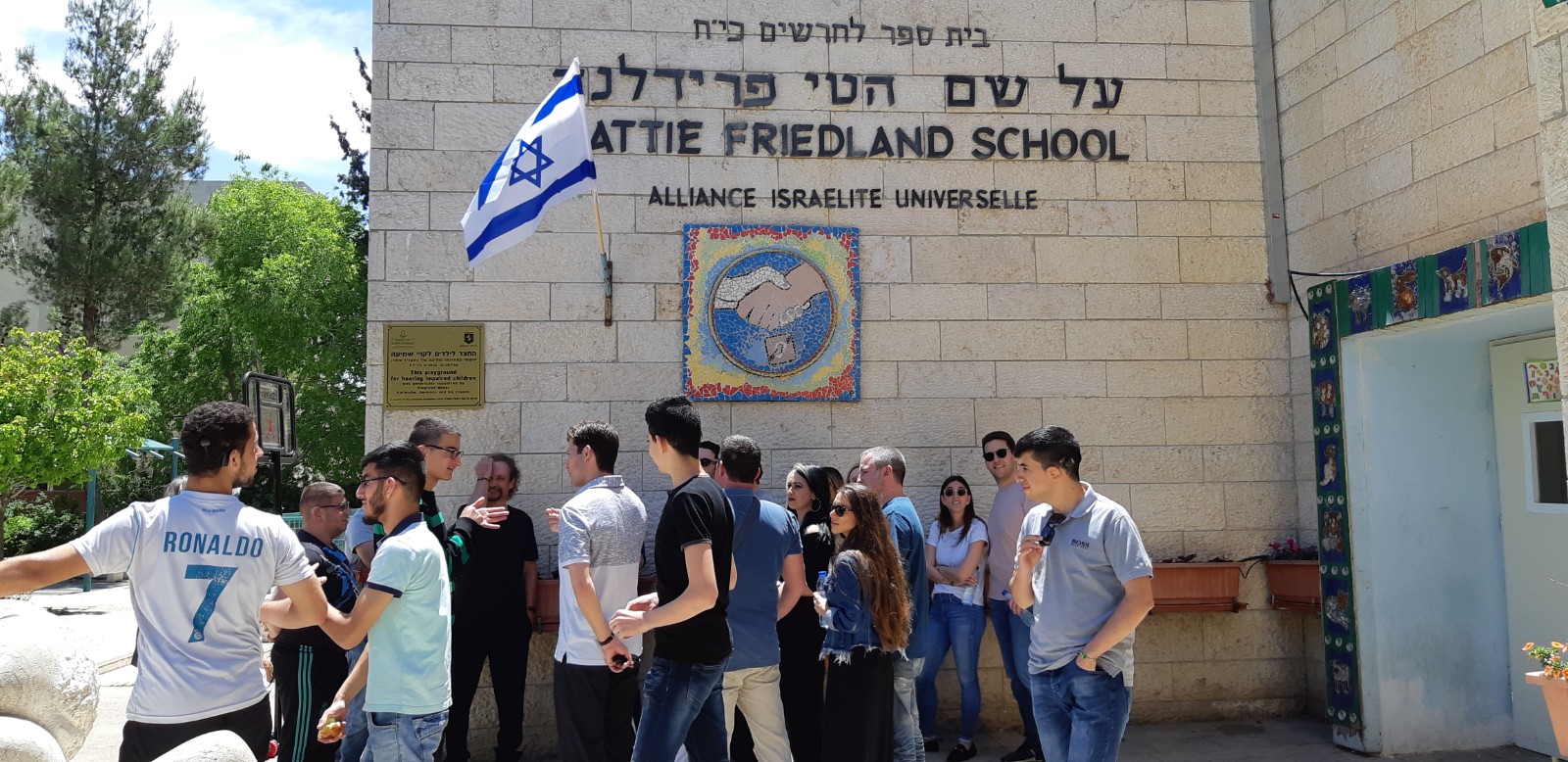
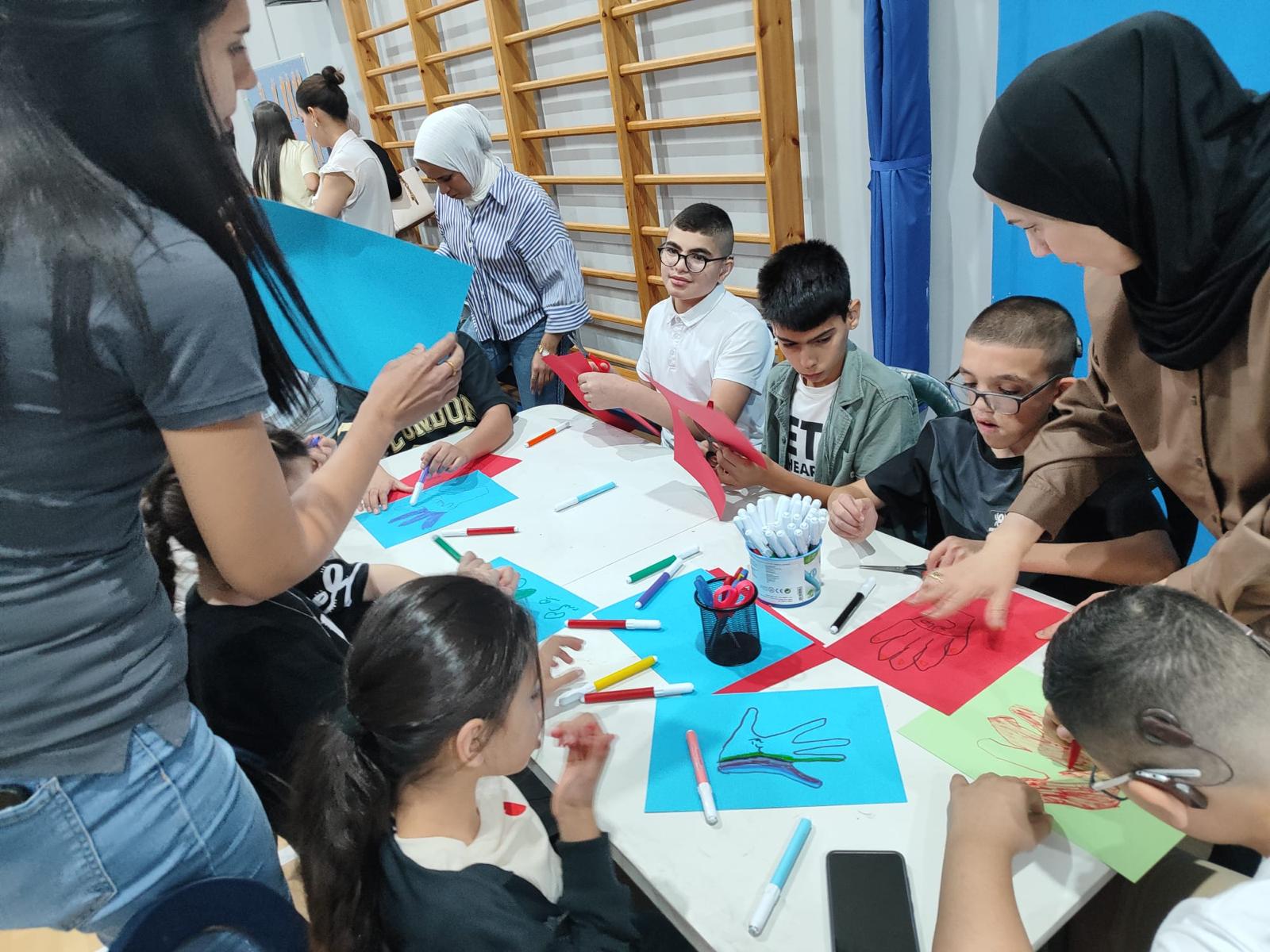
Photo courtesy of the Hattie Friedland School for the Deaf

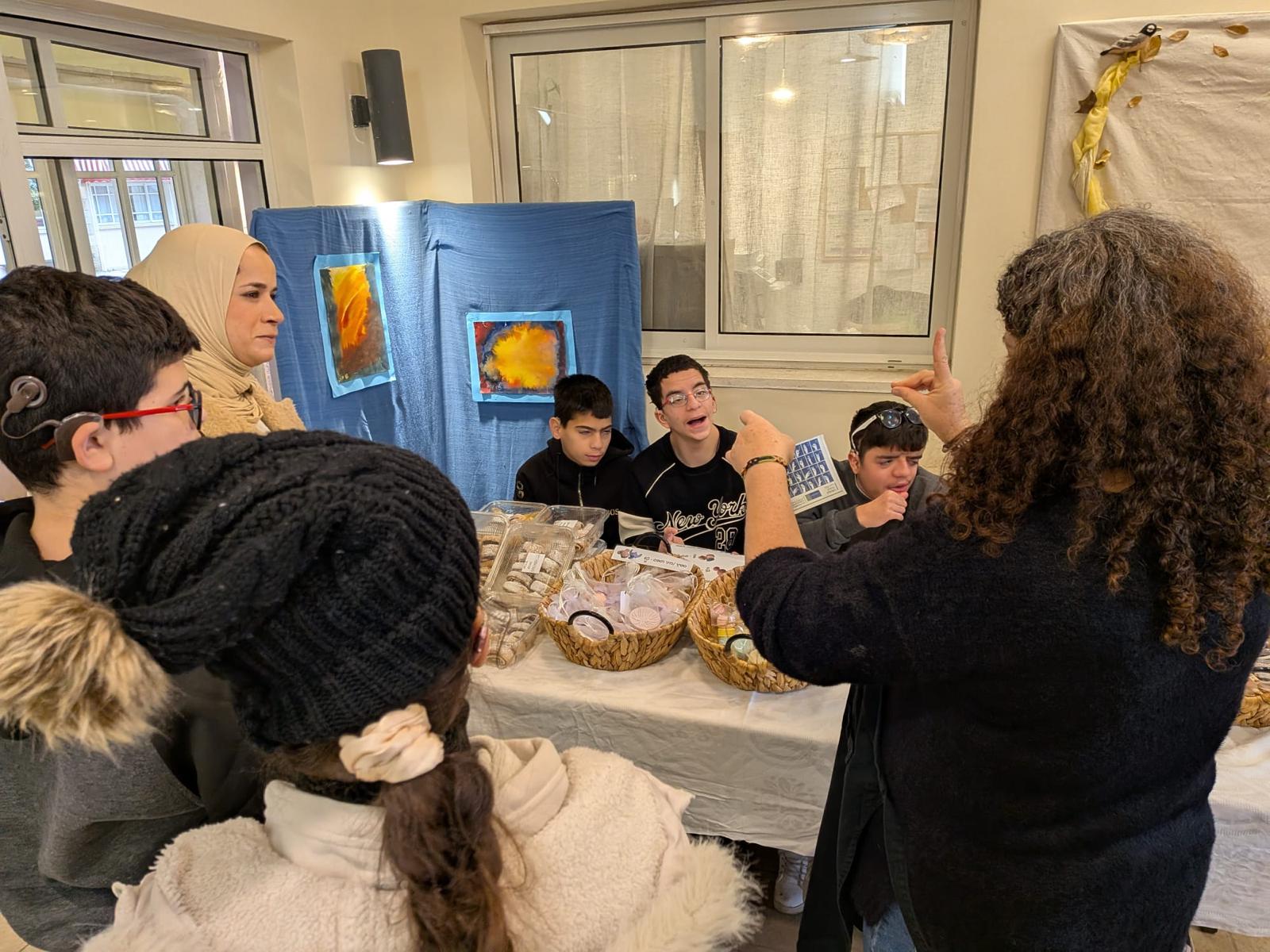
The school operates under the auspices of the Alliance – Kol Israel Haverim, established to provide specialized education for children with hearing impairments, with ongoing annual support from the Irving & Marjorie Cowan Family Foundation. The school ensures that deaf and hard-of-hearing students receive a full elementary and high school education alongside the therapeutic and communication support they require. Today the school serves approximately ninety students ages 6 through 21. Many of the children face additional challenges, including developmental disorders, autism spectrum conditions, or cerebral palsy, and nearly all come from families with limited financial means. To address these needs, the school maintains an exceptionally supportive learning environment, with a student-to-staff ratio that approaches one to one. Teachers work alongside classroom aides, speech therapists, occupational therapists, and other specialists to ensure that each student receives individualized attention. Academic learning is closely integrated with language development and therapeutic support, helping students build communication skills while progressing through a full curriculum adapted to their abilities.

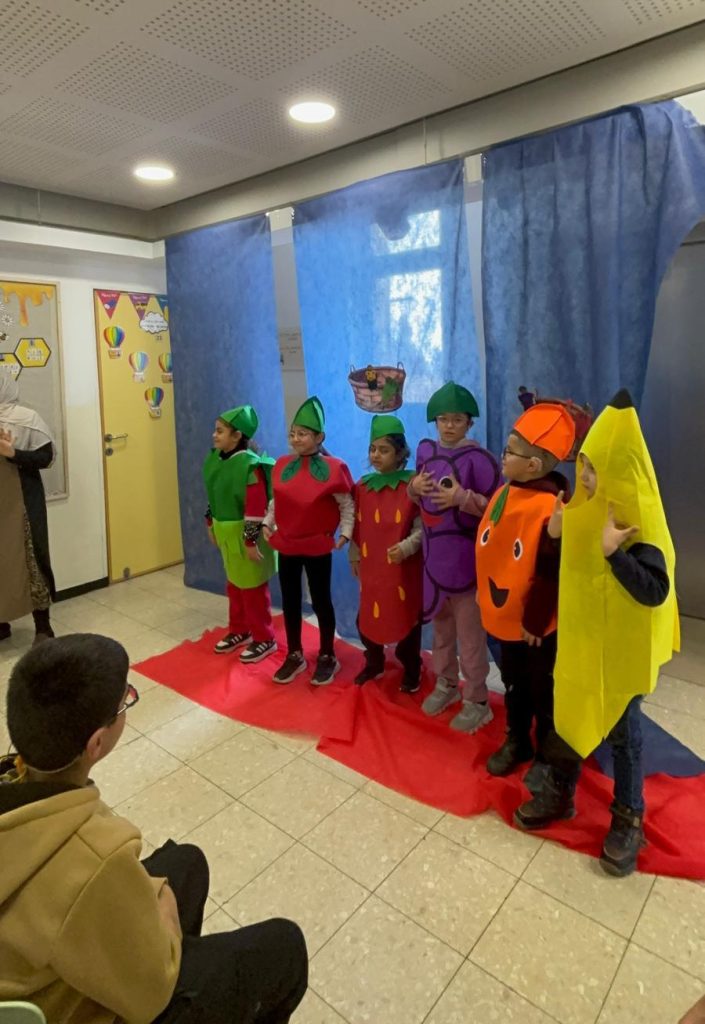
One of the most distinctive aspects of the school is the community that forms within its classrooms. Students come from Jewish, Muslim, and Christian families and speak different native languages at home. Yet within the school these differences recede. What unites the students is their shared experience of deafness and the visual and tactile forms of communication through which they connect with one another. In this environment, barriers of language, religion, and culture give way to a shared reality that allows children to learn, play, and grow together. The result is a rare educational space in which diversity is not simply accommodated but naturally integrated through a common mode of communication and understanding.

Photo courtesy of the Hattie Friedland School for the Deaf

breaking down barriers

an investment in wellbeing

The Jerusalem Foundation has played an important role in supporting the school’s development over many years. Its early assistance enabled the purchase of essential equipment for classrooms and therapy spaces. Beginning in 1990 the Foundation expanded its involvement, helping to upgrade facilities, improve educational resources, and support enrichment programs. Among these initiatives was the hiring of an Arabic-speaking speech therapist who could work closely with Arab students and their families. The Foundation also supported extracurricular activities such as swimming, judo, and educational outings that broaden students’ experiences beyond the classroom. In 1993 it funded the installation of a playground for the school, later renovated in 2005, creating a safe and accessible space where students can interact, play, and develop social confidence.

Photo courtesy of the Hattie Friedland School for the Deaf

a foundation for life

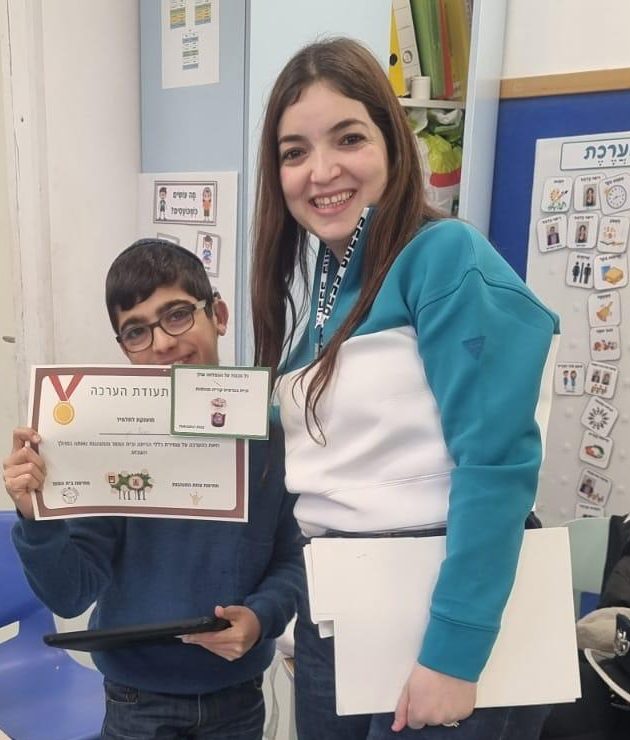
Through its specialized educational framework, therapeutic support, and inclusive community, the Hattie Friedland School for the Deaf offers far more than academic instruction. It provides children with the tools to communicate, to build confidence in themselves, and to navigate the wider world with independence. By the time students leave the school, they carry with them not only an education but a foundation for life. Equipped with language, skills, and self-assurance, graduates are prepared to continue their studies, pursue meaningful work, and take their place in society as capable and independent individuals.

Photo courtesy of the Hattie Friedland School for the Deaf
Previous
Next
The Bastion of Time: A Journey Through Jerusalem at the Tower of David The Khan Theater 28 Community Centers Mitchell Park and Gardens – Hinnom Valley Jerusalem Music Center Mishkenot Natural History Museum Paley Center Hurva Synagogue Jerusalem Print Workshop Wohl Rose Park Artists’ Studios Merrill Hassenfeld Amphitheater, Sultan’s Pool Beit Tamar – Ilan Byer Home for the Aged Jerusalem Botanical Gardens Ein Yael Living Museum Naggar Musrara School of Photography – Art and Society Walter and Elise Haas Promenade and Richard and Rhoda Goldman Promenade The Sam Spiegel Film and Television School Simon Rothschild Ben-Yehuda School for Special Education Teddy Stadium Bloomfield Science Museum Safra Square Modi’in Scouts Club Museum on the Seam Via Dolorosa Restoration and Accessibility Al Jabsha Elderly Center in Christian Quarter The Max Rayne Hand in Hand School for Jewish-Arab Education Israel Asper Community Action Center in Ramot The Kangaroo Family Center Jerusalem Secular Yeshiva Restoration of Montefiore Windmill to working mill Canada House – Morasha Community HaMiffal Israel Gottesman Aquarium Jerusalem Arts Campus Hassenfeld Family Wadi Joz Youth Center Kayma, the George Pinto Jerusalem Doctoral Fellows Culture Series (Sidratarbut) Misgav LeKashish Elderly Day Center Shanti House Well Baby Centers – Renovations Shai Doron Leadership Fellows Beit Hanina Community Center and Pool
Jerusalem Gardens National Park ringing Old City Walls Harry Wilf Independence Park Mishkenot Sha’ananim Cultural Center and Guesthouse Jerusalem Conservatory Hassadna Liberty Bell Park Jerusalem Cinematheque Train Theater The Hattie Friedland School for the Deaf School of Visual Theater The Jacob & Hilda Blaustein Civic Center Beit Sherman – Beit Buria The Djanogly Visual Arts Centre Tisch Family Zoological Gardens Joseph Meyerhoff Youth Center for Advanced Science Studies Jack, Joseph and Morton Mandel Gazelle Valley Urban Wildlife Park Jerusalem Scholarship Fund for Higher Education Jerusalem Resilience Center – Shaare Nefesh
The Bastion of Time: A Journey Through Jerusalem at the Tower of David 1970 Jerusalem Gardens National Park ringing Old City Walls 1970 The Khan Theater 1972 Harry Wilf Independence Park 1972 28 Community Centers 1972 Mitchell Park and Gardens – Hinnom Valley 1973 Mishkenot Sha’ananim Cultural Center and Guesthouse 1973 Jerusalem Music Center Mishkenot 1973 Jerusalem Conservatory Hassadna 1973 Natural History Museum 1976 Paley Center 1977 Hurva Synagogue 1978 Liberty Bell Park 1978 Jerusalem Print Workshop 1978 Wohl Rose Park 1981 Jerusalem Cinematheque 1981 Artists’ Studios 1981 Train Theater 1981 Merrill Hassenfeld Amphitheater, Sultan’s Pool 1981 The Hattie Friedland School for the Deaf 1981 Beit Tamar – Ilan 1982 Byer Home for the Aged 1983 Jerusalem Botanical Gardens 1985 Ein Yael Living Museum 1986 School of Visual Theater 1986 Naggar Musrara School of Photography – Art and Society 1986 Walter and Elise Haas Promenade and Richard and Rhoda Goldman Promenade 1987 The Jacob & Hilda Blaustein Civic Center 1987 The Sam Spiegel Film and Television School 1989 Beit Sherman – Beit Buria 1989 Simon Rothschild Ben-Yehuda School for Special Education 1990 Teddy Stadium 1991 The Djanogly Visual Arts Centre 1991 Bloomfield Science Museum 1992 Safra Square 1993 Tisch Family Zoological Gardens 1993 Modi’in Scouts Club 1997 Museum on the Seam 1999 Via Dolorosa Restoration and Accessibility 2000 Joseph Meyerhoff Youth Center for Advanced Science Studies 2000 Al Jabsha Elderly Center in Christian Quarter 2000 The Max Rayne Hand in Hand School for Jewish-Arab Education 2007 Israel Asper Community Action Center in Ramot 2008 The Kangaroo Family Center 2010 Jerusalem Secular Yeshiva 2011 Restoration of Montefiore Windmill to working mill 2012 Canada House – Morasha Community 2013 HaMiffal 2015 Jack, Joseph and Morton Mandel Gazelle Valley Urban Wildlife Park 2015 Israel Gottesman Aquarium 2017 Jerusalem Scholarship Fund for Higher Education 2017 Jerusalem Arts Campus 2018 Hassenfeld Family Wadi Joz Youth Center 2019 Kayma, the George Pinto Jerusalem Doctoral Fellows 2020 Culture Series (Sidratarbut) 2021 Misgav LeKashish Elderly Day Center 2023 Shanti House 2024 Jerusalem Resilience Center – Shaare Nefesh 2024 Well Baby Centers – Renovations 2024 Shai Doron Leadership Fellows 2025 Beit Hanina Community Center and Pool 2026