From the symphonies of Mozart and Beethoven to the operatic brilliance of Verdi and the expressive works of Chopin, Europe is home to a rich heritage of composers, performers, and musical institutions that shaped the history of classical music. Israel, by contrast, is a relatively young country. Its cultural life has grown with remarkable energy, yet it does not rest upon the same centuries-old musical infrastructure found in Europe’s great capitals. It was precisely this reality that inspired one of the most important musical initiatives in Jerusalem.

a center for music

In 1973 the renowned violinist Isaac Stern joined forces with Jerusalem’s legendary mayor Teddy Kollek to establish the Jerusalem Music Centre. Stern, who believed deeply in the power of music education, envisioned a place where young Israeli musicians could cultivate their talents while remaining connected to the broader world of international classical music. Kollek, whose vision for Jerusalem included the development of vibrant cultural institutions, recognized that such a center could help nurture a new generation of artists while strengthening the city’s artistic life. Together they created an institution dedicated not only to musical excellence but also to opportunity, mentorship, and cultural exchange.

Photo courtesy of the Jerusalem Music Center

The original facility included rehearsal and recording spaces that allowed young musicians to work intensively on their craft. Stern also led an early initiative to document the wisdom of some of the twentieth century’s most celebrated performers. Visiting artists such as Pablo Casals, Alexander Schneider, Leonard Rose, Eugene Istomin, and Arthur Rubinstein were filmed in conversation and performance, creating a valuable archive that continues to inspire students today.

Photo courtesy of the Jerusalem Music Center

a celebration of musical greatness

Over time the centre expanded both its physical spaces and its educational mission. With support from the Jerusalem Foundation, renovations and the purchase of equipment allowed the addition of new studios that strengthened the centre’s capacity to host teaching, rehearsals, and performances. One of these studios has become the home of the internationally acclaimed Jerusalem Quartet, further linking the institution to the highest levels of professional music making.

promising young musicians

Photo by Yael Ilan

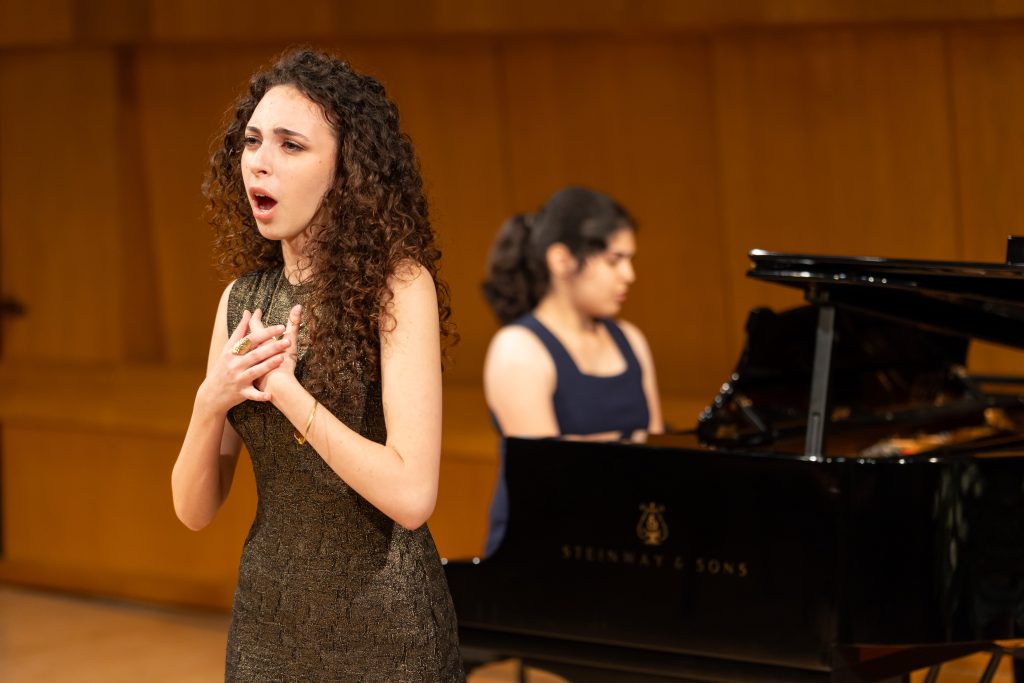
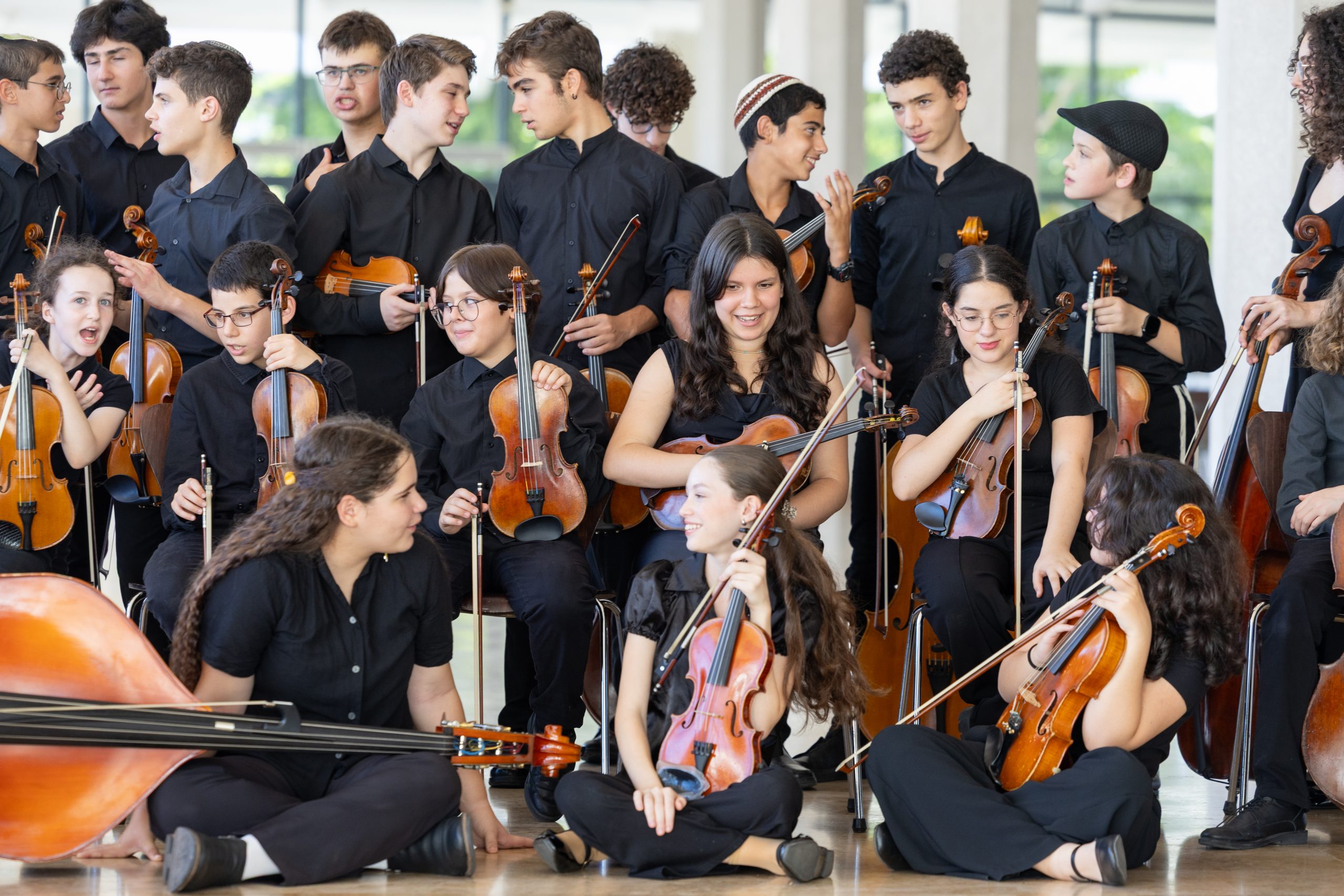
Today the Jerusalem Music Centre serves as a hub for gifted young musicians from across Israel. Through master classes, workshops, competitions, and concert series, students are given the opportunity to develop their skills under the guidance of distinguished teachers and visiting artists. Programs reach a wide range of participants, from promising children taking their first steps in serious musical training to advanced students preparing for professional careers. The centre’s educational activities emphasize both technical mastery and artistic expression, encouraging young performers to explore the emotional and intellectual depth that music demands.

Photo courtesy of the Jerusalem Music Centre

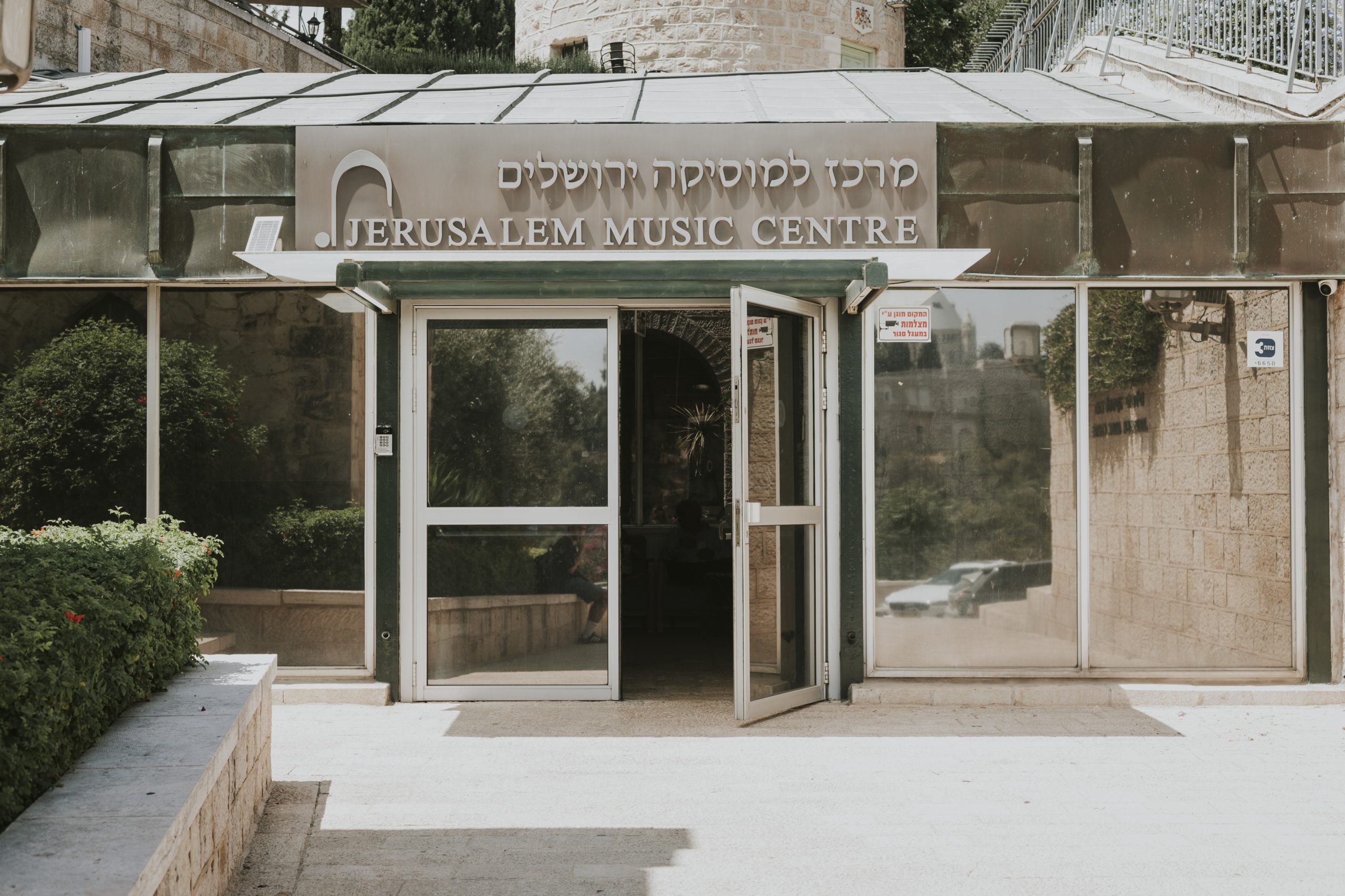
The institution also plays an important role within the wider cultural landscape of Jerusalem. The centre forms part of the Mishkenot Sha’ananim complex, a cluster of Jerusalem Foundation-supported initiatives devoted to artistic and intellectual life. Alongside the Mishkenot Sha’ananim Cultural Center and Guest House, the Konrad Adenauer Conference Center, and Djanogly Hall, the Jerusalem Music Centre contributes to a unique environment where musicians, writers, scholars, and artists from many disciplines gather and exchange ideas. At the entrance to the centre visitors pass through the Leslie Paisner Memorial Garden, created in memory of the founder of the Jerusalem Foundation – UK.
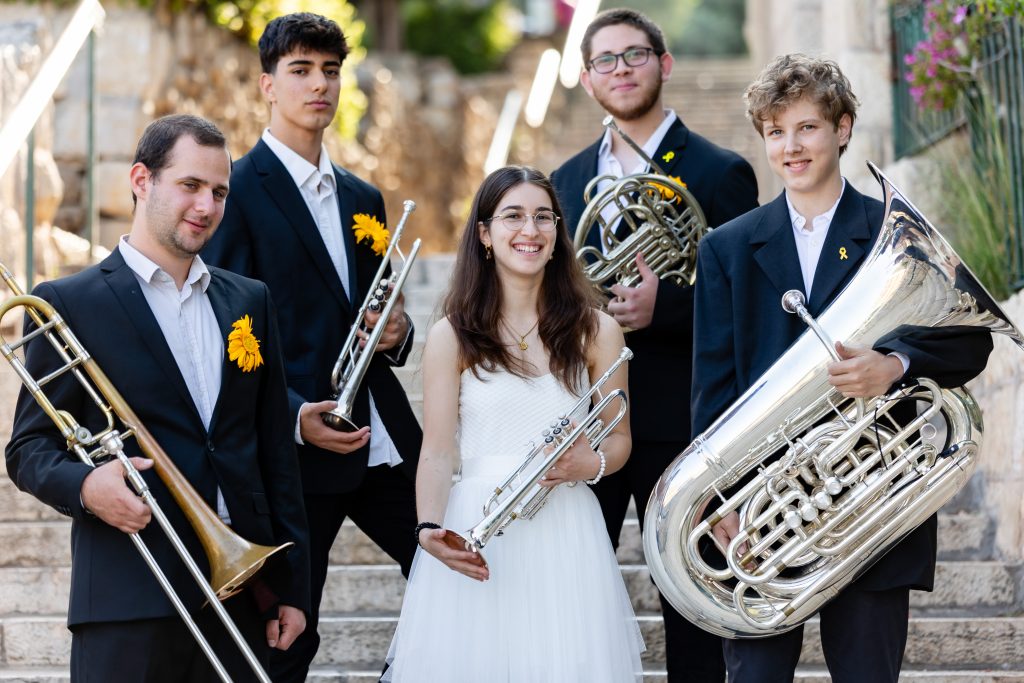
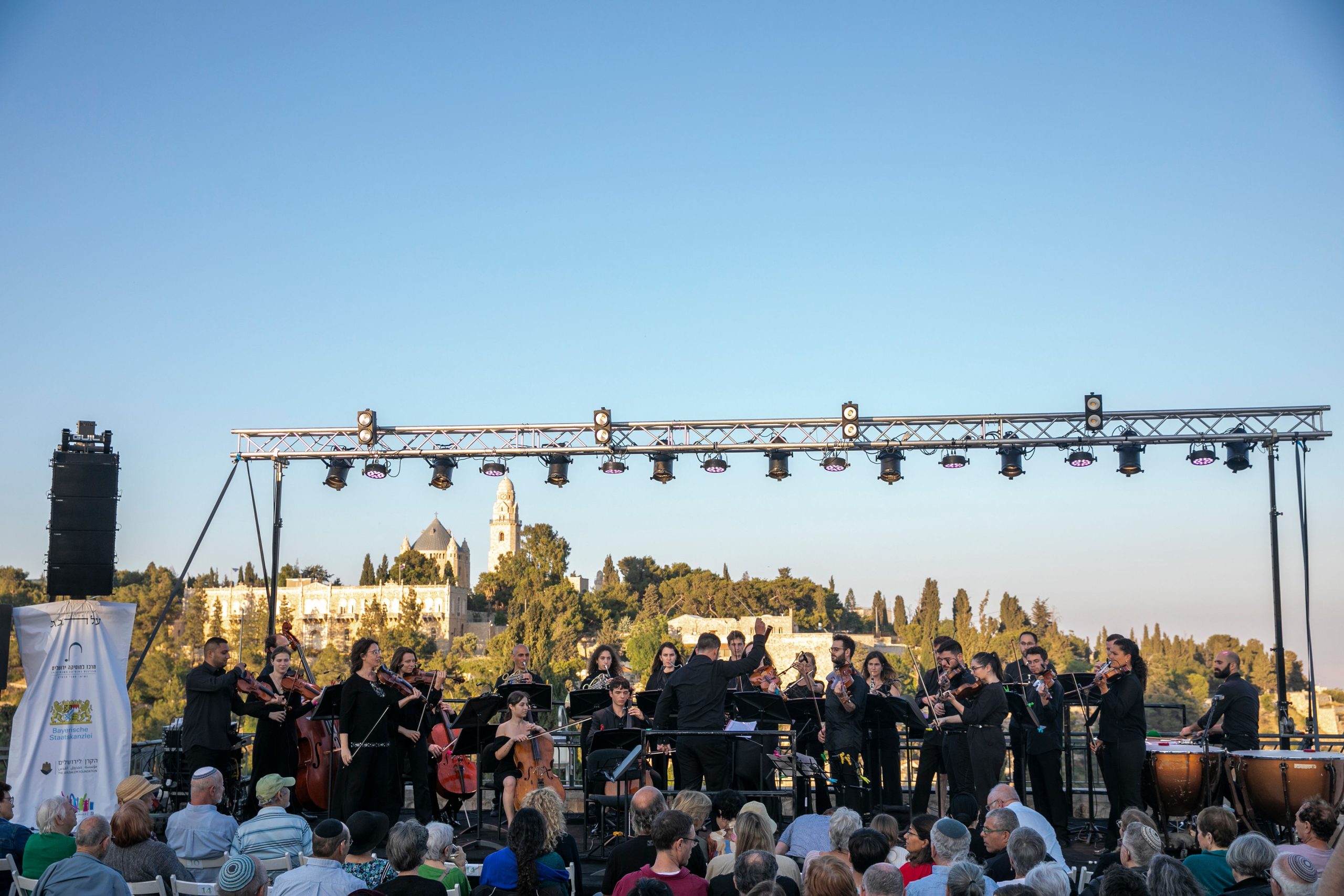
Within this setting the sounds of rehearsals, lessons, and performances drift out toward the hills of Jerusalem. The young musicians who pass through the centre’s halls do more than perfect scales or prepare concerts. They carry forward a living musical tradition, bringing new interpretations and new voices into the cultural life of the city. In doing so they ensure that Jerusalem’s musical life continues to grow, shaping the artistic landscape of the city for generations to come.

a living musical tradition

Previous
Next