Cinema arrived in Jerusalem not long after the invention of film itself. By the early twentieth century the city had already begun to develop a lively moviegoing culture. Cinemas opened across Jerusalem’s neighborhoods, from grand theaters along central streets to smaller local halls, drawing audiences eager to experience the new art form that was captivating cities around the world. Over the decades, film became a familiar part of Jerusalem’s cultural landscape. Residents gathered in darkened theaters to watch stories unfold on screen, and the city developed a lasting relationship with cinema that would eventually find one of its most significant expressions in the Jerusalem Cinematheque.

paragraph title

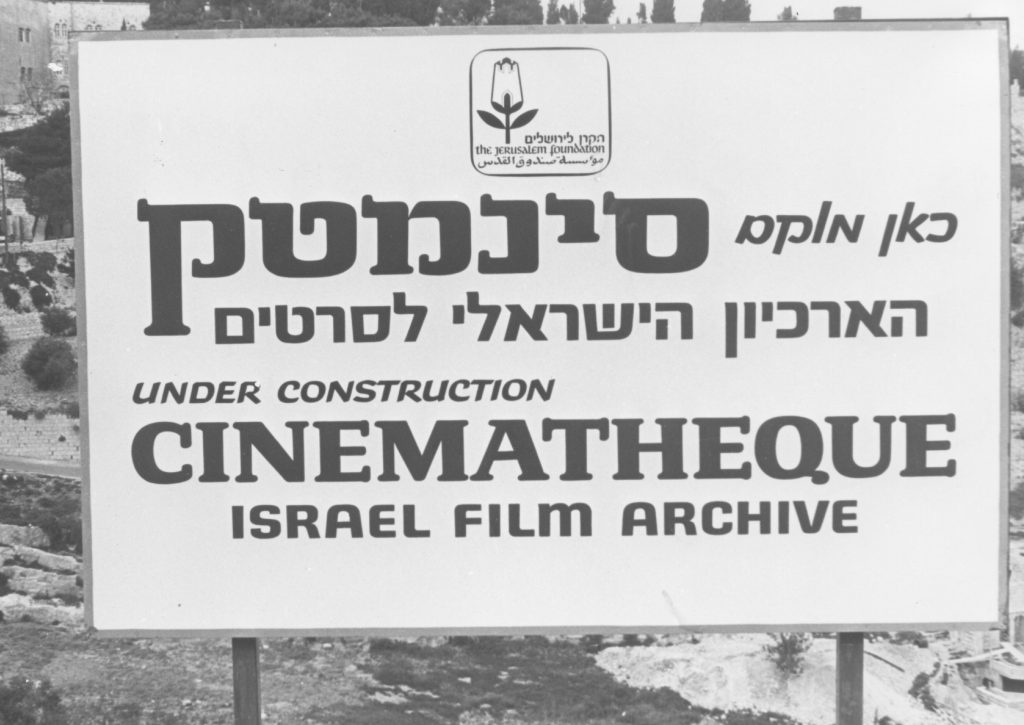
Among those deeply devoted to the art of film were Lia and Wim Van Leer, passionate cinema lovers and collectors who had amassed an impressive private film archive. Long before the establishment of a formal institution, the couple shared their collection through informal screenings, cultivating a small but dedicated community of film enthusiasts. When they considered settling in Jerusalem, their friend George Ostrovsky encouraged them to think beyond private screenings and imagine something larger. Ostrovsky believed that a city with Jerusalem’s cultural and historical depth deserved a comprehensive center devoted to film. With his encouragement, the Van Leers began developing the idea of establishing a cinematheque in the capital of Israel.

PARAGRAPH TITLE

Photo courtesy of the Jerusalem Foundation archives

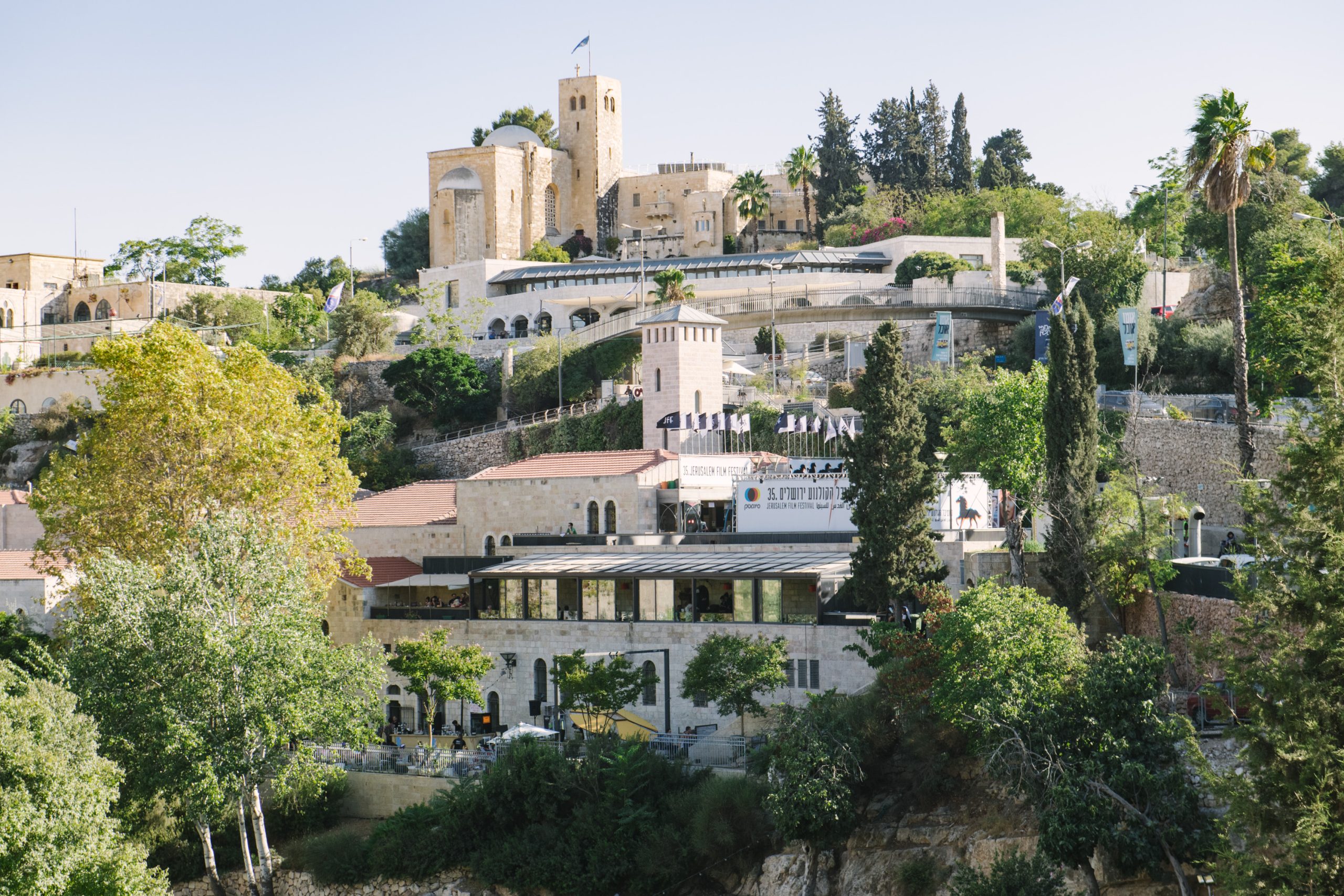
The Jerusalem Cinematheque opened in 1981 with the support of George Ostrovsky, the Van Leer Foundation, the Jerusalem Foundation, and Jerusalem’s longtime mayor Teddy Kollek, who championed cultural initiatives throughout the city. Its location was chosen with particular care. The building sits on the slopes of the Valley of Hinnom, directly beneath the walls of the Old City, overlooking one of Jerusalem’s most striking landscapes. At the time, the site was largely neglected and underused. The establishment of the Cinematheque introduced new life to the area, transforming it into a vibrant cultural destination set against the dramatic backdrop of the ancient walls.

Photo courtesy of the Jerusalem Cinemateque

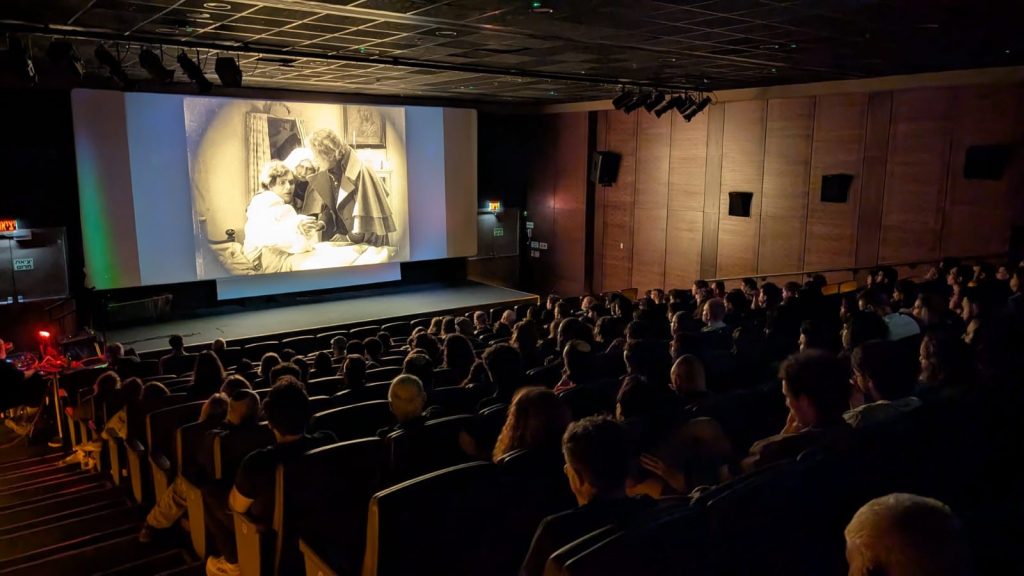
From the beginning, the Cinematheque was designed as far more than a movie theater. It was conceived as a comprehensive center for film culture, dedicated to preserving cinematic heritage while encouraging contemporary creation and discussion. Its screening halls present a diverse program that includes Israeli productions, international films, film classics, and thematic series that explore different eras and movements in cinema. The institution also maintains the Israel Film Archive, the country’s central repository for film, preserving thousands of works that safeguard Israel’s audiovisual heritage and trace the history of cinema in the region.

Photo courtesy of the Jerusalem Foundation arvhies

paragraph title

PARAGRAPH TITLE

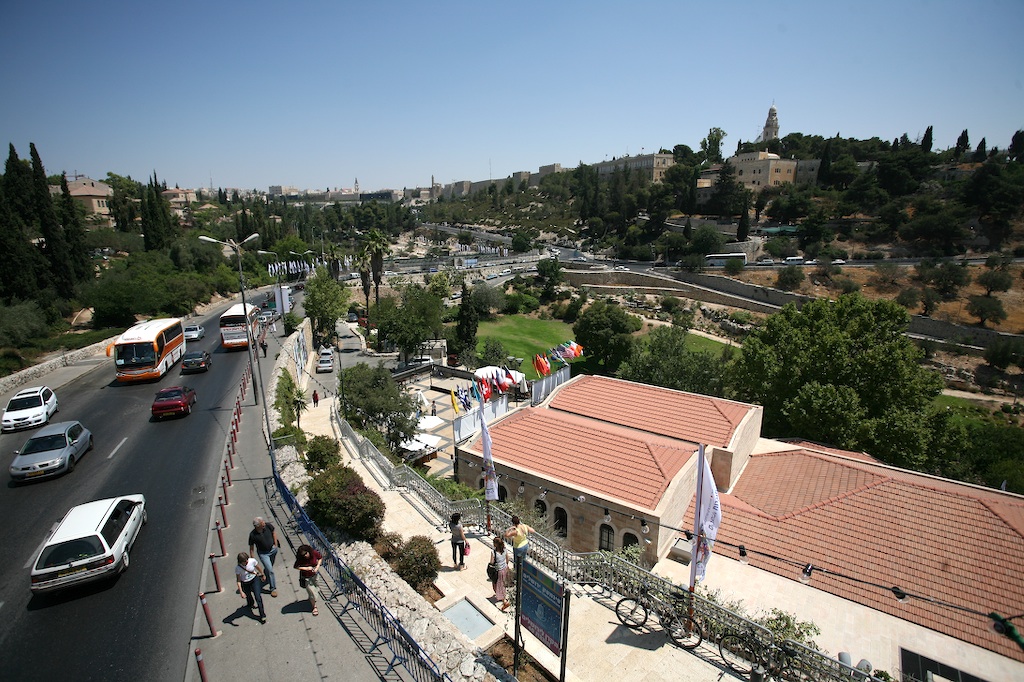
One of the Cinematheque’s most prominent contributions to Jerusalem’s cultural life is the Jerusalem International Film Festival. Held annually since the early 1980s, the festival brings filmmakers, actors, critics, and audiences from around the world to the city. For several days each summer, Jerusalem becomes a meeting point for global cinema, with premieres, discussions, and screenings unfolding against the backdrop of the Old City walls. Throughout the year the Cinematheque also hosts additional festivals, educational programs, and research initiatives, including projects devoted to the study and preservation of Holocaust-related film and visual documentation.
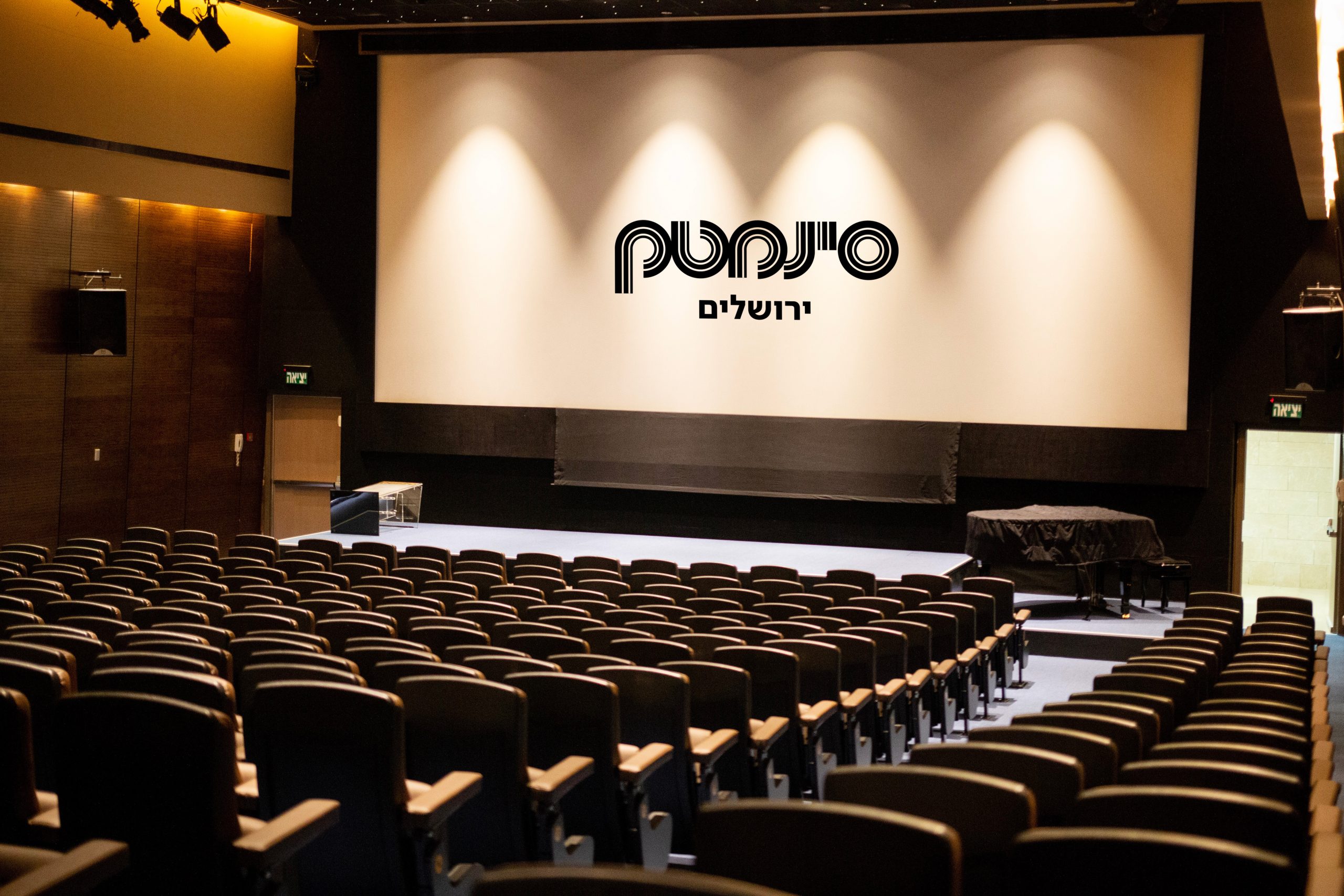
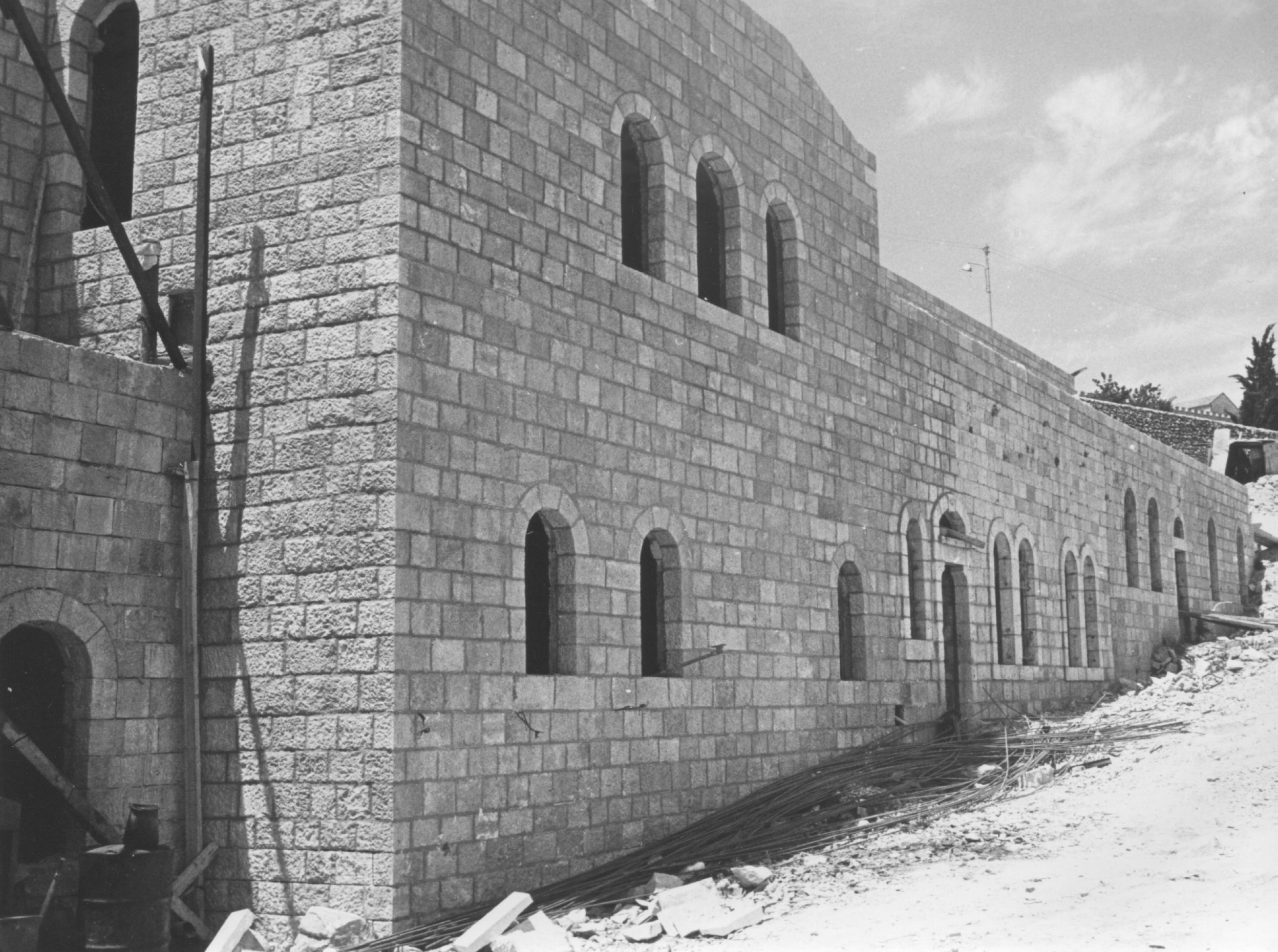
Photo courtesy of the Jerusalem Cinemateque

PARAGRAPH TITLE

Today the Jerusalem Cinematheque stands as one of the city’s central cultural institutions. For a few hours at a time, it allows its audiences to step into other worlds. In a city layered with memory, faith, and history, it offers another form of encounter; the quiet, shared experience of cinema. More than a place to watch films, it stands as a local landmark and a testament to the enduring power of the moving image, in a setting that is unmistakably Jerusalem.

Photo courtesy of the Jerusalem Cinemateque
Previous
Next
The Bastion of Time: A Journey Through Jerusalem at the Tower of David The Khan Theater 28 Community Centers Mitchell Park and Gardens – Hinnom Valley Jerusalem Music Center Mishkenot Natural History Museum Paley Center Hurva Synagogue Jerusalem Print Workshop Wohl Rose Park Artists’ Studios Merrill Hassenfeld Amphitheater, Sultan’s Pool Beit Tamar – Ilan Byer Home for the Aged Jerusalem Botanical Gardens Ein Yael Living Museum Naggar Musrara School of Photography – Art and Society Walter and Elise Haas Promenade and Richard and Rhoda Goldman Promenade The Sam Spiegel Film and Television School Simon Rothschild Ben-Yehuda School for Special Education Teddy Stadium Bloomfield Science Museum Safra Square Modi’in Scouts Club Museum on the Seam Via Dolorosa Restoration and Accessibility Al Jabsha Elderly Center in Christian Quarter The Max Rayne Hand in Hand School for Jewish-Arab Education Israel Asper Community Action Center in Ramot The Kangaroo Family Center Jerusalem Secular Yeshiva Restoration of Montefiore Windmill to working mill Canada House – Morasha Community HaMiffal Israel Gottesman Aquarium Jerusalem Arts Campus Hassenfeld Family Wadi Joz Youth Center Kayma, the George Pinto Jerusalem Doctoral Fellows Culture Series (Sidratarbut) Misgav LeKashish Elderly Day Center Shanti House Well Baby Centers – Renovations Shai Doron Leadership Fellows Beit Hanina Community Center and Pool
Jerusalem Gardens National Park ringing Old City Walls Harry Wilf Independence Park Mishkenot Sha’ananim Cultural Center and Guesthouse Jerusalem Conservatory Hassadna Liberty Bell Park Jerusalem Cinematheque Train Theater The Hattie Friedland School for the Deaf School of Visual Theater The Jacob & Hilda Blaustein Civic Center Beit Sherman – Beit Buria The Djanogly Visual Arts Centre Tisch Family Zoological Gardens Joseph Meyerhoff Youth Center for Advanced Science Studies Jack, Joseph and Morton Mandel Gazelle Valley Urban Wildlife Park Jerusalem Scholarship Fund for Higher Education Jerusalem Resilience Center – Shaare Nefesh
The Bastion of Time: A Journey Through Jerusalem at the Tower of David 1970 Jerusalem Gardens National Park ringing Old City Walls 1970 The Khan Theater 1972 Harry Wilf Independence Park 1972 28 Community Centers 1972 Mitchell Park and Gardens – Hinnom Valley 1973 Mishkenot Sha’ananim Cultural Center and Guesthouse 1973 Jerusalem Music Center Mishkenot 1973 Jerusalem Conservatory Hassadna 1973 Natural History Museum 1976 Paley Center 1977 Hurva Synagogue 1978 Liberty Bell Park 1978 Jerusalem Print Workshop 1978 Wohl Rose Park 1981 Jerusalem Cinematheque 1981 Artists’ Studios 1981 Train Theater 1981 Merrill Hassenfeld Amphitheater, Sultan’s Pool 1981 The Hattie Friedland School for the Deaf 1981 Beit Tamar – Ilan 1982 Byer Home for the Aged 1983 Jerusalem Botanical Gardens 1985 Ein Yael Living Museum 1986 School of Visual Theater 1986 Naggar Musrara School of Photography – Art and Society 1986 Walter and Elise Haas Promenade and Richard and Rhoda Goldman Promenade 1987 The Jacob & Hilda Blaustein Civic Center 1987 The Sam Spiegel Film and Television School 1989 Beit Sherman – Beit Buria 1989 Simon Rothschild Ben-Yehuda School for Special Education 1990 Teddy Stadium 1991 The Djanogly Visual Arts Centre 1991 Bloomfield Science Museum 1992 Safra Square 1993 Tisch Family Zoological Gardens 1993 Modi’in Scouts Club 1997 Museum on the Seam 1999 Via Dolorosa Restoration and Accessibility 2000 Joseph Meyerhoff Youth Center for Advanced Science Studies 2000 Al Jabsha Elderly Center in Christian Quarter 2000 The Max Rayne Hand in Hand School for Jewish-Arab Education 2007 Israel Asper Community Action Center in Ramot 2008 The Kangaroo Family Center 2010 Jerusalem Secular Yeshiva 2011 Restoration of Montefiore Windmill to working mill 2012 Canada House – Morasha Community 2013 HaMiffal 2015 Jack, Joseph and Morton Mandel Gazelle Valley Urban Wildlife Park 2015 Israel Gottesman Aquarium 2017 Jerusalem Scholarship Fund for Higher Education 2017 Jerusalem Arts Campus 2018 Hassenfeld Family Wadi Joz Youth Center 2019 Kayma, the George Pinto Jerusalem Doctoral Fellows 2020 Culture Series (Sidratarbut) 2021 Misgav LeKashish Elderly Day Center 2023 Shanti House 2024 Jerusalem Resilience Center – Shaare Nefesh 2024 Well Baby Centers – Renovations 2024 Shai Doron Leadership Fellows 2025 Beit Hanina Community Center and Pool 2026