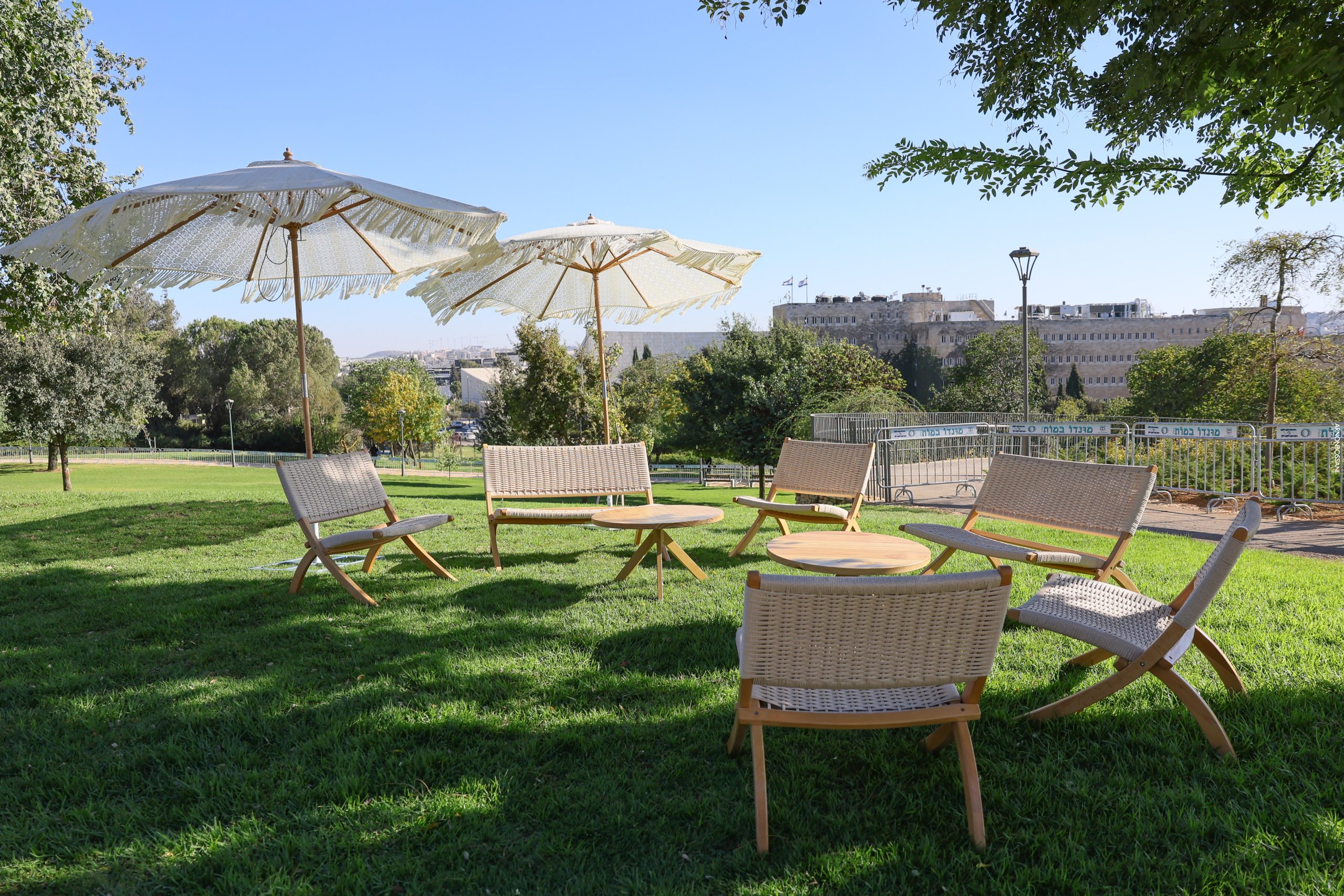
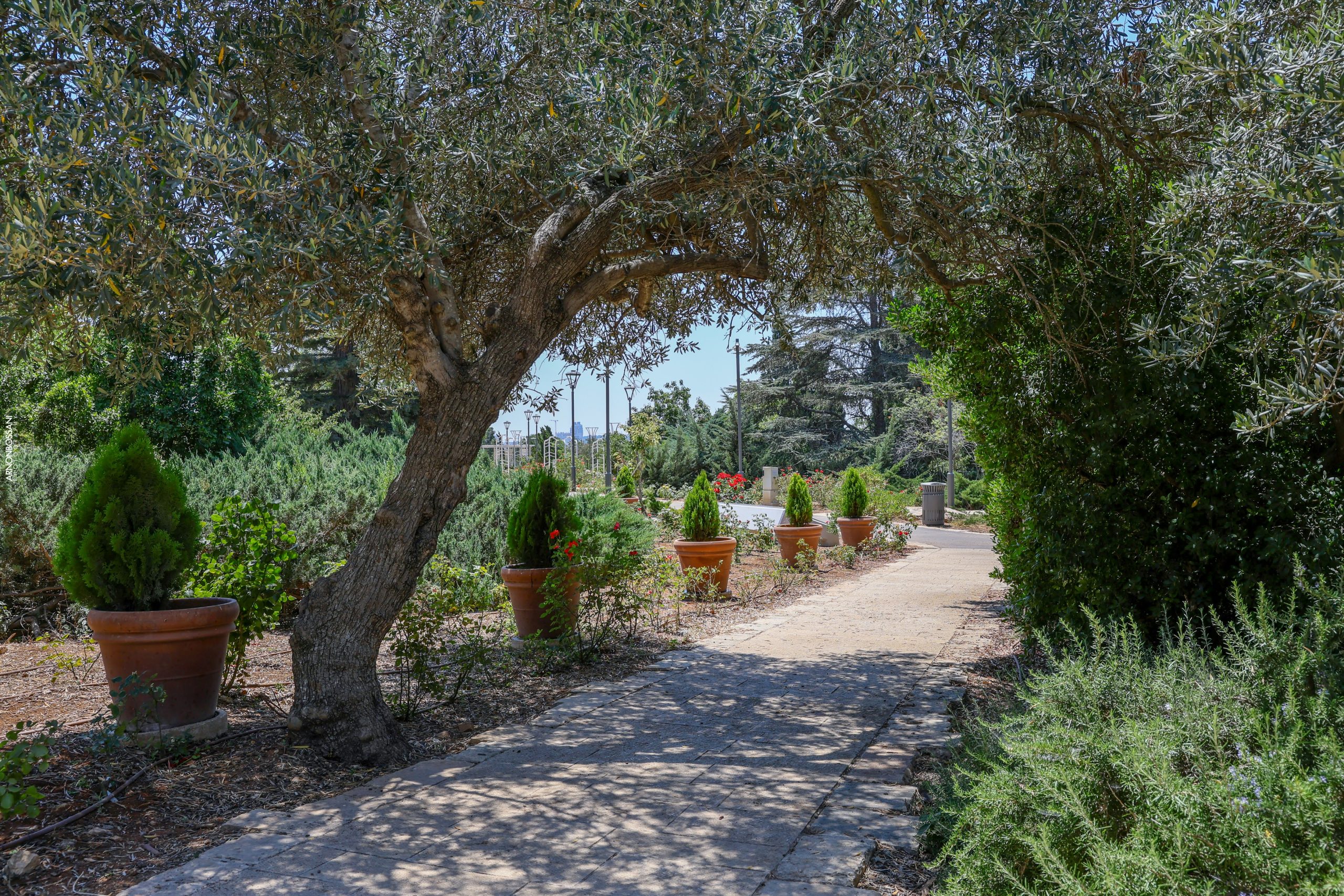
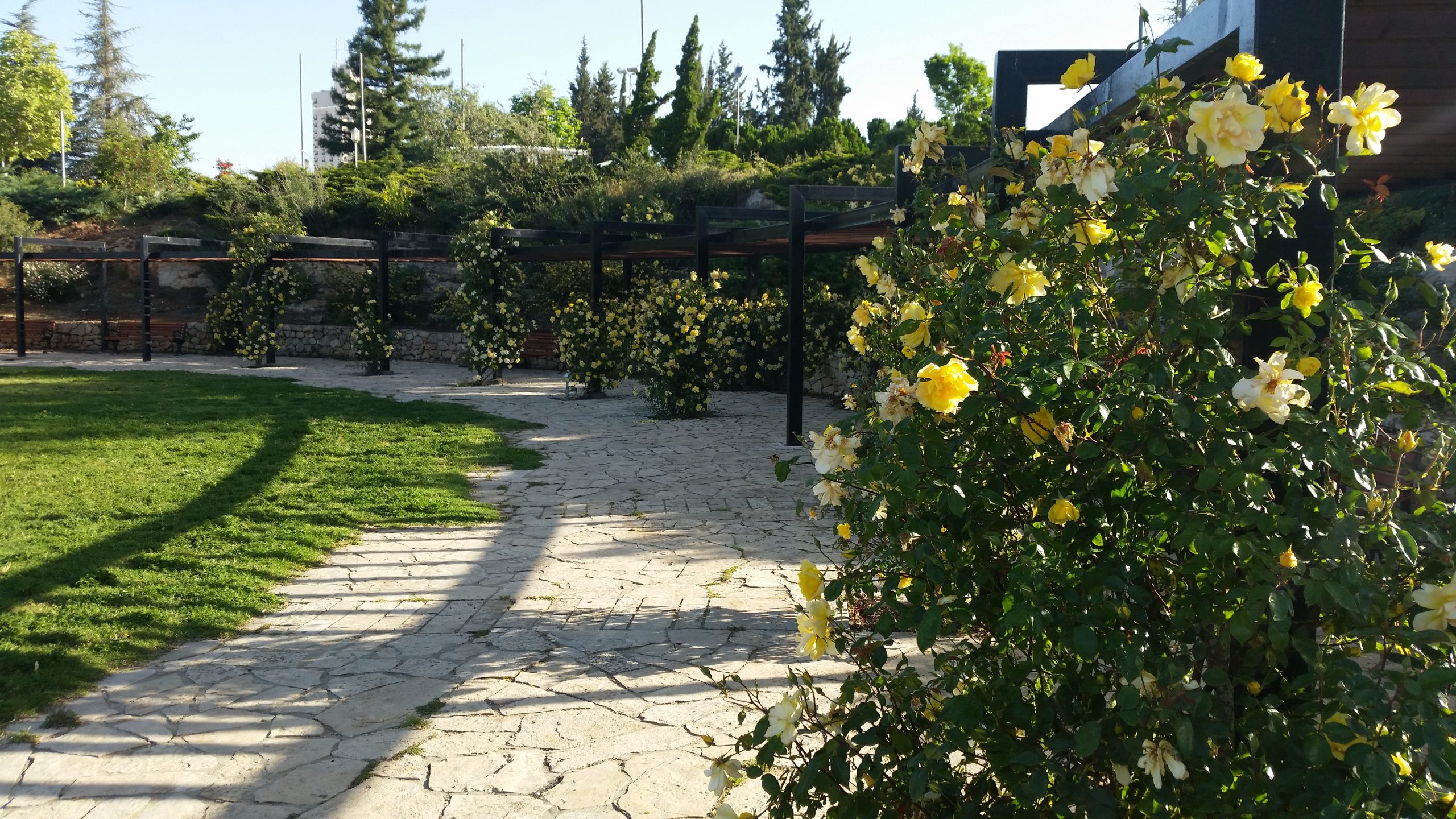
When one thinks of Middle Eastern flora, several images come readily to mind: palm trees, cactus, and the herbs and wildflowers that briefly color Jerusalem’s hillsides after the winter rains. Roses are not the natural suspects. Their delicate petals and careful cultivation seem better suited to temperate European climates than to the hot, dry landscape of the eastern Mediterranean. Yet in the heart of Jerusalem lies a quiet surprise. Just across from the Knesset, Israel’s parliament, stretches the Wohl Rose Garden, where thousands of roses bloom across rolling lawns and winding paths, their fragrance drifting through the air.


a flowering oasis

The garden was established in 1981 by the Jerusalem Foundation, thanks to the partnership and support of Vivienne and Maurice Wohl, on land that had previously formed part of the government compound known as President’s Park. For many years the site had been reserved for official use despite its prominent location beside the Knesset and near the Supreme Court. Its transformation into a public garden opened the grounds to residents and visitors alike, creating a rare green space at the center of Israel’s governmental district.

Photos by Arnon Bossani

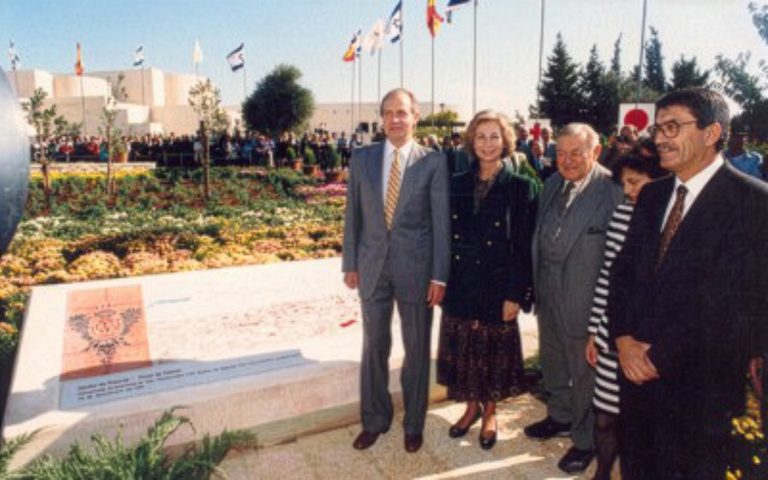
In 1984 the Jerusalem Foundation added the Garden of the Nations, a collection of smaller gardens sponsored by countries around the world. Germany, Japan, Holland, Switzerland, Argentina, Canada, France, Austria, Spain, and the United Kingdom each contributed sections reflecting their own landscaping traditions and characteristic plantings. The Swiss garden was designed with accessibility in mind, incorporating fragrant flowers and Braille signage so that visitors who are blind can experience the landscape through scent and touch.

Photo courtesy of the Jerusalem Foundation Archive

floral ambassadors

The garden was established in 1981 by the Jerusalem Foundation, thanks to the partnership and support of Vivienne and Maurice Wohl, on land that had previously formed part of the government compound known as President’s Park. For many years the site had been reserved for official use despite its prominent location beside the Knesset and near the Supreme Court. Its transformation into a public garden opened the grounds to residents and visitors alike, creating a rare green space at the center of Israel’s governmental district.

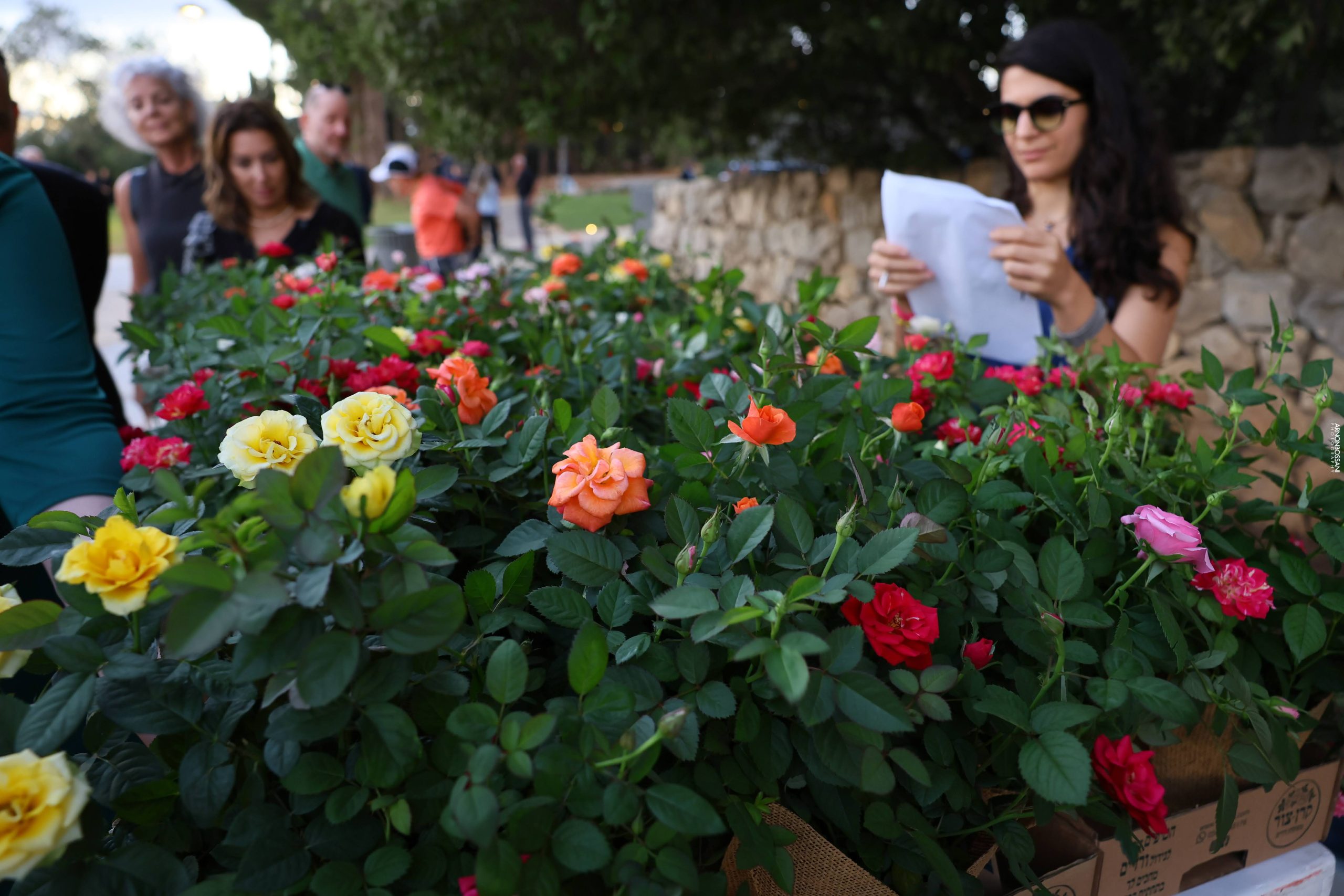
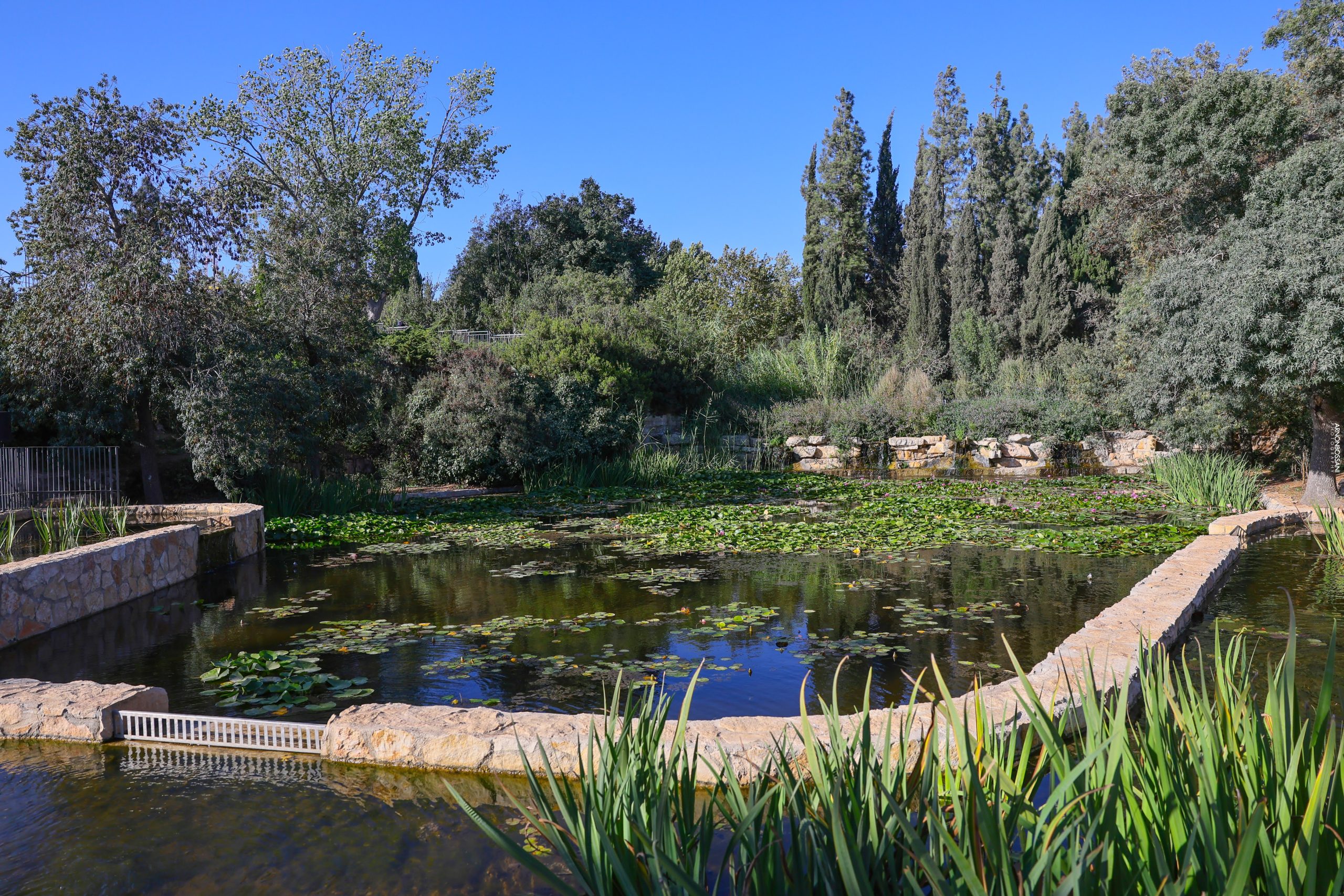
 Landscape architect Yosef Segal shaped the 19-acre park as a naturalistic landscape of gentle hills, winding paths, open lawns and a beautiful pond. More than 15,000 rose bushes are planted throughout the garden in informal clusters so that color and fragrance appear gradually as visitors move through the park. Hundreds of varieties of roses grow in the park, from historic garden roses to modern hybrids selected for their ability to withstand Israel’s intense summer heat and limited rainfall. An experimental section tests new varieties from around the world, evaluating which can adapt successfully to Mediterranean conditions. This work helped establish the park as the largest rose garden in Israel and earned recognition from the World Federation of Rose Societies as one of the world’s outstanding rose gardens.
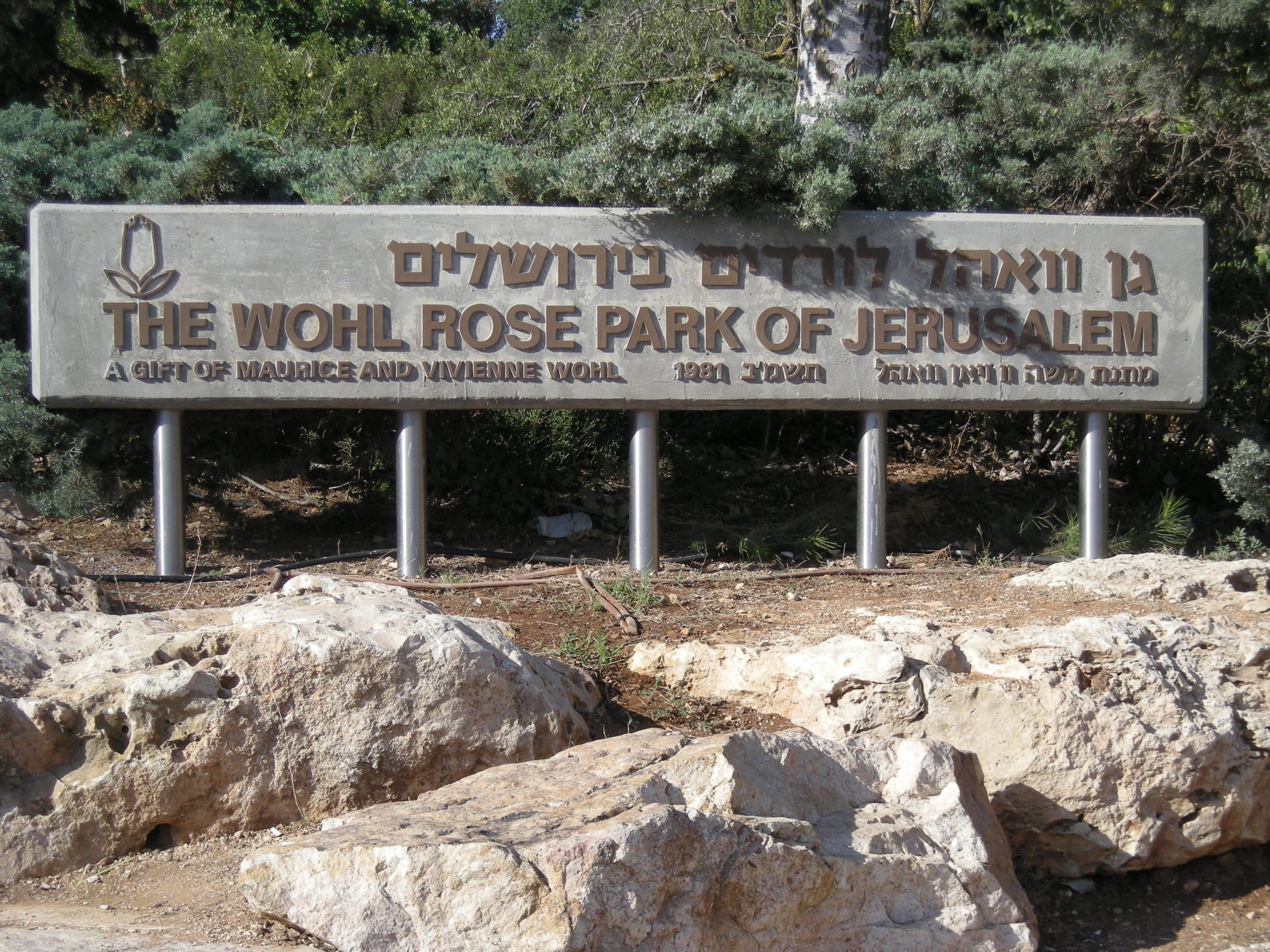
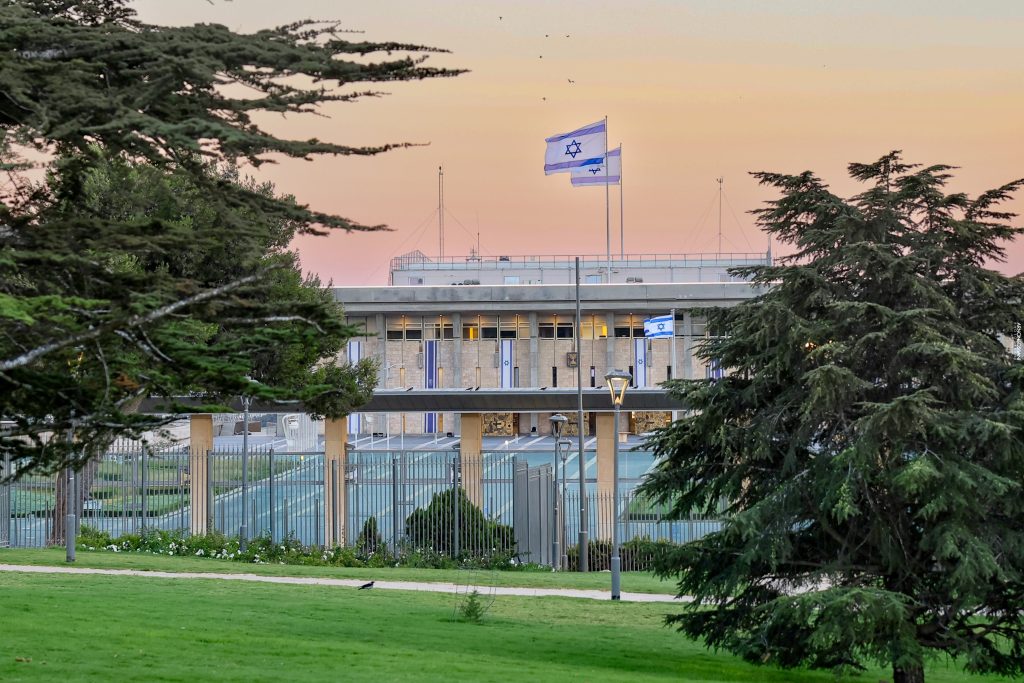
Photo by Arnon Bossani

open air gallery

Scattered among the lawns and pathways stand several significant works of sculpture, including Tête, a small bronze piece created in 1978 by Spanish surrealist artist Joan Miró; Wings, a painted steel sculpture by Israeli artist Israel Hadany; and Jerusalem Ritual, Beverly Pepper’s monumental arrangement of column-like forms that rises from the ground like an ancient architectural fragment. Additional works by artists such as Gabriele Heidecker and the Mexican sculptor Sebastián appear throughout the park, transforming the garden into an open-air gallery. Near the entrance lies a sixth-century mosaic floor unearthed at Kibbutz Sde Nahum and later installed in the garden, its intricate patterns adding archaeological depth to the landscape.

Photos by Arnon Bossani

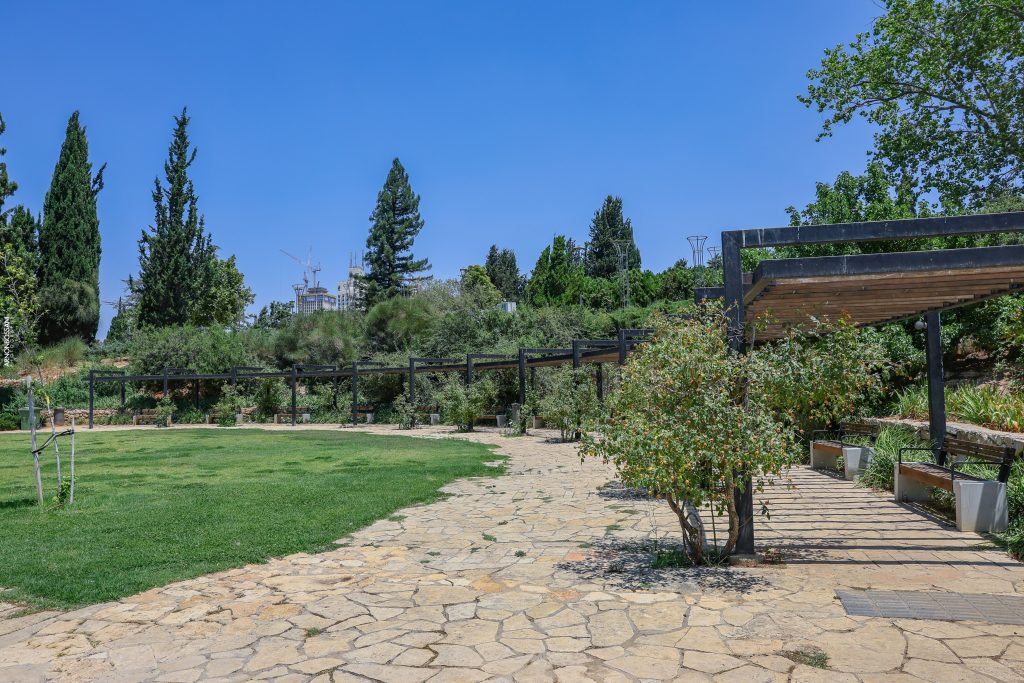
In 2022, the Jerusalem Municipality undertook a comprehensive renewal of the garden, completed in 2025 with the support of the Wohl Legacy in memory of Maurice and Vivienne Wohl. The project rebuilt the park’s pathways, renewed irrigation and planting systems, and revitalized the hundreds of rose varieties that define the landscape. New seating areas, updated park furnishings, and accessibility improvements made the garden easier to navigate and enjoy, ensuring that the Wohls’ commitment to enhancing Jerusalem’s public spaces continues to shape the garden today.

Photo by Yuval Tamir

in full bloom

Today, families picnic on the lawns, office workers cross its paths during lunch breaks, and visitors arrive each spring when the roses bloom in extraordinary abundance. In a city so often defined by stone, history, and politics, the Wohl Rose Garden offers another landscape, one shaped by color, fragrance, and the quiet patience required to make roses flourish where they are least expected.

Previous
Next