Few places embody contemporary Jerusalem history more powerfully than the Museum on the Seam. Housed within a structure that has served as a family home, a military outpost, and now a center for contemporary art, the museum demonstrates how spaces shaped by conflict can continue to evolve. Rather than preserving the past behind glass, it invites visitors to engage with the questions it continues to raise.

between east and west

Perched on what was once the fault line between East and West Jerusalem, the Museum on the Seam occupies a building that has lived several lives. Constructed in 1932 as the home of the Baramki family, a Palestinian Christian family in Jerusalem, the house stood as a private residence until the upheavals of 1948. During the war, the family fled after gunfire pierced the walls and nearly struck one of its residents. In the years that followed, the house found itself positioned directly along the armistice line dividing the city. It was taken over by Israeli forces and converted into a fortified military outpost known as the Tourjeman Post. Windows were sealed, observation points installed, and the structure absorbed the physical and symbolic weight of a city split in two.

Photo courtesy of Museum on the Seam

a museum reimagined

In 1981 the building was turned into a small museum. Yet its architecture carried a more complicated story of displacement, division, and competing memories layered into stone. In the late 1990s, with the support of the Jerusalem Foundation and the von Holtzbrinck family, and under the leadership of curator and founder Raphie Etgar, the building was reimagined. It reopened in 1999, and was renamed the Museum on the Seam: a socio-political contemporary art museum, the first in Israel dedicated explicitly to examining social and civic questions through art.

Photo by Yuval Cohen Harounoff


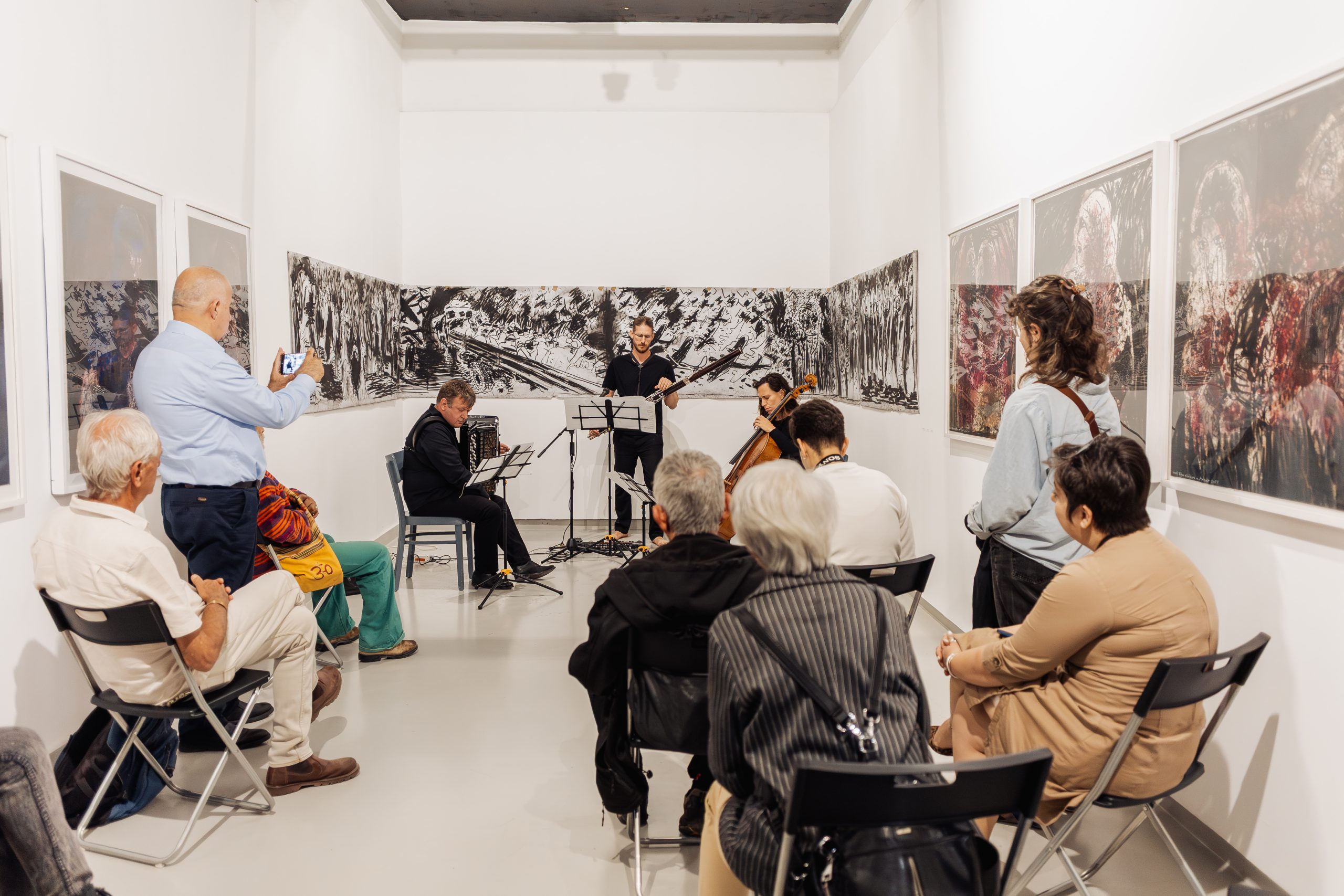
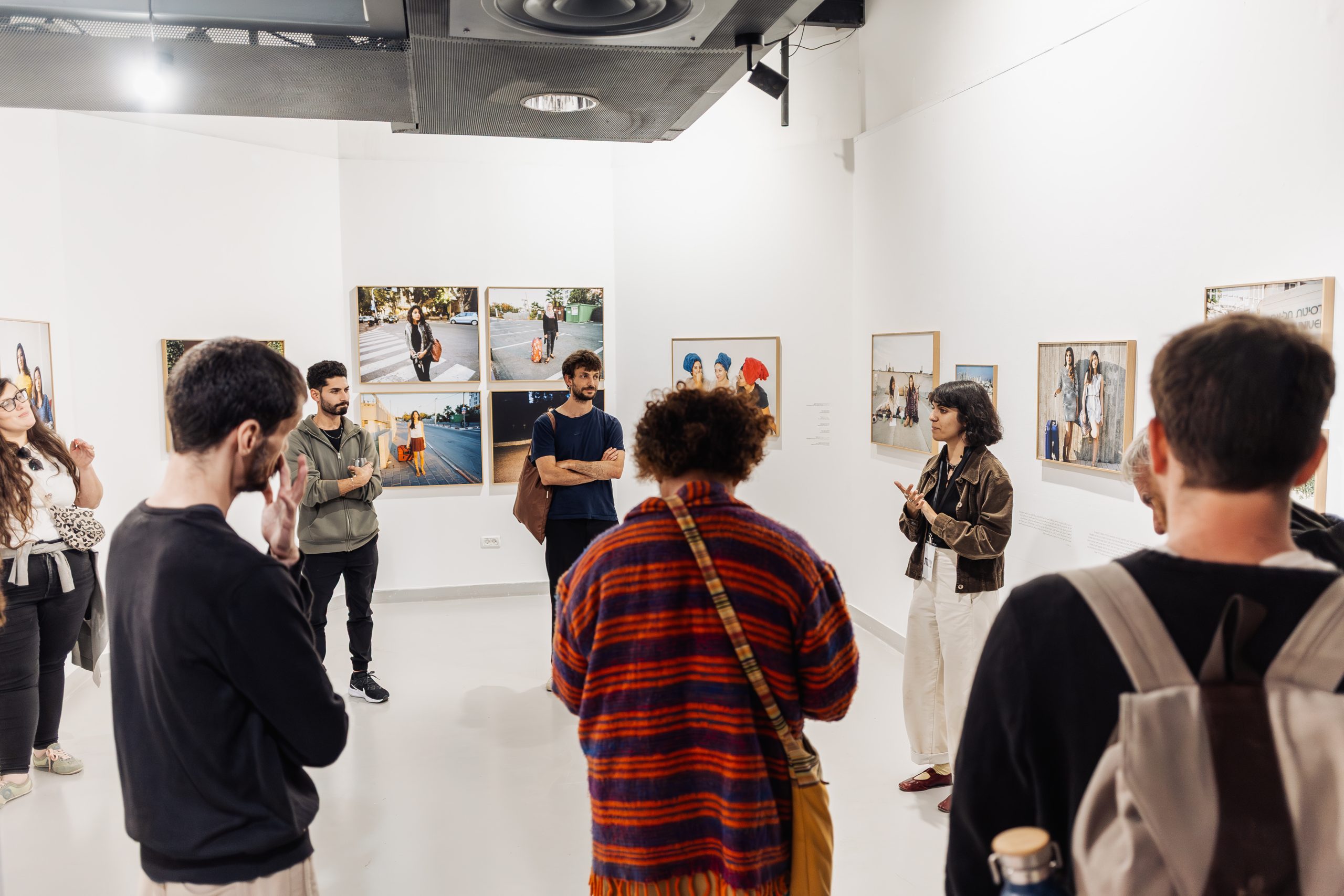
The exhibitions often unfold across several floors, guiding visitors through installations, video works, photography, sculpture, and interactive pieces. The tone varies, at times provocative, at times contemplative, yet always socially relevant. Text panels provide context, and guided tours, artist talks, and educational programs extend the discussion beyond the gallery walls. The museum works with diverse audiences, including students and community groups, treating art not as an isolated aesthetic experience but as a catalyst for civic reflection.
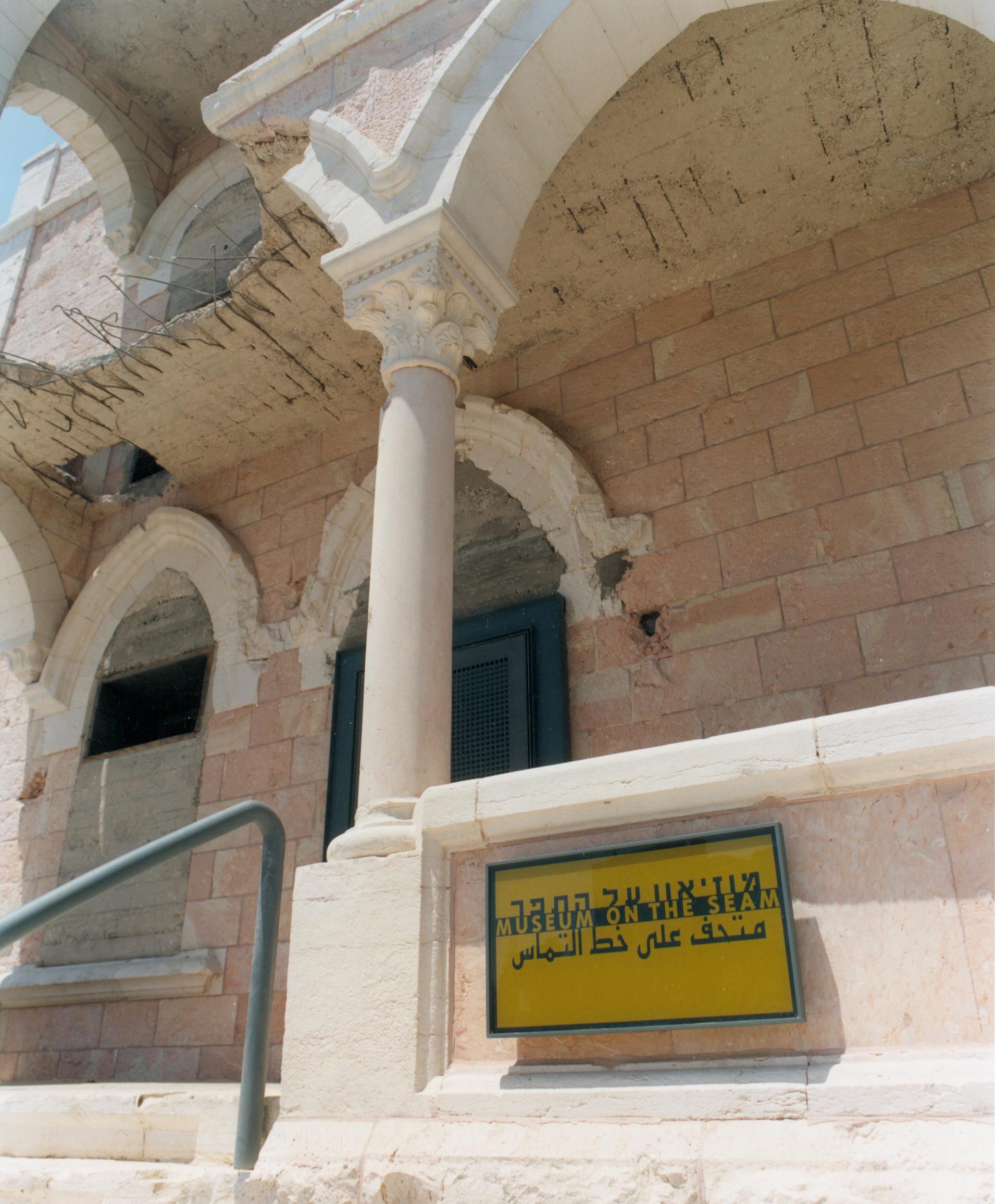
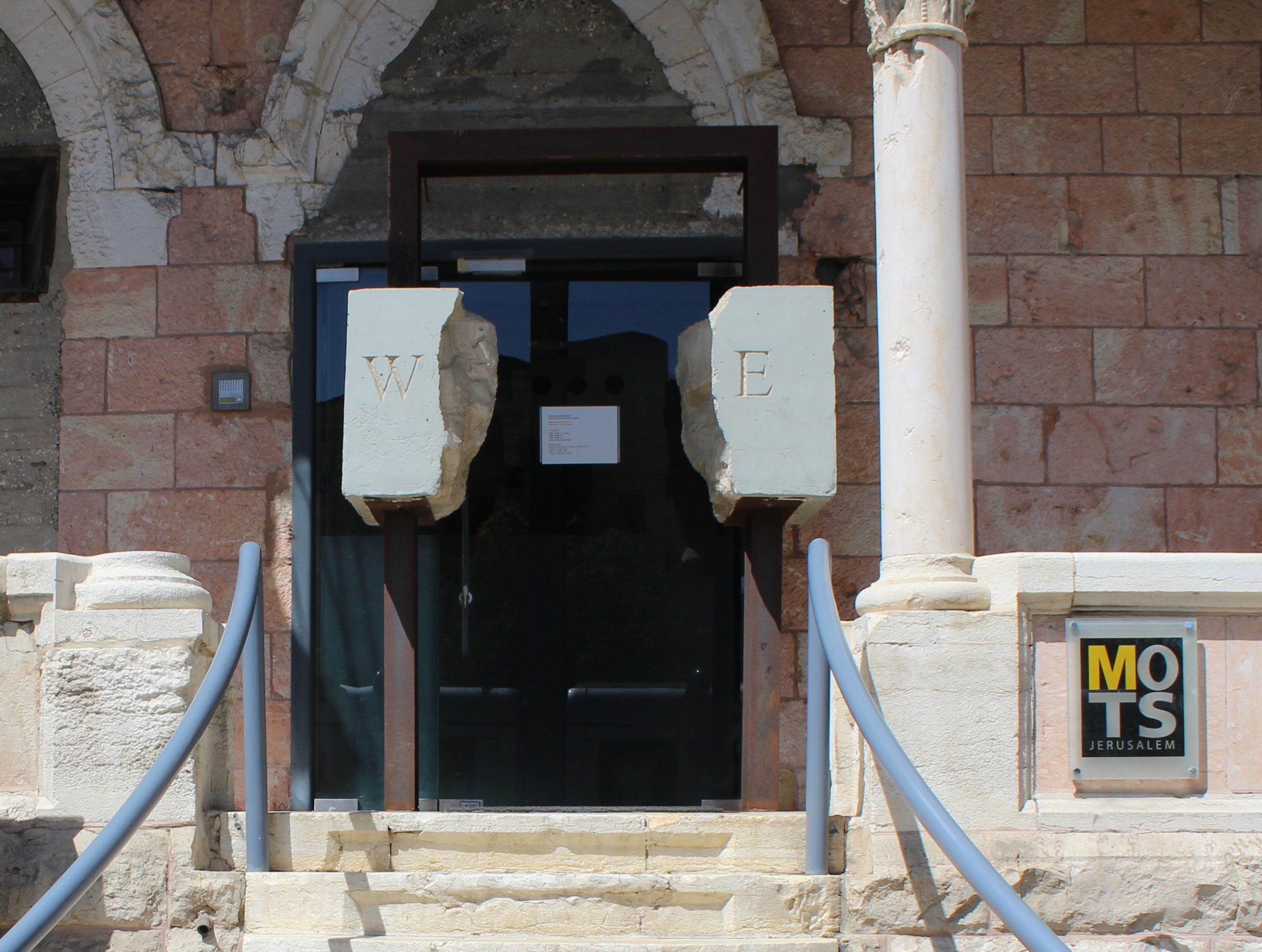
Photo courtesy of Museum on the Seam

social reflection

Situated on the former seam line, the museum engages social questions that are both immediate and enduring. Its changing exhibitions address issues such as environment and sustainability, public conscience and moral responsibility, the individual’s solitude in the technological age, gender violence, and the complex relations between humans and animals. These themes are not presented abstractly; they are explored through contemporary artistic practice that invites reflection rather than resolution. Rather than advancing a single ideological position, the museum structures each exhibition around a central inquiry, assembling works by Israeli and international artists into sustained explorations of social reality.

Photo by Yuval Cohen Harounoff

 The exhibitions often unfold across several floors, guiding visitors through installations, video works, photography, sculpture, and interactive pieces. The tone varies, at times provocative, at times contemplative, yet always socially relevant. Text panels provide context, and guided tours, artist talks, and educational programs extend the discussion beyond the gallery walls. The museum works with diverse audiences, including students and community groups, treating art not as an isolated aesthetic experience but as a catalyst for civic reflection.
a space for encounter

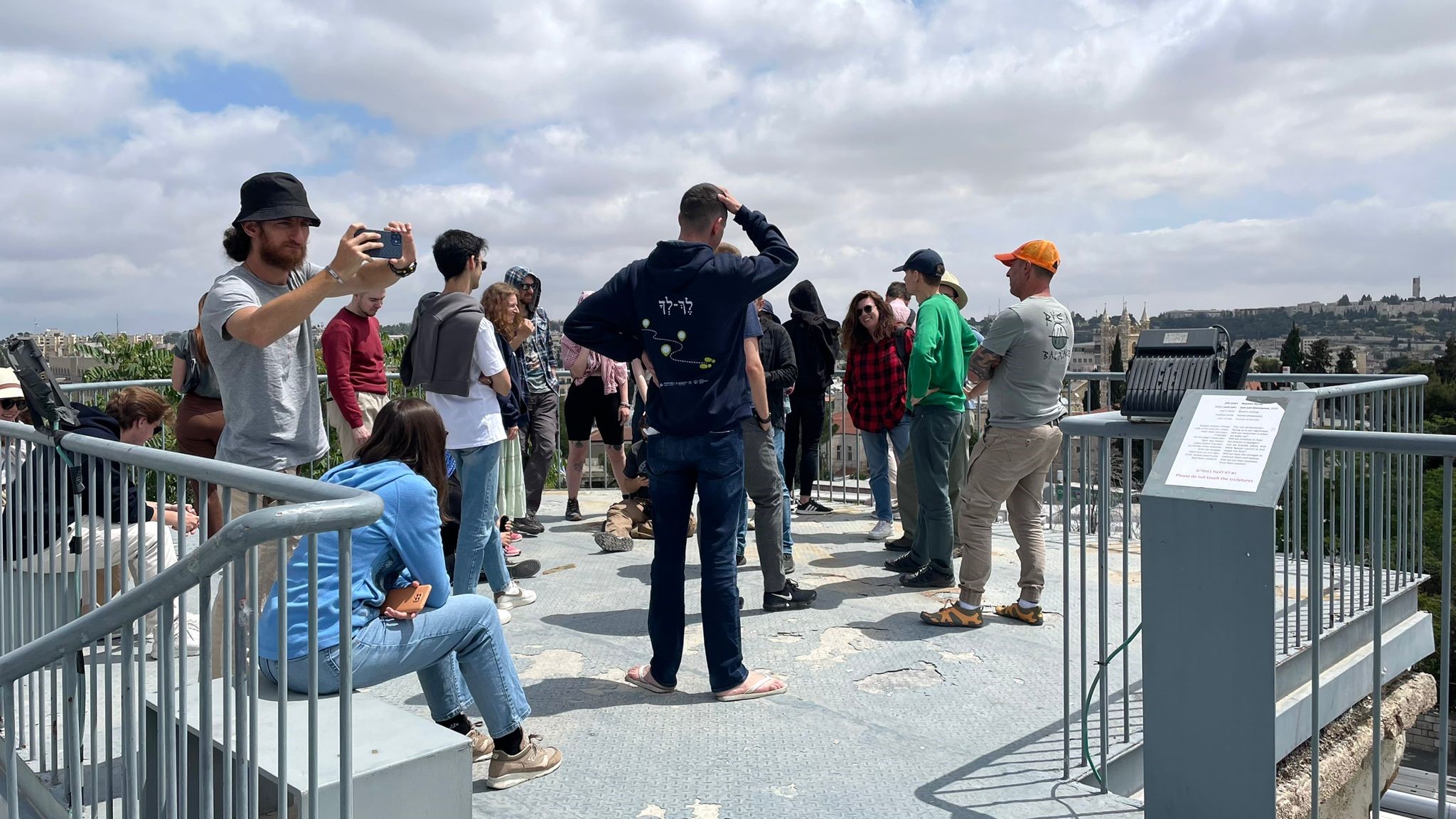
The building’s past is neither erased nor dramatized; it remains present in the thickness of its walls and in the knowledge of what they once signified. The transformation from fortified outpost to cultural institution marks a shift in function, from guarding a line to interrogating the lines that shape contemporary life. A visit to the Museum on the Seam carries an awareness of the place. From the rooftop, one can look out toward neighborhoods that were once separated by barbed wire and checkpoints, the city’s geography offering quiet context to the art below. Inside, the exhibitions ask visitors to linger with ambiguity and to confront questions that rarely admit simple answers. In a city where history is immediate and often contested, the museum proposes engagement over retreat. It continues to stand on the seam, but as a space for encounter rather than defense.

Previous
Next