Jerusalem is known as one of the world’s holiest cities, sacred to Judaism, Christianity, and Islam. And yet, if one were to measure devotion by numbers alone, football claims a following larger than any religion on earth. It is only fitting then, that a city of such global significance would have a stadium worthy of its people; a proper home for the game that commands such loyalty and passion.

paragraph title

Before Teddy Stadium was built, Jerusalem relied on a handful of outdated sports venues that no longer met the needs of a growing capital. The city lacked a modern, large-scale facility that could host professional matches and major athletic events. For years, proposals to build a new stadium stalled amid disagreements over location, funding gaps, and bureaucratic hurdles. The idea was widely supported in principle, but turning it into reality proved difficult.

PARAGRAPH TITLE

Photo courtesy of the Jerusalem Foundation archives

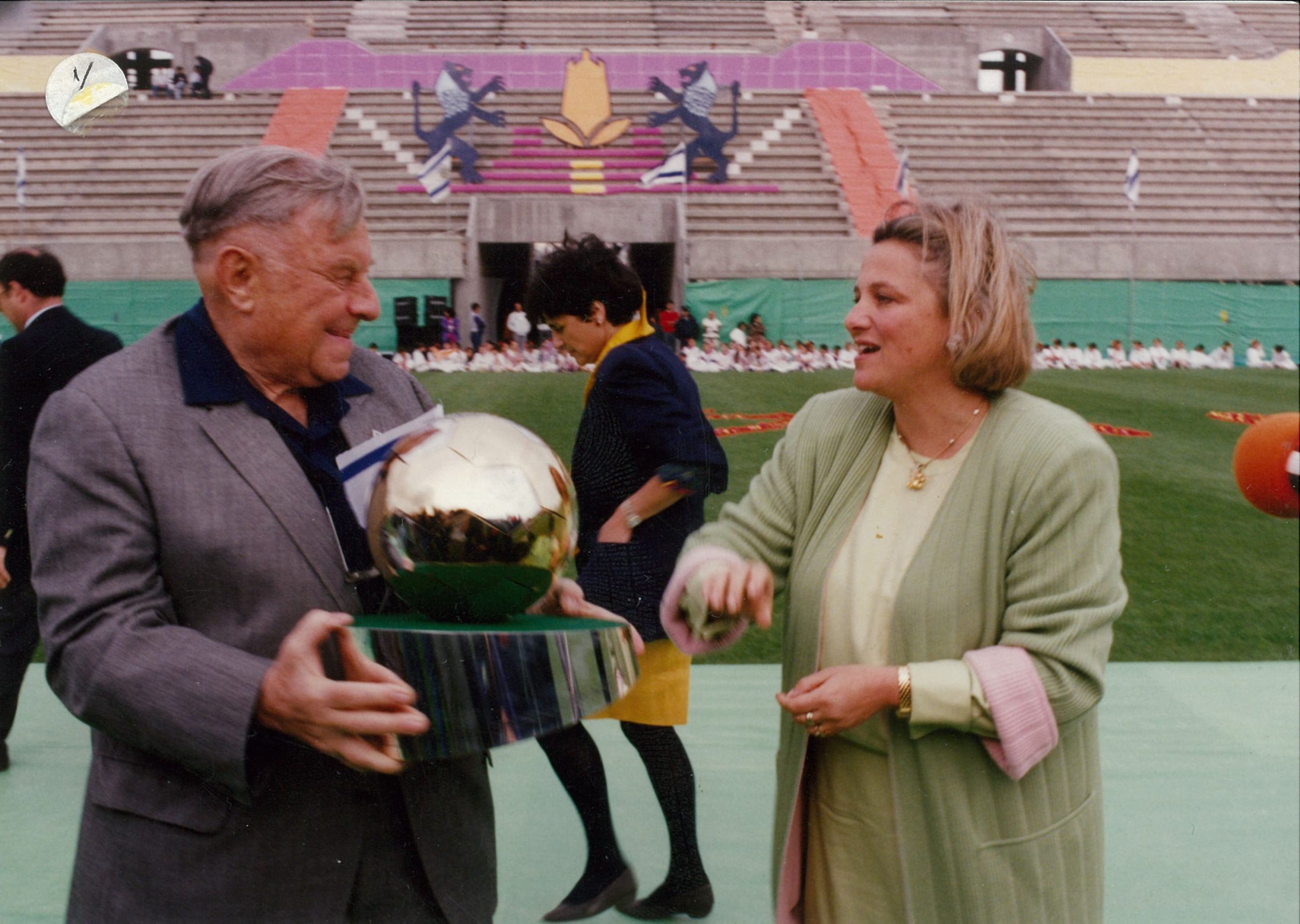
The breakthrough came through determined municipal leadership and strategic philanthropy. Then-mayor Teddy Kollek championed the project as essential infrastructure for a modern capital city. He understood that sports were not peripheral to civic life, but central to it. Working closely with the Jerusalem Foundation, Kollek helped secure the necessary funding to move the project forward. The Jerusalem Foundation played a decisive role, raising approximately half of the stadium’s budget through donors. After years of effort and negotiation, construction finally began in the city’s southern development corridor. The stadium was completed in 1991, and per the request of donor Dame Vivien Duffield, it was named Teddy Stadium in honor of Mayor Teddy Kollek.

Teddy Kollek with Dame Vivien Duffield at the dedication of Teddy Stadium. Photo courtesy of the Jerusalem Foundation archives

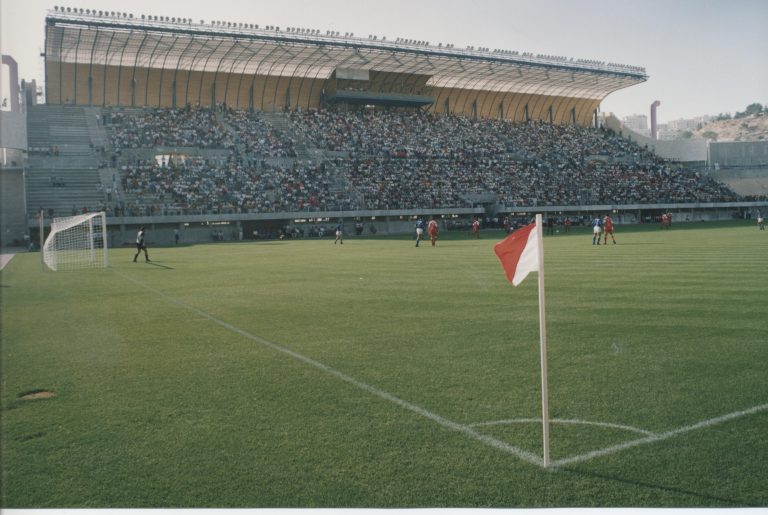
The success of Teddy Stadium was more than the development of a sports facility. For Jerusalem, it represented an investment in normalcy, vitality, and shared public life. In a city often defined by its political and religious weight, the stadium offered a different kind of gathering place, one rooted in teamwork, competition, and collective experience. It gave Jerusalem a venue capable of hosting international-level events and signaled that the capital was committed to providing its residents with the same quality of infrastructure found in other major cities.

Photo courtesy of the Jerusalem Foundation archives

paragraph title

PARAGRAPH TITLE

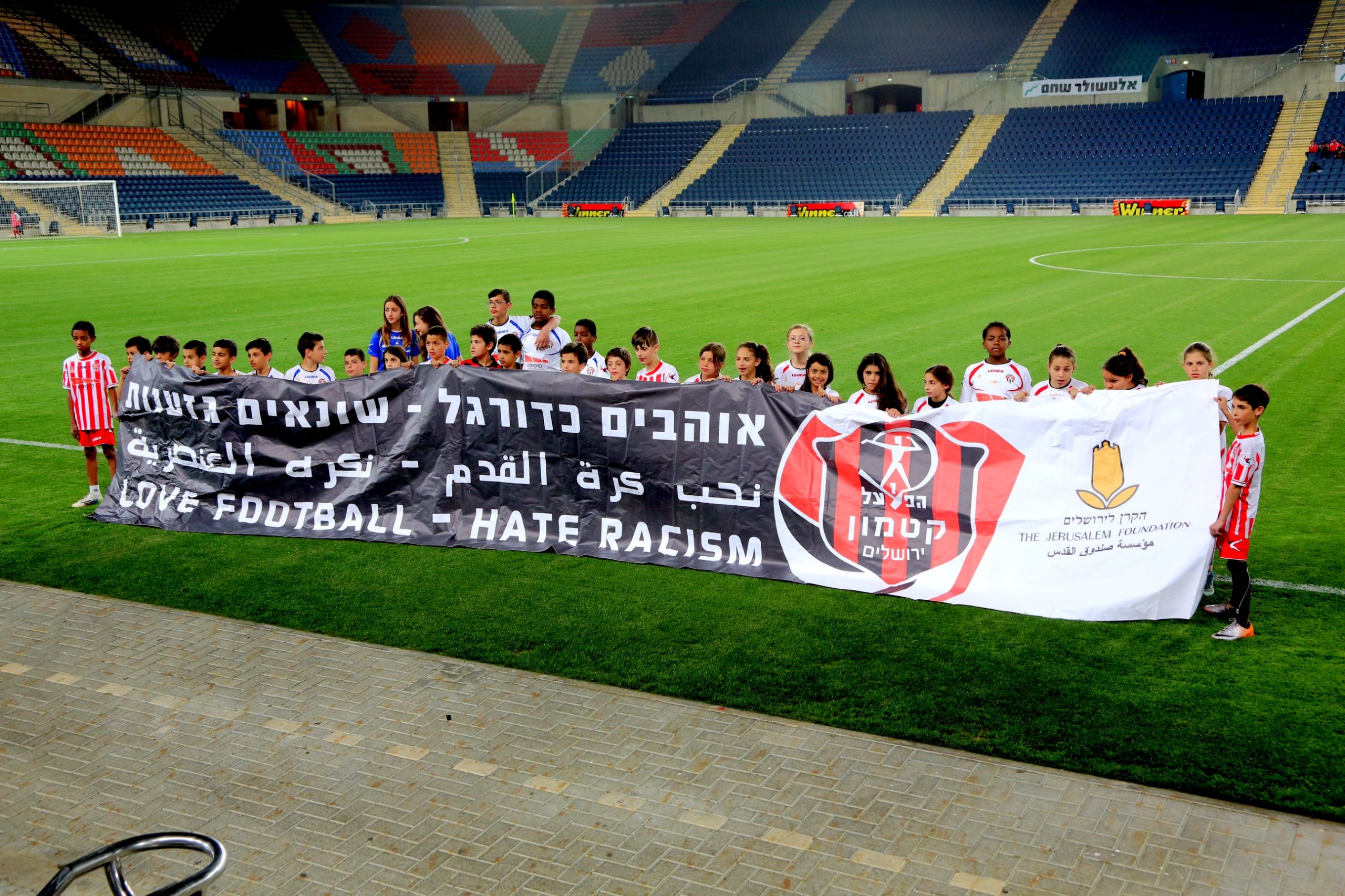
Today, the stadium serves as the home ground for two of Jerusalem’s professional football clubs: Beitar Jerusalem and Hapoel Jerusalem. Their matches draw thousands of fans, turning the stands into a sea of color and sound. While football is at the heart of the stadium’s identity, its contribution to the city extends well beyond the pitch. In 1995, with support from the Jerusalem Foundation, a martial arts center was constructed beneath the stands. Operated by the Berlin Center for Culture, Youth & Sport, the facility provides classes in disciplines such as judo, aikido, and taekwondo, alongside special programs for children with disabilities and joint Jewish-Arab summer initiatives. Through these programs, the stadium functions not only as a venue for spectators, but as a year-round center for youth development, inclusion, and civic life.
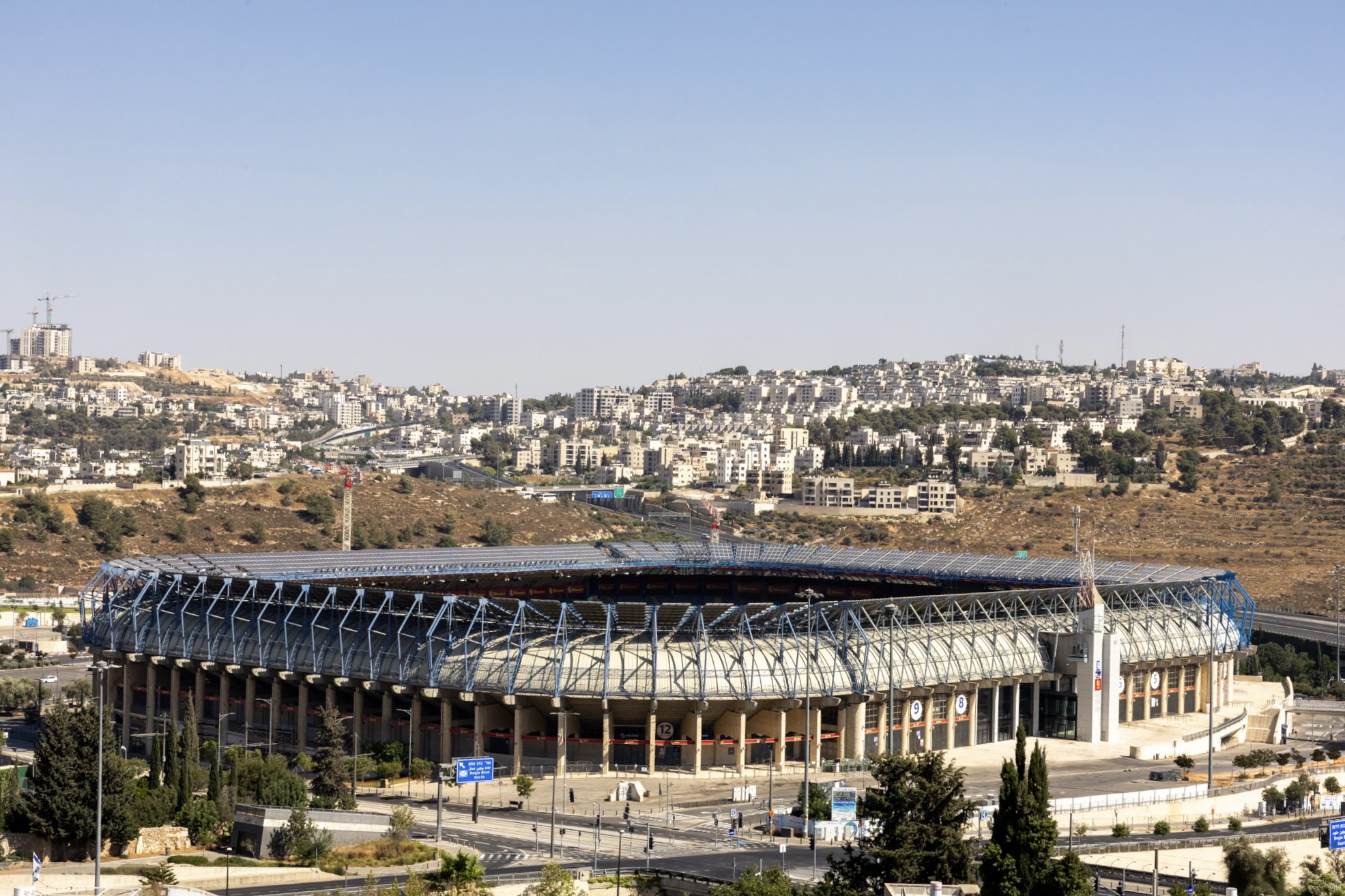
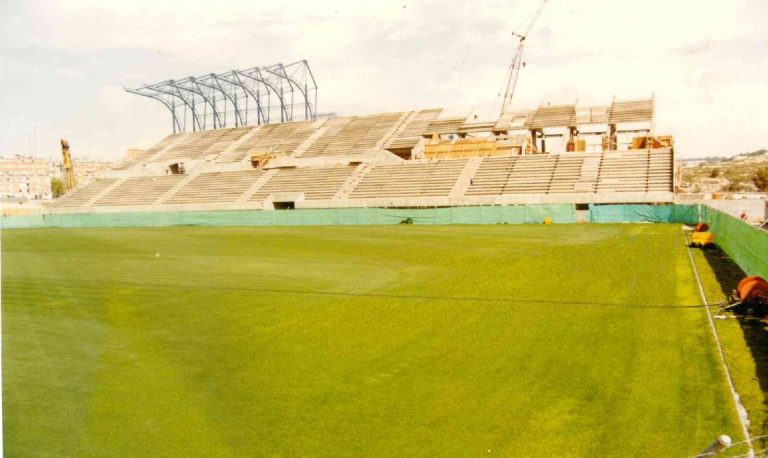
Photo courtesy of the Jerusalem Foundation archives

PARAGRAPH TITLE

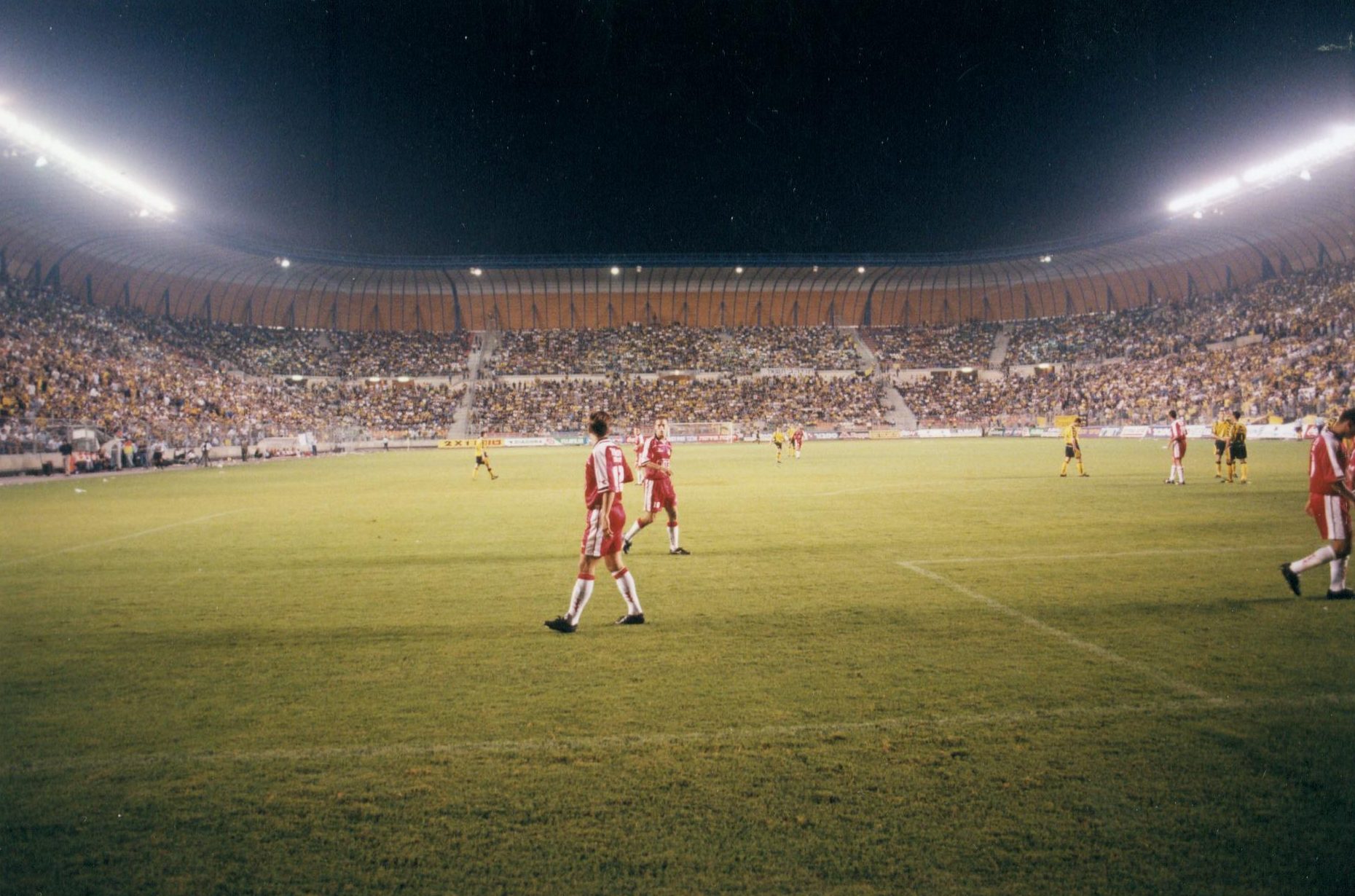
After years of perseverance, Teddy Stadium now stands as a permanent feature of Jerusalem’s landscape, an institution born of persistence, partnership, and vision. It is a reminder that building a city requires more than preserving its past; it also requires investing in the everyday spaces where community is formed. The stadium’s existence is the result of sustained effort by Mayor Teddy Kollek and the Jerusalem Foundation, whose ability to mobilize philanthropic support made the project possible. In doing so, they ensured that Jerusalem would not only be a city of prayer and history, but also a city with a home for sport—perhaps the most universal religion of all. 


Photo courtesy of the Jerusalem Foundation archives
Previous
Next
The Bastion of Time: A Journey Through Jerusalem at the Tower of David The Khan Theater 28 Community Centers Mitchell Park and Gardens – Hinnom Valley Jerusalem Music Center Mishkenot Natural History Museum Paley Center Hurva Synagogue Jerusalem Print Workshop Wohl Rose Park Artists’ Studios Merrill Hassenfeld Amphitheater, Sultan’s Pool Beit Tamar – Ilan Byer Home for the Aged Jerusalem Botanical Gardens Ein Yael Living Museum Naggar Musrara School of Photography – Art and Society Walter and Elise Haas Promenade and Richard and Rhoda Goldman Promenade The Sam Spiegel Film and Television School Simon Rothschild Ben-Yehuda School for Special Education Teddy Stadium Bloomfield Science Museum Safra Square Modi’in Scouts Club Museum on the Seam Via Dolorosa Restoration and Accessibility Al Jabsha Elderly Center in Christian Quarter The Max Rayne Hand in Hand School for Jewish-Arab Education Israel Asper Community Action Center in Ramot The Kangaroo Family Center Jerusalem Secular Yeshiva Restoration of Montefiore Windmill to working mill Canada House – Morasha Community HaMiffal Israel Gottesman Aquarium Jerusalem Arts Campus Hassenfeld Family Wadi Joz Youth Center Kayma, the George Pinto Jerusalem Doctoral Fellows Culture Series (Sidratarbut) Misgav LeKashish Elderly Day Center Shanti House Well Baby Centers – Renovations Shai Doron Leadership Fellows Beit Hanina Community Center and Pool
Jerusalem Gardens National Park ringing Old City Walls Harry Wilf Independence Park Mishkenot Sha’ananim Cultural Center and Guesthouse Jerusalem Conservatory Hassadna Liberty Bell Park Jerusalem Cinematheque Train Theater The Hattie Friedland School for the Deaf School of Visual Theater The Jacob & Hilda Blaustein Civic Center Beit Sherman – Beit Buria The Djanogly Visual Arts Centre Tisch Family Zoological Gardens Joseph Meyerhoff Youth Center for Advanced Science Studies Jack, Joseph and Morton Mandel Gazelle Valley Urban Wildlife Park Jerusalem Scholarship Fund for Higher Education Jerusalem Resilience Center – Shaare Nefesh
The Bastion of Time: A Journey Through Jerusalem at the Tower of David 1970 Jerusalem Gardens National Park ringing Old City Walls 1970 The Khan Theater 1972 Harry Wilf Independence Park 1972 28 Community Centers 1972 Mitchell Park and Gardens – Hinnom Valley 1973 Mishkenot Sha’ananim Cultural Center and Guesthouse 1973 Jerusalem Music Center Mishkenot 1973 Jerusalem Conservatory Hassadna 1973 Natural History Museum 1976 Paley Center 1977 Hurva Synagogue 1978 Liberty Bell Park 1978 Jerusalem Print Workshop 1978 Wohl Rose Park 1981 Jerusalem Cinematheque 1981 Artists’ Studios 1981 Train Theater 1981 Merrill Hassenfeld Amphitheater, Sultan’s Pool 1981 The Hattie Friedland School for the Deaf 1981 Beit Tamar – Ilan 1982 Byer Home for the Aged 1983 Jerusalem Botanical Gardens 1985 Ein Yael Living Museum 1986 School of Visual Theater 1986 Naggar Musrara School of Photography – Art and Society 1986 Walter and Elise Haas Promenade and Richard and Rhoda Goldman Promenade 1987 The Jacob & Hilda Blaustein Civic Center 1987 The Sam Spiegel Film and Television School 1989 Beit Sherman – Beit Buria 1989 Simon Rothschild Ben-Yehuda School for Special Education 1990 Teddy Stadium 1991 The Djanogly Visual Arts Centre 1991 Bloomfield Science Museum 1992 Safra Square 1993 Tisch Family Zoological Gardens 1993 Modi’in Scouts Club 1997 Museum on the Seam 1999 Via Dolorosa Restoration and Accessibility 2000 Joseph Meyerhoff Youth Center for Advanced Science Studies 2000 Al Jabsha Elderly Center in Christian Quarter 2000 The Max Rayne Hand in Hand School for Jewish-Arab Education 2007 Israel Asper Community Action Center in Ramot 2008 The Kangaroo Family Center 2010 Jerusalem Secular Yeshiva 2011 Restoration of Montefiore Windmill to working mill 2012 Canada House – Morasha Community 2013 HaMiffal 2015 Jack, Joseph and Morton Mandel Gazelle Valley Urban Wildlife Park 2015 Israel Gottesman Aquarium 2017 Jerusalem Scholarship Fund for Higher Education 2017 Jerusalem Arts Campus 2018 Hassenfeld Family Wadi Joz Youth Center 2019 Kayma, the George Pinto Jerusalem Doctoral Fellows 2020 Culture Series (Sidratarbut) 2021 Misgav LeKashish Elderly Day Center 2023 Shanti House 2024 Jerusalem Resilience Center – Shaare Nefesh 2024 Well Baby Centers – Renovations 2024 Shai Doron Leadership Fellows 2025 Beit Hanina Community Center and Pool 2026